- Do Weighted Blankets Really Help You Sleep?
- The Immediate Effects of Weighted Pressure on Sleep Quality
- The Science of Comfort: How Do Weighted Blankets Work?
- Why It Works: The Hormonal Shift and CNS Regulation
- Myth vs. Fact: Does a Weighted Blanket Actually Work for Everyone?
- Separating Marketing Hype from Sleep Research
- Managing Anxiety and Insomnia with Weighted Pressure
- Can a Weighted Blanket Cure Insomnia?
- Soothing the Anxious Mind Before Bed
- Helping Your Child Fall Asleep Faster and Stay Asleep
- Sensory Support for Children and Toddlers
- Sensory Shifts: Does Weight Affect Your Dreams?
- The Connection Between Physical Pressure and REM Sleep
- How to Choose and Use Your Weighted Blanket for Maximum Benefit
- Finding Your Ideal Weight and Texture
- Expert Perspective: Sensory Sleep Aids
- Frequently Asked Questions
Do Weighted Blankets Really Help You Sleep?
The sensation of a heavy, warm embrace is more than just a psychological comfort; it is a physiological trigger for relaxation. Weighted blankets have transitioned from niche therapeutic tools used in occupational therapy to mainstream sleep aids because they address the body’s innate need for physical grounding. By applying consistent, gentle pressure across the body, these blankets simulate a clinical technique known as Deep Pressure Stimulation (DPS).
For many, the primary barrier to a restful night is a nervous system that remains in a state of high alert long after the day’s stressors have passed. A weighted blanket serves as a physical “off switch,” signaling to the brain that the environment is secure. This immediate physical response often results in a noticeable reduction in the time it takes to transition from wakefulness to the first stages of sleep.
The Immediate Effects of Weighted Pressure on Sleep Quality
One of the most immediate benefits users report is a drastic reduction in physical restlessness. When the body is under a distributed load of 10 to 20 pounds, the physical ability to toss and turn is naturally restricted. This restriction is not uncomfortable; rather, it provides proprioceptive input that helps the brain map where the body is in space, leading to a profound sense of physical stillness.
Beyond the physical limitations on movement, there is a significant psychological component often referred to as the “cocoon effect.” This feeling of being enclosed and protected triggers an emotional response of safety. When the brain feels grounded, it lowers the production of adrenaline, which is the primary chemical responsible for keeping us awake and scanning for threats during the night.
The Science of Comfort: How Do Weighted Blankets Work?
To understand why a heavy blanket changes how we sleep, we have to look at the Autonomic Nervous System (ANS). Most people living with chronic stress or sleep disorders exist in a state of sympathetic nervous system dominance, better known as the “fight or flight” response. The gentle weight of a blanket shifts the body into a parasympathetic state, which is responsible for “rest and digest” functions.
This shift is not a placebo effect; it is a measurable biological transition. When the skin’s pressure receptors are activated, they send signals to the vagus nerve, which connects the brain to several key organs. This stimulation slows the heart rate and regulates breathing, creating the ideal physiological environment for deep, restorative rest.
- Pressure Reception: The weight activates mechanoreceptors in the skin and joints, sending a signal of safety to the brain.
- Neurological Processing: The Central Nervous System interprets this as a calming “hug” and begins to dampen the sympathetic response.
- Hormonal Cascade: The brain increases the production of serotonin (the “feel-good” hormone) while simultaneously suppressing cortisol.
- Melatonin Conversion: As serotonin levels rise, the body more efficiently converts this chemical into melatonin, the primary hormone governing the sleep-wake cycle.
- Systemic Relaxation: The heart rate drops, muscles lose tension, and the body enters a state of readiness for REM and deep sleep stages.
Why It Works: The Hormonal Shift and CNS Regulation
The regulation of the Central Nervous System (CNS) is perhaps the most critical function of a weighted blanket. For individuals with sensory processing sensitivities, the world can feel overwhelming, leading to a CNS that is “over-revved.” Weighted pressure provides a singular, predictable sensory input that helps the brain filter out other distracting noises or sensations that might otherwise prevent sleep.
Lowering cortisol levels is another major factor in the efficacy of these blankets. Cortisol is naturally high in the morning to help us wake up, but it should drop significantly in the evening. If stress keeps your cortisol levels elevated at night, your brain will struggle to enter deep sleep. Physical weight has been shown to reduce nighttime cortisol levels, which directly correlates with fewer instances of waking up in the middle of the night.
Myth vs. Fact: Does a Weighted Blanket Actually Work for Everyone?
While the benefits are backed by significant anecdotal evidence and several clinical studies, it is important to distinguish between a helpful tool and a medical cure-all. A weighted blanket is a sensory modulation tool, not a replacement for medical treatment for sleep apnea or severe clinical insomnia. However, for those whose sleep issues are rooted in anxiety or sensory restlessness, the results are often transformative.
There is a common misconception that the heavier the blanket, the better the result. In reality, excessive weight can lead to physical discomfort or overheating, which actually disrupts sleep. The goal is “deep pressure,” not “heavy compression.” Finding the balance between weight and breathability is key to ensuring the blanket works with your body rather than against it.
Myth: Weighted blankets are only for people with clinical conditions like Autism or ADHD.
Fact: While originally designed for these populations, anyone suffering from general anxiety or standard sleep disturbances can benefit from the cortisol-lowering effects of deep pressure therapy.Myth: You will get too hot and wake up sweating.
Fact: Heat retention depends on the filling and fabric. Glass beads paired with bamboo or cotton covers offer excellent temperature regulation compared to plastic pellets or synthetic fleece.
Separating Marketing Hype from Sleep Research
In recent years, the popularity of brands like Gravity has brought weighted bedding into the spotlight, but does the research hold up? A 2020 study published in the Journal of Clinical Sleep Medicine found that participants using a weighted blanket for four weeks reported significantly reduced insomnia severity and better daytime energy levels. These participants also showed a decrease in symptoms of fatigue and depression.
It is vital to understand that the efficacy of weighted bedding is highest when the user feels a sense of control. For some, the feeling of being “pinned down” can trigger claustrophobia rather than comfort. Clinical trials emphasize that the user must be able to remove the blanket easily and independently for the psychological benefits of safety and grounding to be realized.
Managing Anxiety and Insomnia with Weighted Pressure
Anxiety often manifests as a “racing mind,” where the brain loops through future worries or past events. This mental activity has a physical counterpart: increased muscle tension and a high resting heart rate. Weighted pressure targets this physical tension. By forcing the muscles to relax under a distributed load, the body sends a feedback loop to the brain saying, “The body is relaxed, so the mind can be too.”
For those dealing with insomnia, the struggle is often “sleep latency”—the time it takes to actually fall asleep. When you are lying in bed, every small movement or sound can reset your internal clock. A weighted blanket dampens the startle reflex, making you less likely to react to minor environmental changes, which allows you to stay in the “pre-sleep” zone longer.
Can a Weighted Blanket Cure Insomnia?
While “cure” is a strong word, weighted blankets are highly effective at reducing the symptoms that keep insomniacs awake. By decreasing the frequency of nocturnal awakenings, the blanket helps users achieve more “consolidated sleep.” This means you spend more time in the restorative stages of sleep rather than drifting in and out of the lighter stages.
Clinical observations suggest that users often experience a 30% reduction in time spent awake after initially falling asleep. This improvement in sleep maintenance is often more valuable than falling asleep faster, as it ensures the brain has enough time to complete its necessary glympathic clearing (the process of removing toxins from the brain during rest).
Soothing the Anxious Mind Before Bed
The relationship between physical weight and emotional calm is rooted in our earliest developmental stages. Much like a newborn finds peace when swaddled, adults often find that the physical boundaries provided by a weighted blanket reduce the feeling of “floating” or being untethered that often accompanies high anxiety.
This sensation is particularly helpful for those who experience “nighttime dread.” By focusing on the tangible, heavy sensation of the blanket against the skin, users can practice a form of passive mindfulness. The weight draws your attention back to your physical presence in the bed, grounding you in the present moment and pulling your focus away from anxious thoughts about the future.
Helping Your Child Fall Asleep Faster and Stay Asleep
For parents of children with sensory processing disorders, ADHD, or Autism, bedtime can be a grueling process. Children often have difficulty “tuning out” the world. A weighted blanket acts as a sensory filter, providing a constant, calming input that helps them organize their sensory system. This leads to a faster transition to sleep and a more stable night’s rest.
Safety is the most important consideration when introducing a weighted blanket to a child’s routine. It is imperative that the blanket is not too heavy for their smaller frame and that they have the physical strength to push it off if they feel uncomfortable. Never use a weighted blanket for infants or toddlers under the age of two, as it poses a significant suffocation risk.
- Do: Follow the 10% rule. A 50-pound child should use a 5-pound blanket;
- Don’t: Use a weighted blanket if the child has respiratory or circulatory issues without consulting a pediatrician.
- Do: Ensure the blanket is small enough that it doesn’t hang over the edges of the bed, which can cause it to slide off and pull on the child.
- Don’t: Use the blanket as a form of restraint; it should always be a choice for the child.
- Do: Choose a blanket with a washable cover, as children are prone to spills and nighttime accidents.
Sensory Support for Children and Toddlers
In the context of ADHD, children often struggle with a “busy” body even when they are exhausted. The proprioceptive input from the blanket provides the brain with the feedback it craves, which can quiet the urge to fidget or kick. This physical quietude is often the missing piece in a successful bedtime routine for neurodivergent children.
For older children and teenagers, the blanket can also serve as a tool for emotional regulation. Using the blanket for 15-20 minutes before actually turning out the lights can help lower their baseline arousal level, making the final transition to sleep much smoother. It acts as a bridge between the high energy of the day and the stillness required for the night.
Sensory Shifts: Does Weight Affect Your Dreams?
An emerging area of interest is how physical pressure influences the architecture of our sleep, specifically the Rapid Eye Movement (REM) cycle. REM sleep is where most dreaming occurs and is vital for emotional processing and memory consolidation. Because weighted blankets promote deeper sleep stages, they can indirectly lead to more vivid or memorable dream states.
When the body is physically grounded and the heart rate is stable, the brain can stay in REM cycles longer without being interrupted by physical movements or “micro-awakenings.” This increased stability in the REM stage often results in dreams that feel more structured and less chaotic, as the brain is not being constantly jolted by physical restlessness.
The Connection Between Physical Pressure and REM Sleep
One fascinating benefit of weighted pressure is the reduction of hypnic jerks—those sudden “falling” sensations that can snap you out of the early stages of sleep. By providing constant tactile feedback to the limbs, the blanket helps the brain stay “convinced” that the body is safe and stationary, preventing the involuntary muscle spasms that disrupt the transition into deeper sleep.
Furthermore, because the blanket promotes a more efficient sleep cycle, users often find they wake up with better dream recall. This isn’t because the blanket “causes” dreams, but because it improves the quality of the sleep environment, allowing the brain to complete its natural cycles. A well-rested brain is more capable of the complex neural activity required for dreaming and memory storage.
How to Choose and Use Your Weighted Blanket for Maximum Benefit
Selecting the right weighted blanket is a balance of physics and personal preference. The industry standard is the “10% rule,” where the blanket should weigh approximately 10% of your total body weight. However, personal comfort varies; some prefer a slightly lighter touch (around 7-8%), while those with high sensory needs might opt for 12-15%.
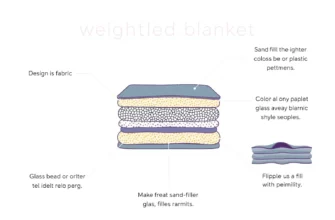
The construction of the blanket is just as important as the weight itself. You want a blanket with small, quilted pockets to ensure the internal weight (usually glass or plastic beads) doesn’t shift to one side. If the weight bunches up, you lose the “deep pressure” effect and end up with uncomfortable pressure points on your joints.
| Feature | Glass Beads | Plastic Poly-Pellets |
|---|---|---|
| Temperature | Stay cool; high density allows for thinner blankets. | Tend to trap heat; better for those who are always cold. |
| Noise Level | Virtually silent when you move. | Can make a slight “rustling” or “beady” sound. |
| Texture | Smooth, sand-like feel inside the fabric. | Pebble-like texture; more noticeable through the cover. |
| Bulkiness | Thin and easy to fold or store. | Often bulkier and takes up more space. |
Finding Your Ideal Weight and Texture
Beyond the weight, consider the “hand-feel” of the outer fabric. If you are a “hot sleeper,” look for moisture-wicking fabrics like bamboo, Tencel, or specialized cooling cotton. These materials allow the heat generated by the deep pressure to dissipate, preventing the night sweats that often occur with cheaper, polyester-based blankets.
If you are unsure about the weight, it is generally safer to “weight down” rather than up. A blanket that is too heavy can lead to morning soreness in the hips or knees, especially for side sleepers. The weight should feel like a firm hug, never like a struggle to breathe or move. For couples, it is often better to use two individual twin-sized weighted blankets rather than one large one, as this prevents the weight from being pulled unevenly during the night.
Expert Perspective: Sensory Sleep Aids
In my professional experience as a sleep specialist, I view weighted blankets as a critical tool for sensory modulation rather than just a piece of bedding. I always advise my clients to think of these blankets as a way to “filter” their environment. Just as noise-canceling headphones help the brain focus on a single sound, a weighted blanket helps the brain filter out the “static” of physical restlessness. I have found that for patients with Restless Leg Syndrome or high-functioning anxiety, the proprioceptive input provides a baseline of calm that medication alone often cannot replicate. The key is consistency; use it during your wind-down hour, not just when you are already struggling to sleep.
Frequently Asked Questions
The standard guideline is 10% of your total body weight. For example, a 150-pound person should choose a 15-pound blanket, though you can adjust by 1-2 pounds based on personal comfort.
Can you use a weighted blanket every night?
Yes, it is perfectly safe for nightly use. Many people find that consistent use helps train the nervous system to relax more quickly over time.
Do weighted blankets make you too hot?
Not necessarily. To avoid overheating, choose a blanket filled with glass beads and covered in breathable fabrics like cotton or bamboo rather than synthetic fleece;
Is it safe for children to use weighted blankets?
It is safe for children over age two, provided the 10% weight rule is followed and the child can easily remove the blanket themselves. Never use them for infants.
How long does it take to see results with a weighted blanket?
While many feel immediate relief, it often takes about 7 to 14 nights for your body and nervous system to fully acclimate to the new sensory input.
Do weighted blankets help with Restless Leg Syndrome (RLS)?
Yes, the deep pressure provides proprioceptive input that can soothe the “creepy-crawly” sensations of RLS and reduce the involuntary urge to move your legs.