- Calculating Your Comfort: What Weight Weighted Blanket Do I Need?
- The 10% Rule: A Quick Starting Point
- Quick Reference: How Much Weight Should My Gravity Blanket Be?
- Weight Recommendations for Adults and Children
- Sizing for Specific Needs: From 10-Year-Olds to 225-lb Adults
- Choosing the Best Weight for a 10-Year-Old
- The 225-lb Man: When to Go Heavier
- The Science of Pressure: How Much Weight on Your Chest Induces Sleep?
- Understanding Deep Touch Pressure (DTP)
- Common Mistakes to Avoid When You Pick the Right Weight Blanket
- Why Blanket Size Matters as Much as Weight
- Expert Perspective: Occupational Therapy Insights
- Frequently Asked Questions
Calculating Your Comfort: What Weight Weighted Blanket Do I Need?
Finding the right weighted blanket is less about buying a heavy comforter and more about fine-tuning a therapeutic tool for your nervous system. These blankets work by providing gentle, distributed pressure across the body, a sensation often compared to a firm hug or swaddling. When you select the correct weight, you trigger a physiological response that shifts the body from a state of alertness to one of rest.
The primary goal of this bedding is to provide deep touch pressure without making you feel trapped or overheated. While many people assume that “heavier is better” for sleep issues, the reality is that an overly heavy blanket can cause physical strain or even increase cortisol levels if the body perceives the weight as a restriction rather than a comfort.
The 10% Rule: A Quick Starting Point
The most reliable starting point for determining what weight blanket you should get is the industry-standard 10% rule. This guideline suggests that the ideal weight for a gravity blanket is approximately 10% of your total body weight. For a person weighing 150 pounds, a 15-pound blanket is usually the sweet spot for achieving proprioceptive input without overwhelming the joints.
However, this rule is a baseline rather than a strict law. Some individuals find that 7% of their body weight provides enough sensory input to feel grounded, while others with high sensory-seeking needs might prefer up to 12%. Always prioritize your ability to move and turn over easily; if you cannot comfortably adjust your position during the night, the blanket is likely too heavy for your specific frame.
Quick Reference: How Much Weight Should My Gravity Blanket Be?
Choosing the right weight is easier when you can see the standard market increments aligned with body mass. Most manufacturers produce blankets in 5-pound intervals, which means you may need to round up or down based on your exact weight and personal preference for pressure intensity.
| Body Weight Range (lbs) | Recommended Blanket Weight (lbs) | Common Market Options |
|---|---|---|
| 40 – 70 lbs | 5 lbs | Child / Small Throw |
| 80 – 120 lbs | 10 lbs | Small Adult / Teen |
| 130 – 170 lbs | 15 lbs | Standard Adult Medium |
| 180 – 220 lbs | 20 lbs | Standard Adult Large | 230 – 280 lbs | 25 lbs | Extra Large / Heavy Duty |
Weight Recommendations for Adults and Children
For adults ranging from 100 to 300 pounds, the selection process is generally straightforward, focusing on the 15, 20, and 25-pound options found in most retail stores. If a 150-pound person uses a 20-pound blanket, they are technically at 13%, which is still within the safe therapeutic range but may feel significantly more intense.
When looking at the 10-year-old demographic, the calculation becomes more sensitive. Children have smaller frames and developing respiratory systems, meaning precision is vital for safety and comfort. Standard increments for kids usually start at 5 or 7 pounds, and it is rarely advisable to exceed these weights unless specifically directed by a therapist.
Sizing for Specific Needs: From 10-Year-Olds to 225-lb Adults
Body composition and age significantly change how weight is perceived by the nervous system. A person’s height, shoulder width, and even their sleep position (side vs. back) will dictate how that 10% weight feels when it is draped over the skin. It is not just about the number on the scale; it is about how that weight is distributed across your surface area.
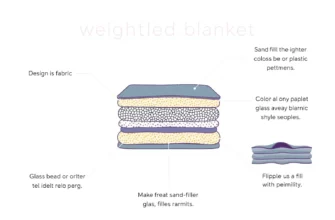
For example, a taller individual may find that a 20-pound blanket feels lighter because the glass beads are spread across a longer fabric dimensions. Conversely, a shorter person might feel more intense pressure from the same 20-pound blanket because the weight is concentrated on a smaller area of the body.
Choosing the Best Weight for a 10-Year-Old
When deciding what weight blanket for a 10-year-old is appropriate, the safety “Golden Rule” is that the child must be able to remove the blanket themselves without assistance. For children, the formula often shifts slightly to 10% of their body weight plus one or two additional pounds to account for the smaller surface area of the blanket.
If a child weighs 70 pounds, a 7-pound or 8-pound blanket is usually the maximum weight for a weighed blanket in this age group. Consulting a pediatrician or occupational therapist is highly recommended before introducing weighted therapy to a child, especially if they have underlying respiratory or circulatory conditions.
The 225-lb Man: When to Go Heavier
For a 225-lb man, the 10% rule suggests a 22.5-pound blanket. Since most blankets are sold in 20 or 25-pound versions, the choice often depends on sleep style. A man of this size often has broader shoulders, which can lift the blanket off the mattress, potentially reducing the “grounding” feel.
In these cases, a 25-pound blanket is often the best weight for a gravity blanket because it ensures the pressure remains consistent even if the sleeper moves. However, if the blanket is intended for a King-sized bed, be aware that the weight is distributed over a massive area, which can make a heavy blanket feel surprisingly light once it is spread out.
The Science of Pressure: How Much Weight on Your Chest Induces Sleep?
The efficacy of weighted blankets is rooted in the science of Deep Touch Pressure (DTP). This is a form of tactile sensory input that signals the brain to move from the sympathetic nervous system (fight or flight) to the parasympathetic nervous system (rest and digest). This transition is what allows the body to lower its heart rate and begin the production of sleep-inducing hormones.
Myth: The heavier the blanket, the faster you will fall asleep and the deeper you will stay in REM.
Fact: Excessive weight can actually trigger a “trapped” sensation, increasing heart rate and causing physical discomfort that disrupts the sleep cycle. The goal is gentle compression, not immobilization.
Understanding Deep Touch Pressure (DTP)
DTP works by stimulating pressure points across the body, which can increase the release of serotonin and melatonin while decreasing cortisol. This chemical shift is why many people with anxiety or sensory processing disorders find immediate relief under a weighted layer. Knowing what weight blanket to buy requires understanding your own “sensory threshold”—the point at which pressure becomes calming rather than irritating.
You should be aware of warning signs that your blanket is too heavy for your frame. If you experience shortness of breath, tingling in your limbs, or any joint pain in the morning, you have exceeded your safe weight limit. The blanket should feel like a secure embrace, never like a heavy weight pressing down on your ribcage.
Common Mistakes to Avoid When You Pick the Right Weight Blanket
Most first-time buyers make the mistake of choosing a blanket based on their mattress size rather than their personal weight. This leads to a common issue where the blanket is so large that the weighted beads hang off the sides of the bed, creating a “gravity pull” that eventually drags the entire blanket onto the floor during the night.
- Buying for the Bed, Not the Person: A King-sized weighted blanket often requires a much higher weight (30+ lbs) just to feel the same as a 15-lb individual throw.
- Ignoring the Filler: Low-quality plastic pellets can be bulky and loud; high-quality glass beads provide a much thinner profile and better weight distribution.
- Overestimating Your Tolerance: If you are a hot sleeper, a heavy blanket with poor breathability will cause you to wake up from overheating long before the weight helps you sleep.
- Forgetting About Portability: A 25-pound blanket is difficult to wash and even harder to travel with; consider if you need a dedicated sleep blanket or a smaller lap version.
Why Blanket Size Matters as Much as Weight
The density of the weight—how many pounds per square inch—is the real metric of comfort. A 15-pound blanket that is 48×72 inches (standard throw size) will feel much heavier and more therapeutic than a 15-pound blanket that is 80×90 inches (Queen size). In the larger blanket, the weight is spread too thin to provide significant DTP.
If you are a single sleeper on a large bed, it is almost always better to buy an individual-sized weighted blanket (roughly 48×72 or 60×80 inches). This ensures the weight stays on your body rather than being wasted on the empty space next to you. For couples, it is typically recommended to buy two separate blankets so each person can customize the weight to their own 10% requirement.
Expert Perspective: Occupational Therapy Insights
In my professional experience working with sensory processing disorders, I have found that the “feel” of the weight is often more important than the exact math. I always advise my clients to test their comfort levels by using a stack of heavy towels or regular quilts first to see how their joints react to added pressure. The most critical safety standard is the ability to self-remove; if a user has limited mobility, respiratory issues, or circulatory problems, they must consult a medical professional before use. I have seen remarkable results in nervous system regulation when the weight is perfectly balanced, but safety must always lead the purchasing decision.
Frequently Asked Questions
If you fall between sizes, choose the lighter option if you have joint issues or are a restless sleeper. Choose the heavier option only if you have a high sensory threshold and specifically enjoy intense pressure.
Can a weighted blanket be too heavy?
Yes. A blanket is too heavy if it restricts your breathing, causes numbness, or makes it difficult to change positions. It should never exceed 15% of your total body weight for standard adult use.
Is the weight different for a weighted lap blanket?
Yes, lap blankets are designed for localized pressure. Because the weight is concentrated on a small area (the thighs), a weight of 2 to 5 pounds is usually sufficient for most adults to feel the grounding benefits.
Should I buy a weighted blanket based on my bed size?
No, you should buy based on your body weight and the area you want to cover. A blanket that is too large will slide off the bed due to the weight of the overhanging edges.
Are weighted blankets safe for toddlers?
Generally, no. They are strictly not recommended for children under 2 years old or any child who cannot independently push the blanket off their face, due to the high risk of suffocation and SIDS.