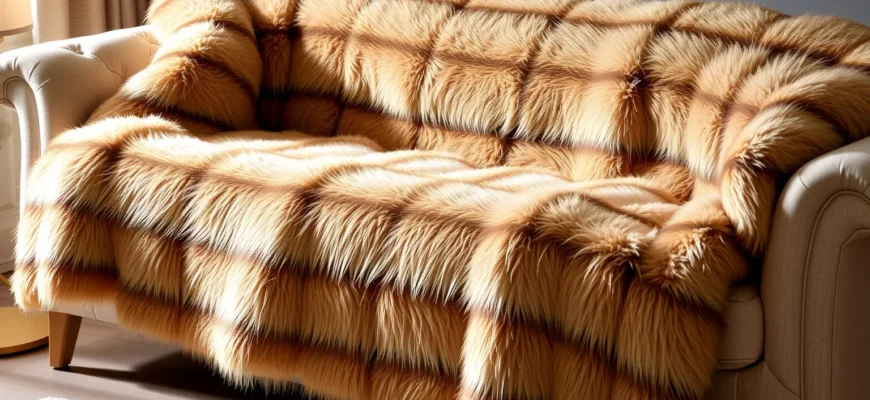
- Why the Sensory Experience of a Weighted Fur Blanket is a Game Changer for Sleep
- How Deep Pressure Stimulation Calms the Nervous System
- Comparing Weighted Flannel Blankets to Traditional Microfiber Options
- Is Flannel Too Hot for Year-Round Use?
- The Rise of the Weighted Cloak Blanket: Hands-Free Stress Relief
- From the Couch to the Desk: Wearable Weight Benefits
- Breathability and Aesthetics: Is a Weighted Knit Hush Blanket Right for You?
- The Science of Airflow in Hand-Knitted Weights
- Selecting Your Perfect Match: A Material and Weight Checklist
- Maintenance and Longevity: Keeping Your Blanket Plush
- Expert Perspective: The Occupational Therapist’s View on Tactile Bedding
- Frequently Asked Questions
Why the Sensory Experience of a Weighted Fur Blanket is a Game Changer for Sleep
The transition from a standard comforter to a luxury weighted fur blanket represents more than just a decor upgrade; it is a shift toward intentional sensory regulation. By combining the substantial mass of glass bead fillings with the high-pile texture of premium faux fur, these blankets create a unique “cocooning” effect that grounds the body during moments of high stress.
This tactile combination works because it addresses two primary sensory systems simultaneously: the proprioceptive system, which handles body position and pressure, and the tactile system, which processes touch. For individuals who find traditional blankets too “thin” or “slippery,” the density of faux fur provides a consistent, reassuring signal to the brain that it is time to downshift into a rest state.
How Deep Pressure Stimulation Calms the Nervous System
Deep Pressure Stimulation (DPS) is the clinical foundation of why weighted bedding works, functioning similarly to a firm hug or swaddling. When a weighted fur blanket is draped over the body, the even distribution of weight signals the brain to shift from the sympathetic nervous system (fight-or-flight) to the parasympathetic nervous system (rest-and-digest).
This physiological transition triggers a biological cascade that can significantly improve sleep hygiene. Research suggests that consistent pressure helps increase the production of serotonin while simultaneously lowering cortisol levels, the hormone primarily responsible for stress. When you pair this internal chemical shift with the external softness of faux fur, you create an environment where the brain feels safe enough to enter the deeper stages of REM sleep. For those looking to reduce night-time anxiety, the texture of the fur acts as a secondary “fidget” or grounding tool, providing a soft surface that can help calm the nervous system during a panic spike or a restless evening.
Comparing Weighted Flannel Blankets to Traditional Microfiber Options
While faux fur offers a high-luxury feel, many users prefer the classic, structured warmth of a weighted flannel blanket. Flannel, traditionally made from brushed cotton or wool, offers a different thermal profile than the synthetic microfiber found in budget-friendly weighted blankets. Understanding these material nuances is vital for ensuring you don’t wake up in a sweat halfway through the night.
| Feature | Weighted Flannel (Cotton) | Standard Microfiber | Best Use Case |
|---|---|---|---|
| Breathability | High; natural fibers allow heat to escape. | Low; synthetic fibers trap body heat. | Flannel for year-round; Microfiber for winter only. |
| Texture | Soft, matte, and slightly fuzzy. | Slippery, smooth, or “minky” feel. | Flannel for those who dislike “shiny” fabrics. |
| Durability | High; resists pilling if high-quality cotton. | Medium; can become thin after multiple washes; | Flannel for long-term daily use. |
| Moisture Control | Naturally absorbent and wicking. | Repels moisture, leading to “clammy” sleep. | Flannel for those with night sweats; |
Is Flannel Too Hot for Year-Round Use?
One common misconception is that flannel is strictly for the coldest months of the year. While it is true that flannel is a staple of winter bedding essentials, its performance is largely dictated by its fiber content. Pure cotton flannel is surprisingly breathable because the natural fibers allow for airflow between the weave, unlike synthetic polyester which creates a plastic-like barrier against the skin.
If you are a “hot sleeper” who still craves the weight of a blanket, opting for a flannel version with moisture-wicking properties is a superior choice over fur or microfiber. The brushed surface of the cotton creates tiny air pockets that provide insulation without the oppressive heat retention of synthetic blends. To maximize utility, look for flannel blankets with a weight of 150-200 GSM (grams per square meter), which offers the perfect balance of softness and durability for spring and autumn use as well.
The Rise of the Weighted Cloak Blanket: Hands-Free Stress Relief
The evolution of sensory gear has moved beyond the bedroom and into the living room and home office. The weighted cloak blanket—often designed as a heavy, wearable wrap with a hood or toggle closures—addresses a major flaw in traditional blankets: they are difficult to move with. For individuals with sensory processing disorders or high-stress jobs, the need for pressure doesn’t end when they get out of bed.
A weighted cloak provides a continuous “hug” that stays in place while you type, read, or prepare a meal. Unlike a standard blanket that slips off the shoulders, a cloak is engineered to distribute weight specifically across the trapezius and shoulder muscles, which are the primary areas where humans carry physical tension. This makes the cloak a specialized tool for daytime regulation.
From the Couch to the Desk: Wearable Weight Benefits
The transition to wearable weight is particularly beneficial for those working in high-pressure environments. When you use wearable stress relief like a cloak, you are providing the brain with a constant stream of proprioceptive input. This helps dampen the “startle response” to loud noises or sudden emails, keeping the user in a state of focused calm.
Furthermore, cloaks are increasingly replacing traditional lap pads in therapeutic settings. While a lap pad only provides pressure to the thighs, a cloak covers the torso, providing a more holistic sense of security. If you find yourself pacing when anxious, a mobile sensory support tool like a cloak allows you to move freely without losing the grounding effect of the weight. Always ensure the cloak does not exceed 10% of your body weight to avoid unnecessary strain on the neck and spine during prolonged wear.
Breathability and Aesthetics: Is a Weighted Knit Hush Blanket Right for You?
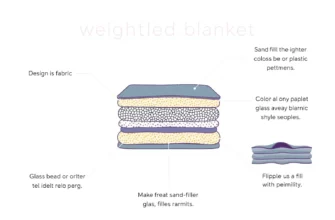
For those who find faux fur too heavy or flannel too traditional, the weighted knit “Hush-style” blanket offers a modern, minimalist alternative. These blankets move away from the “quilted” look of traditional weighted blankets, instead using a chunky, hand-knitted design. The weight in these blankets doesn’t come from glass beads or plastic pellets; it comes from the sheer mass of the fabric itself, often made from layers of jersey cotton or recycled polyester.
| Pros | Cons |
|---|---|
| Maximum Airflow: The open-loop design allows heat to dissipate instantly. | Bulkiness: These blankets can be difficult to store due to their thickness. |
| No Shifting Weight: Without beads, there is no “bunching” in the corners. | Snagging: The large loops can catch on jewelry or pet claws. |
| Modern Aesthetic: Looks like a high-end decor piece on a sofa. | Cleaning: Can take a long time to air dry due to the dense yarn. |
| Silent: No “rustling” sound from beads moving around. | Price: Often more expensive due to the hand-knitting process. |
The Science of Airflow in Hand-Knitted Weights
The primary advantage of a hand-knitted weighted blanket is its superior airflow and ventilation. In a traditional quilted blanket, the filler (glass beads) and the fabric layers create a solid mass that traps air. In a knit design, the “holes” in the weave act as natural vents. This makes the knit style the gold standard for individuals who live in warmer climates but still require the therapeutic benefits of weight.
Because these are beadless weighted blankets, the weight distribution is mathematically perfect. There are no pockets to break or seams to leak. The weight is uniform across the entire surface area. This is a critical feature for people with high tactile sensitivity who might be distracted by the feeling of individual beads rolling against their skin. A knit blanket provides a “smooth” pressure that is often described as feeling more natural and less mechanical than its quilted counterparts.
Selecting Your Perfect Match: A Material and Weight Checklist
Choosing the right blanket is a personal process that depends on your local climate, your sensory “mismatches,” and your sleep posture. Use the following checklist to narrow down your options before making an investment.
- Calculate Your Ideal Weight: Follow the 10% rule (e.g., a 150lb person should choose a 15lb blanket). If you are between sizes, always round up unless you have joint issues.
- Assess Your Body Temperature: If you wake up sweating, skip the faux fur and microfiber. Opt for an open-knit design or 100% cotton flannel.
- Identify Your Sensory Needs: Do you find soft textures calming? Go for faux fur. Do you prefer a “clean” and smooth feel? Choose a high-thread-count flannel.
- Check the Filler: If you are sensitive to noise, ensure the blanket uses micro-glass beads or a beadless knit design. Avoid plastic poly-pellets, which can be noisy and trap more heat.
- Determine Portability: If you need relief while working or moving around the house, a weighted cloak or wrap is more functional than a full-size bed blanket.
- Verify Machine Washability: Check if the blanket has a removable cover. Washing a 20lb inner core can damage home washing machines; a removable cover is a must for longevity.
Maintenance and Longevity: Keeping Your Blanket Plush
A high-quality weighted blanket is an investment in your health, and improper care can quickly ruin the fibers or cause the weight to shift permanently. Faux fur and flannel require different approaches to maintain their “out-of-the-box” feel.
- The Golden Rule for Faux Fur: Never use high heat. Heat will “melt” the synthetic fibers of faux fur, causing them to become matted and rough. Always air dry or use a “no heat” fluff cycle.
- Washing the Inner Core: If your blanket does not have a removable cover, take it to a commercial laundromat. The heavy-duty machines can handle the weight without burning out the motor, which is a common risk with home appliances.
- Pilling Prevention for Flannel: Wash flannel blankets in cold water on a gentle cycle. Avoid using fabric softeners, as they can coat the natural cotton fibers and reduce their moisture-wicking capabilities.
- Drying Knit Blankets: Because knit blankets are made of dense yarn, they can become extremely heavy when wet. Dry them flat to prevent the weight of the water from stretching the loops and ruining the shape.
- Spot Cleaning: For small stains, use a mild detergent and a soft cloth. This extends the time between full washes, preserving the integrity of the fabric for years.
Expert Perspective: The Occupational Therapist’s View on Tactile Bedding
In my professional experience working with clients who have sensory processing sensitivities, the “texture” of the weight is often just as important as the weight itself. I have found that individuals who are “tactile defensive”—meaning they are easily overwhelmed by touch—often find the smooth, predictable surface of a weighted flannel blanket much more tolerable than the unpredictable “shag” of faux fur. However, for those seeking a high level of grounding, the high-pile texture of fur provides a complex sensory input that can help “drown out” other distracting stimuli in the environment. I always advise my clients to test a small swatch of the fabric against their inner arm before committing to a full blanket; if the texture causes even a slight itch, the added weight will only amplify that discomfort during the night.
Frequently Asked Questions
It depends on the weight; most home machines are not rated for more than 15-20 lbs. Always use cold water and never apply heat to preserve the faux fur texture.
How do I choose between a weighted cloak and a standard blanket?
Choose a blanket if your primary goal is improved sleep. Select a cloak if you need stress regulation during the day while working, reading, or moving around the house.
Are weighted knit blankets cooler than fur ones?
Yes, the open-loop design of a knit blanket allows for significantly more airflow, making it the best choice for hot sleepers or summer use.
What weight should I get for a 150lb adult?
Following the standard 10% rule, a 15lb blanket is the ideal starting point for most adults to achieve effective deep pressure stimulation.
Does a weighted flannel blanket pill over time?
High-quality 100% cotton flannel is resistant to pilling. To ensure longevity, wash in cold water and avoid harsh chemical fabric softeners.
Is the weighted knit hush blanket suitable for people with bead allergies?
Yes, most knit versions are bead-free and rely on the fabric’s own mass for weight, making them perfect for anyone sensitive to glass or plastic fillers.