- What Makes a Top Weighted Blanket Worth the Investment?
- The Science of Deep Pressure Stimulation
- Finding the Right Weighted Blanket for Me: A Personalized Selection Guide
- Calculating Your Ideal Weight and Size
- Comparing Popular Retailers: From REI and Big W to Specialist Brands
- High-Street vs. Boutique: Which Brand Wins?
- Seasonal Comfort: Low Tog and Vented Options for Hot Sleepers
- Staying Cool Under Pressure
- Safety Protocols: Babies, Bone Density, and Physical Health
- Who Should Avoid Weighted Blankets?
- Maintenance and Care: How to Handle Spills and Accidents
- Deep Cleaning Your Weighted Blanket
- The Verdict: Selecting Your Perfect Sleep Companion
- Frequently Asked Questions
What Makes a Top Weighted Blanket Worth the Investment?
Choosing a premium weighted blanket involves understanding the intersection of textile engineering and human physiology. It is not merely about finding a heavy throw; it is about how that weight is distributed across your body to facilitate a biological response known as deep pressure stimulation.
High-end brands like Quilty and Gravity have set the industry benchmark by utilizing precise gridded stitching. This ensures that the internal fill—usually microscopic glass beads—stays locked in individual pockets rather than bunching at the edges, which is a common failure in budget-tier alternatives.
When you invest in a top-tier model, you are paying for the durability of the reinforced seams and the breathability of the outer shell. A high-quality blanket should feel like a firm, consistent hug that remains cool to the touch, rather than a suffocating pile of fabric that traps heat.
The Science of Deep Pressure Stimulation
Deep pressure stimulation (DPS) works by applying gentle, firm pressure to the body, which helps in calming the nervous system by shifting it from a “fight or flight” state to a “rest and digest” state. This process mimics the tactile sensation of swaddling or a deep tissue massage, which has been shown to lower cortisol levels while boosting the production of serotonin.
This hormonal shift is the primary reason why these blankets are effective for those dealing with high stress or sensory processing issues. By utilizing deep touch pressure, the blanket encourages the brain to release melatonin, the hormone responsible for regulating sleep-wake cycles, making it easier to fall into a deeper stage of REM sleep. Consistent pressure over large muscle groups is the key to achieving this therapeutic effect effectively.
Finding the Right Weighted Blanket for Me: A Personalized Selection Guide
The most frequent question users ask is, “How do I find the right weighted blanket for me?” The answer lies in your own physiology and sleeping environment. A blanket that is too light will fail to trigger the necessary neurological response, while one that is too heavy can feel restrictive or even cause physical fatigue over long periods.
Selecting the perfect match requires looking at three core factors: your body weight, your mattress size, and your typical sleeping temperature. For those who share a bed, a double weighted blanket might be necessary, but only if both partners have similar weight requirements; otherwise, individual blankets are often a more ergonomic choice.
- The 10% Rule: Always aim for a blanket that is roughly 10% of your total body weight. If you weigh 150 lbs, a 15-lb blanket is your baseline.
- Filler Material: Opt for medical-grade glass beads over plastic poly-pellets. Glass is denser, allowing for a thinner, less bulky blanket that contours better to your limbs.
- Dimensions: Ensure the blanket does not hang over the sides of the bed. If it hangs over, gravity will pull the weight toward the floor, causing the blanket to slide off you during the night.
- Fabric Choice: Choose moisture-wicking bamboo or cotton for night sweats, or minky/fleece if you live in a perpetually cold climate.
Calculating Your Ideal Weight and Size
While the 10% rule is the standard, individual preference plays a role. If you are between sizes, most occupational therapists recommend sizing up rather than down, provided you do not have underlying respiratory or circulatory issues. The distribution of that weight is equally vital; a queen size weighted blanket is designed to cover the surface of a queen mattress, but the weight should ideally be concentrated over the sleeper, not the empty space next to them.
For taller individuals, a long weighted blanket is essential to ensure your feet are covered without the blanket pulling tight against your neck. If you use a double-sized bed, look for blankets specifically labeled as double size, which usually measure around 150cm x 200cm, providing enough surface area to cover two people while maintaining the structural integrity of the weight pockets.
Comparing Popular Retailers: From REI and Big W to Specialist Brands
The market for heavy bedding has expanded from specialty medical catalogs to mainstream retail shelves; Navis-level shoppers often start at big-box retailers like Big W or Big Lots, while outdoor enthusiasts might look toward REI for durable, travel-friendly options. Understanding the difference between these outlets is the first step in making a smart purchase.
While a Big W weighted blanket offers an excellent entry point for those on a budget, specialty brands like Boody or OHS (Online Home Shop) often provide more specialized fabrics, such as organic bamboo or high-density luxury velvet. Price often reflects the quality of the internal baffle-box stitching, which prevents the beads from leaking between compartments over time.
| Retailer/Brand | Primary Focus | Best For… |
|---|---|---|
| REI | Durability & Portability | Campers and travelers needing rugged materials. |
| Big W / Big Lots | Affordability | First-time buyers looking for a budget-friendly entry. |
| Quilty / Gravity | Premium Engineering | Users who want the best weight distribution and longevity. |
| Boody | Eco-Friendly Fabrics | Hot sleepers who prefer sustainable, breathable bamboo; |
| HEB / Target | General Convenience | Quick, accessible purchases with decent return policies. |
High-Street vs. Boutique: Which Brand Wins?
High-street options like those found at HEB or Big Lots are fantastic for their accessibility and “try-before-you-buy” potential. However, boutique brands like Boody and OHS often win on the technical front. Boody, for instance, focuses heavily on the moisture-wicking properties of their fabrics, making them a superior choice for those with sensitive skin or allergies.
Premium sleep brands also tend to offer better warranties. While an affordable weighted blanket from a discount store might last a season or two, a Gravity or Quilty blanket is built to withstand years of nightly use without the beads shifting or the fabric pilling. If you plan to use the blanket every night, the lower “cost-per-sleep” of a premium brand often justifies the higher initial price tag.
Seasonal Comfort: Low Tog and Vented Options for Hot Sleepers
One of the biggest hurdles for new users is the fear of overheating. Since weight is often associated with warmth, many assume a heavy blanket is strictly for winter. However, the development of the low tog weighted blanket has changed this dynamic, allowing for year-round use even in warmer climates.
Tog is a measure of thermal resistance; the lower the tog rating, the less heat the blanket traps. By combining a low tog rating with a vented weighted blanket design—which features an open-weave pattern or specialized mesh panels—manufacturers have created products that provide the necessary pressure without the stifling heat of traditional polyester-filled blankets;
Staying Cool Under Pressure
To stay cool, look for blankets that omit the polyester fiberfill entirely. In these models, the glass beads are sewn directly between layers of breathable cotton or Tencel. This allows air to circulate through the blanket’s core. A cooling weighted blanket often feels cold to the touch and helps regulate your body temperature by drawing heat away from your skin.
Vented designs are particularly effective for individuals who suffer from night sweats. These blankets often look like chunky hand-knitted throws. Because they don’t use a fabric shell to hold the weight—the “yarn” itself is weighted—air can flow freely through the gaps in the knit. This ensures you get the benefits of deep pressure without any thermal buildup.
Safety Protocols: Babies, Bone Density, and Physical Health
While weighted blankets are therapeutic for many, they are not universal sleep tools. There are strict safety protocols that must be followed, particularly regarding age and physical condition. Safety should always take precedence over comfort, especially when introducing a weighted product to a vulnerable individual.
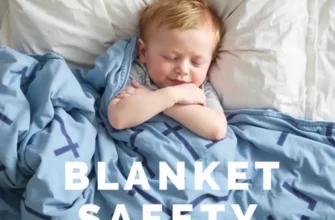
The most critical warning involves infants. You should never use a weighted blanket for a baby. Infants do not have the motor skills or muscle strength to move a heavy blanket if it covers their face, posing a significant risk of suffocation or SIDS. Similarly, those with certain physical limitations must approach these products with caution.
- No Infants: Weighted blankets are strictly for children over the age of 2 (and often older, depending on weight). Never place a weighted item in a crib.
- Mobility Requirements: The user must be able to remove the blanket themselves without assistance.
- Respiratory Health: Individuals with asthma, sleep apnea, or COPD should consult a doctor, as the weight on the chest can restrict deep breathing.
- Skin Integrity: Ensure the fabric does not cause friction or pressure sores on those with sensitive skin.
Who Should Avoid Weighted Blankets?
Beyond infants, individuals with low bone density or osteoporosis should be cautious. The concentrated pressure of 15 to 20 pounds can be painful or even dangerous for fragile skeletal structures. In these cases, a therapy weighted lap blanket is often a much safer alternative. It provides the calming benefits of pressure on the legs without putting a load on the ribcage or spine.
Pediatric sleep safety is another area where professional guidance is non-negotiable. If you are considering a blanket for a child with ADHD or autism, consult an occupational therapist first. They can recommend the exact weight and usage duration to ensure the child receives the sensory benefits without any risk of physical strain or entrapment.
Maintenance and Care: How to Handle Spills and Accidents
Weighted blankets are an investment, and proper care is essential to maintain their structural integrity. Because they are significantly heavier than standard duvets, cleaning them requires a different approach. You cannot simply toss a 20-lb blanket into a standard residential washing machine without checking the machine’s weight capacity first, as the heavy load can easily damage the washer’s suspension or motor.
Accidents happen, whether it is a spilled drink or a pet-related mishap. If you find yourself needing to clean a “pee on weighted blanket” situation, time is of the essence. Using an enzymatic cleaner is the most effective way to break down organic proteins and eliminate odors without damaging the delicate glass beads or the fabric fibers.
Deep Cleaning Your Weighted Blanket
The best way to protect your blanket is to use a removable duvet cover. This allows you to wash the outer layer frequently while keeping the heavy inner core clean. However, if the inner layer needs a wash, always use cold water and a gentle cycle. High heat can damage the reinforced stitching or cause certain types of fillers to degrade.
When drying, avoid hanging the blanket by its corners. The weight of the wet beads will pull on the seams and can cause the internal pockets to tear. Instead, lay the blanket flat on a clean surface or use a large-capacity dryer on a low-heat setting. Brands like Quilty and Gravity are designed to be durable, but frequent machine washing of the weighted insert should be avoided to prolong its lifespan.
The Verdict: Selecting Your Perfect Sleep Companion
Finding the top weighted blanket is a subjective journey that ends when you find the perfect balance of weight, temperature control, and material quality. Whether you are looking for a specialized Chiefs weighted blanket to show team spirit or a high-performance cooling model, the core principles of weight distribution and safety remain the same.
Pro Tip: If you are unsure about committing to a full-sized blanket, start with a weighted lap pad. It is an affordable way to test your body’s reaction to deep pressure stimulation before investing in a queen-size model.
- Prioritize stitching: Look for double-reinforced seams to prevent bead leakage.
- Match the climate: Low tog for summer, minky for winter.
- Respect the 10% rule: Don’t overdo the weight; more isn’t always better.
- Safety first: Keep weighted products away from infants and those with restricted mobility.
In my professional experience, I have seen weighted blankets serve as transformative tools for sensory regulation, but they must be used as part of a comprehensive sleep hygiene strategy. I always advise my clients to start with shorter durations—perhaps 20 minutes before bed—to allow the nervous system to acclimate to the pressure. For those with bone density concerns or frailty, I recommend focusing on a therapy weighted lap blanket during the day rather than a full-sized blanket at night. This provides the proprioceptive input needed to lower anxiety without the risks associated with heavy overnight loads. Remember, the goal is comfort and regulation, not restriction.
Frequently Asked Questions
No. Weighted blankets are unsafe for infants and toddlers under age two due to the risk of suffocation and SIDS. Always consult a pediatrician before introducing one to a child over two.
What is a low tog weighted blanket and do I need one?
A low tog blanket has low thermal resistance, meaning it traps less heat. You need one if you are a hot sleeper or plan to use the blanket during summer months.
How do I choose the right weighted blanket for my body weight?
Follow the 10% rule: choose a blanket that is approximately 10% of your total body weight, plus or minus a pound or two based on personal comfort.
Are weighted blankets safe for people with low bone density?
They should be used with extreme caution. Heavy pressure can cause discomfort or injury to fragile bones; medical consultation is strongly advised before use.
How do I clean a weighted blanket if an accident occurs?
Spot-treat the area immediately with a mild detergent or enzymatic cleaner. Use a removable duvet cover to minimize the need for washing the heavy inner core.
Is there a difference between brands like REI and Quilty?
Yes. REI typically focuses on rugged, durable materials for outdoor or travel use, while Quilty specializes in home bedding with a focus on gridded weight distribution.