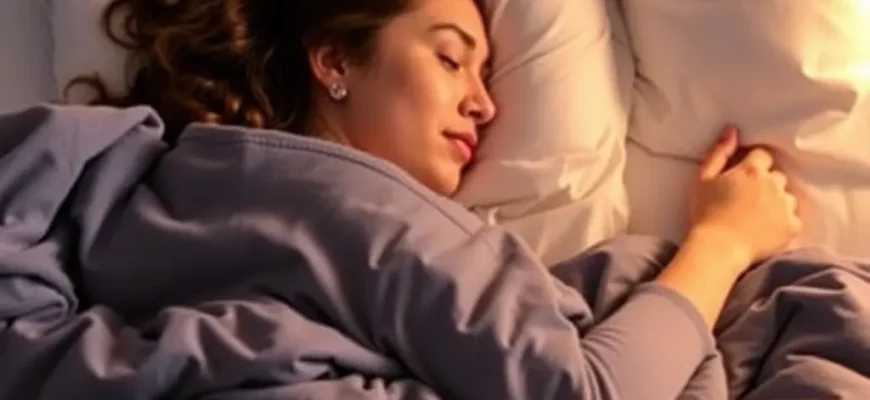
- Understanding the Link Between a Weighted Blanket and Sleep Quality
- How Deep Pressure Stimulation Calms the Nervous System
- Overcoming the Cycle of Insomnia and Sleeplessness
- Solutions for Adults Struggling with Chronic Insomnia
- Calming the Body: Solutions for Tossing, Turning, and Restless Legs
- Why a Weighted Blanket for Restless Legs Actually Works
- Specialized Needs: From Sleepwalking to Sound Isolation
- Can a Weighted Blanket Help with Sleepwalking and Parasomnias?
- Finding Your Perfect Fit: Temperature and Sleep Position
- Strategies for Cold Sleepers vs. Hot Sleepers
- Optimizing the Sensory Experience: Beyond the Blanket
- The Role of Gravity Weighted Sleep Masks in Deep Rest
- Frequently Asked Questions
Understanding the Link Between a Weighted Blanket and Sleep Quality
The relationship between heavy bedding and physiological relaxation is rooted in the way our tactile system processes external stimuli. When you drape a heavy layer over your body, you aren’t just adding warmth; you are providing the brain with consistent, calming signals that suggest safety and stability.
This sensation mimics the therapeutic technique of firm manual pressure, which has been used for decades to help individuals regulate their emotional and physical states. By applying even weight across the body, these blankets help the user feel “grounded,” reducing the internal noise that often prevents the onset of rest.
How Deep Pressure Stimulation Calms the Nervous System
Deep Pressure Stimulation, or DPS, is the primary mechanism that makes weighted blankets for better sleep so effective. This process works by shifting the body’s autonomic nervous system from a state of sympathetic dominance—often called the fight-or-flight response—into a parasympathetic state.
In a parasympathetic state, your heart rate slows down, your breathing becomes more rhythmic, and your muscles begin to release accumulated tension. This transition is essential for improving weighted blanket and sleep quality because it signals to the brain that the environment is secure enough for deep, restorative rest.
The physical pressure also triggers a chemical chain reaction within the endocrine system. Studies have shown that gentle, firm pressure can boost the production of serotonin, a neurotransmitter that stabilizes mood and serves as a precursor to melatonin.
By increasing serotonin levels naturally, the body can more easily regulate its internal clock, or circadian rhythm. Furthermore, the reduction in cortisol—the hormone responsible for alertness and stress—allows the brain to exit the state of hyperarousal that often leads to middle-of-the-night awakenings.
Overcoming the Cycle of Insomnia and Sleeplessness
Insomnia is rarely just about being unable to sleep; it is often a psychological battle against the anxiety of being awake. The “cocooning” effect of a weighted blanket provides a physical boundary that reduces the feeling of vulnerability many people experience in the dark.
This sense of enclosure helps to quiet the “monkey mind,” the racing thoughts that keep the brain active long after the lights go out. By providing a constant, unchanging sensory input, the blanket acts as a physical anchor, making it harder for the mind to drift into anxious loops.
Myth: Weighted blankets are only for people with clinical sensory processing disorders.
Fact: Anyone experiencing high cortisol or nighttime anxiety can benefit, as the physiological response to deep pressure is a universal human trait.Myth: You need a blanket that is as heavy as possible to see results.
Fact: The 10% of body weight rule is a guideline, but comfort and the ability to move freely are more important for long-term sleep hygiene.
Solutions for Adults Struggling with Chronic Insomnia
For those dealing with chronic issues, a weighted blanket for adults insomnia serves as a powerful, non-pharmacological first step in a broader treatment plan. Unlike sedative medications, which can leave a person feeling groggy the next day, weighted therapy works with the body’s natural chemistry to induce a state of calm.
Using a weighted blanket for insomnia is particularly effective for breaking the cycle of sleep-onset anxiety. When the body feels the weight, it receives proprioceptive input that helps it understand where it is in space, which has a naturally sedating effect on the central nervous system.
This is why many users report falling asleep faster; the physical sensation of the blanket “shuts off” the physical restlessness that usually accompanies a busy mind. For adults, choosing a weight between 15 and 25 pounds is typically the sweet spot for achieving this grounding effect without feeling restricted;
Calming the Body: Solutions for Tossing, Turning, and Restless Legs
Physical restlessness is one of the most common barriers to achieving REM sleep. Whether it is the involuntary twitching of Restless Leg Syndrome (RLS) or a general habit of tossing and turning, excessive movement prevents the body from entering the deeper stages of the sleep cycle.
Weighted blankets address this by providing a gentle physical resistance that discourages unnecessary movement. This isn’t about pinning the sleeper down, but rather providing enough sensory feedback that the urge to move is diminished at a neurological level.
- Optimize your room temperature: Set the thermostat to 65-68 degrees Fahrenheit to counteract the added warmth of the blanket.
- Layer for weight, not heat: Use a cooling weighted blanket with glass beads if you are prone to night sweats.
- Apply weight early: Lie under the blanket for 20 minutes before you intend to sleep to prime your nervous system.
- Check magnesium levels: Pair weighted therapy with a magnesium supplement, as magnesium deficiency often exacerbates RLS.
- Consistent pressure: Ensure the blanket covers your feet entirely, as many RLS sensations originate in the lower extremities.
Why a Weighted Blanket for Restless Legs Actually Works
The effectiveness of a weighted blanket for restless sleep lies in its ability to provide inhibitory input to the brain. In the case of RLS, the nervous system is sending “phantom” signals of discomfort or the need to move.
By providing a real, heavy stimulus, the weighted blanket for restless legs effectively “drowns out” those erratic signals. This allows the legs to remain still, which in turn prevents the micro-awakenings that occur when you shift positions throughout the night.
Furthermore, a weighted blanket for tossing and turning helps maintain a consistent sleep posture. For many, the weight encourages back sleeping, which is often the most ergonomic position for spinal alignment.
By reducing the frequency of movement, you increase the duration of your “deep sleep” phases, which are critical for physical repair and memory consolidation. Reducing nighttime movement by even 20% can lead to a significant increase in morning alertness and overall energy levels.
Specialized Needs: From Sleepwalking to Sound Isolation
Beyond common insomnia, weighted therapy is being explored for more complex sleep behaviors known as parasomnias. Sleepwalking and night terrors often occur when the brain is stuck between sleep stages.
The grounding effect of a weighted blanket for sleepwalking can act as a physical deterrent, making it more difficult for a person to transition from a lying position to a standing one without fully waking up. This provides an added layer of safety for both the sleeper and their household.
The use of weighted blankets for sleep disorders also extends to those with high sensory sensitivity. For these individuals, the world is often too loud or too bright.
Weight provides a form of sensory deprivation that helps the brain “filter out” external noise and light. When paired with sound isolation techniques, such as white noise machines, the blanket creates a controlled sensory environment that is highly conducive to rest.
Can a Weighted Blanket Help with Sleepwalking and Parasomnias?
While more research is needed, many clinicians suggest that the “grounding” sensation of weight helps keep the sleeper in a deeper, more stable state of rest. For those who experience complex sleep behaviors, the blanket serves as a gentle physical boundary.
Safety is paramount here; it is essential that the user can easily remove the blanket themselves. For children, never use a weighted blanket that exceeds 10% of their weight plus one or two pounds, and always ensure they have the physical strength to push it off.
In cases of sound isolation, the psychological feeling of being “tucked in” securely can lower the startle response. If a loud noise occurs outside, a person under a weighted blanket is less likely to have a full-body jerk reaction.
This is because the nervous system is already in a “low-arousal” state, making it more resilient to external disruptions. This makes weighted blankets an excellent tool for people living in urban environments where silence is hard to come by.
Finding Your Perfect Fit: Temperature and Sleep Position
One of the biggest hurdles for new users is the fear of overheating. Since weighted blankets are denser than standard duvets, they naturally trap more heat. However, modern engineering has solved this by using materials like glass beads, which do not retain heat as much as plastic pellets or heavy cotton batting.
Your sleeping position also dictates how the weight should be distributed. A back sleeper can handle a very evenly distributed weight, whereas a side sleeper might find that a blanket that is too heavy puts pressure on their hips or shoulders.
| Feature | Cold Sleepers | Hot Sleepers |
|---|---|---|
| Fill Material | Plastic Poly-pellets (retains heat) | Micro-glass beads (breathable) |
| Outer Fabric | Minky or Fleece | Bamboo, Linen, or Tencel |
| Construction | Layered with polyester fill | Open-knit or moisture-wicking |
| Weight Distribution | Heavier for “cocoon” feel | Medium for airflow |
Strategies for Cold Sleepers vs. Hot Sleepers
If you are a weighted blanket for cold sleepers, you can opt for the traditional dual-layer designs that include a plush, removable cover. These blankets act as excellent insulators, trapping body heat while providing the necessary pressure.
For those who struggle with a weighted blanket for cold sleep, the weight itself can actually improve circulation over time, which may eventually help your body regulate its own temperature more effectively without the need for excessive layers.
Conversely, hot sleepers should look for “knitted” weighted blankets. These are made from heavy loops of fabric rather than filled pockets, allowing air to flow freely through the blanket.
For those who prefer a weighted blanket for back sleeping, the pressure is most beneficial when it is concentrated on the chest and thighs. Back sleepers should ensure the blanket is wide enough that it doesn’t pull tight against the sides of the bed, which can create a “tenting” effect that lets cold air in or unevenly distributes the weight.
Optimizing the Sensory Experience: Beyond the Blanket
To get the most out of weighted therapy, it should be viewed as one component of a total sensory environment. Sleep hygiene isn’t just about what you lie under; it’s about the signals you send your brain in the hour leading up to bed.
Combining weight with other tools, such as blackout curtains and cooling pillows, creates a “sleep sanctuary” that minimizes the chances of the brain being triggered into alertness.
The Role of Gravity Weighted Sleep Masks in Deep Rest
The use of gravity blankets gravity weighted sleep mask is a growing trend among high-performance sleepers. These masks apply gentle pressure to the ocular bones and the bridge of the nose, which can stimulate the vagus nerve.
The vagus nerve is a key player in the parasympathetic nervous system, and applying pressure to it can induce an almost immediate sense of relaxation. When you combine a weighted blanket for staying asleep with a weighted mask, you are attacking the problem of restlessness from two fronts.
Many companies now offer a weighted blanket free sleep mask as part of a bundle, recognizing that the combination of total darkness and gentle facial pressure is a “cheat code” for deep rest.
The mask prevents the eyes from moving rapidly during light sleep stages, which can sometimes help in transition into deeper REM cycles. By creating a total sensory blackout, you are giving your circadian rhythm the best possible chance to reset, regardless of what is happening in the world outside your bedroom.
In my professional experience as a sleep specialist, I have seen weighted blankets transform the lives of patients who previously relied solely on pharmaceutical aids. The clinical evidence, particularly the research published in the Journal of Sleep Medicine and Disorders, highlights a significant reduction in cortisol levels—sometimes by as much as 30%—when deep pressure is applied consistently. I always advise my clients to view a weighted blanket not as a magic wand, but as a “neurological anchor.” It is most effective when integrated into a broader routine, such as dimming lights 60 minutes before bed and maintaining a consistent wake-up time. For men, who often carry stress in the neck and shoulders, and for women who may experience hormonal sleep disruptions, the blanket serves as a non-invasive way to lower the heart rate and prepare the body for the heavy lifting of cellular repair that only happens during deep sleep.
Frequently Asked Questions
The standard recommendation is 10% of your total body weight. However, if you struggle with severe sleeplessness, many adults find that a slightly heavier blanket—up to 12% or 15%—provides the extra grounding needed to quiet a racing mind.
Is a weighted blanket safe for someone who sleepwalks?
Yes, it is generally safe and can even be beneficial by providing a grounding sensation that discourages rising from bed. However, for severe parasomnias, you should always consult a physician to ensure there are no underlying respiratory or mobility issues.
Can men with sleeping problems benefit from weighted therapy?
Absolutely. Men often experience high levels of stress-induced cortisol, and the calming effect of weighted therapy helps lower the heart rate and blood pressure, making it easier to transition from work-mode to rest-mode.
Are weighted blankets too hot for cold sleepers?
Not at all. For cold sleepers, the density of a weighted blanket provides excellent insulation. If you are a hot sleeper, you simply need to choose a version made with breathable fabrics like bamboo or an open-knit design.
How do weighted blankets help with restless legs (RLS)?
The blanket provides constant inhibitory input to the nervous system. This “fills” the sensory pathways, which reduces the brain’s perception of the creepy-crawly sensations associated with RLS, allowing the muscles to relax.
What is the best weighted blanket for girls with insomnia?
The best choice is a blanket with a soft, sensory-friendly cover (like minky fabric) that weighs no more than 10% of her body weight. Safety and the ability to move the blanket independently are the most important factors.