- How Does a Weighted Blanket Help You Sleep? The Biology of Calm
- From Cortisol to Serotonin: What Happens Inside Your Body
- Falling Asleep vs. Staying Asleep: Can Weight Fix Your Sleep Cycle?
- Reducing Nighttime Restlessness and Toss-and-Turn Cycles
- Are Weighted Blankets Good for Side and Stomach Sleepers?
- Finding the Right Weight Distribution for Your Frame
- Safety First: Does a Weighted Blanket Help a Child Sleep Safely?
- Age Guidelines and Weight Limits for Toddlers and Kids
- Maximizing the Benefit: How to Choose Your Ideal Sleep Weight
- Glass Beads vs. Plastic Pellets: Which Fosters Better Sleep?
- Expert Perspective: Sensory Sleep Aids
- Frequently Asked Questions
How Does a Weighted Blanket Help You Sleep? The Biology of Calm
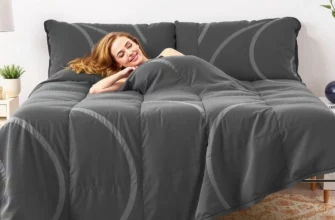
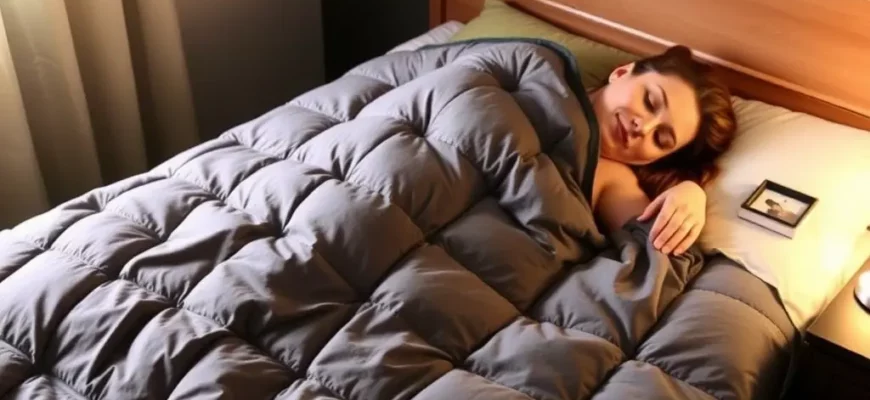
The sensation of a heavy blanket is more than just a cozy addition to your bedding; it is a therapeutic tool that leverages the science of Deep Pressure Stimulation (DPS). By applying gentle, distributed weight across the entire body, these blankets mimic the feeling of being hugged or swaddled, which sends a direct signal to the brain that the environment is safe and secure. This physical input shifts the body away from a state of hyper-vigilance and into a restorative mode, allowing the mind to quiet down after a long day.
For many individuals, the difficulty in resting stems from an overactive sympathetic nervous system, often referred to as the fight-or-flight response. When you lie under a weighted blanket, the tactile input provides what clinicians call proprioceptive input, helping you feel more grounded in your physical space. This grounding effect is a cornerstone of nervous system regulation, providing a non-pharmacological way to lower stress levels and prepare the body for the metabolic shifts required for high-quality rest.
From Cortisol to Serotonin: What Happens Inside Your Body
When the body experiences deep pressure, it undergoes a chemical transformation that directly influences your mood and sleep-wake cycle. The pressure stimulates the production of serotonin, a neurotransmitter that serves as a precursor to melatonin, the hormone responsible for regulating your internal clock. By boosting these natural sleep chemicals, the blanket helps facilitate a smoother transition into unconsciousness without the grogginess often associated with over-the-counter aids.
Simultaneously, the use of weight has been shown to assist in lowering cortisol levels, the primary hormone associated with stress and alertness. High cortisol levels at night are a leading cause of sleep onset insomnia, as they keep the brain in a state of high alert. By calming the nervous system and suppressing these stress signals, a weighted blanket creates a biological “green light” for the body to enter the rest-and-digest phase, making it significantly easier to achieve a state of deep relaxation.
Falling Asleep vs. Staying Asleep: Can Weight Fix Your Sleep Cycle?
While many people focus on how long it takes to drift off, the quality of your rest is often determined by your ability to stay asleep throughout the night. Weighted blankets address both of these challenges by providing a consistent sensory experience that prevents the brain from being easily jarred by minor environmental changes. Whether it is a partner moving in bed or a sudden noise outside, the physical weight acts as a sensory buffer that keeps your sleep architecture intact.
The following table illustrates how common sleep disruptions are countered by the specific mechanics of weighted pressure, highlighting the difference between standard bedding and a weighted system.
| Common Sleep Struggle | Weighted Blanket Mechanism | Long-Term Sleep Benefit |
|---|---|---|
| Difficulty “switching off” the brain at bedtime | Deep Pressure Stimulation triggers serotonin release | Reduced sleep onset latency (falling asleep faster) |
| Excessive movement and restless legs | Physical weight limits involuntary limb movement | Uninterrupted rest and fewer micro-awakenings |
| Waking up at 3:00 AM due to anxiety | Cortisol reduction and vagus nerve stimulation | Improved sleep maintenance and emotional regulation |
| Feeling “unprotected” or exposed in bed | Grounding effect and mimicking of a protective hug | Increased feelings of psychological safety and security |
Reducing Nighttime Restlessness and Toss-and-Turn Cycles
Physical restlessness is one of the most significant barriers to reaching the deeper sleep stages, such as REM and slow-wave sleep. When you frequently toss and turn, you are essentially resetting your sleep cycle, preventing your brain from performing the vital “housekeeping” tasks that occur during deep rest. A weighted blanket provides a gentle physical restriction of movement, which discourages the constant repositioning that leads to fragmented sleep patterns.
This sense of groundedness is particularly beneficial for those who suffer from nighttime restlessness or sensory processing issues. By providing a constant, unchanging sensory input, the blanket helps the brain filter out other distracting stimuli. This allows for a more stable progression through the various stages of sleep, ensuring that you wake up feeling physically restored rather than exhausted from a night of movement. To achieve the best results, ensure the weight is distributed evenly across your limbs to prevent any single area from feeling over-compressed.
Are Weighted Blankets Good for Side and Stomach Sleepers?
The effectiveness of a weighted blanket is heavily dependent on your preferred sleeping position, as the way weight interacts with your joints and spine changes when you shift from your back to your side or stomach. While back sleepers benefit from the most even distribution of weight, side and stomach sleepers must be more intentional about the specifications of their blanket to avoid morning aches or alignment issues. Understanding how to balance pressure with posture is key to long-term comfort.
If you are a side or stomach sleeper, follow these guidelines to ensure your blanket supports your body without causing unnecessary strain.
- Choose a blanket that is roughly 10% of your body weight, but consider leaning toward the lighter side if you are a dedicated side sleeper.
- Ensure your blanket is large enough to cover your entire body without hanging too far off the edges of the bed, which can create a “pulling” sensation on your joints.
- Side Sleepers: Use a pillow between your knees to maintain spinal alignment, as the added weight of the blanket can otherwise force your top hip to collapse inward.
- Stomach Sleepers: Opt for a blanket with smaller weight pockets (quilted squares) to prevent the filling from bunching up around your chest and neck.
- Avoid using a weighted blanket that is too heavy if you have existing shoulder or hip pain, as the localized pressure can exacerbate inflammation.
Finding the Right Weight Distribution for Your Frame
The standard recommendation for most adults is to select a blanket that is approximately 10% of their total body weight. However, this is not a one-size-fits-all rule, especially for those with smaller frames or specific orthopedic concerns; For side sleepers, the weight tends to concentrate on the hips and shoulders rather than being spread across the broad surface of the back. This concentrated pressure can sometimes lead to joint discomfort if the blanket is too heavy for your specific bone structure.
When selecting your gear, look for options that feature high-density stitching. This ensures that the internal beads—whether glass or plastic—stay in their designated pockets rather than shifting to the sides. Proper weight distribution is essential for maintaining joint pressure relief and ensuring that your comfortable sleep positions remain sustainable throughout the night. If you find yourself waking up with sore shoulders, try reducing the blanket weight by 2-3 pounds to see if the pressure is the primary culprit.
Safety First: Does a Weighted Blanket Help a Child Sleep Safely?
Weighted blankets can be life-changing for children with ADHD, autism, or general anxiety, but they come with strict safety protocols that must be followed. Unlike adults, children have different respiratory strengths and physical capabilities, meaning a blanket that feels “just right” to a parent could be dangerous for a small child. Safety is the absolute priority when introducing sensory sleep aids into a child’s routine, and it begins with age-appropriate selection.
The most important rule for child sleep safety is that the user must be able to remove the blanket independently. If a child does not have the motor skills or strength to push the blanket off their face or body, it poses a significant suffocation risk. For this reason, weighted blankets should never be used for infants or toddlers under the age of two, and pediatric recommendations usually suggest waiting until the child is even older and has reached specific developmental milestones.
Age Guidelines and Weight Limits for Toddlers and Kids
When determining the appropriate weight for a child, the 10% rule still applies, but many experts suggest adding only one or two pounds beyond that calculation. For a 50-pound child, a 5-pound to 7-pound blanket is typically the maximum safe limit. It is also vital to ensure the blanket is sized specifically for a child’s bed; using a full-sized adult weighted blanket on a twin-sized child’s bed is dangerous because the excess weight hanging off the sides can create a “pinning” effect, making it difficult for the child to move.
Before implementing a weighted blanket into your child’s sleep hygiene routine, a consultation with a pediatrician or an occupational therapist is highly recommended. These professionals can provide tailored advice based on the child’s muscle tone, respiratory health, and sensory needs. Always supervise the first few uses of a new blanket to ensure your child is comfortable and can move freely beneath the weight without any signs of distress or difficulty breathing.
Maximizing the Benefit: How to Choose Your Ideal Sleep Weight
Buying a weighted blanket involves more than just picking a color; the materials used for the filling and the outer cover will dictate whether you stay asleep or wake up in a sweat. A common reason people abandon weighted blankets is “sleeping hot,” which occurs when the materials used do not allow for adequate airflow. To maximize the therapeutic benefits, you need a combination of the right weight and breathable sleep gear that matches your body’s natural temperature regulation.
Pro Tip: To avoid the most common buying mistakes, never purchase a weighted blanket that is not machine washable or does not come with a removable cover. The added weight makes hand-washing nearly impossible and can lead to hygiene issues over time.
Glass Beads vs. Plastic Pellets: Which Fosters Better Sleep?
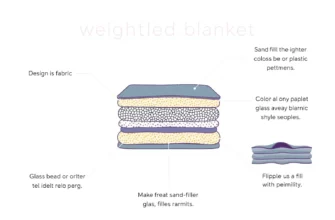
The internal filling of the blanket is what provides the weight, and the two most common options are glass microbeads and plastic poly-pellets. Glass beads are generally considered the premium choice for high-quality sleep. They are much smaller and denser than plastic pellets, which allows the blanket to be thinner and more flexible. This flexibility helps the blanket contour more closely to your body, providing a more consistent “hug” sensation. Additionally, glass does not retain heat as much as plastic, making them ideal for cooling weighted blankets.
Plastic pellets, on the other hand, are often larger and can create a “bumpy” texture that some sensory-sensitive individuals find distracting. They also tend to be noisier when you move, which can be a drawback for light sleepers. If you are looking for sensory friendly fabrics, consider covers made from bamboo, eucalyptus, or high-thread-count cotton. These breathable materials work in tandem with glass beads to ensure that you get the benefits of deep pressure without the discomfort of overheating during the night.
Expert Perspective: Sensory Sleep Aids
In my professional experience working with clients who struggle with sensory processing disorder and high-stress lifestyles, I have found that the “grounding” effect of a weighted blanket is one of the most effective non-medical interventions for sleep. I always advise my patients to think of a weighted blanket as a “nervous system reset.” For those with ADHD or Autism, the brain often struggles to filter out background sensory noise. The consistent, heavy input of a weighted blanket provides a singular, calming focal point for the nervous system, which effectively “mutes” the distractions that keep the mind racing. I recommend starting with 15-minute sessions during the day to desensitize the body before committing to a full night of use, as this helps the brain associate the weight with relaxation rather than restriction.
Frequently Asked Questions
For most adults, the ideal weight is 10% of your total body weight. If you fall between sizes, it is usually safer to round up by one or two pounds rather than going too light, provided you have no joint or respiratory issues.
Can you use a weighted blanket every night?
Yes, it is perfectly safe for nightly use for healthy adults. However, you should ensure you are not becoming overly dependent on it by occasionally sleeping without it to maintain your body’s natural ability to self-soothe.
Do weighted blankets make you too hot during the night?
Some models can trap heat, but choosing a blanket with glass beads and a bamboo or cotton cover will significantly improve breathability and temperature regulation compared to plastic fillers and polyester covers.
Are weighted blankets safe for people with sleep apnea?
Caution is required. Because the weight can put extra pressure on the chest and lungs, individuals with sleep apnea, asthma, or COPD should consult a doctor before use, as it may interfere with breathing during the night.
How long does it take to get used to a weighted blanket?
Most users require an adjustment period of 7 to 14 days. I suggest using the blanket over just your legs for the first few nights before pulling it up to your chest to allow your sensory system to adapt gradually.