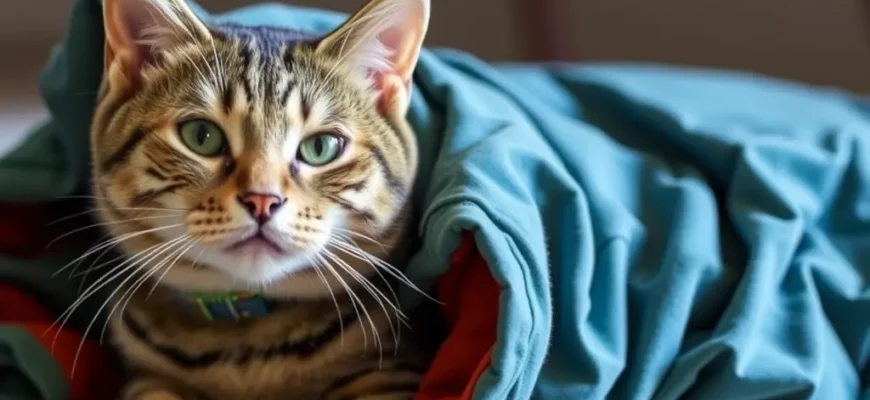
- Is a Cat Weighted Blanket Safe? Understanding the Risks and Rewards
- The 10% Rule: How Heavy is Too Heavy for a Feline?
- From Memes to Reality: Why Your Cat Loves Hiding Under Weighted Covers
- The Burrowing Instinct: Why Felines Seek Out Compression
- The Play Zone: Why Your Cat Attacks the Weighted Blanket
- Prey Drive and Internal Fillers: The Sound of The Hunt
- Choosing a Cat-Proof Weighted Blanket: Materials and Durability
- Claw-Resistant Fabrics and Reinforced Stitching
- Maintenance and Hygiene: When Your Cat Mistakes the Blanket for a Litter Box
- How to Clean Accidents and Remove Odors from Heavy Fabric
- Top Features to Look for in a Cat-Friendly Weighted Blanket
- Frequently Asked Questions
Is a Cat Weighted Blanket Safe? Understanding the Risks and Rewards
Weighted blankets have become a staple for human anxiety management, but their transition into the feline world requires a nuanced understanding of animal physiology. While the concept of using deep pressure to calm a nervous system is scientifically sound, applying a product designed for a 150-pound human to a 10-pound predator can lead to disastrous outcomes. Safety in this context isn’t just about comfort; it is about protecting the basic biological functions of your pet.
The core mechanism at play is Deep Pressure Stimulation (DPS). In humans, this pressure encourages the release of serotonin and dopamine, but in cats, the threshold for therapeutic pressure is incredibly narrow. When applied correctly, it can soothe a cat during a thunderstorm or a move. When applied incorrectly, it becomes a physical hazard that can impede movement and breathing.
The 10% Rule: How Heavy is Too Heavy for a Feline?
The most critical metric for any pet owner is the weight ratio. In the world of veterinary safety, a weighted accessory should never exceed 10% of the animal’s total body weight. For a standard 10-pound domestic shorthair, this means the blanket should weigh no more than one pound. Most commercial weighted blankets for humans start at five or ten pounds, which represents 50% to 100% of a cat’s weight—a load equivalent to a human trying to sleep under a mattress.
Exceeding this weight limit introduces the risk of feline respiratory restriction. Cats have relatively fragile rib cages and rely on the unobstructed movement of their diaphragm to breathe. A heavy duvet can compress the thoracic cavity, making every breath an exhausting struggle. Furthermore, if a cat becomes trapped under a heavy blanket and cannot maneuver out, they face a legitimate risk of suffocation or heatstroke, as their ability to regulate body temperature is hindered by the dense filler material.
From Memes to Reality: Why Your Cat Loves Hiding Under Weighted Covers
Social media is flooded with images of “flat cats” emerging from beneath heavy covers, often looking dazed or incredibly cozy. This behavior isn’t just a quirk; it is a manifestation of deep-seated evolutionary instincts. Understanding why your cat seeks out these heavy environments helps you distinguish between a healthy desire for security and a dangerous situation.
Myth: Cats only hide under blankets when they are scared or sick.
Fact: While hiding can be a sign of illness, many healthy cats seek out compression because it mimics the physical security of a den, lowering their heart rate and reducing systemic cortisol levels.
The Burrowing Instinct: Why Felines Seek Out Compression
Domestic cats are both predators and prey in the wild. This dual nature drives a “denning” instinct, where they seek out small, enclosed spaces to sleep securely. A weighted blanket provides a sensation of being “swaddled,” which provides proprioceptive input—the brain’s way of understanding where the body is in space. For an anxious cat, this constant physical feedback acts as a grounding mechanism, effectively “quieting” a hyper-reactive nervous system.
You might notice a cat waking up from a weighted blanket session looking particularly relaxed. This is because the pressure has likely stimulated the production of oxytocin. However, the cat must always have the ability to exit the environment without assistance. If the blanket is so heavy that the cat struggles to crawl out, the psychological benefit is immediately replaced by a panic response, which can lead to a spike in heart rate and potential injury as they struggle against the weight.
The Play Zone: Why Your Cat Attacks the Weighted Blanket
While some cats find peace under the covers, others view a weighted blanket as a giant, interactive toy. If you’ve ever seen a cat pouncing on a weighted blanket while you move your feet underneath, you are witnessing their high prey drive in action. The construction of these blankets makes them uniquely attractive to hunters.
The internal fillers, usually glass beads or plastic pellets, create a specific tactile and auditory experience. When the blanket moves, these thousands of tiny beads shift and rub against one another. To a human, it’s a soft rustle; to a cat’s sensitive ears, it mimics the sound of small rodents or insects moving through dry leaves or grass. This sound triggers an immediate predatory strike, leading to the “bunny kicking” and biting behaviors many owners observe.
Prey Drive and Internal Fillers: The Sound of The Hunt
The problem with a cat attacking a weighted blanket isn’t just the destruction of the fabric; it’s the potential for a “filler leak.” If a cat’s claws penetrate the inner lining, the beads can spill out. Glass beads are generally non-toxic but represent a significant choking hazard and can cause internal blockages if ingested during grooming. Plastic pellets are equally dangerous if swallowed.
To mitigate this, you must monitor play sessions. If your cat is obsessed with the movement of the beads, they are likely to eventually puncture the shell. Traditional cotton covers are no match for a cat’s keratin-sheathed claws. Protecting the longevity of your investment requires choosing materials that can withstand the high-velocity impact of a pouncing feline.
Choosing a Cat-Proof Weighted Blanket: Materials and Durability
If you are sharing your bed with a cat or buying a small lap-pad specifically for them, durability is the primary concern. A standard “cat print weighted blanket” might look cute, but if the outer shell is a loose-weave polyester, it will be shredded within a week. You need to look for technical fabrics designed for high-traffic use.
| Fabric Type | Cat-Proof Rating | Pros/Cons |
|---|---|---|
| Cotton (Low Thread Count) | Poor | Breathable but easily snagged by claws; fillers can leak quickly. |
| Minky/Fleece | Moderate | Very comfortable and hides snags well, but traps cat hair and dander excessively. |
| Ballistic Nylon / Canvas | Excellent | Highly resistant to punctures; virtually impossible for a cat to shred. |
| High-Density Bamboo | Good | Naturally antimicrobial and cool, but requires a protective duvet cover. |
Claw-Resistant Fabrics and Reinforced Stitching
When shopping, prioritize blankets with “quilted pocket” construction. This means the weight is distributed into small, sewn-off squares. This is vital because if a cat does manage to puncture one section, you only lose a small amount of filler rather than the entire blanket’s contents. Furthermore, look for reinforced double-stitching along the seams, as these are the areas most vulnerable to feline “kneading” or “making biscuits.”
The outer shell should ideally be a tight weave. A thread count of 400 or higher in cotton, or a heavy-duty synthetic blend, creates a surface that claws cannot easily penetrate. If you already own a blanket and want to protect it, investing in a heavy-duty canvas duvet cover is the most cost-effective way to prevent damage from daily feline interactions.
Maintenance and Hygiene: When Your Cat Mistakes the Blanket for a Litter Box
One of the most frustrating issues owners face is the “sand in weighted blanket cat pee” scenario. Cats are very sensitive to the texture of their substrate. Some weighted blankets use a fine, sand-like filler that, when stepped on, feels remarkably like the litter in their box. This tactile similarity can confuse a cat, leading to inappropriate urination on an expensive piece of bedding.
Cleaning a weighted blanket is significantly more difficult than cleaning a standard comforter. Because of the weight, most home washing machines cannot handle the load, and the internal fillers can take days to dry, leading to mold or mildew growth if not handled correctly. If an accident happens, speed and the right chemistry are your only allies.
How to Clean Accidents and Remove Odors from Heavy Fabric
To effectively remove cat urine, you must use an enzymatic cleaner specifically designed to break down uric acid crystals. Standard detergents only mask the smell to humans, but the cat’s superior nose will still detect the “scent mark,” prompting them to return to the same spot. Saturate the area, let it sit for the recommended time, and then blot—never scrub—the moisture out.
Drying is the biggest challenge. Avoid high heat, as this can melt plastic pellets or damage the structural integrity of the fabric. If the blanket is machine washable, use a commercial-grade machine at a laundromat that can handle the poundage. For spot cleaning, use a wet-vac to pull moisture through the filler. Always ensure the blanket is 100% dry before putting it back into use, as the dense core can harbor bacteria in damp conditions.
Top Features to Look for in a Cat-Friendly Weighted Blanket
Selecting the right product involves balancing your comfort with your pet’s safety. If you intend to let your cat interact with the blanket, these features are non-negotiable for a long-lasting, safe experience.
- Removable, Waterproof Cover: A waterproof inner liner protects the expensive weighted core from urine, vomit, or spilled water.
- Glass Bead Fillers: Unlike plastic or sand, glass beads are denser (making the blanket thinner) and do not retain odors or heat as much.
- Small Square Quilting: Ensure the pockets are no larger than 4×4 inches to prevent weight shifting, which can cause sudden, uneven pressure on a cat.
- Breathable Outer Shell: Cats have a higher body temperature than humans; choose cotton or bamboo to prevent overheating during long naps.
- Machine Washable Label: Verify that the entire unit, or at least the inner weighted section, can be cleaned without professional services.
In my professional experience, I have seen both the incredible benefits and the hidden dangers of heavy bedding in multi-pet households. I always advise owners to perform the ‘Two-Finger Test’: if you cannot easily slide two fingers between the blanket and your cat’s body while they are under it, the blanket is too heavy. Furthermore, I strictly recommend that a cat must always have a clear, unassisted exit path. Never tuck the edges of a weighted blanket under a mattress if your cat is underneath, as this creates a trap. Always monitor for signs of distress, such as open-mouth breathing or excessive grooming after emerging, which can indicate the cat felt overwhelmed or overheated by the pressure.
Frequently Asked Questions
No, it is extremely dangerous. A 15lb blanket is likely heavier than the cat itself, which can lead to thoracic compression, broken ribs, or suffocation. Stick to the 10% weight rule.
Why does my cat attack my weighted blanket when I move my feet?
The shifting of internal beads creates a rustling sound that mimics the movement of prey, triggering your cat’s innate hunting and pouncing instincts.
Are the glass beads inside weighted blankets toxic to cats?
The beads themselves are non-toxic, but if the blanket is torn, they become a severe choking hazard and can cause life-threatening intestinal blockages if swallowed.
How do I make my weighted blanket cat-proof?
The best method is to use a duvet cover made from high-denier nylon or heavy canvas, which prevents claws from reaching the delicate inner shell.
What should I do if my cat pees on my sand-filled weighted blanket?
You must use an enzymatic cleaner immediately to break down the proteins; Be aware that sand-filled blankets are notoriously difficult to dry and may require professional cleaning.
Is there a specific cat weighted blanket I can buy?
While few are made just for cats, you should search for “weighted lap pads” or “travel weighted blankets” in the 1 to 3-pound range with washable covers.