- The Golden Rule: How to Calculate What Size Weighted Blanket You Need
- The 10% Plus One Formula for Adults
- Quick Reference: A Weight Chart for Every Body Type
- Finding the Right Fit for 100lb to 250lb Adults
- Choosing a Weighted Blanket for Kids: Safety First
- Weight Limits for Toddlers and School-Aged Children
- Physical Dimensions: Should the Blanket Match Your Bed Size?
- How Wide and Long Should Your Blanket Be?
- The In-Between Dilemma: Should You Round Up or Down?
- Deciding Between a 15lb and 20lb Blanket
- Specialized Needs: Aspergers, Sensory Processing, and Large Frames
- Recommended Sizing for Adults with Sensory Sensitivities
- Frequently Asked Questions
The Golden Rule: How to Calculate What Size Weighted Blanket You Need
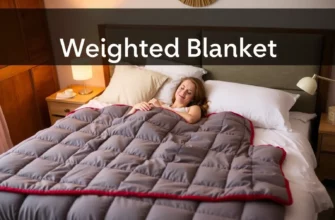
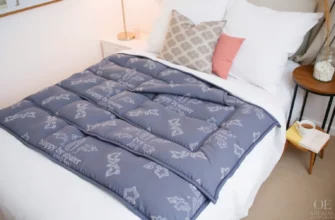
Finding the right weighted blanket is not about matching your duvet size; it is a calculation based on your own biology. The goal is to achieve Deep Pressure Stimulation, a therapeutic technique that mimics the feeling of being hugged or held to calm the nervous system.
When you ask what size weighted blanket should I get, you must consider both the physical mass and the surface area. If the weight is spread too thin across a massive fabric, you lose the grounding effect that helps regulate sensory processing and improves sleep quality.
The 10% Plus One Formula for Adults
The standard industry recommendation for adults is to select a blanket that weighs approximately 10% of your total body weight. This ratio provides enough pressure to trigger the release of serotonin and melatonin without feeling restrictive or causing physical discomfort during the night.
For those who fall between standard manufactured sizes, many users find success with the 10% plus one or two pounds formula. If you weigh 155 pounds, a 15-pound blanket is the baseline, but rounding up to a 17-pound option can offer a more pronounced calming effect if you are not prone to joint pain or claustrophobia.
It is vital that the weight remains centered on your body rather than the mattress. When determining how big should a weighted blanket be, remember that excess fabric hanging over the sides of the bed will create a gravitational pull, dragging the blanket off you and potentially causing muscle strain as you try to pull it back up.
Quick Reference: A Weight Chart for Every Body Type
Choosing the correct weight is the most important factor in ensuring the blanket actually works for anxiety relief and sleep induction. Most manufacturers produce blankets in 5-pound increments, which can make the decision difficult if your weight does not land perfectly on a 10% mark.
| Body Weight (lbs) | Recommended Blanket Weight (lbs) | Ideal Blanket Dimensions (Inches) |
|---|---|---|
| 100 ⎼ 120 lbs | 10 ー 12 lbs | 48″ x 72″ (Individual) |
| 130 ー 150 lbs | 15 lbs | 48″ x 72″ or 60″ x 80″ |
| 160 ⎼ 190 lbs | 17 ー 20 lbs | 60″ x 80″ |
| 200 ー 230 lbs | 20 ⎼ 25 lbs | 60″ x 80″ |
| 240 ⎼ 260+ lbs | 25 ー 30 lbs | 60″ x 80″ or King Size |
Finding the Right Fit for 100lb to 250lb Adults
For a 120lb adult, a 12lb blanket is usually the “sweet spot.” It provides enough proprioceptive input to settle the nervous system while remaining light enough to toss off easily in the morning. If you weigh 150 lbs, a 15 lb weighted blanket is the perfect match, though some users in this bracket prefer the 20 lb option for a “heavy-duty” grounding experience.
When looking at what size weighted blanket for 200 pounds, the 20 lb option is the standard, but individuals with large frames or high sensory thresholds often benefit from moving up to 25 lbs. For those at 250 lbs or above, look for specialized brands that offer 30 lb blankets filled with high-density glass beads, which provide weight without excessive bulk.
If you are a 170lb adult, you face a choice between 15 lbs and 20 lbs. In my experience, side sleepers should lean toward the lighter 15 lb option to avoid putting too much pressure on the hips and shoulders, whereas back sleepers often find the 20 lb version more effective at preventing tossing and turning.
Choosing a Weighted Blanket for Kids: Safety First
Pediatric use of weighted blankets requires much stricter adherence to safety guidelines than adult use. Children have smaller respiratory systems and less muscle strength, making the risk of entrapment or breathing restriction a serious consideration that parents must manage closely.
You should never use a weighted blanket for infants or toddlers under the age of two, as they lack the physical ability to move the blanket if it covers their face. For older children, the 10% rule still applies, but many therapists suggest adding exactly one or two pounds to ensure the blanket provides the necessary sensory feedback.
Weight Limits for Toddlers and School-Aged Children
When selecting the best weighted blanket size for a 4 year old, you must base the choice on their current weight, not the weight they will be in a year. A child weighing 40 lbs should use a 4 lb or 5 lb blanket maximum. It is also important to ensure the blanket is small enough (usually 36″ x 48″) so the child does not get tangled in excess fabric.
For school-aged children, such as a kid weighing 91 lbs, a 10 lb blanket is the standard recommendation. At this age, breathable fabrics like cotton or bamboo are preferable to minky or fleece, as children tend to run hotter than adults and overheating can lead to disrupted sleep cycles.
Always verify that your child can independently remove the blanket. If they cannot pull it off their body without assistance, the blanket is too heavy and poses a safety risk. For pre-teens and teens, you can gradually transition them toward adult sizing as they approach the 100-pound milestone.
Physical Dimensions: Should the Blanket Match Your Bed Size?
One of the most frequent errors people make is buying a weighted blanket that matches their mattress dimensions. If you have a Queen bed, buying a Queen-sized weighted blanket (usually 80″ x 86″ or larger) is often a mistake because the weight distribution is spread over too much empty space.
Unlike a standard comforter, a weighted blanket is designed to cover the person, not the bed. If the blanket is too large, gravity will pull the beads toward the floor, creating a constant tug-of-war that makes the blanket feel heavier than it actually is and potentially causing it to slide off the bed entirely during the night.
Pro Tip: To keep the weight where it belongs, choose a blanket that is slightly smaller than the top surface of your mattress. This prevents the edges from hanging over and ensures 100% of the weight is concentrated on your body.
How Wide and Long Should Your Blanket Be?
For a single adult, a blanket that is 48 inches wide and 72 inches long is the industry standard. This size fits perfectly on a Twin or Full bed and provides total body coverage from the shoulders to the feet without excess overhang. If you are taller than 6 feet, look for “Long” versions that reach 80 inches in length.
When considering what size weighted blanket for couples, the dynamics change. If you share a King or Queen bed, you have two choices: buy two separate individual blankets or one large couple-sized blanket. Individual blankets are usually better because they allow each person to choose their own weight and prevent “blanket stealing” in the middle of the night.
If you insist on a shared blanket for a Queen or King bed, you will need a version that weighs between 25 and 35 pounds. This weight is distributed across two people, so a 30 lb shared blanket effectively feels like a 15 lb blanket for each person. Ensure the blanket features small internal square stitching to keep the glass beads from shifting to one side of the bed.
- Twin Bed: 48″ x 72″ (Best for single sleepers)
- Queen Bed: 60″ x 80″ (Maximum size for one person)
- King Bed: 80″ x 87″ (Only for couples sharing the weight)
- Travel Size: 36″ x 48″ (For lap use or portable sensory breaks)
The In-Between Dilemma: Should You Round Up or Down?
If your weight calculation leads you to a number like 13.5 lbs, you will likely have to choose between a 12 lb and a 15 lb blanket. This decision should be based on your physical health, sleep style, and sensory needs rather than just the math.
Rounding up is generally recommended for those with high levels of anxiety, ADHD, or restless leg syndrome, as the extra pressure provides a stronger grounding effect. However, rounding down is the safer choice for seniors, individuals with respiratory issues, or those with chronic pain conditions like fibromyalgia where heavy pressure might cause flare-ups.
| Scenario | Recommendation | Reasoning |
|---|---|---|
| Side Sleeper | Round Down | Reduces pressure on shoulder and hip joints. |
| Back Sleeper | Round Up | Distributes weight evenly across the torso. |
| High Anxiety | Round Up | Provides more intense Deep Pressure Stimulation. |
| Hot Sleeper | Round Down | Less bulk helps with heat dissipation. |
| Elderly / Joint Pain | Round Down | Ensures mobility and prevents morning stiffness. |
Deciding Between a 15lb and 20lb Blanket
For many adults in the 160-180 lb range, the 15 lb vs 20 lb debate is common. If you are new to weighted blankets, I recommend starting with the 15 lb option. It is easier to adjust to the sensation, and for most people, it provides the necessary 10% ratio without feeling overwhelming.
Choose the 20 lb blanket if you find that heavy “weighted” vests or thick winter quilts are the only things that help you feel secure. If you have used a 15 lb blanket before and felt it was “too light,” moving up to 20 lbs is a natural progression. Just ensure your mattress has enough support, as a heavy blanket on a very soft foam mattress can sometimes lead to poor spinal alignment.
Specialized Needs: Aspergers, Sensory Processing, and Large Frames
For individuals with Aspergers or Autism Spectrum Disorder (ASD), a weighted blanket is often more than a sleep aid; it is a tool for emotional regulation. The consistent, rhythmic pressure helps the brain organize sensory information and provides a “grounding” effect during moments of sensory overload.
In these cases, the 10% rule is merely a starting point. Many neurodivergent adults find that they require 12% to 15% of their body weight to achieve the desired calming effect. Because sensory thresholds vary wildly, it is often helpful to work with an occupational therapist to determine a custom weight that meets specific clinical needs.
Recommended Sizing for Adults with Sensory Sensitivities
When making a weighted blanket for a large person or someone with specific sensory requirements, focus on weight density rather than just total weight. A 30 lb blanket spread over a King-size area feels much lighter than a 20 lb blanket concentrated in a 48″ x 72″ area. For maximum impact, keep the dimensions small even if the weight is high.
Materials also play a huge role in the sensory experience. If you are sensitive to noise, avoid plastic poly-pellets, which can make a rustling sound. Instead, opt for micro-glass beads, which are silent and much smaller, providing a smooth, sand-like texture that conforms better to the body’s contours. For those who struggle with tactile defensiveness, a removable duvet cover made of bamboo or silk can provide a cooling, non-irritating surface.
In my professional experience, the primary mistake users make is viewing a weighted blanket as a piece of bedding rather than a therapeutic tool. I always advise clients to focus on the concept of Grounding and Deep Pressure Touch. While the 10% rule is a safe baseline, the “right” weight is actually determined by your nervous system’s reactivity. If you find yourself constantly folding your current blanket in half to double the weight, your sensory threshold is higher, and you likely need to move up 5 pounds. Conversely, if you wake up feeling fatigued or “trapped,” the blanket is impeding your natural movement during REM sleep. Always prioritize respiratory freedom and joint mobility over maximum weight.
Frequently Asked Questions
A 15 lb blanket is slightly above the 10% rule for a 130 lb person, but it is generally safe and effective if the user has no underlying joint or breathing issues and prefers a deeper pressure sensation.
What size weighted blanket should I get for a Queen size bed?
For a Queen bed, the 60″ x 80″ size is ideal. However, remember the blanket should cover your body specifically; it does not need to drape over the sides of the mattress like a standard bedspread.
Can two people share a weighted blanket?
Yes, but it is difficult because the weight shifts between users. If you share, choose a King-size blanket weighing 25-35 lbs specifically designed for couples to ensure both individuals receive adequate pressure.
What happens if my weighted blanket is too heavy?
If a blanket is too heavy, you may experience joint pain, restricted breathing, or a feeling of being trapped. You must be able to move the blanket off yourself without any assistance to ensure safety.
Should a 10-year-old use an adult-sized weighted blanket?
No, adult blankets are dangerously heavy for children. A 10-year-old needs a child-specific blanket, typically weighing between 7 and 10 lbs, based strictly on their own body weight.
What is the best weighted blanket size for a 250 lb adult?
A 25 lb weighted blanket is the standard starting point for a 250 lb adult. Many brands also offer 30 lb versions for those who require more intense pressure to feel the calming effects.