- Defining the Rewild Ranch: A New Frontier for Private Conservation
- How Private Landowners Support the Montana Rewilding Project
- Comparing Public and Private Rewilding Efforts
- The Yellowstone Blueprint: Lessons from Wolf and Bison Reintroduction
- Restoring Balance: The Role of Rewilding Yellowstone Wolves
- The American Plains Bison: Rewilding an American Icon
- Myth vs. Fact: Understanding Predator Reintroduction
- The Great Plains and Beyond: Scaling the Rewilding Vision
- From Florida to the East Coast: Tracking Grizzly and Cougar Rewilding
- Pleistocene Rewilding: Could Mammoths and Cheetahs Return?
- The Science and Ethics of Mammoth Rewilding
- Cheetahs in America? Exploring Bold Ecological Ideas
- Local Impact: How to Support Rewilding Near You
- Key Takeaways for the Future of American Landscapes
- Expert Perspective: Landscape Connectivity
- Frequently Asked Questions
Defining the Rewild Ranch: A New Frontier for Private Conservation
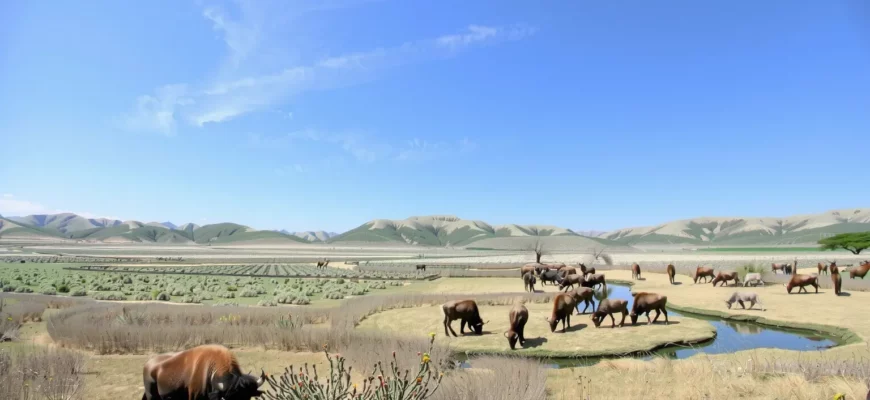
The traditional image of the American West often features sprawling cattle ranches defined by miles of barbed wire and managed grazing. However, a quiet revolution is taking place as landowners trade livestock for a more ancient vision: the rewild ranch. This movement shifts the focus from intensive agricultural production toward the restoration of fully functional ecosystems where nature takes the lead.
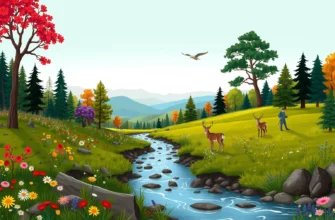
By removing internal fencing and stopping the suppression of natural cycles, these private lands are becoming vital sanctuaries. In states like Montana, the transition involves more than just leaving the land alone; it requires active participation in healing soil that has been compacted by decades of heavy hoof traffic. Landowners are finding that restoring the natural flow of water and allowing native grasses to seed creates a landscape far more resilient to drought and wildfire than traditional pastures.
How Private Landowners Support the Montana Rewilding Project
The Montana rewilding project represents a massive collaborative effort where private property serves as the connective tissue between isolated public lands. While National Parks provide a core habitat, they are often too small to support wide-ranging species over the long term. Private owners are stepping in to bridge these gaps, turning their acreage into “biodiversity hubs” that allow animals to move freely across the landscape.
Many of these landowners work closely with non-profits to secure conservation easements, ensuring the land will never be subdivided for development. This partnership is crucial for restoring native habitat on a scale that mimics the historical Great Plains. By reintroducing native plants and managing the land with a “hands-off” philosophy, these ranches are successfully inviting back songbirds, pollinators, and small mammals that haven’t been seen in the region for generations.
Comparing Public and Private Rewilding Efforts
The approach to restoration varies significantly depending on who owns the dirt. While public lands offer massive scale, private initiatives often provide the flexibility needed for experimental conservation techniques.
| Feature | Public Rewilding (National Parks) | Private Rewild Ranch Initiatives |
|---|---|---|
| Management Flexibility | Subject to strict federal regulations and lengthy public comment periods. | High; owners can implement rapid changes like removing fences or changing water use. |
| Primary Funding | Taxpayer dollars and federal grants, often subject to political shifts. | Private donations, ecotourism, and carbon credit markets. |
| Species Focus | Broad protection of all existing species within a boundary. | Often focused on specific keystone species or restoring soil health. |
| Human Interaction | Managed for high-volume tourism and recreation. | Usually restricted access, focusing on low-impact research and restoration. |
The Yellowstone Blueprint: Lessons from Wolf and Bison Reintroduction
Yellowstone National Park serves as the ultimate laboratory for understanding what happens when we bring back the players that were missing from the stage. The 1995 reintroduction of wolves is perhaps the most famous example of how a single species can trigger a massive chain reaction throughout an entire environment. This “top-down” restoration has provided a blueprint for private ranches looking to achieve similar results on a smaller scale.
The lessons learned here aren’t just for biologists; they are for anyone interested in how a variety of life can flourish when the right balance is struck. We now know that the presence of a top predator doesn’t just reduce prey numbers, it changes their behavior in ways that allow the vegetation to recover. This ripple effect is being studied by ranch managers across the West who want to move away from artificial land management.
Restoring Balance: The Role of Rewilding Yellowstone Wolves
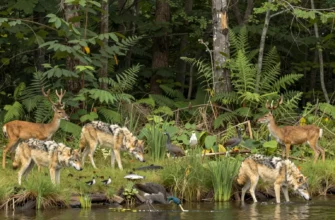
When wolves returned to the landscape, the impact on the local elk population was immediate. Instead of lingering in river valleys and overgrazing young willow and aspen trees, elk became more mobile to avoid predation. This simple change in movement allowed riverbanks to stabilize, which in turn brought back beavers and songbirds.
Rewilding Yellowstone wolves taught us that healthy ecosystems require a certain level of tension between predator and prey. On private lands, this lesson is being applied by creating wildlife corridors that allow predators like wolves and cougars to pass through without coming into conflict with humans. Managing this predator-prey balance is a sophisticated task that requires constant monitoring of both animal populations and plant health.
The American Plains Bison: Rewilding an American Icon
While wolves manage the system from the top, bison engineer it from the ground up. American plains bison rewilding an icon is a central goal for many Montana projects because these massive herbivores do things that cattle simply cannot. Bison “wallow” in the dirt, creating depressions that collect rainwater and provide breeding pools for amphibians and unique micro-habitats for specialized plants.
In the context of bison rewilding Montana, the focus is on their role as “grazing architects.” Their nomadic grazing patterns create a mosaic of grass heights, which is essential for various bird species that need different cover for nesting and feeding. To truly restore the Great Plains, bison must be allowed to roam across large, unfenced territories where they can follow the most nutritious forage, effectively cycling nutrients back into the soil through their waste.
Myth vs. Fact: Understanding Predator Reintroduction
Fear and misinformation are often the biggest hurdles to successful restoration. Addressing these head-on is necessary for community buy-in.
Myth: Introducing wolves and grizzlies will decimate local livestock and make ranching impossible.
Fact: Data from the last three decades shows that livestock depredation accounts for less than 1% of total cattle losses, and many rewilding projects include compensation funds and non-lethal deterrent programs.
Myth: Rewilding means “abandoning” the land and letting it become a dangerous wilderness.
Fact: Modern rewilding is a highly managed process that uses cutting-edge satellite tracking and soil sensors to ensure the land is transitioning toward a healthy, self-sustaining state.
Myth: Predators are a significant threat to human safety in rural communities.
Fact: Attacks are vanishingly rare; proper attractant management, such as bear-proof trash cans and electric fencing, has proven to be incredibly effective at keeping wildlife and humans at a safe distance.
The Great Plains and Beyond: Scaling the Rewilding Vision
The vision for a wilder America isn’t limited to the shadows of the Rockies. Organizations like the American Prairie Reserve are working to stitch together millions of acres in the Great Plains to create a seamless landscape for wildlife. The goal is to create a massive protected area that allows for the natural migration of species, which is increasingly important as climate patterns shift.
As we look toward the future, the scope of these projects is expanding to diverse ecosystems across the continent. From the swampy reaches of the South to the rugged mountains of the East, the principles of connectivity and keystone species restoration are being adapted to fit local needs. Creating a continental-scale network of wild lands is the ultimate objective, ensuring that species have the room they need to adapt and thrive.
From Florida to the East Coast: Tracking Grizzly and Cougar Rewilding
In the Southeast, the everglades rewild efforts are focused on the Florida panther, a relative of the western cougar. Restoring this apex predator is essential for controlling deer and hog populations that can overgraze the delicate wetland vegetation. By protecting “funnels” of habitat, conservationists are helping these cats move north, out of the shrinking wilds of South Florida.
The conversation is also shifting toward a cougar rewilding east coast strategy. While controversial, many ecologists argue that the return of the “ghost cat” is necessary to manage the exploding white-tailed deer populations that are currently devastating eastern forests. Meanwhile, in the North, grizzly rewild discussions focus on linking isolated populations in the Selkirk and Bitterroot mountains to ensure genetic diversity and long-term survival of the Great Bear.
Pleistocene Rewilding: Could Mammoths and Cheetahs Return?
Perhaps the most provocative branch of this movement is Pleistocene rewilding. This theory suggests that our current ecosystems are “broken” because they are missing the megafauna that went extinct at the end of the last Ice Age. Proponents argue that to truly restore the land, we may need to look back thousands of years and consider bringing back analogs for the giants that once roamed North America.
While it sounds like science fiction, the technology for de-extinction is advancing rapidly. This isn’t just about the spectacle of seeing a prehistoric beast; it’s about restoring the ecological functions that only massive herbivores and specialized predators can provide. The debate over these high-tech interventions forces us to ask what “natural” really means in a world shaped by human influence.
The Science and Ethics of Mammoth Rewilding
The idea of mammoth rewilding is gaining traction as a potential tool for climate mitigation. Researchers believe that by reintroducing mammoth-like elephants to the Arctic tundra, they could help keep the permafrost frozen. These animals would knock down trees and stomp through snow, allowing cold air to penetrate the ground and preventing the release of trapped greenhouse gases.
However, the ethics of pleistocene restoration are complex. Critics wonder if it is right to bring back a species into a world that has changed so drastically. There are also concerns that focusing on de-extinction might distract from the urgent need to protect existing endangered species; Despite the controversy, the potential for these animals to act as “climate engineers” keeps the scientific community engaged in the possibility.
Cheetahs in America? Exploring Bold Ecological Ideas
Another fascinating proposal involves the idea to rewild cheetah to america. Modern pronghorn antelope are the second fastest land animals on Earth, a trait that makes little sense today since no current North American predator can catch them. This “evolutionary lag” exists because they once fled from the American cheetah, which went extinct about 10,000 years ago.
Introducing African cheetahs to the American West is suggested as a way to fill this vacant niche. Supporters argue it would provide a sanctuary for an endangered global species while restoring the ancient evolutionary pressure that shaped the pronghorn. While the risks of introducing a non-native species are high, it highlights the creative thinking required to address the massive loss of biodiversity our planet has faced.
Local Impact: How to Support Rewilding Near You
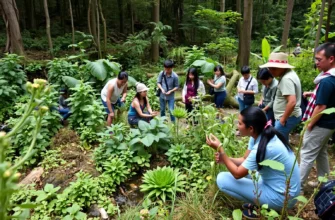
You don’t need a 50,000-acre ranch to participate in the restoration movement. Small-scale efforts in backyards and local parks can create essential “stepping stones” for wildlife moving through urban environments.
- Plant Native Species: Replace thirsty lawns with local wildflowers and grasses to provide immediate habitat for native pollinators and birds.
- Remove Unnecessary Fencing: If you live in a rural or semi-rural area, modifying fences to be wildlife-friendly allows deer and elk to pass through without injury.
- Support Local Land Trusts: Organizations working to rewild bozeman and surrounding areas rely on community support to purchase and protect critical wildlife corridors.
- Reduce Light Pollution: Installing motion-sensor lights or shielded fixtures helps nocturnal wildlife navigate without disorientation.
- Advocate for Coexistence: Support local policies that provide bear-proof trash bins and educational programs to reduce human-wildlife conflict.
Key Takeaways for the Future of American Landscapes
The transition toward a wilder West is a long-term commitment that requires a shift in how we value land. It is a move away from extraction and toward a model of stewardship that prioritizes ecological health.
- Keystone Species are Essential: Predators and large herbivores like wolves and bison are the primary drivers of ecosystem health and complexity.
- Private Lands are the Missing Piece: Rewilding cannot succeed on public lands alone; private ranches provide the necessary connectivity for migration.
- Economic Viability: Rewilding can be profitable through ecotourism, carbon sequestration credits, and sustainable land use.
- Resilience is the Goal: A rewilded landscape is better equipped to handle the stresses of a changing climate, including floods and extreme heat.
Expert Perspective: Landscape Connectivity
In my professional experience, the biggest mistake people make is thinking of rewilding as a “set it and forget it” strategy. I always advise landowners that true restoration is about restarting the natural processes that have been suppressed for over a century. This means you can’t just drop bison onto a property and walk away. You have to consider how water moves across the soil and whether the natural fire cycle can be safely mimicked. In my work with landscape connectivity, I have found that the most successful projects are those that look beyond their own fence lines. Animals don’t recognize property boundaries, so your 500 acres are only as healthy as the corridors connecting them to the next wild space. We aren’t just building ranches; we are rebuilding the circulatory system of the continent.
Frequently Asked Questions
It is a private property where the primary goal is restoring native ecosystems and wildlife rather than focusing on traditional livestock production or industrial farming.
Is rewilding dangerous for people living in Montana?
While predators are part of the system, proactive management and community education significantly reduce risks, making co-existence between humans and wildlife both safe and practical.
How does rewilding help the environment?
Rewilding increases carbon sequestration in native grasslands, improves water filtration through natural wetlands, and creates a more robust variety of life that can withstand environmental shocks.
Can I visit the American Prairie Reserve?
Yes, the reserve is open to the public for recreation, including camping and wildlife viewing, as part of its mission to connect people with the restored landscape.
What is the difference between rewilding and traditional conservation?
Traditional conservation often focuses on protecting a specific species or “freezing” a landscape in time, while rewilding aims to restore self-sustaining natural processes that require minimal human intervention over time.
Are mammoths really being brought back for rewilding?
Companies are currently using CRISPR technology to create elephant-mammoth hybrids, with the long-term goal of releasing them into the Arctic to help stabilize the permafrost and restore the “mammoth steppe” ecosystem.