- The Reality of Cold Plunge Testosterone Levels: Science vs. Hype
- How Cold Exposure Influences the Endocrine System
- Timing Your Dip: Why a Cold Plunge Before Workout Might Raise Testosterone
- The Huberman Method: Pre-Exercise Cold Exposure
- Does Cold Plunging Stop Muscle Growth? The Hypertrophy Conflict
- The Science of Hypertrophy Inhibition
- Strategic Protocols: Balancing DOMS Recovery and Muscle Protein Synthesis
- When to Choose Recovery Over Hypertrophy
- Beyond T-Levels: Cortisol‚ Growth Hormone‚ and Metabolic Stress
- Lowering Cortisol to Unlock Testosterone Potential
- The Verdict: How to Use Cold Plunging Without Killing Your Gains
- Optimal Protocols for Performance and Hormones
- Expert Perspective: Strategic Periodization of Cold Exposure
- Frequently Asked Questions
The Reality of Cold Plunge Testosterone Levels: Science vs. Hype
The intersection of deliberate cold exposure and hormonal optimization has become a cornerstone of modern biohacking. While many enthusiasts claim that a morning dip in freezing water acts as a natural steroid‚ the physiological reality is far more nuanced than a simple upward arrow on a blood test. Understanding how low temperatures interact with your endocrine system requires looking past the immediate “rush” and examining the cellular responses that govern long-term health.
Most evidence suggests that while cold therapy provides a powerful acute stimulus‚ its effect on baseline testosterone is often indirect. Rather than the water itself triggering a massive release of androgens‚ the benefit usually stems from improved sleep quality and the reduction of systemic inflammation‚ which creates a more hospitable environment for natural hormone production. We must distinguish between the temporary surge of catecholamines and the actual synthesis of testosterone in the Leydig cells.
How Cold Exposure Influences the Endocrine System
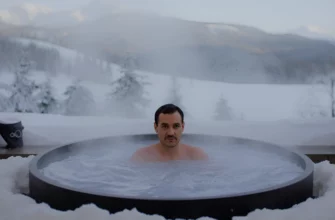
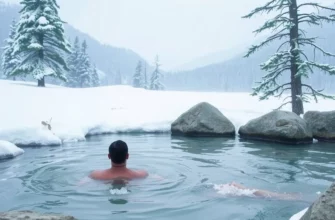
When you submerge your body in water below 50°F (10°C)‚ your sympathetic nervous system enters a state of high alert. This triggers a massive release of norepinephrine and epinephrine‚ which are responsible for the intense mental clarity and “high” often reported by practitioners. This catecholamine response is a form of hormetic stress‚ a controlled dose of adversity that forces the body to adapt and become more resilient over time.
There is also a physiological argument for the “cooling” effect on the testes. Human biology dictates that the testicles function optimally at temperatures slightly below the core body temperature‚ which is why they are positioned outside the main abdominal cavity. By using cold immersion to prevent scrotal hyperthermia‚ particularly in athletes who wear tight clothing or generate significant heat during training‚ you may support more efficient sperm production and testosterone synthesis. Some studies have even pointed toward an increase in luteinizing hormone (LH) following cold exposure‚ which is the primary signal from the brain telling the testes to produce more testosterone.
Furthermore‚ cold shock proteins‚ specifically RBM3 (RNA-binding motif protein 3)‚ are synthesized in response to low temperatures. While much of the research on RBM3 focuses on neuroprotection and muscle preservation‚ these proteins play a role in overall cellular health. By protecting the integrity of protein synthesis during stress‚ the body can better manage the metabolic demands of hormone regulation without the interference of chronic oxidative stress.
Timing Your Dip: Why a Cold Plunge Before Workout Might Raise Testosterone
The timing of your cold exposure is perhaps the most critical variable in determining whether you support or sabotage your fitness goals. In recent years‚ the concept of the “pre-workout plunge” has gained traction‚ largely because it leverages the body’s acute stress response to enhance performance. Unlike post-workout immersion‚ which focuses on dampening inflammation‚ a pre-exercise dip is all about neurological arousal and hormonal priming.
By plunging before you hit the weights‚ you are essentially “pre-loading” your system with dopamine and adrenaline. This isn’t just a mental trick; it translates to higher output in the gym. When your central nervous system is firing at maximum capacity‚ you can recruit more motor units‚ lift heavier loads‚ and sustain higher intensity. This increased training volume is a direct driver of long-term testosterone elevation‚ as the body responds to the demands of heavy resistance training by upregulating androgenic activity.
The Huberman Method: Pre-Exercise Cold Exposure
Neuroscience researcher Andrew Huberman has popularized the idea that the dopamine spike from cold water—which can reach 250% above baseline—is sustained for hours after the initial shock. This prolonged state of focus and energy is vastly different from the “crash” associated with caffeine or other stimulants. For those looking to increase testosterone naturally‚ the mental drive to train harder is often the most significant benefit of the cold.
When you plunge before exercise‚ you also avoid the “interference effect” that plagues post-workout recovery. Because your body temperature will naturally rise during your workout‚ you aren’t artificially suppressing the acute inflammatory response that your muscles need to grow; Instead‚ you enter the gym with a sharpened mind and a body primed for metabolic stress. This protocol ensures that you reap the metabolic health benefits of thermogenesis—specifically the activation of brown adipose tissue (BAT)—without compromising the mechanical tension required for hypertrophy.
It is also worth noting that pre-workout cold exposure can help manage the core temperature during high-volume sessions. By lowering your starting core temperature‚ you may delay the onset of fatigue caused by heat accumulation in the muscle tissues. This allows for more “reps in reserve” to be utilized‚ leading to a more potent stimulus for both testosterone release and muscle fiber recruitment.
Does Cold Plunging Stop Muscle Growth? The Hypertrophy Conflict
While the hormonal benefits of cold water are promising‚ there is a significant catch for those whose primary goal is building maximum muscle size. Hypertrophy‚ or the growth of muscle fibers‚ is a process driven by inflammation and the activation of specific signaling pathways. When we lift weights‚ we create micro-trauma in the muscle‚ which triggers a cascade of events meant to repair and enlarge the tissue.
The conflict arises because cold water is exceptionally good at shutting down inflammation. While this sounds like a positive for recovery‚ it is actually counterproductive for growth. If you immediately submerge your body in ice water after a heavy leg day‚ you are essentially telling your body to stop the very process it just started. This “blunting” effect is a well-documented phenomenon in exercise science‚ particularly in studies focusing on the molecular markers of muscle protein synthesis.
Myth: Cold plunging after a workout makes you recover faster and grow more muscle because it reduces soreness.
Fact: While cold plunging reduces the perception of soreness (DOMS)‚ it actually attenuates the hypertrophy response. Research‚ including a landmark study in the Journal of Physiology‚ shows that cold water immersion immediately after resistance training reduces the activation of satellite cells and the mTOR pathway‚ leading to smaller gains in muscle mass over time.
The Science of Hypertrophy Inhibition
The primary mechanism behind this inhibition is the downregulation of the mTORC1 (mammalian target of rapamycin) pathway. This pathway is the “master switch” for muscle protein synthesis. Cold exposure causes significant vasoconstriction‚ which reduces blood flow to the worked muscles for several hours. This lack of blood flow means fewer amino acids and signaling molecules reach the muscle cells when they are most sensitive to nutrients.
Furthermore‚ the cold suppresses the activity of satellite cells‚ which are the stem cells responsible for repairing damaged muscle fibers. By “freezing” the inflammatory environment‚ you prevent these cells from doing their job. It is important to distinguish between strength gains and size gains; some studies show that while muscle size (hypertrophy) is significantly reduced by post-workout cold plunges‚ pure strength (the ability of the nervous system to produce force) is less affected. However‚ for a bodybuilder or someone seeking aesthetic changes‚ the blunting effect is a major hurdle.
Strategic Protocols: Balancing DOMS Recovery and Muscle Protein Synthesis
Does this mean you should never cold plunge if you lift weights? Not necessarily. The key is strategic periodization. You must decide whether your current training block is focused on “adaptation” (building new muscle) or “performance/recovery” (being ready for the next session or competition). If you are in a grueling competition phase where you need to perform at 100% every single day‚ the recovery benefits of the cold may outweigh the loss of long-term muscle growth.
For the average trainee‚ the “Goldilocks” zone involves waiting. The most critical inflammatory signaling happens in the first 4 to 6 hours following a workout. By delaying your cold plunge by at least 6 hours—or better yet‚ waiting until the next morning—you allow the mTOR pathway to complete its initial cycle while still benefiting from the systemic effects of cold therapy later on.
| Goal | Best Timing | Primary Benefit |
|---|---|---|
| Maximum Hypertrophy | Rest Days or Pre-Workout | Avoids blunting the mTOR growth signaling. |
| Athletic Performance | Pre-Workout | Increases adrenaline‚ focus‚ and power output. |
| DOMS Reduction | 6+ Hours Post-Workout | Reduces swelling without killing the growth signal. |
| General Longevity | Anytime (Morning Preferred) | Improves metabolic health and stress resilience. |
When to Choose Recovery Over Hypertrophy
There are specific scenarios where “killing your gains” is a secondary concern. For instance‚ during a multi-day Brazilian Jiu-Jitsu tournament or a CrossFit competition‚ the sheer volume of work can lead to excessive tissue damage and systemic fatigue. In these cases‚ cold plunging for muscle soreness is a valid tool to manage the sympathetic nervous system and ensure the athlete can actually move the next day. Here‚ the priority is clearing metabolic waste and reducing the perception of pain‚ not building new muscle tissue.
Another use case is during an injury rehab phase. If localized inflammation is preventing you from performing your physical therapy exercises‚ the vasoconstriction from the cold can act as a natural analgesic. The goal here is to restore function‚ and the cold serves as a bridge to getting back to full-intensity training. Always remember that the 4-hour window is the “danger zone” for hypertrophy; once you are outside that window‚ the negative impact on muscle growth diminishes significantly.
Beyond T-Levels: Cortisol‚ Growth Hormone‚ and Metabolic Stress
While testosterone gets the most attention‚ the cold’s impact on cortisol and Human Growth Hormone (HGH) is equally vital for a healthy endocrine profile. Testosterone does not exist in a vacuum; it is part of a delicate balance. High levels of chronic cortisol—the body’s primary stress hormone—are the natural enemy of testosterone. Cortisol and testosterone share a common precursor‚ and when the body is under constant stress‚ it will “steal” resources to produce cortisol at the expense of T-levels.
Cold immersion acts as a training ground for your stress response. By voluntarily entering the freezing water‚ you are practicing top-down control over your autonomic nervous system. Over time‚ this lowers your “baseline” cortisol levels. A body that is less stressed during the day is a body that can dedicate more resources to androgen production and tissue repair during the night.
Lowering Cortisol to Unlock Testosterone Potential
The relationship between the cold and HGH is also intriguing. While the cold itself doesn’t cause a massive direct spike in growth hormone like heavy squats or sauna use might‚ its effect on sleep architecture is profound. Deep sleep is the primary window for HGH release. Because cold plunging helps regulate the circadian rhythm and lowers core body temperature (a necessary precursor to falling asleep)‚ it indirectly supports the massive HGH pulses that occur during Stage 3 and 4 sleep.
Furthermore‚ the metabolic stress of thermogenesis—the process of the body heating itself back up—improves insulin sensitivity. Since insulin resistance is a leading cause of low testosterone in men‚ any practice that improves how your body handles glucose will have a protective effect on your hormonal health. By activating brown fat and increasing the metabolic rate‚ cold plunges help maintain a leaner body composition‚ which reduces the aromatization of testosterone into estrogen.
The Verdict: How to Use Cold Plunging Without Killing Your Gains
To maximize the benefits of cold therapy while protecting your hard-earned muscle‚ you must be surgical with your application. It is not about whether cold plunging is “good” or “bad‚” but about how and when it is used. For the person looking to optimize both their physique and their hormones‚ the strategy should be one of “least effective dose” and “intelligent timing.”
- DO plunge in the morning or before a workout to maximize dopamine‚ epinephrine‚ and mental drive.
- DO wait at least 6 to 24 hours after a resistance training session before using full-body immersion.
- DO use cold therapy on active recovery days to manage systemic inflammation without interfering with specific lifting adaptations.
- DON’T jump into an ice bath immediately after a workout if your primary goal is building muscle size.
- DON’T stay in so long that you induce “afterdrop” or severe shivering‚ as this can cause an excessive cortisol spike that negates the benefits.
- DON’T rely on the cold to fix a bad diet or poor sleep; it is a supplement to‚ not a replacement for‚ the fundamentals.
Optimal Protocols for Performance and Hormones
The most effective protocol for most lifters is a 3-minute dip at roughly 45-55°F (7-12°C) upon waking. This provides the “hormetic” stimulus needed to jumpstart the endocrine system and clear mental fog without impacting the evening’s training session. Consistency is more important than extreme cold; you don’t need to break ice to see results. By keeping the duration short and the frequency consistent (3-4 times per week)‚ you maintain the mitochondrial benefits and the “T-boosting” cooling effects without the risk of overstressing the HPA axis.
Ultimately‚ cold plunging is a powerful tool for metabolic health and stress resilience. If you prioritize your hypertrophy window and use the cold as a priming agent rather than a recovery “crutch‚” you can enjoy the best of both worlds: a lean‚ muscular physique and a high-functioning hormonal profile.
Expert Perspective: Strategic Periodization of Cold Exposure
In my professional experience‚ I have found that the “interference effect” of cold water is often overstated for beginners but critically important for advanced athletes. I always advise my clients to treat cold exposure like a drug: the dosage and timing determine the outcome. If you are in a mass-building phase‚ keep the ice away from your training window. However‚ if you are in a fat-loss or “cutting” phase‚ the metabolic boost from brown fat activation and the cortisol-lowering effects of the cold are your best friends. Don’t be a slave to the protocol—adjust your plunging based on your current physiological priority.
Frequently Asked Questions
While cold plunging causes an acute spike in hormones like norepinephrine‚ long-term testosterone increases are usually indirect. These benefits come from improved sleep quality‚ reduced systemic inflammation‚ and better testicular temperature regulation rather than a direct hormonal “jump” from the water itself.
Is it better to cold plunge before or after a workout for muscle growth?
For muscle growth‚ before a workout is significantly better. Pre-workout plunging boosts energy and focus without interfering with muscle signaling. Plunging immediately after a workout (within 4 hours) is detrimental to hypertrophy as it blunts the inflammatory response required for muscle repair.
How long should I wait after weightlifting to cold plunge?
You should wait at least 4 to 6 hours after resistance training. This allows the primary mTOR signaling and inflammatory pathways to initiate the muscle-building process before the cold causes vasoconstriction and suppresses cellular activity.
Can cold plunging help with DOMS after intense workouts?
Yes‚ cold plunging is highly effective at reducing the perception of muscle soreness and swelling. It works by slowing nerve conduction and reducing localized edema‚ though it should be used sparingly if the goal of the workout was maximum muscle growth.
Does cold exposure lower cortisol?
Cold exposure causes an acute rise in cortisol as a stress response. However‚ regular practice helps the body adapt to stress‚ leading to lower baseline cortisol levels over time‚ which supports a better testosterone-to-cortisol ratio.
Will a cold plunge stop muscle growth entirely?
No‚ it will not stop growth entirely‚ but it can significantly slow the rate of progress. If you consistently plunge immediately after lifting‚ you may see reduced gains in muscle fiber size compared to someone who allows the natural inflammatory process to occur.