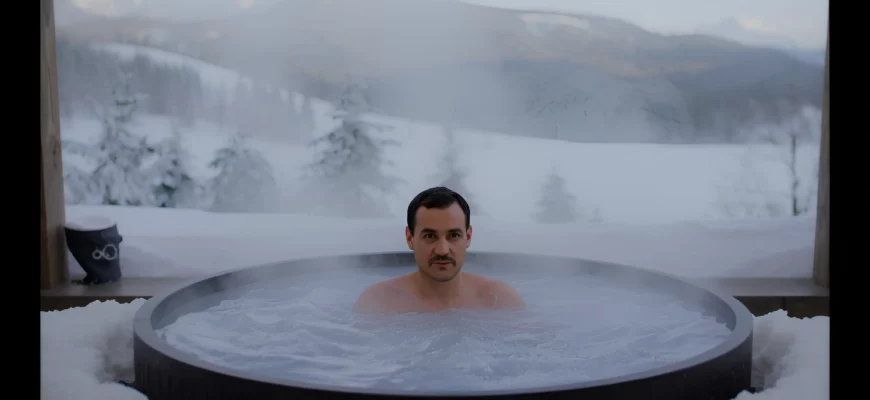
- Does Cold Plunge Reduce Muscle Growth? Unpacking the Science of Hypertrophy
- The Role of Inflammation in Building Stronger Muscles
- Myth vs. Fact: Does Cold Plunge After a Workout Kill Gains?
- Separating Temporary Relief from Long-Term Muscle Adaptation
- The Timing Dilemma: Is Cold Plunge Better Before or After a Workout?
- Using Cold Water Before Training to Boost Performance
- The Post-Workout Window: When to Wait and When to Jump In
- Why Your Workout Type Matters: Lifting Weights vs. Running
- Is Cold Plunge Good After Running and Cardio sessions?
- Does Cold Plunge Help Muscle Recovery for Strength Athletes?
- The Smart Plunger’s Guide: How to Reduce Soreness Without Losing Progress
- Optimizing Your Recovery Schedule for Maximum Gains
- Common Mistakes: Why Most People Get Cold Plunging Wrong
- The More is Better Trap in Cold Exposure
- Expert Perspective: The Interference Effect of Cold Water Immersion
- Frequently Asked Questions
Does Cold Plunge Reduce Muscle Growth? Unpacking the Science of Hypertrophy
The post-workout ritual of jumping into an ice bath has evolved from an elite athletic secret to a mainstream fitness trend. While the immediate numbing effect provides a welcome escape from the “burn” of a heavy lifting session, it creates a complex physiological tug-of-war within your muscle fibers. Understanding whether this practice is helping or hurting requires a deep look at the cellular signals that drive human growth.
Hypertrophy, or the increase in muscle size, is not just about lifting heavy objects; it is a response to the mechanical tension and metabolic stress that occur during a workout. This stress triggers a cascade of chemical messengers that tell the body to repair and reinforce the tissue. When we introduce extreme cold immediately following this stress, we are essentially trying to “cool down” a fire that the body intentionally started to facilitate change.
The Role of Inflammation in Building Stronger Muscles
Acute inflammation is the primary language your body uses to communicate a need for adaptation. When you tear muscle fibers during a squat or bench press, the immune system sends white blood cells and cytokines to the site to begin the cleanup and rebuilding process. This localized “swelling” is the catalyst for muscle protein synthesis, the biological mechanism that actually adds new contractile proteins to your fibers.
The conflict arises because cold water immersion is a powerful anti-inflammatory tool. By causing rapid vasoconstriction, cold plunging reduces blood flow to the muscles and suppresses the activity of these vital signaling molecules. If you blunt this inflammatory response too early, you risk silencing the very alarm bells that tell your body to grow. This isn’t just a theory; research indicates that reducing the natural inflammatory spike can lead to smaller gains in muscle mass over several months compared to those who allow their bodies to cool down naturally.
Myth vs. Fact: Does Cold Plunge After a Workout Kill Gains?
The debate over cold water immersion (CWI) often falls into two extremes: either it is a miracle recovery tool or a “gains killer” that ruins every rep you performed. The truth lies in the nuance of how your body prioritizes immediate recovery versus long-term structural adaptation. While the cold does not physically “melt” your muscle, it acts as a volume knob that can turn down the intensity of your anabolic signaling.
Myth: Cold plunging after lifting prevents any muscle growth from occurring.
Fact: Cold plunging blunts the rate of growth but does not stop it entirely. While it may reduce the total hypertrophy by a measurable percentage, consistent training will still yield results, albeit slower than if recovery was managed differently.
Separating Temporary Relief from Long-Term Muscle Adaptation
It is easy to confuse “feeling recovered” with “being recovered.” After an intense session, your muscles are often hot, swollen, and painful—a condition known as delayed onset muscle soreness (DOMS). A cold plunge provides instant analgesic effects by slowing nerve conduction velocity, which makes you feel significantly better. However, this subjective feeling of freshness does not mean the muscle has finished its structural repair; in fact, it may mean the repair has been delayed.
One of the most significant impacts of cold exposure is its effect on satellite cells. These are essentially muscle stem cells that donate their nuclei to existing muscle fibers to help them grow larger and stronger. Studies have shown that regular cold plunging after resistance training can significantly decrease satellite cell activity for up to 48 hours. Without this cellular contribution, the ceiling for how much a muscle can grow is effectively lowered, making the cold a double-edged sword for those chasing maximum size.
The Timing Dilemma: Is Cold Plunge Better Before or After a Workout?
If you are an advocate for cold therapy but are worried about your hypertrophy, the solution is often found in your scheduling. The physiological impact of cold water changes drastically depending on whether your core temperature is rising or falling. By shifting the timing of your plunge, you can harness the cognitive and hormonal benefits of the cold without interfering with the anabolic window of your training session.
| Factor | Pre-Workout Plunge | Post-Workout Plunge |
|---|---|---|
| Primary Benefit | Mental clarity and dopamine spike | Reduced soreness and lower heart rate |
| Anabolic Impact | Neutral; does not interfere with growth | Potentially negative; blunts mTOR signaling |
| Performance | Increases alertness and “fight” drive | Speeds up the return to baseline state |
| Best For | Powerlifters and early morning trainees | Endurance athletes and multi-session days |
Using Cold Water Before Training to Boost Performance
Plunging before you hit the gym is an increasingly popular strategy for high-performance athletes. Exposure to cold water triggers a massive release of norepinephrine and dopamine—neurotransmitters that increase focus, energy levels, and pain tolerance. This creates a “primed” state where you can often push harder during your sets, potentially leading to a higher total workload and better long-term gains.
Furthermore, for those training in hot environments, a pre-workout plunge can help manage your core temperature. By lowering your initial body heat, you create a larger thermal buffer, allowing you to train longer before reaching the point of heat-induced fatigue. This is particularly useful for endurance-based strength training or high-intensity interval sessions where overheating is a primary limiter of performance.
The Post-Workout Window: When to Wait and When to Jump In
If your primary goal is hypertrophy, the first 120 minutes after your last set are the most critical. This is when the mTOR (mammalian target of rapamycin) pathway—the master regulator of protein synthesis—is most active. Jumping into a 50-degree tub during this window is essentially throwing a bucket of ice on a growing fire. To protect your progress, you should aim to wait at least 4 to 6 hours before any significant cold exposure.
Waiting allows the initial wave of inflammation and blood flow to complete its signaling duties. By the 6-hour mark, the acute “growth signals” have been established, and the cold is less likely to interfere with the long-term adaptation. If you are training in the evening, plunging the following morning is often the smartest way to balance the systemic benefits of cold therapy with the localized needs of your muscle tissue.
Why Your Workout Type Matters: Lifting Weights vs. Running
The “cold plunge controversy” is not a one-size-fits-all problem. The impact of cold water immersion depends heavily on the specific physiological adaptation you are chasing. Your body treats the stress of a heavy deadlift very differently than the stress of a 5-mile run, and your recovery protocol should reflect that distinction.
Is Cold Plunge Good After Running and Cardio sessions?
For runners, cyclists, and triathletes, the cold plunge is almost entirely beneficial. Unlike strength training, endurance performance relies more on mitochondrial density, cardiovascular efficiency, and the rapid clearance of metabolic waste. Cold water immersion helps reduce the high levels of heat stress and joint impact inflammation associated with long-distance cardio without the same “gains killing” risk seen in weightlifting.
In fact, some studies suggest that CWI may actually enhance certain endurance adaptations. By stimulating the PGC-1alpha protein, cold exposure may promote the biogenesis of mitochondria, the powerhouses of your cells. For an endurance athlete, the trade-off is simple: the cold helps you recover faster so you can log more miles, which is the primary driver of cardiovascular progress.
Does Cold Plunge Help Muscle Recovery for Strength Athletes?
Strength athletes, such as powerlifters and Olympic lifters, occupy a middle ground. While they need muscle mass, their primary goal is neurological efficiency and force production. If a powerlifter is in the middle of a high-volume “hypertrophy block,” they should avoid the cold. However, during a peaking phase or a competition, the priority shifts from building new muscle to maintaining current strength while managing high levels of systemic fatigue.
In a competitive setting where you must perform multiple max-effort lifts in a single day, the reduction in central nervous system fatigue provided by a cold plunge can be a game-changer. In this context, the slight blunting of future muscle growth is a price worth paying for the immediate ability to move heavy loads. The key is to use the cold as a “tactical tool” rather than a daily habit during the off-season.
The Smart Plunger’s Guide: How to Reduce Soreness Without Losing Progress
You don’t have to abandon the cold plunge entirely to keep your gains. The secret lies in moderation and strategic application. By treating the cold as a recovery “supplement” rather than a mandatory requirement, you can keep your inflammation levels in the “Goldilocks zone”—not too high to cause excessive pain, but not too low to stall your growth.
- The 4-Hour Rule: Always wait a minimum of 4 hours after a hypertrophy-focused workout before entering the cold.
- Temperature Control: You don’t need to freeze. Staying between 50°F and 59°F (10°C ⏤ 15°C) is sufficient for recovery without being unnecessarily aggressive.
- Duration Limits: Keep sessions to 10-15 minutes maximum. Longer sessions increase the risk of “afterdrop” and further suppress blood flow.
- Strategic Deloading: Use the cold plunge daily during “deload” weeks when you aren’t trying to build new muscle, but rather trying to shed accumulated fatigue.
- Focus on Active Recovery: On heavy lifting days, prioritize light movement or sauna over cold plunging to keep blood flowing to the muscles.
Optimizing Your Recovery Schedule for Maximum Gains
For the serious lifter, the best use of a cold plunge is on rest days or active recovery days. By plunging 24 hours after your last heavy session, you are no longer interfering with the acute anabolic signaling of the workout. Instead, you are using the cold to manage systemic inflammation and improve your sleep quality, both of which are essential for long-term progress.
Another effective strategy is to use “contrast therapy”—alternating between the cold plunge and a sauna or hot tub. The rapid shift from vasoconstriction to vasodilation acts as a “vascular pump,” flushing out metabolic waste while bringing fresh, nutrient-rich blood back to the muscle tissue. This provides the soreness relief people crave without the prolonged suppression of blood flow that comes with cold immersion alone.
Common Mistakes: Why Most People Get Cold Plunging Wrong
The rise of “biohacking” has led many to believe that if a little bit of something is good, then more must be better. This mindset is particularly dangerous with cold exposure. Most people who experience a significant stall in their muscle growth are not just plunging; they are over-plunging at the wrong intensity.
- Plunging after every single session: This prevents the body from ever adapting to stress naturally.
- Using water that is too cold: Water near freezing (32°F-40°F) can cause excessive stress on the heart and doesn’t provide significantly better recovery than 55°F.
- Neglecting the “Afterdrop”: Failing to warm up properly after a plunge can lead to your core temperature continuing to fall, which can leave you lethargic and hinder your next workout.
- Replacing sleep with cold: No amount of ice can replace the anabolic hormones released during deep sleep. If the plunge is making you too wired to sleep, it is hurting your gains.
The More is Better Trap in Cold Exposure
There is a point of diminishing returns with cold exposure. Research suggests that the maximum benefit for recovery is reached at around 11 to 15 minutes of total weekly exposure. Spending 20 minutes in the tub every single day doesn’t make you “tougher” in a biological sense; it simply increases the likelihood that you are blunting your body’s natural anabolic processes.
The “sweet spot” for most athletes is 2 to 3 sessions per week for 3-5 minutes each. This is enough to trigger hormetic stress—a beneficial form of stress that makes the body more resilient—without overwhelming the system. If you find yourself shivering for hours after a session, you have stayed in too long and are likely forcing your body to spend energy on thermogenesis (producing heat) rather than muscle repair.
Expert Perspective: The Interference Effect of Cold Water Immersion
In my professional experience working with both strength athletes and high-level endurance competitors, I view cold water immersion as a “volume knob” for the body’s inflammatory response. While we often view inflammation as the enemy, in the context of hypertrophy, it is the primary driver of progress. I always advise my clients that for maximum muscle size, the cold plunge should be treated as a tool for competition, not for the building phase. If your goal is strictly aesthetics or maximal strength, the mental resilience gained from the cold is fantastic, but you must be disciplined enough to keep it away from your anabolic window. For the average gym-goer, the mental health benefits and the spike in dopamine might outweigh a 5% loss in muscle growth, but for the competitive bodybuilder, that 5% is everything.
Frequently Asked Questions
Research indicates that plunging within the first 2 hours post-lifting can blunt anabolic signaling and reduce long-term gains in muscle mass and strength by suppressing necessary inflammation.
How long should I wait after a workout to cold plunge?
To maximize muscle growth, it is best to wait at least 4 to 6 hours after a resistance training session before using a cold plunge to allow the initial growth signals to take hold.
Can I cold plunge on my rest days without affecting my gains?
Yes. Cold plunging on rest days is an excellent way to manage systemic inflammation and improve mental health without interfering with the acute repair processes from your previous workouts.
Is a cold shower as effective as a cold plunge for recovery?
Cold showers are less effective because they lack hydrostatic pressure and total body immersion, though they still offer significant benefits for mental alertness and dopamine release.
Does cold plunging help with muscle soreness even if it slows growth?
Absolutely. Cold plunging is one of the most powerful ways to reduce the perception of DOMS, which can be helpful if you need to perform at a high level the following day.
Should athletes who focus on endurance (like marathon runners) avoid cold plunges?
No. Endurance athletes generally benefit from cold plunging because their primary goals are cardiovascular efficiency and recovery from high-impact stress, rather than maximizing muscle fiber diameter.