- The Science of Contrast Therapy: Cold Plunge Before or After Sauna?
- The Traditional Nordic Approach: Why Most People Choose the Ice After the Heat
- Cold Plunge into Sauna: Is There a Benefit to Pre-Chilling?
- Comparing the Two Methods: Which Sequence Fits Your Goals?
- Choosing Heat First for Muscle Recovery and Better Sleep
- Understanding Why You Might Feel Dizzy After Sauna and Cold Plunge Sessions
- Handling Headaches, Nausea, and Feeling Sick After Your Session
- Managing More Unusual Side Effects like Diarrhea or Extreme Fatigue
- A Step-by-Step Guide to Staying Safe After a Cold Plunge and Sauna
- The Wait and See Rule: Transitions Between Heat and Ice
- Steam Rooms, Infrared Saunas, and Ice Baths: Does the Tech Matter?
- Cold Plunge then Steam Room: A Different Kind of Humidity
- Special Considerations for Infrared Saunas and Cold Water
- Common Mistakes to Avoid During Your First Contrast Session
- Why You Should Avoid Sauna and Cold Plunges When Sick
- Frequently Asked Questions
The Science of Contrast Therapy: Cold Plunge Before or After Sauna?
The debate over whether to hit the ice or the heat first has moved from elite athletic training rooms into the mainstream wellness community. While most practitioners swear by a specific sequence, the physiological reality is that your body undergoes a massive systemic shift regardless of the order.
When you alternate between extreme heat and cold, you are essentially performing a workout for your circulatory system. This practice, known as contrast therapy, forces your blood vessels to rapidly expand and contract, creating a biological “pumping” action that moves lymph fluid and oxygenated blood through your tissues.
The Traditional Nordic Approach: Why Most People Choose the Ice After the Heat
The Finnish tradition, which has existed for centuries, almost always places the cold stimulus after the heat. In this sequence, the sauna serves to raise the core body temperature, dilate the blood vessels, and induce a deep sweat that helps clear the skin of impurities.
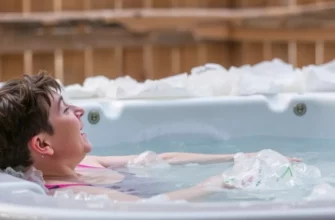
By following the heat with a cold water immersion, you trigger an immediate vasoconstriction. This sudden tightening of the vessels pushes blood back toward the internal organs, which helps how to reduce inflammation by flushing out metabolic waste products like lactic acid. This “pumping” effect is one of the primary blood flow benefits cited by physical therapists for reducing delayed onset muscle soreness (DOMS).
Cold Plunge into Sauna: Is There a Benefit to Pre-Chilling?
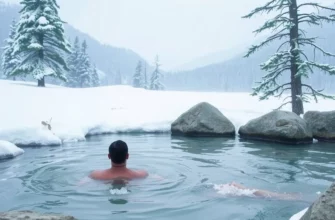
While less common, starting with a cold plunge then sauna or vice versa can be a powerful tool for metabolic conditioning. Entering the cold water while your body is at a baseline temperature creates a more significant “cold shock” response, which can spike norepinephrine levels more aggressively than if you were already overheated.
This sequence is often used by those looking to improve metabolic health through the activation of brown adipose tissue (BAT). Because the sauna follows the cold, it allows the body to warm up more gradually from the outside in, which some find less taxing on the central nervous system than ending on a freezing note. This method is particularly effective for building mental resilience, as it requires stepping into the cold without the “buffer” of being pre-heated.
Comparing the Two Methods: Which Sequence Fits Your Goals?
Choosing your sequence depends entirely on what you want to achieve during your session. Whether you are looking for a deep night of sleep or an energized start to your morning, the order of operations matters more than most realize.
The cold water plunge after sauna is widely considered the gold standard for athletic recovery. By ending on the cold, you ensure that the inflammatory response triggered by a hard workout is blunted, and your heart rate begins to descend from the elevated state induced by the sauna’s heat.
| Category | Sauna then Cold Plunge | Cold Plunge then Sauna |
|---|---|---|
| Primary Goal | Recovery & Inflammation Reduction | Metabolic Boost & Mental Toughness |
| Nervous System | Parasympathetic (Calming) | Sympathetic (Energizing) |
| Sleep Impact | High (Promotes deep sleep) | Moderate (Can be too stimulating) |
| Vascular Effect | Maximum “Pumping” Action | Gradual Re-warming |
Choosing Heat First for Muscle Recovery and Better Sleep
If your goal is to unwind after a long day, ending with the cold is actually the secret to better sleep. While it seems counterintuitive to jump into ice water to relax, the drop in core body temperature that follows a cold plunge mimics the body’s natural circadian rhythm, signaling to the brain that it is time to rest.
Furthermore, if you are sore after sauna and cold plunge sessions, the heat first approach allows your muscle fibers to become more pliable and elastic before the cold shock hits. This prevents the “brittle” feeling that can occur when jumping into ice water with tight, cold muscles. Always ensure you spend at least 15 minutes in the heat to allow the core temperature to rise sufficiently before the transition.
Understanding Why You Might Feel Dizzy After Sauna and Cold Plunge Sessions
It is not uncommon for beginners to experience a sense of lightheadedness or “spinning” during their first few contrast sessions. This is usually the result of a rapid shift in blood pressure, as the body moves from a state of total vasodilation (heat) to total vasoconstriction (cold).
When you are in the sauna, your blood is directed toward the surface of your skin to help you cool down. If you stand up too quickly and jump into a plunge, your body may struggle to redistribute that blood to your brain fast enough. This phenomenon, combined with potential dehydration, is the most common cause of dizziness from temperature changes.
Handling Headaches, Nausea, and Feeling Sick After Your Session
If you experience a headache after sauna and cold plunge cycles, the most likely culprit is electrolyte imbalance. You lose a significant amount of sodium, magnesium, and potassium through sweat in the sauna, and if you don’t replenish these before the cold shock, the vascular constriction can trigger a tension-style headache.
Feeling sick after sauna and cold plunge sessions can also be attributed to the “afterdrop” effect. This occurs when the cold blood from your limbs returns to your core after you exit the water, causing your internal temperature to continue dropping even after you are in a warm environment. To prevent nausea, avoid eating a heavy meal within 90 minutes of your contrast therapy session;
Managing More Unusual Side Effects like Diarrhea or Extreme Fatigue
While rare, some individuals report diarrhea after sauna and cold plunge exposure. This is typically due to the stimulation of the vagus nerve, which controls much of the digestive tract. The intense shock of the cold can send a “surge” through the autonomic nervous system, accelerating gastric motility.
If you find yourself feeling tired after sauna and cold plunge sessions to an extreme degree, it’s a sign that your central nervous system is overtaxed. Contrast therapy is a “stressor,” albeit a healthy one. If you are already under high stress, limit your cold exposure to 60 seconds to avoid total adrenal exhaustion.
A Step-by-Step Guide to Staying Safe After a Cold Plunge and Sauna
Safety in contrast therapy is not just about the temperature of the water; it is about the transition between the extremes. Jumping blindly from a 200°F sauna into a 40°F plunge can cause a “gasp response,” leading to water inhalation or cardiac strain.
To maximize sauna to cold plunge safety, you must treat the transition as its own phase of the workout. This allows your heart rate to stabilize and prevents the “fainting” response that can occur when the heart is forced to change gears too abruptly.
- Hydrate Pre-Session: Drink 16oz of water with electrolytes 30 minutes before starting.
- The Rinse Rule: Always shower off sweat before plunging to maintain water hygiene and slightly cool the skin.
- Feet First: Enter the cold plunge slowly, submerged up to the hips first before the chest.
- Controlled Breathing: Exhale as you enter the water to counteract the natural urge to gasp.
- Post-Plunge Warmth: Dry off immediately and put on loose, warm clothing to manage the afterdrop.
The Wait and See Rule: Transitions Between Heat and Ice
One of the most dangerous mistakes is the cold plunge right after sauna without a “buffer” period. I recommend a 2-minute transition where you stand in room temperature air or take a lukewarm shower. This brief pause allows your blood pressure to normalize slightly.
During this window, monitor your heart rate. If you feel your pulse racing or if you feel “thumping” in your ears, wait an additional minute. Never enter the cold water if you are feeling lightheaded while standing in the transition area, as the cold shock will only exacerbate the issue.
Steam Rooms, Infrared Saunas, and Ice Baths: Does the Tech Matter?
Not all heat is created equal. A traditional sauna heats the air around you, whereas an infrared sauna uses light waves to heat your body directly. This changes how your core temperature reacts and, consequently, how you will feel when you hit the cold water.
Steam rooms add the element of 100% humidity, which prevents sweat from evaporating. This makes the heat feel much more oppressive and can increase the heart rate faster than a dry sauna. Because of this, the transition to a cold plunge can feel much more “shaking” to the system.
Cold Plunge then Steam Room: A Different Kind of Humidity
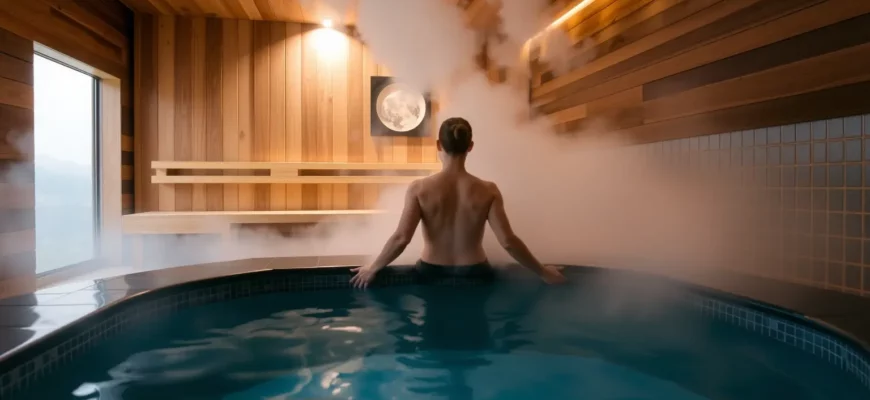
When you move from a cold plunge then steam room, the humid heat provides an immediate relief to the respiratory system. The cold water often causes shallow breathing, and the warm, moist air of the steam room helps to open the airways and rehydrate the mucous membranes.
This combination is excellent for skin health. The cold plunge tightens the pores, and the subsequent humid heat helps to trap moisture in the skin layers. However, be cautious of the increased cardiovascular load; humid heat makes it harder for the body to cool down if you stay in too long after a plunge.
Special Considerations for Infrared Saunas and Cold Water
Using a cold plunge after infrared sauna sessions is a unique experience because infrared provides deep heat that penetrates up to two inches into the muscle tissue. Unlike a traditional sauna where the skin gets very hot, infrared heats you from the inside out.
This means that while your skin might feel cooler, your core temperature could be significantly higher. When you plunge, the thermal gradient between your core and the water is massive. Many users report a more intense “tingling” sensation in their muscles during this sequence due to the deep tissue heating being rapidly met by external cooling;
Common Mistakes to Avoid During Your First Contrast Session
The most common error is the “hero” mentality—staying in the sauna or the cold plunge for as long as possible. Contrast therapy is about the stimulus, not the duration. Once you have achieved the shiver response in the cold or a full sweat in the heat, the primary benefits have already been triggered.
Another frequent mistake is failing to account for current health status. While contrast therapy is a recovery tool, it is also a physical load. If your body is already fighting an internal battle, adding extreme temperature stress can be counterproductive.
Critical Warning: If you experience “white spots” in your vision or a sudden ringing in your ears during a transition, exit the area immediately and sit on the floor. Do not try to walk to a locker room; your blood pressure has dropped, and a fall is imminent.
Why You Should Avoid Sauna and Cold Plunges When Sick
Practicing sauna and cold plunge when sick is a recipe for disaster. When you have a fever or a viral infection, your immune system is already using massive amounts of energy. Contrast therapy puts a huge immune system stress on the body that can actually suppress your white blood cell response temporarily.
Furthermore, the dehydration associated with being sick combined with the sweat loss in a sauna can lead to rapid fainting. If you are feeling under the weather, stick to lukewarm baths and rest. Save the contrast therapy for when you are at 100% to ensure it aids your health rather than hindering it.
In my professional experience, the most overlooked aspect of contrast therapy is the “Vasomotor Flush.” I always advise clients to treat the sauna and plunge as a vascular workout rather than a relaxation session. The goal is to train your blood vessels to be resilient. If you feel lightheaded after sauna and cold plunge sessions, it is a clear signal that your vascular tone isn’t ready for that specific temperature spread. Do not try to push through it. The best results come from consistency over months, not from seeing how much pain you can endure in a single session. Always prioritize hydration with trace minerals, as plain water often isn’t enough to replace what the sauna takes out.
Frequently Asked Questions
While common, it carries risks like thermal shock. I recommend a 2-minute transition period to let the heart rate stabilize and prevent fainting.
Why do I feel so tired after a sauna and cold plunge session?
Your body uses an immense amount of energy to regulate core temperature. This energy expenditure, combined with the nervous system shifting into a “rest and digest” state, causes deep fatigue.
Can I cold plunge if I have a headache or feel dizzy?
No. Dizziness is a primary indicator of blood pressure fluctuation. Adding the stress of cold water can cause you to lose consciousness or worsen the headache.
What should I do if I get diarrhea after a cold plunge?
This is likely due to vagus nerve overstimulation. Reduce your time in the cold water and ensure you aren’t plunging on a completely full or completely empty stomach.
Is an infrared sauna better than a traditional sauna for cold plunging?
Neither is “better,” but infrared heats the core more deeply. This can make the cold plunge feel more intense and is often preferred for deep muscle recovery.
Should I cold plunge before or after a steam room?
The standard sequence is heat then cold. However, ending with a steam room after a plunge can be more moisturizing for the skin and gentler on the lungs.