- The Purest Connection: The Benefits of a Nude Cold Plunge for Skin and Spirit
- Maximizing Skin-to-Water Contact for Recovery
- Fire and Ice: Mastering the Art of Contrast Therapy
- Alternating Between Sauna and Cold Plunge
- Choosing Your Vessel: Ice Barrel 300 vs. 400 and Beyond
- Premium Options: Morocco Forge and Wood Cold Plunge Ice Baths
- Maintaining a Pristine Sanctuary: Bromine and Water Care
- Keeping Your Water Crystal Clear
- From Mountain Tops to Bathhouses: Where to Plunge Naked
- Etiquette for the Communal Bath House
- The Neurochemistry of the Euphoric Cold Plunge
- Why We Crave the Chill
- Frequently Asked Questions
The Purest Connection: The Benefits of a Nude Cold Plunge for Skin and Spirit
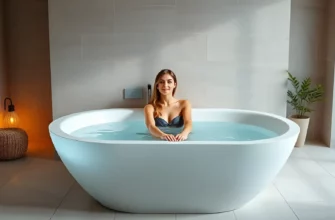
Stepping into freezing water without the barrier of synthetic fabrics changes the physiological response of the body. When you opt for a naked cold plunge‚ you remove the micro-layers of air trapped by swimwear that can artificially insulate the skin. This direct exposure creates an immediate‚ unfiltered sensory dialogue between your nervous system and the environment.
The absence of wet‚ clinging fabric also prevents the uncomfortable sensation of dampness that lingers after you exit the water. By focusing on the raw interaction of skin and temperature‚ you transform a simple recovery tactic into a profound ritual of physical and mental presence. It is the most honest way to test your resilience.
Maximizing Skin-to-Water Contact for Recovery
Total surface area exposure is the primary driver of rapid core temperature regulation. When every square inch of your skin meets the cold water simultaneously‚ your body triggers a more robust vasoconstriction response. This process shunts blood toward your vital organs‚ effectively flushing metabolic waste from your extremities more efficiently than when wearing restrictive clothing.
Furthermore‚ removing swimwear eliminates the risk of the afterdrop being exacerbated by cold‚ sodden fabric. A wet swimsuit continues to pull heat from your groin and core long after you have stepped out of the tub. To ensure your body begins its natural rewarming process immediately‚ dry off and dress in warm layers the moment you exit the water‚ rather than sitting in damp trunks or a bikini.
This method also optimizes the stimulation of the vagus nerve‚ which runs through the neck and chest. Cold water hitting these areas directly‚ without the interference of a high-neck suit or vest‚ sends a more powerful signal to the parasympathetic nervous system. This results in a deeper state of relaxation and a more pronounced reduction in systemic inflammation over the following hours.
Fire and Ice: Mastering the Art of Contrast Therapy
Contrast therapy relies on the rapid alternation between extreme heat and extreme cold to create a biological pump. This routine forces your blood vessels to dilate in the heat and constrict in the cold‚ acting as a workout for your entire circulatory system. When executed correctly‚ it leaves the practitioner feeling both physically lighter and mentally sharpened.
- Heat Saturation: Spend 15 to 20 minutes in a dry sauna or a hot soak until your heart rate begins to elevate and you are sweating profusely.
- The Transition: Move quickly to your cold tub. Do not wait for your body to cool down naturally; the goal is the thermal shock of the immediate transition.
- The Immersion: Submerge fully in the cold water (ideally 45°F to 55°F) for 2 to 3 minutes. Focus on slow‚ controlled exhales to manage the initial gasp reflex.
- The Rest: Exit the water and allow your body to stabilize for 5 to 10 minutes before repeating the cycle. Perform 3 to 5 rounds for maximum benefit.
- The Finish: Always end your session on a cold cycle to ensure your blood vessels remain constricted‚ which helps lock in the anti-inflammatory effects.
Alternating Between Sauna and Cold Plunge
The magic of the fire and ice method happens during the transition. In a sauna‚ your peripheral blood vessels dilate to move heat toward the skin’s surface. When you jump into a cold plunge‚ those same vessels slam shut. This mechanical pumping action helps clear lymphatic fluid and reduces the muscle soreness associated with high-intensity training.
For those building a home wellness spa‚ a jacuzzi cold plunge setup offers the ultimate convenience. By keeping a hot tub at 104°F and a dedicated chiller unit in an adjacent tub‚ you can cycle through contrast therapy without leaving your patio. This setup is particularly effective for those using massage and cold plunge routines to treat chronic joint pain or recover from marathon-level exertion.
Choosing Your Vessel: Ice Barrel 300 vs. 400 and Beyond
Selecting the right hardware is about more than just holding water; it is about ergonomics and thermal efficiency. The market has shifted from basic stock tanks to highly engineered vessels designed to keep you in an upright‚ meditative posture; Your height and the space available in your home will be the deciding factors in which model suits your lifestyle.
| Feature | Ice Barrel 300 | Ice Barrel 400 | Morocco Forge / Thrive |
|---|---|---|---|
| Design | Shorter‚ wider‚ and fully insulated. | Tall‚ upright‚ and non-insulated. | Premium wood or steel aesthetics. |
| Best For | Easier entry and better temperature retention. | Tall users who want a deep squat. | High-end home spas and permanent installs. |
| Capacity | 77 Gallons | 105 Gallons | Varies (typically 80-100 Gallons) |
| Insulation | High (double-walled). | Low (requires more ice/chiller). | Moderate to High. |
Premium Options: Morocco Forge and Wood Cold Plunge Ice Baths
If you value the aesthetic of your recovery space‚ a wood cold plunge ice bath provides a natural‚ spa-like feel that plastic barrels cannot match. Units from Morocco Forge often utilize high-grade cedar or stainless steel‚ which are naturally antimicrobial and highly durable. These materials resist the degradation caused by UV rays and constant water exposure‚ making them a better long-term investment for outdoor setups.
For taller users‚ the deep dive cold plunge bath experience is essential. A taller unit like the Ice Barrel 400 or the Hyoga cold plunge allows someone over 6’2” to submerge their shoulders without having to cramp their legs. However‚ keep in mind that non-insulated barrels will require significantly more ice to maintain sub-50 degree temperatures during the summer months compared to the insulated Ice Barrel 300.
Maintaining a Pristine Sanctuary: Bromine and Water Care
Water hygiene is the most overlooked aspect of home cold therapy. Without proper maintenance‚ your tub can quickly become a breeding ground for bacteria‚ especially if multiple people are using it. While many people default to chlorine‚ it is often too harsh for the skin in a concentrated‚ cold environment where the water isn’t being circulated as aggressively as a swimming pool.
- Do: Use Bromine. It remains more stable in varying temperatures and is significantly gentler on the eyes and skin than chlorine.
- Do: Install a high-micron filter. Units like the Hydro Plunge often come with built-in 20-micron filters that catch hair‚ skin cells‚ and debris.
- Don’t: Use standard pool shock. It is too concentrated for small volumes of water; instead‚ use a non-chlorine oxidizer to keep the water clear.
- Do: Test the pH weekly. Keep your water between 7.2 and 7.6 to prevent the corrosion of metal components in your chiller.
- Don’t: Enter the water with lotions or oils. These will clog your filter and create a “scum line” around the edge of your barrel.
Keeping Your Water Crystal Clear
Maintaining a bromine cold plunge requires a delicate balance. Bromine works by ionizing contaminants‚ but it needs a regular “shock” to stay active. For a standard 80-gallon tub‚ adding a single tablespoon of bromine granules once a week is usually sufficient for a single user. If you are hosting a group plunge‚ you must increase this dosage immediately after the session to neutralize the increased organic load.
For those using advanced systems like the Hydro Plunge cold plunge‚ the filtration system does most of the heavy lifting. However‚ you should still manually scrub the interior walls of the tub every two weeks to prevent biofilm buildup. A clean tub doesn’t just look better; it ensures that your skin-to-water contact is healthy and free of pathogens that could cause rashes or infections.
From Mountain Tops to Bathhouses: Where to Plunge Naked
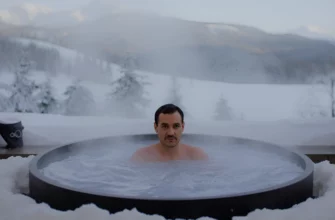
The setting of your plunge can be as important as the temperature. While many start in their garage or backyard‚ there is a growing movement toward destination plunging. Whether it is a remote mountain stream or a high-end urban recovery center‚ the environment dictates the mental state you bring to the water.
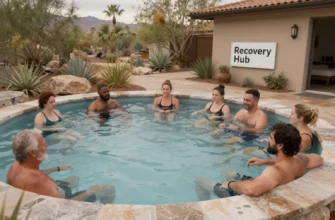
The “topless cold plunge” trend‚ sparked by media personalities like Hoda and Jenna‚ has brought the practice into the mainstream. It has moved the conversation away from “suffering” and toward “empowerment.” This cultural shift has led to a surge in bath house cold plunge facilities where communal nudity is respected as part of a shared wellness journey.
Etiquette for the Communal Bath House
Navigating a public wellness space requires a mix of confidence and courtesy. If you are visiting a premium facility like a Revival Cold Plunge center‚ always shower thoroughly before entering the communal tub to keep the water chemistry stable for others. While many modern bathhouses are nudity-friendly‚ always check the specific house rules regarding “clothing optional” zones to ensure you are respecting the comfort of other patrons.
In public or semi-public spaces‚ the focus should remain on the internal experience. Avoid excessive splashing or loud vocalizations. Practice rhythmic‚ silent breathing to manage the cold shock; this not only helps you stay in the water longer but also maintains the tranquil atmosphere that others have paid to enjoy. Recovery is a personal journey‚ even when practiced in a crowd.
The Neurochemistry of the Euphoric Cold Plunge
The “high” people feel after a cold plunge is not a placebo effect; it is a significant neurochemical event. When your body hits the water‚ it perceives a life-threatening stressor‚ triggering a massive release of norepinephrine and dopamine. Unlike the quick spike and crash of caffeine or sugar‚ the dopamine increase from cold immersion is sustained‚ often lasting for several hours.
Key Insight: Research indicates that cold water immersion can trigger a 250% increase in baseline dopamine levels. This is comparable to the chemical response seen in some addictive substances‚ but without the negative downward spiral‚ making it a healthy way to regulate mood and focus.
Why We Crave the Chill
Regular practitioners often find themselves becoming “addicted” to the cold plunge because of the mental clarity that follows. This isn’t just about feeling good; it’s about building a higher threshold for stress. By voluntarily entering a freezing tub‚ you are training your brain to remain calm in the face of physical discomfort. This “top-down” control over your nervous system translates directly into better performance at work and in your personal life.
For those engaging in endurance cold plunge sessions (staying in for 5 to 10 minutes)‚ the mental battle becomes the primary focus. You learn to separate the sensation of cold from the emotional reaction of panic. This resilience is the true value of the ritual. The euphoria is simply the reward your brain gives you for proving that you are in control of your instincts.
In my professional experience‚ the most common mistake beginners make is wearing thick neoprene booties or gloves. While this makes the first 30 seconds easier‚ it creates a sensory “blind spot” for your nervous system. I always advise my clients to go fully nude whenever possible. By exposing every square inch of the skin‚ you provide your brain with the most accurate feedback regarding the environment. This total exposure forces the body’s thermoregulatory response to work at 100% capacity‚ resulting in a more efficient metabolic boost and a cleaner “reset” of the central nervous system. If you want the full neurological benefit‚ you have to lose the layers.
Frequently Asked Questions
Nudity is superior because it ensures 100% skin-to-water contact‚ allowing for faster cooling and preventing “afterdrop” caused by wet‚ cold fabric trapping moisture against your skin after you exit.
What is the main difference between the Ice Barrel 300 and 400?
The Ice Barrel 300 is shorter‚ wider‚ and fully insulated for better temperature retention‚ while the 400 is taller and designed for an upright‚ deep-squat immersion for larger individuals.
How do I maintain a wood cold plunge ice bath?
Keep the wood hydrated by never leaving it empty for long periods to prevent shrinking/leaks‚ and use gentle sanitizers like bromine rather than harsh chlorine to protect the wood fibers.
Why do I feel euphoric after a cold plunge?
The cold shock triggers a massive‚ sustained release of dopamine and norepinephrine (up to 250% above baseline)‚ which enhances mood‚ focus‚ and energy levels for several hours.
Can I use a jacuzzi for a cold plunge?
Yes‚ you can convert a jacuzzi by using a dedicated water chiller or by filling it with ice‚ though you must ensure the internal heater is completely disabled to avoid damaging the unit.
Is bromine or chlorine better for an ice bath?
Bromine is the better choice for cold water because it is more stable at lower temperatures‚ lasts longer in the water‚ and is much gentler on the skin and respiratory system.