- Why Cold Plunge Therapy Is More Than Just a Modern Health Fad
- From the Roman Empire to Modern Spas
- The Biological Engine: How Cold Water Affects Your Mitochondria
- What the Research Says: Insights from PubMed and Clinical Studies
- Mastering the Cold Plunge Breathing Method and Mental Control
- Using Meditation to Overcome the Initial Cold Shock
- Ancient Wisdom Meets Modern Recovery: Meridians and Chinese Medicine
- Balancing the Flow: Cold Plunge Treatment in Eastern Practices
- The Psychological Frontier: Can Cold Water Help Process Trauma?
- Building Resilience: The Cold Plunge Psychology
- Designing Your Professional Cold Plunge Regimen
- A Safe Cold Plunge Procedure for Daily Life
- Expert Perspective: Navigating the Afterdrop and Long-Term Safety
- Frequently Asked Questions
Why Cold Plunge Therapy Is More Than Just a Modern Health Fad
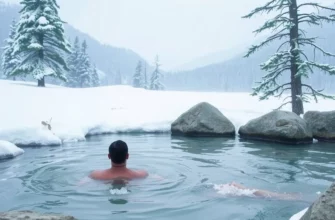
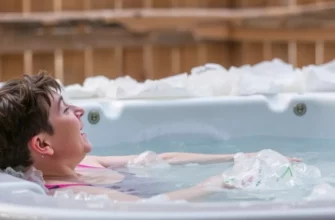
While your social media feed might be saturated with images of athletes and influencers submerged in ice-filled tubs, this practice is far from a fleeting trend. The resurgence of deliberate cold exposure represents a return to fundamental biological stressors that have shaped human resilience for millennia.
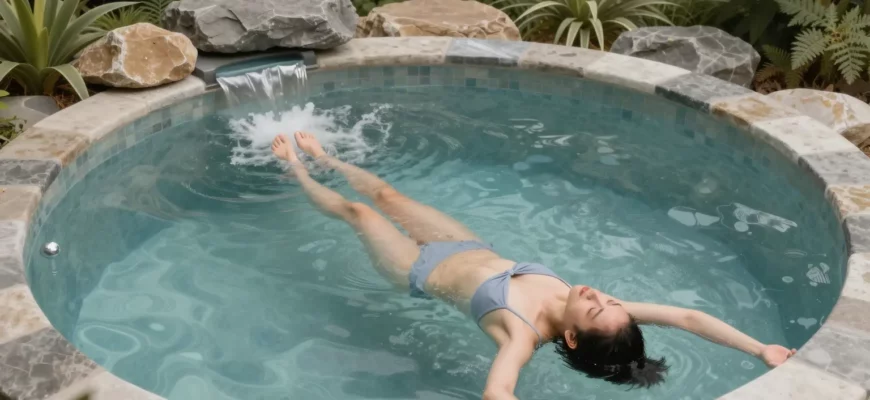
Modern science is finally catching up to what our ancestors understood intuitively: controlled thermal stress acts as a powerful catalyst for systemic health. By stepping into the ice, you are not just following a trend; you are engaging a sophisticated physiological survival mechanism that optimizes everything from metabolic rate to cognitive function.
From the Roman Empire to Modern Spas
The historical lineage of cold water immersion is both deep and geographically diverse. In the height of the Roman Empire, the architectural marvel of the public bathhouse always included a “frigidarium.” This was a cold pool where citizens would plunge after spending time in the heated caldarium.
The Roman cold plunge theory was simple: the rapid shift in temperature would “shock” the body into a state of vigor and alertness. This wasn’t merely for hygiene; it was a social and medical ritual designed to tighten the skin, improve circulation, and close the pores.
As centuries progressed, various cultures adopted similar practices, from the Nordic “avanto” (ice hole swimming) to the Japanese Shinto ritual of Misogi. Today, the practice has evolved from a communal necessity to a precision-engineered biohacking tool. We have moved from simple river dips to temperature-controlled units capable of maintaining a steady 39 degrees Fahrenheit, allowing for repeatable, data-driven recovery sessions.
The Biological Engine: How Cold Water Affects Your Mitochondria
At the cellular level, cold immersion acts as a form of “hormetic stress.” This concept suggests that a brief, controlled dose of a stressor—which would be toxic in high amounts—actually triggers a protective and strengthening response within the body.
The most profound impact occurs within our mitochondria, the energy-producing powerhouses of our cells. When we expose ourselves to extreme cold, we trigger mitochondrial biogenesis, the process by which cells increase their individual mitochondrial mass. This leads to higher energy efficiency and a more robust metabolic profile.
| Biological Mechanism | Physiological Result | Primary Benefit |
|---|---|---|
| Hormetic Stress | Upregulation of PGC-1alpha | Increased mitochondrial density |
| Vasoconstriction | Rapid narrowing of blood vessels | Reduction in systemic inflammation |
| Brown Fat Activation | Thermogenesis via UCP1 protein | Enhanced caloric burn and metabolic health |
| Norepinephrine Spike | 200-300% increase in blood levels | Long-term focus and mood stabilization |
What the Research Says: Insights from PubMed and Clinical Studies
When scouring the data on cold plunging via PubMed, a clear pattern emerges regarding muscle recovery and cellular health. Research indicates that cold water immersion is significantly more effective than passive recovery for reducing Delayed Onset Muscle Soreness (DOMS) after high-intensity exercise.
Clinical studies often focus on how cold exposure stimulates the production of Brown Adipose Tissue (BAT). Unlike white fat, which stores energy, brown fat is metabolically active and burns glucose to generate heat. This process is critical for maintaining core temperature and has been linked to improved insulin sensitivity.
Furthermore, cold plunging research has highlighted the “vagus nerve stimulation” effect. The cold water hitting the face and neck triggers the parasympathetic nervous system, effectively “training” the body to recover from stress more quickly. This biological cross-training ensures that when you face psychological stress in daily life, your body is already conditioned to remain calm.
Mastering the Cold Plunge Breathing Method and Mental Control
The biggest hurdle to a successful cold immersion session is the initial “cold shock response.” Within the first 30 seconds, your body undergoes an involuntary gasp reflex, followed by rapid, shallow breathing. Mastering this response is where the true mental and physical benefits are forged.
By consciously controlling your breath, you bridge the gap between your conscious mind and your autonomic nervous system. This transition from a “fight or flight” panic state to a “rest and digest” meditative state is the hallmark of advanced cold therapy.
- The Pre-Plunge Preparation: Take 5-10 deep, diaphragmatic breaths before entering the water to oxygenate the blood and center your focus.
- The Controlled Entry: Exhale slowly as you submerge your body up to the neck. Never hold your breath during the initial entry, as this increases internal pressure.
- The Box Breathing Phase: Once submerged, use a 4-4-4-4 count (inhale 4, hold 4, exhale 4, hold 4) to suppress the shivering reflex and lower your heart rate.
- The Meditative Stillness: After 60 seconds, your skin will begin to feel numb. Focus on a single point and maintain a slow, rhythmic nasal breathing pattern until your session is complete.
Using Meditation to Overcome the Initial Cold Shock
The techniques popularized by the influential figure often associated with modern breathwork—the “breathing guy”—emphasize that the cold is a mirror. If your mind is chaotic, the cold will feel unbearable. If you can achieve a state of cold plunge meditation, the water becomes a sanctuary of silence.
The role of the breathing guy method in modern therapy is to teach practitioners how to use “top-down control.” This is the ability of the prefrontal cortex to override the amygdala’s panic signals. By staying still and breathing through the discomfort, you are physically rewiring your brain’s relationship with stress.
Ancient Wisdom Meets Modern Recovery: Meridians and Chinese Medicine
In Traditional Chinese Medicine (TCM), the body is viewed as a complex network of energy channels known as meridians. While TCM often cautions against “excessive cold” as a pathogen that can stagnate Qi, modern practitioners of cold plunge treatment have found a middle ground that aligns with ancient principles.
When used strategically, cold water serves as a powerful tool to “purge” heat and inflammation from the body. It is particularly effective at stimulating the Kidney and Bladder meridians, which are associated with the water element and the body’s fundamental vitality.
Balancing the Flow: Cold Plunge Treatment in Eastern Practices
In the context of cold plunge meridian stimulation, the goal is to create a “rebound effect.” By temporarily constricting the flow of Qi through the surface meridians, the body responds by surging energy toward the internal organs. This internal “flush” is believed to clear blockages and improve the overall flow of life force.
TCM practitioners often recommend a “warm-cold-warm” cycle. This ensures that the body does not retain “damp-cold” after the session. By following a plunge with light movement or a warm tea, you help the body redistribute the newly liberated energy, ensuring that the thermal stress remains a healing force rather than a depleting one.
The Psychological Frontier: Can Cold Water Help Process Trauma?
The mental health implications of deliberate cold exposure are perhaps the most exciting area of current study. The psychology of the cold plunge revolves around the concept of Voluntary Hardship. By choosing to enter a freezing environment, you are practicing a form of exposure therapy that builds “mental grit.”
For those dealing with the aftermath of emotional distress, cold plunging for trauma recovery offers a visceral way to reconnect with the body. The intense sensory input of the ice water forces an immediate grounding in the present moment, providing a temporary but powerful reprieve from intrusive thoughts or dissociative states.
Key Takeaways on Psychological Resilience:
- Dopamine Baseline: Cold exposure can raise baseline dopamine levels by up to 250%, providing a sustained mood lift that lasts for hours.
- Norepinephrine Release: This neurotransmitter acts as both a hormone and a chemical messenger, drastically improving focus and emotional regulation.
- Top-Down Control: Regularly facing the “shock” of cold water strengthens the neural pathways required to manage anxiety in high-pressure environments.
Building Resilience: The Cold Plunge Psychology
The neuroplasticity triggered by cold water is significant. When you repeatedly overcome the urge to jump out of the tub, you are strengthening the Anterior Mid-Cingulate Cortex (aMCC). This area of the brain is associated with “the will to live” and the ability to do things we don’t want to do.
Using cold plunging as a tool for trauma recovery works by resetting the nervous system. Many individuals living with trauma exist in a state of chronic hyper-arousal; The deep “reset” provided by the ice water—specifically the activation of the vagus nerve—helps the brain realize that it can survive intense sensations and return to a state of safety.
Designing Your Professional Cold Plunge Regimen
A successful regimen is built on consistency rather than intensity. It is a common mistake to think that colder is always better. In reality, the most effective cold plunge procedure is one that you can maintain 3 to 4 times per week without causing excessive systemic fatigue.
Before starting, it is vital to consult with a cold plunge doctor, especially if you have a history of cardiovascular issues. The rapid increase in blood pressure upon entry can be taxing on the heart, making professional clearance a non-negotiable step for beginners.
- The Beginner Protocol: Start with water at 55-60 degrees Fahrenheit. Spend only 1-2 minutes submerged. Focus entirely on your breath.
- The Intermediate Protocol: Drop the temperature to 45-50 degrees. Aim for 3 minutes per session. Incorporate a 10-second head dunk to stimulate the trigeminal nerve.
- The Advanced Protocol: Water at 38-42 degrees. Limit sessions to 5 minutes. Practice “active recovery” by moving your limbs slightly to break the thermal layer.
- Frequency Goal: Aim for a total of 11 minutes of cold exposure per week, spread across multiple sessions. This is the “Soberg Principle” for optimal metabolic benefits.
A Safe Cold Plunge Procedure for Daily Life
Safety must always be the priority. Never plunge alone, especially in open natural water where the risk of limb entrapment or “swimmer’s cramp” is present. In a home setting, ensure your tub has a lid and is kept in a well-ventilated area.
You must learn to recognize your body’s specific cold plunge sign that it is time to exit. While shivering is a normal thermogenic response, excessive shivering that prevents you from speaking is a clear indicator that your core temperature is dropping too low.
| Do’s | Don’ts |
|---|---|
| Keep your hands and feet in to maximize the surface area for brown fat activation. | Don’t hold your breath upon entry; this can lead to fainting or shallow water blackout. |
| Dry off and move immediately after the plunge to generate natural heat. | Don’t take a hot shower immediately; let your body do the work of warming itself up. |
| Monitor your heart rate using a waterproof wearable to track your adaptation over time. | Don’t compete with others; your cold tolerance is unique and fluctuates daily based on sleep and stress. |
Expert Perspective: Navigating the Afterdrop and Long-Term Safety
In my professional experience, the most overlooked aspect of cold therapy isn’t the time in the water, but the twenty minutes following the exit. I always advise my clients to be wary of the “afterdrop” phenomenon. This occurs when the peripheral blood vessels dilate after you leave the cold, causing cold blood from your extremities to rush back to your core. This can cause your internal temperature to continue falling even after you are in a warm environment.
To mitigate this, never jump into a hot sauna or shower immediately after a plunge. Instead, use “the horse stance” or light calisthenics to generate heat from the inside out. Remember, cold plunging is a skill that requires gradual progression, not a more-is-better test of ego. If you find yourself mentally confused or losing fine motor skills in your fingers, you have stayed in too long. Treat the cold with respect, and it will return the favor with unparalleled health benefits.
Frequently Asked Questions
Recent reports suggest that a cold plunge 2-3 hours before bed can significantly improve deep sleep. The drop in core body temperature mimics the natural circadian rhythm shift required for sleep onset, while the nervous system reset reduces nighttime cortisol levels.
Is a rapid cold plunge better than a gradual entry?
While a rapid plunge provides a more intense hormonal spike, the “best” entry is one where you remain in control. For most, a steady, deliberate entry while exhaling is the safest way to manage the initial shock response without triggering a panic-induced heart rate spike.
How often should I follow a cold plunge regimen for best results?
Consistency is key. Research suggests that 11 total minutes per week, divided into 3 or 4 sessions of 2-3 minutes each, is the “sweet spot” for triggering mitochondrial health and metabolic improvements without overtaxing the adrenal system.
What are the common signs I should get out of the cold water?
You should exit immediately if you experience loss of manual dexterity (claw hand), intense shivering that makes breathing difficult, or a feeling of “warmth” (a sign of late-stage hypothermia). Mental confusion or “spacing out” are also critical warnings to stop.
Can cold plunging actually help with mitochondrial health?
Yes. The thermal stress of the cold triggers a protein called PGC-1alpha. This protein is the primary regulator of mitochondrial biogenesis, effectively signaling your cells to produce more mitochondria to meet the energy demands of staying warm.