- Beyond the Shiver: Are Cold Water Plunges Good for You?
- Is Plunging in Cold Water Good for Your Long-Term Health?
- The Quick Comparison: Methods of Cold Immersion
- The Dive Reflex: Is Plunging Your Face in Cold Water Good?
- How Facial Immersion Calms Your Nervous System
- The Biological Payoff: Why Plunging Into Cold Water Is Good for You
- Boosting Mental Resilience and Focus
- Physical Recovery and Muscle Health
- The Essential Safety Checklist: Staying Safe After a Cold Plunge
- Common Pitfalls to Avoid During Your First Dip
- Expert Perspective: Cold Stress Adaptation
- Frequently Asked Questions
Beyond the Shiver: Are Cold Water Plunges Good for You?
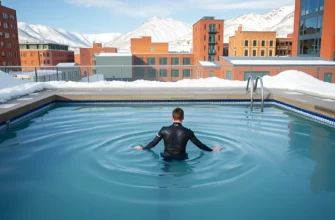
The sudden‚ sharp gasp for air when your skin hits 50-degree water is a physiological wake-up call that few other experiences can match. Cold water immersion (CWI) has evolved from an ancient recovery ritual used by Spartan warriors to a modern wellness staple for office workers and elite athletes alike.
While the initial shock feels like a fight-for-survival moment‚ the systemic shift occurring beneath the surface is where the real value lies. Understanding whether these plunges are truly beneficial requires looking past the social media trends and into the hard science of thermal stress.
Is Plunging in Cold Water Good for Your Long-Term Health?
Short-term discomfort can lead to long-term systemic resilience through a process known as hormesis. By exposing the body to controlled‚ low-level stress‚ you trigger cellular repair mechanisms that otherwise remain dormant in our climate-controlled lives.
One of the most significant long-term benefits is the reduction of chronic‚ low-grade inflammation. Regular exposure helps down-regulate pro-inflammatory cytokines while increasing the production of anti-inflammatory markers‚ which may protect against various age-related metabolic disorders.
Furthermore‚ cold plunges are a powerful tool for metabolic health. Cold exposure activates brown adipose tissue (BAT)‚ often called “brown fat‚” which is packed with mitochondria designed to burn energy to produce heat. Unlike white fat‚ which stores energy‚ brown fat consumes glucose and lipids to maintain your core temperature‚ effectively turning up your internal furnace and improving insulin sensitivity over time.
The Quick Comparison: Methods of Cold Immersion
Choosing the right method depends on your current cold tolerance‚ your budget‚ and the specific physiological outcomes you are chasing. Each approach offers a different level of thermal “pressure” on the nervous system.
| Method | Typical Temp | Intensity | Primary Benefit |
|---|---|---|---|
| Cold Shower | 55°F ― 65°F | Low | Low-barrier entry and mental alertness. |
| Dedicated Plunge Tub | 39°F ‒ 50°F | High | Precise temperature control and maximum BAT activation; |
| Natural Bodies of Water | Variable | Very High | Environmental “grit” and psychological grounding. |
The Dive Reflex: Is Plunging Your Face in Cold Water Good?
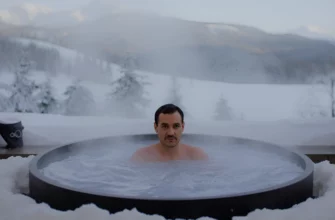
You don’t always need to submerge your entire body to reap the rewards of cold exposure. The face‚ specifically the area around the eyes and upper cheeks‚ is home to a high density of receptors that trigger a unique biological phenomenon known as the mammalian dive reflex.
When these receptors sense cold water‚ they send an immediate signal to the brain that you are underwater‚ causing an instantaneous drop in heart rate (bradycardia). This is a survival mechanism designed to preserve oxygen‚ but in a modern context‚ it acts as a “manual override” for the sympathetic nervous system‚ shifting you from a state of high stress into a calm‚ parasympathetic state within seconds.
How Facial Immersion Calms Your Nervous System
The dive reflex is essentially a direct line to the vagus nerve‚ the longest nerve of the autonomic nervous system. By splashing your face or submerging it in a bowl of ice water‚ you can halt a panic attack or lower acute anxiety by forcing the heart to slow down and the blood vessels in the extremities to constrict.
Beyond the neurological reset‚ there is a common debate about skin health. While cold water won’t permanently shrink your pores (pore size is largely genetic)‚ it does cause temporary vasoconstriction‚ which can reduce puffiness and give the skin a tighter‚ more vibrant appearance. However‚ the real prize remains the mental “blank slate” that follows the initial shock.
The Biological Payoff: Why Plunging Into Cold Water Is Good for You
The most profound effects of cold plunging happen in the brain’s chemistry. Unlike the fleeting “high” of caffeine‚ the neurochemical response to cold water is sustained and powerful. Research has shown that a single plunge can increase dopamine levels by up to 250%‚ a spike that remains elevated for several hours‚ providing a steady sense of focus and well-being.
This isn’t just about feeling good; it’s about building a more resilient brain. The release of norepinephrine during cold exposure enhances cognitive function and helps regulate the stress response‚ making you less reactive to the minor frustrations of daily life.
Boosting Mental Resilience and Focus
Every time you step into an ice bath‚ you are engaging in a battle with your own “limbic friction”—the resistance you feel when doing something difficult or uncomfortable. By overriding the urge to stay in the warmth‚ you strengthen the prefrontal cortex‚ the part of the brain responsible for executive function and impulse control.
This practice builds what many call “grit.” When you learn to manage your breath and remain calm while your body is screaming at you to get out‚ you are training your brain to handle high-cortisol situations in the real world with more grace and stability.
Physical Recovery and Muscle Health
Athletes have long used ice baths to combat delayed onset muscle soreness (DOMS). The mechanism is straightforward: cold causes intense vasoconstriction‚ which pushes metabolic waste products away from the muscle tissue. Once you exit the water and begin to warm up‚ fresh‚ oxygenated blood rushes back into the area‚ accelerating the repair process.
However‚ timing is everything. If your goal is maximum muscle growth (hypertrophy)‚ you should avoid cold plunging for at least 4 to 6 hours after a strength training session. The inflammation caused by lifting weights is actually the signal your body needs to grow bigger and stronger; by icing immediately‚ you may inadvertently “blunt” those gains.
The Essential Safety Checklist: Staying Safe After a Cold Plunge
Safety in cold water is not just about what happens while you are submerged; it is about how you handle the transition back to room temperature. Ignoring the physics of heat transfer can lead to dangerous drops in core temperature long after you’ve dried off.
- Never plunge alone in open water to ensure someone is available if you experience cold shock or a cramp.
- Control your breath before entry; avoid the urge to hyperventilate‚ as this can lead to lightheadedness and fainting.
- Limit your time to 2-5 minutes; the benefits plateau quickly‚ and staying in longer exponentially increases the risk of hypothermia.
- Dry off and layer up immediately after exiting the water to trap your remaining body heat.
- Avoid immediate hot showers; the sudden dilation of blood vessels can cause “afterdrop‚” where cold blood from your limbs rushes to your core‚ causing your internal temperature to plummet further.
Common Pitfalls to Avoid During Your First Dip
Approaching cold water with an “ego-first” mentality is the most common way to get hurt or discouraged. Success in CWI is about consistency and respect for the environment‚ not about who can endure the coldest temperature for the longest time.
Warning: Staying in the water until you start shivering uncontrollably is a sign that you have stayed in too long. Shivering is your body’s last-ditch effort to generate heat‚ and it indicates you have crossed the line from healthy stress into potential injury.
- Mistake 1: Staying in too long. More is not better. You only need enough time to trigger the hormonal response‚ which usually happens in the first 120 seconds.
- Mistake 2: Holding your breath. This increases internal pressure and can lead to a dangerous spike in blood pressure. Focus on long‚ slow exhalations instead.
- Mistake 3: Going alone in natural environments. Cold shock can cause an involuntary gasp reflex; if you are in deep water without a partner‚ this can lead to drowning.
Expert Perspective: Cold Stress Adaptation
In my professional experience‚ the most common error is chasing extreme temperatures too early. I always advise clients to focus on the Minimum Effective Dose. You do not need to sit in 33-degree water for 20 minutes to see results; for most people‚ 2 to 5 minutes at 50 degrees Fahrenheit is more than sufficient to trigger metabolic and mental benefits without the risk of hypothermia. Consistency beats intensity every single time. If you can only handle 60 seconds‚ do 60 seconds every day rather than 10 minutes once a month.
Frequently Asked Questions
Research suggests a total of 11 minutes per week‚ spread across 3 or 4 sessions‚ is the baseline for metabolic benefits. Even a 2-minute dip is enough to trigger a significant dopamine release.
Is it better to cold plunge in the morning or at night?
Morning is ideal. Cold exposure causes a spike in cortisol and core body temperature‚ both of which are natural wake-up signals. Doing this at night can disrupt your circadian rhythm and make falling asleep difficult.
Can cold plunging help with weight loss?
It helps by activating brown fat and increasing caloric burn through thermogenesis‚ but it is not a magic pill. It should be viewed as a metabolic supplement to a proper diet and exercise routine.
Who should avoid cold water immersion?
Individuals with heart conditions‚ high blood pressure‚ or Raynaud’s disease should avoid plunging. Pregnant women and those with respiratory issues should always consult a doctor before starting cold therapy.
What is the afterdrop and why is it dangerous?
Afterdrop occurs when cold blood from the extremities returns to the heart and brain after you exit the water. This can cause your core temperature to continue falling even though you are in a warm room‚ leading to dizziness or intense shivering.