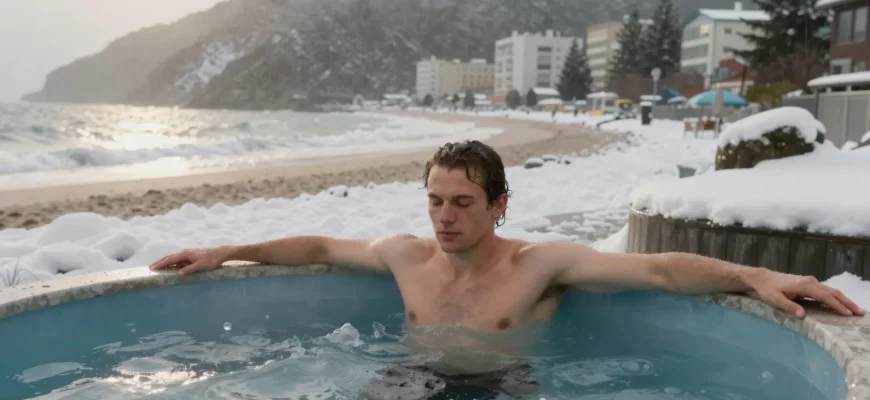
- Understanding How Cold Plunge Weather Affects Your Body and Water Temperature
- How to stay safe when the air is colder than the water
- Where to Find the Best Cold Plunges in Prescott, Cottonwood, and the Verde Valley
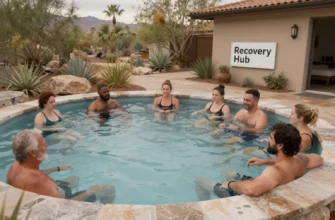
- Local Recovery Hubs in Prescott and Chino Valley
- Exploring the Verde Valley: Cottonwood and Camp Verde Options
- Is a Cold Plunge in the Afternoon Better for Your Recovery?
- Why timing matters for your sleep and energy
- Recognizing When It Is Too Cold for a Polar Plunge Safely
- The warning signs of overexposure
- Essential Checklist for Your Next Outdoor Session
- Expert Perspective: High-Desert Cold Therapy
- Frequently Asked Questions
Understanding How Cold Plunge Weather Affects Your Body and Water Temperature
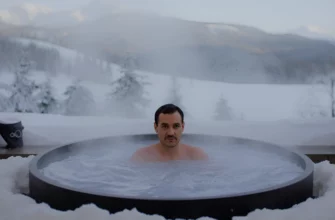
The relationship between the air surrounding your tub and the liquid inside it is governed by the laws of thermodynamics, specifically conductive and convective heat transfer. While water retains its temperature far longer than air due to its high heat capacity, a sudden cold front moving southeast across Northern Arizona can rapidly alter the safety profile of an outdoor setup.
When the ambient air temperature drops significantly below the water temperature, the thermal gradient increases, which can accelerate the rate at which your body loses heat once you exit the water. This environmental shift requires a more nuanced approach to your recovery routine than simply checking a thermometer.
How to stay safe when the air is colder than the water
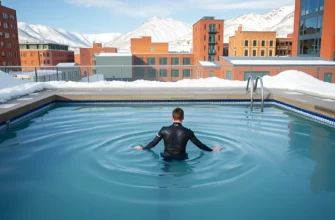
The phenomenon known as the afterdrop is perhaps the most significant risk during a winter session in Yavapai County. As you exit the water, blood begins to recirculate from your cold extremities back to your core; if the air is freezing, this process can cause your internal temperature to continue falling even after you are dry. To mitigate this, always prioritize drying your torso and head first, as these areas lose heat most rapidly through evaporation and radiation.
Protecting your hands and feet is equally vital when the air is biting. Because blood flow is restricted to the extremities during a plunge, your fingers and toes are highly susceptible to frostnip if exposed to sub-freezing air for even a few minutes post-plunge. Utilizing neoprene booties or keeping a pair of heavy wool socks immediately reachable can prevent the painful “screaming barfies” associated with rapid rewarming of the nerves.
To effectively manage how to reduce inflammation without compromising safety, focus on the duration rather than just the intensity of the cold. On days when the wind chill is high, limit your immersion to three minutes or less to ensure you have enough metabolic energy left to generate heat once you are back in the dry air. Staying safe after a cold plunge requires a proactive plan that includes a warm environment and dry layers ready for immediate use.
Where to Find the Best Cold Plunges in Prescott, Cottonwood, and the Verde Valley
The high-desert climate of Yavapai County provides a diverse backdrop for cold water therapy, ranging from the sub-alpine winters of Prescott to the more temperate, riparian environments of the Verde Valley. Each location offers a unique atmospheric pressure and humidity level that changes how the body perceives the cold.
| Location | Average Winter Temp | Environment Type | Primary Benefit |
|---|---|---|---|
| Prescott / PV | 35°F ⎼ 55°F | High Elevation / Dry | Maximum metabolic demand |
| Chino Valley | 30°F — 50°F | Open Plains / Windy | Resilience training |
| Cottonwood | 40°F ⎼ 60°F | High Desert / Riparian | Moderate thermal stress |
| Camp Verde | 42°F ⎼ 62°F | River Valley | Accessible natural dips |
Local Recovery Hubs in Prescott and Chino Valley
For those seeking cold plunges in Prescott Valley, the community wellness scene has expanded to include several high-end recovery centers that offer filtered, temperature-controlled tubs. These facilities are ideal for beginners because they eliminate the “guesswork” of natural water temperatures, providing a consistent 45-degree environment regardless of the fluctuating Arizona weather.
In Chino Valley, the landscape is often more exposed, making outdoor home setups a test of mental fortitude. The wind across the plains can make a 50-degree plunge feel significantly more intense. When looking for cold plunges in Chino Valley, many residents opt for heavy-duty insulated stock tanks that can withstand the overnight freezes common at 4,700 feet of elevation.
Exploring the Verde Valley: Cottonwood and Camp Verde Options
Descending nearly 2,000 feet into the Verde Valley changes the recovery dynamics entirely. If you are searching for cold plunges in Cottonwood, you will find a mix of boutique wellness studios and private clubs that leverage the slightly warmer regional climate to offer outdoor sessions year-round. The higher humidity near the river can actually make the air feel “heavier,” which impacts how quickly you dry off.
Further south, cold plunges in Camp Verde often revolve around the Verde River itself. While natural immersion offers the benefit of moving water—which breaks the thermal layer around your skin—it requires strict adherence to safety protocols. Never plunge in the river during or immediately after a heavy rain, as runoff can drastically increase current speeds and decrease water quality.
Is a Cold Plunge in the Afternoon Better for Your Recovery?
The timing of your cold water immersion can significantly influence your hormonal response and subsequent recovery quality. While the “morning shock” is popular for boosting alertness, emerging research suggests that an afternoon session may be superior for muscular repair and managing the body’s natural circadian rhythms.
| Feature | Morning Plunge | Afternoon Plunge |
|---|---|---|
| Primary Hormone | Cortisol / Adrenaline | Norepinephrine |
| Body Temperature | Rising from daily low | At daily peak |
| Recovery Goal | Mental clarity & focus | Inflammation reduction |
| Sleep Impact | Alertness for 6+ hours | Potential for deeper REM |
Why timing matters for your sleep and energy
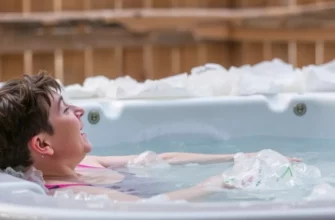
A cold plunge in the afternoon serves as a powerful “thermal reset” for the central nervous system. Between 2:00 PM and 5:00 PM, your core body temperature is typically at its highest, and your muscles are likely fatigued from daily activity or a mid-day workout. By introducing cold at this peak, you trigger a more dramatic vasoconstriction response, which helps flush metabolic waste more efficiently than in the early morning.
Choosing the best time for cold water therapy depends largely on your goals. If you suffer from the “afternoon slump,” a quick two-minute dip can provide a non-stimulant energy boost that lasts until evening. However, avoid plunging within two hours of your bedtime, as the spike in norepinephrine and the subsequent rise in core temperature during rewarming can make it difficult for some people to fall asleep.
Recognizing When It Is Too Cold for a Polar Plunge Safely
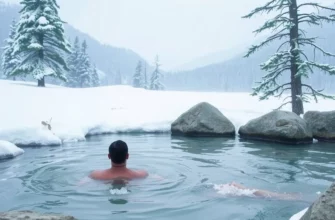
There is a fine line between a challenging recovery session and a dangerous exposure event. In Northern Arizona, where temperatures can swing 40 degrees in a single day, “ego-plunging” is a common trap. Understanding the environmental markers that signal a “no-go” day is essential for long-term wellness.
Critical Safety Warning: If the wind chill brings the effective temperature below 15°F, or if you must break more than two inches of surface ice to enter the water, the risk of skin damage and severe hypothermia outweighs the recovery benefits. Always prioritize your safety over a streak or a social media post.
The warning signs of overexposure
The primary indicator that it is too cold for a polar plunge is a loss of manual dexterity. If you find that you cannot touch your pinky finger to your thumb with ease after exiting, you have likely stayed in too long or the air temperature is too low for safe rewarming. This lack of coordination is a precursor to more serious stages of cold stress.
Water temperature safety is not just about the number on the dial; it is about the duration of exposure. When the ambient air is freezing, reduce your water time by 50%. Your body is already working overtime to maintain its core temperature in the air; adding the intense conductive cooling of the water can lead to a “shiver response” that is difficult to stop once it starts.
- Avoid breaking thick ice with your bare hands; use a dedicated tool to prevent lacerations.
- Never plunge alone when the air temperature is below freezing.
- Skip the session if you are already feeling under the weather or are sleep-deprived.
Essential Checklist for Your Next Outdoor Session
Preparation is the difference between a successful recovery session and a miserable experience. In the variable weather of the high desert, having your gear organized ensures a smooth transition from the water back to a state of homeostasis.
- A high-quality thermometer: Don’t guess the temperature; different depths can vary by several degrees.
- The “Warmth Kit”: A heavy robe, a beanie, and oversized mittens that are easy to slide onto numb hands.
- Insulated Mat: Standing on frozen ground or concrete post-plunge will suck heat out of your feet; use a rubber mat or a thick towel to stand on while drying;
- Hot Beverage: A thermos of herbal tea or warm water (not boiling) to help warm the core from the inside out.
- Windbreak: If plunging in an open area like Chino Valley, set up a temporary screen to block the wind during your exit.
- Timing Device: Use a waterproof timer with an audible alarm so you don’t have to rely on your “internal clock,” which slows down in the cold.
Expert Perspective: High-Desert Cold Therapy
In my professional experience working with athletes across Yavapai County, the most overlooked variable isn’t the water—it’s the humidity. In places like Prescott, our air is incredibly dry. This means that the moment you step out of the water, “evaporative cooling” kicks into overdrive. I have found that a 45-degree plunge in the Arizona desert can feel more taxing on the body than a 38-degree plunge in a humid climate like Florida. I always advise my clients to focus entirely on the “dry-off” phase. If you don’t have a towel in your hand within three seconds of exiting, you’re losing the recovery battle. The dry cold will strip your heat faster than you realize, making a windproof outer layer your best friend during the winter months.
Frequently Asked Questions
Beginners should aim for a range between 50°F and 59°F. This provides enough of a “shock” to trigger the mammalian dive reflex without causing immediate panic or dangerous levels of thermal stress.
How long should I stay in the water during a cold front?
When a cold front brings freezing air, limit your immersion to 2-3 minutes. This prevents excessive afterdrop and ensures you have enough internal energy to rewarm safely in the cold air.
Are there public cold plunge spots in Cottonwood, AZ?
While there are natural access points along the Verde River, most practitioners prefer local wellness centers or private recovery hubs for safety. Always ensure you have legal access and never plunge in the river alone.
Can I cold plunge in the afternoon if I have trouble sleeping?
You can, but be sure to finish your session at least 3-4 hours before bed. The release of norepinephrine and the subsequent metabolic “burn” can keep your nervous system too alert for immediate sleep.
What should I wear for a polar plunge in Prescotts winter?
I highly recommend wearing neoprene booties and gloves. Protecting the extremities allows you to stay in the water comfortably for the required 2-3 minutes without the pain associated with freezing fingers and toes.
How does weather affect my heart rate during a plunge?
Colder ambient air can intensify the initial “gasp response,” causing a sharper spike in heart rate. Focus on slow, controlled exhalations to activate the parasympathetic nervous system and bring your heart rate down quickly.