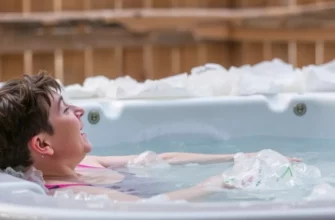
- The Science of Submersion: What is a Cold Plunge Tub and How Does It Work?
- How Cold Water Immersion Tubs Regulate Temperature
- Comparing Your Options: Portable Inflatables vs․ All-In-One Systems
- Is a Blow Up Cold Plunge Tub Right for Your Space?
- Sanitation Secrets: How to Keep Your Cold Plunge Tub Clean
- The Weekly Maintenance Routine for Crystal Clear Water
- Temperature Versatility: Can You Put Hot Water in a Cold Plunge Tub?
- Protecting Your Equipment from Heat Damage
- Maximizing Your Sessions: Common Mistakes to Avoid
- Staying Safe After a Cold Plunge
- Frequently Asked Questions
The Science of Submersion: What is a Cold Plunge Tub and How Does It Work?
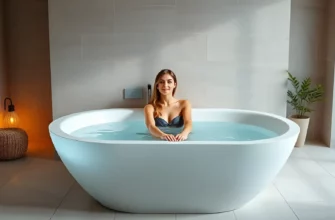
At its core, a cold plunge tub is a specialized vessel engineered to facilitate cold water immersion (CWI), a recovery practice that involves submerging the body in water typically ranging from 39°F to 59°F․ Unlike a standard bathtub filled with tap water, these dedicated units are designed to maintain precise temperatures for extended periods, providing a consistent physiological stimulus for recovery and mental resilience․
While the concept of jumping into a frozen lake is ancient, modern technology has refined the process into two distinct categories: passive and active systems․ A passive tub relies on the manual addition of ice to reach target temperatures, whereas an active system utilizes an integrated refrigeration unit to pull heat from the water and maintain a set point indefinitely․
How Cold Water Immersion Tubs Regulate Temperature
The true magic of a professional-grade plunge cold water immersion tub lies in its ability to fight against your own body heat․ When you enter cold water, your body immediately begins transferring thermal energy to the liquid surrounding you, which can create a “thermal sleeve” of warmer water around your skin․
To counter this, high-end units employ powerful water circulation pumps that keep the water moving, effectively breaking that thermal layer and ensuring your skin is constantly exposed to the target temperature․ This constant movement is a key factor in how to reduce inflammation effectively, as it forces the body to remain in a state of vasoconstriction throughout the entire session․
Active tubs use a chiller unit, which functions similarly to an air conditioner․ A refrigerant gas is compressed, cooled, and then allowed to expand in a heat exchanger, where it absorbs heat from the tub’s water․ This cycle continues until the digital thermostat reaches your desired setting, allowing for precise temperature control within a single degree of your target․
Comparing Your Options: Portable Inflatables vs․ All-In-One Systems
Choosing the right equipment depends heavily on your available space, budget, and how often you plan to use the unit․ While a high-end acrylic tub looks like a piece of luxury furniture, a blow up cold plunge tub offers a level of flexibility that many homeowners find indispensable for their initial foray into hydrotherapy․
The primary trade-off between these systems usually comes down to insulation efficiency and the complexity of the filtration hardware․ A permanent setup often features multi-stage filtration and ozone sanitation, whereas portable units may require more frequent manual maintenance or simpler cartridge filters․
| Feature | Portable Inflatable Tub | All-In-One Rigid System |
|---|---|---|
| Setup Time | 15–30 minutes (Air pump required) | Professional install or heavy lifting |
| Insulation | Moderate (Air-walled or drop-stitch) | High (Insulated acrylic or wood) |
| Durability | 3–5 years with proper care | 10+ years (Permanent materials) |
| Portability | Extremely high (Fits in a carry bag) | Fixed location (Requires 2–4 people to move) |
| Cost Range | $500 – $1,500 | $4,000 – $15,000+ |
Is a Blow Up Cold Plunge Tub Right for Your Space?
Deciding on an inflatable recovery tub often comes down to the “footprint vs․ frequency” debate․ These units use high-pressure drop-stitch technology—the same material used in stand-up paddleboards—which allows them to become rock-hard when inflated, providing enough structural integrity to sit on the edge without the walls collapsing․
For those living in apartments or rental properties, portable cold therapy tools are the gold standard․ They allow you to test your commitment to the practice without a permanent renovation․ However, be aware that air-filled walls have lower R-values than foam-insulated rigid tubs, meaning your chiller will work harder and run longer to maintain low temperatures in hot climates․
Sanitation Secrets: How to Keep Your Cold Plunge Tub Clean
Maintaining water quality is the single most important aspect of owning a cold water system․ Because you are submerging your entire body, the water quickly accumulates skin cells, oils, and sweat, which can lead to the formation of a biofilm—a slimy layer of bacteria that adheres to the walls of the tub․
To keep a clean cold plunge tub, you must think of it as a tiny, very cold swimming pool․ Without a robust water maintenance routine, the water can become cloudy or develop an odor within just a few days of heavy use․
- Shower Before You Plunge: Removing body oils and lotions before entry can extend your filter life by 300%․
- Check the Micron Filter: Most systems use a 20-micron or 5-micron pleated filter; replace or rinse these weekly to prevent pump strain․
- Utilize Ozone or UV-C: These secondary sanitation methods kill bacteria and viruses at the molecular level, reducing the need for harsh chemicals․
- Monitor pH Levels: Keep your water between 7․2 and 7․6 to prevent corrosion of the chiller’s internal heat exchanger․
- Skim Daily: Use a fine-mesh net to remove any surface debris like hair or dust before it reaches the filtration intake․
The Weekly Maintenance Routine for Crystal Clear Water
Consistency is the enemy of algae and bacteria․ A dedicated weekly routine ensures that you never have to deal with a “swampy” tub․ Start by wiping down the waterline with a non-abrasive cloth to remove any “scum line” that has formed from body oils․
If your unit uses a chiller, check the air intake fins for dust or pet hair․ A clogged chiller cannot breathe, which leads to overheating and potential motor failure․ For those using a simple inflatable without a built-in filter, you should drain and scrub the unit every 48 to 72 hours to ensure total sanitation․
Temperature Versatility: Can You Put Hot Water in a Cold Plunge Tub?
A common question among biohackers is whether their cold plunge can double as a hot tub for contrast therapy․ While the idea of a 2-in-1 system is appealing, you must proceed with extreme caution․ Most units are specifically engineered for cold, and introducing high heat can lead to catastrophic equipment failure․
The primary concern is the material tolerance of the tub liner and the internal gaskets of the plumbing․ Standard PVC and certain adhesives used in inflatable tubs can soften or lose their structural integrity when exposed to water temperatures above 105°F․
- DO NOT use the chiller unit while the water is hot; most heat exchangers are not designed to handle high-temperature intake․
- DO check the manufacturer’s maximum temperature rating, which is usually found in the technical manual․
- DO NOT add boiling water to a cold tub to “speed up” the warming process, as the thermal shock can crack acrylic shells․
- DO invest in a dual-purpose “fire and ice” unit if you plan on regular heat exposure, as these have reinforced plumbing and specialized heaters․
Protecting Your Equipment from Heat Damage
If your tub is made of acrylic or high-density polyethylene, it may handle moderate warmth, but the “can you put hot water in a cold plunge tub” question usually refers to hot-tub-level heat (104°F+)․ At these temperatures, expansion and contraction of the pipes can lead to slow leaks at the connection points․
Furthermore, if you are using an inflatable model, high heat can cause the air inside the chambers to expand rapidly․ If the pressure relief valve is not functioning, the internal seams of the tub may burst, leading to a permanent “bubble” in the wall or total deflation․ Always stay within the recommended temperature limits to protect your warranty․
Maximizing Your Sessions: Common Mistakes to Avoid
Stepping into 40-degree water is a significant stressor on the central nervous system․ The goal of cold therapy is to trigger a hormetic response—a beneficial stress—without crossing the line into physical trauma․ One of the most frequent errors is staying in the water too long in an attempt to “tough it out․”
Research suggests that the benefits of cold water immersion, such as vagus nerve stimulation and dopamine release, plateau after about 5 to 10 minutes․ For most people, two to five minutes is the “sweet spot” for metabolic and recovery benefits․
Warning: The Afterdrop Effect
After you exit the tub, your body continues to cool down as cold blood from your extremities rushes back to your core․ This is known as “afterdrop,” and it can cause intense shivering or dizziness 10–15 minutes after your session․ Always have a warm towel and dry clothes ready to mitigate this effect․
Staying Safe After a Cold Plunge
The minutes following your plunge are just as important as the time spent in the water․ Many beginners make the mistake of jumping directly into a hot shower․ This causes rapid vasodilation, which can lead to a sudden drop in blood pressure and fainting․
Instead, practice natural rewarming․ Move your body gently, put on warm layers, and sip a room-temperature beverage․ This allows your vascular system to return to its normal state gradually․ For maximum cold therapy safety, never plunge alone if you are pushing your limits, as the cold shock response can occasionally lead to hyperventilation or a temporary loss of motor control․
In my professional experience working with elite athletes, I have found that the biggest hurdle isn’t the cold itself, but the ego․ I always advise my clients that consistency in a cold plunge tub is infinitely more valuable than a single, ultra-cold session․ You do not need to sit in 34°F water to see results; in fact, 50°F to 55°F is often the ideal range for promoting muscle recovery while maintaining a manageable level of stress on the heart․ Focus on your breath, stay calm, and remember that the goal is recovery, not a test of endurance․
Frequently Asked Questions
For most users, 2 to 5 minutes is ideal․ The physiological benefits for inflammation and mood typically plateau after this window, and staying longer increases the risk of hypothermia without adding significant value․
What is the ideal temperature for a cold plunge?
A range between 50°F and 59°F (10°C to 15°C) is the recommended starting point․ This temperature is cold enough to trigger the cold shock response and reduce inflammation while remaining safe for most healthy individuals․
Can I use a regular bathtub instead of a cold plunge tub?
While possible, regular bathtubs lack insulation and depth․ They struggle to stay cold enough for a true therapeutic effect, and the shallow water makes it difficult to submerge the chest and neck, which are key areas for vagus nerve stimulation․
How often should I change the water in my tub?
If your tub has a high-quality filtration and ozone system, you should change the water every 3 to 4 weeks․ For tubs without any filtration, the water must be changed every 1 to 2 days to prevent bacterial growth․
Do I need to wear anything specific while plunging?
Standard swimwear is sufficient․ However, if your hands or feet become painfully cold, wearing neoprene socks or gloves can help you stay in the water longer by protecting the areas with the least blood flow․