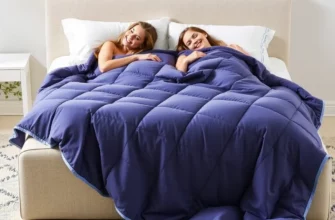
- Deciding What Weight Weighted Blanket Should I Get for Better Sleep
- The 10% Rule: Calculating Your Ideal Pressure
- Quick Reference Guide: Body Weight vs. Recommended Blanket Weight
- Finding Your Bracket: From 100 to 250+ Pounds
- Weight Guidelines for Specific Adult Profiles
- If You Weigh Between 100 and 150 Pounds
- The Best Weighted Blanket for a 200 lb Person and Beyond
- Choosing for Children: Safety and Age-Appropriate Weights
- Is Your Child Old Enough for a Weighted Blanket?
- Common Mistakes When Choosing Your First Weighted Blanket
- Why Heavier Isnt Always Better
- The In-Between Dilemma: Should You Size Up or Down?
- When to Choose the Heavier Option
- Before You Buy Checklist: Factors Beyond Body Weight
- Materials and Construction Matters
- Frequently Asked Questions
Deciding What Weight Weighted Blanket Should I Get for Better Sleep
Choosing the right weighted blanket is more than just a shopping decision; it is a tactical approach to improving your sleep hygiene through deep pressure stimulation. This therapeutic technique mimics the sensation of being hugged or held, which can trigger the release of serotonin while simultaneously lowering cortisol levels.
The fundamental starting point for most users is the 10% rule, but finding your perfect match requires looking at your specific sleep posture, sensory needs, and physical health. A blanket that is too light will fail to provide the necessary proprioceptive input, while one that is too heavy can lead to morning aches or a feeling of being trapped.
The 10% Rule: Calculating Your Ideal Pressure
For most adults, the gold standard for determining a good weight for weighted blanket is to calculate 10% of your total body weight. If you weigh 150 pounds, a 15-pound blanket is your baseline. This ratio has been established through clinical observations by occupational therapists who found that this specific pressure level is enough to ground the nervous system without restricting natural movement during the night.
However, the calculation is rarely an exact science because manufacturers typically produce blankets in five-pound increments, such as 10, 15, 20, and 25 pounds. If you fall between these brackets, the general advice is to add one or two pounds to the 10% figure rather than rounding down. This ensures the pressure is sufficient to bypass the “light touch” receptors and engage the deeper pressure sensors in your muscles and joints.
You must also consider your physical strength and mobility. While the 10% rule works for the majority, individuals with respiratory issues, circulatory problems, or significant joint pain should exercise caution. If you are wondering how to know what weight weighted blanket to get and you have these health concerns, always opt for a lighter version to ensure you can easily remove the blanket during the night without assistance.
Quick Reference Guide: Body Weight vs. Recommended Blanket Weight
Visualizing the relationship between your mass and the blanket’s density helps narrow down the choices quickly. The following table provides a streamlined look at the most common weight brackets to help you identify the best weighted blanket weight chart for your specific needs.
| User Body Weight (lbs) | Recommended Blanket Weight (lbs) | Common User Profile |
|---|---|---|
| 100 – 130 lbs | 10 – 12 lbs | Petite adults or teenagers transitioning from youth sizes. |
| 140 – 190 lbs | 15 – 20 lbs | The most common adult range; 15 lbs is the industry bestseller. |
| 200 – 250+ lbs | 20 – 30 lbs | Requires higher density to ensure pressure is felt through larger surface areas. |
Finding Your Bracket: From 100 to 250+ Pounds
If you are in the 100-130 lb range, a 10-lb or 12-lb blanket is ideal. At this weight, a 15-lb blanket might feel overwhelming, especially if you are a side sleeper. Side sleepers concentrate the blanket’s weight onto a smaller surface area (the hips and shoulders), which can increase the perceived pressure significantly compared to back sleepers who distribute the weight across their entire torso.
For those in the 140-190 lb bracket, the 15-lb and 20-lb options are your primary targets. If you are asking what pound weighted blanket should i get and you weigh 160 lbs, a 15-lb blanket is the safest bet for a first-time user. However, if you have high levels of nighttime anxiety or restless leg syndrome, stepping up to the 20-lb mark often provides the extra grounding necessary to still the limbs.
Users weighing over 200 lbs often find that a 20-lb blanket feels like a standard comforter. To achieve the therapeutic effects of deep pressure, you will likely need a 25-lb or even a 30-lb option. Be aware that as the weight increases, heat retention becomes a factor. Look for blankets with glass bead fillers rather than plastic pellets, as glass is less bulky and allows for better airflow through the fabric layers.
Weight Guidelines for Specific Adult Profiles
General charts are helpful, but many users have specific body types that don’t fit perfectly into a 10% bucket. Whether you are petite, athletic, or have a higher BMI, your body composition changes how the blanket interacts with your nervous system. Height plays a massive role here; a 150-lb person who is 5’2″ will experience a blanket very differently than a 150-lb person who is 6’0″.
The shorter individual has less surface area, meaning the 15 lbs of glass beads are more concentrated over their body. The taller individual will have the weight spread out further, potentially making the blanket feel “lighter” than it actually is. When looking for the best weighted blanket for my weight, consider your height-to-weight ratio before making the final purchase.
If You Weigh Between 100 and 150 Pounds
If i weigh 105 what size weighted blanket for adults should I choose? For a 105-lb user, a 10-lb blanket is the textbook answer. However, many adults at this weight prefer the 12-lb option if they are looking for a “heavy hug” feel. If you weigh 115 or 125 lbs, the 12-lb blanket is almost always the perfect middle ground. It provides enough heft to reduce tossing and turning without causing any respiratory discomfort.
For the 135 to 150 lb range, the 15-lb blanket is the standard. If you weigh 135 and are wondering what size weighted blanket is best, the 15-lb option is technically slightly over the 10% rule, but it is widely considered the most effective for anxiety relief. On platforms like Reddit, the best weighted blanket weight for 140lb users is frequently cited as 15 lbs because it balances ease of movement with calming pressure.
If you weigh 150 lbs and are a very “hot” sleeper, you might actually want to round down to a 12-lb blanket made of bamboo or cooling tech. The best weight for a weighted blanket 150 lbs isn’t just about the number on the scale; it’s about whether you can stay under it for eight hours without waking up drenched in sweat. Weight density contributes to heat insulation, so choosing the right material is as vital as the poundage.
The Best Weighted Blanket for a 200 lb Person and Beyond
When you reach the 200 lb mark, the 10% rule suggests a 20-lb blanket. This is a substantial piece of bedding. For a 200 lb person, the best weighted blanket for a 200 lb person is often the 20-lb model if they are new to weighted therapy. However, for those with chronic insomnia or sensory seeking behaviors, a 25-lb blanket may be required to get the brain to “shut off” for the night.
If you are deciding between 20 or 25 lbs for weighted blanket use, look at your primary sleeping position. Back sleepers can typically handle more weight because the pressure is distributed across the ribcage and thighs. If you are a stomach sleeper, stay closer to the 15-lb or 20-lb range to avoid putting excessive pressure on your internal organs and lower back, which can lead to spinal misalignment over time.
For those weighing 250 lbs or more, specialized 30-lb blankets are available. These are often larger in dimensions (King size) to ensure the weight is not too concentrated in one spot. If you weigh 190 lbs to 200 lbs, don’t feel pressured to go to 25 lbs immediately. Start with a 20-lb blanket; you can always add a standard quilt on top to increase the “feel” without committing to the extra five pounds of internal beads.
Choosing for Children: Safety and Age-Appropriate Weights
Pediatric use of weighted blankets requires a much stricter adherence to safety protocols. Unlike adults, children are still developing their respiratory strength and bone structure. A blanket that is too heavy for a child isn’t just uncomfortable; it can be dangerous. The rule for children is generally 10% of their body weight plus one or two pounds, but this should only be applied to children who meet the age and physical milestones.
Never use a weighted blanket for an infant or a toddler. Most experts and manufacturers agree that children should be at least 3 years old and weigh at least 30 pounds before using any weighted bedding. The most important safety check is the “self-removal” test: the child must be able to lift the blanket off their own body and head without help.
Is Your Child Old Enough for a Weighted Blanket?
How old for a weighted blanket is safe? The consensus is no younger than 3 years old. Even at age 3, the child must have the motor skills to manipulate the blanket. For school-aged children, weighted blankets can be a game-changer for those with ADHD or sensory processing disorders, as it helps ground them after a day of high stimulation at school.
If you are looking for the weight of weighted blanket for 80 lb child, the calculation (10% + 2 lbs) brings you to 10 lbs. However, many parents find that an 8-lb blanket is a better starting point. A 5lb or 6lb blanket is the entry-level for children weighing between 40 and 60 lbs. These smaller blankets are often designed with fun covers, but the internal weight distribution is what matters most.
When selecting the best weight for kids weighted blanket, consider the dimensions. A child’s weighted blanket should be smaller than a standard twin. If the blanket is too large, the weight will hang off the sides of the bed, potentially pulling the blanket off the child or creating uneven pressure that makes it difficult for them to get comfortable. Keep the blanket sized to the child’s body, not the bed.
Common Mistakes When Choosing Your First Weighted Blanket
The most frequent error people make is treating a weighted blanket like a standard comforter. You shouldn’t buy a King-sized weighted blanket for a King-sized bed if you are the only one using it. If the blanket hangs over the edges of the mattress, gravity will pull the weight toward the floor, leaving you with very little pressure on your body and a blanket that constantly slides off in the night.
Another mistake is ignoring the maintenance requirements. Weighted blankets are difficult to clean. Before you buy a 25-lb blanket, you need to know if your home appliances can actually wash it. Overloading a home washing machine can snap the suspension springs or burn out the motor, leading to expensive repairs that far exceed the cost of the blanket itself.
Why Heavier Isnt Always Better
There is a common misconception that more weight equals more relaxation. This is not always true. If the blanket is too heavy, you may experience joint soreness in the mornings, particularly in the knees and hips. If you find yourself struggling to turn over or feeling a sense of panic (claustrophobia), the blanket is definitely too heavy for your current needs.
In the 12 or 18 lb weighted blanket dilemma, if you are a first-time user and weigh around 150 lbs, round down to the 12-lb or 15-lb option. You can always adjust to a heavier weight later, but jumping into an 18-lb or 20-lb blanket can be a shock to the system. Furthermore, consider the max weight for samsung vrt washer weighted blanket limits; many high-efficiency home washers have a weight limit of 20 lbs for bedding cycles.
- Buying for the Bed, Not the Person: Always size the blanket to your body dimensions to prevent it from sliding off.
- Ignoring the Filler Type: Plastic pellets are cheaper but bulkier and hold more heat than glass beads.
- Neglecting the Cover: A weighted blanket without a removable duvet cover is a nightmare to keep clean.
- Skipping the Break-In Period: Use the blanket for 20 minutes a day for the first week to let your nervous system acclimate.
- Forgetting the Washer Limit: Check your manual; most residential washers cannot handle blankets over 20 lbs without damage.
The In-Between Dilemma: Should You Size Up or Down?
What happens when you weigh 165 lbs? The 10% rule suggests 16.5 lbs, but you are likely choosing between a 15-lb and a 20-lb blanket. This is the “in-between” dilemma. The decision should be based on your sensory profile. Are you a “sensory seeker” who loves firm hugs and heavy clothing, or are you “sensory defensive” and easily overwhelmed by physical restriction?
If you are asking what lb weighted blanket do i need and you fall between sizes, think about your primary goal. If you want to manage severe anxiety or restless legs, sizing up is usually the better path. If you just want a bit of extra comfort and are prone to feeling hot or restricted, sizing down will provide a much better long-term experience.
When to Choose the Heavier Option
You should choose the heavier option if you have high sensory-seeking needs. People with ADHD or Autism often find that standard weights aren’t enough to provide the “grounding” they require. In these cases, a 20-lb blanket for a 160-lb person might be exactly what is needed to reach that state of calm. If you are wondering what weighted anxiety blanket should i get, the heavier end of your range is often the most effective for “turning off” a racing mind.
Another reason to size up is if you plan to use the blanket primarily for your legs. Many people find that they don’t like the weight on their chest but love it on their lower body to combat restlessness. If the weight is only covering 50% of your body, you can afford to go heavier because the total pressure on your respiratory system is significantly lower.
Conversely, if you are claustrophobic, never size up. Even a slight increase in weight can trigger a “trapped” sensation that leads to a spike in heart rate—the exact opposite of what you want. For those with anxiety rooted in physical restriction, a 10-lb or 12-lb blanket is often plenty to provide a sense of security without the risk of a panic response.
Before You Buy Checklist: Factors Beyond Body Weight
Weight is the most critical factor, but it isn’t the only one. The construction of the blanket determines how that weight actually feels on your skin. A poorly made 15-lb blanket with large quilted squares will feel like a series of heavy lumps, whereas a high-quality blanket with small 4-inch diamond pockets will feel like a smooth, even layer of pressure.
You should also look at the “density” of the filler. Glass beads are much smaller than plastic pellets, meaning the blanket can be thinner while maintaining the same weight. This makes the blanket more breathable and less like a heavy winter coat, which is vital for year-round use. If you are asking what weighted blanket do i need, always prioritize glass beads for a premium experience.
Materials and Construction Matters
When it comes to fabric, the best thread count for weighted blanket covers is usually between 300 and 400. You want a tight weave to prevent the tiny glass beads from leaking out over time, but you also need breathability. Cotton is the standard for a reason—it’s durable and cool. If you are a hot sleeper, look for “cooling” fabrics like Lyocell or Eucalyptus-derived fibers.
- Check the Pocket Size: Smaller quilted squares (under 5 inches) ensure the weight doesn’t shift to one side.
- Verify the Filler: Choose micro-glass beads over plastic for better temperature regulation and a quieter sleep.
- Duvet Ties: Ensure the blanket has at least 8 internal ties to secure it to its cover; otherwise, it will bunch up inside.
- Dimensions: A 48″ x 72″ blanket is perfect for a single adult; a 60″ x 80″ is better for Queen beds but harder to wash.
- Reinforced Stitching: Double-stitched edges are a critical requirement for blankets over 15 lbs to prevent seam bursts.
In my professional experience working with sensory processing, I have found that weight distribution is often more impactful than the total poundage. I always advise my clients that a blanket’s effectiveness is tied to how “contoured” it can get to the body. If the blanket is too stiff, the weight sits on the high points of your body (shoulders and knees) rather than wrapping around you. This can actually cause pressure sores over time. Furthermore, I must remind anyone with pre-existing respiratory, circulatory, or joint issues to consult a physician before using a blanket that exceeds 10% of their body weight. The goal is calming the nervous system, not taxing the physical body.
Frequently Asked Questions
If a blanket is too heavy, it can lead to restricted breathing, joint pain, and increased body temperature. You might also feel “trapped,” which can trigger anxiety rather than reducing it.
I weigh 150 lbs, what weighted blanket do I need?
The standard recommendation for a 150 lb person is a 15 lb weighted blanket. However, if you prefer a lighter touch or sleep hot, a 12 lb option is a perfectly acceptable alternative.
Can I use a weighted blanket that is heavier than the 10% rule?
Yes, experienced users or those with high sensory-seeking needs often go up to 12% or 15%. However, this is not recommended for children or first-time users who aren’t yet accustomed to the pressure.
Is a 15 lb weighted blanket too heavy for a 120 lb person?
It is slightly above the recommended 10% (which would be 12 lbs). While some may find the 15 lb pressure therapeutic, others may find it too restrictive for a full night’s sleep.
How do I know if my washing machine can handle a 20 lb blanket?
Check your washer’s manual for its “dry weight” capacity. Most standard residential washers struggle with items over 15-20 lbs; for heavier blankets, using a commercial laundromat is much safer for your machine.
What is the most popular weight for a weighted blanket for adults?
The 15 lb and 20 lb blankets are the industry standards. They cover the widest range of adult body weights (140 lbs to 200 lbs) and are the most widely available sizes.