- Understanding What Weighted Blankets Are Made Of
- The Layered Architecture of Heavy Blankets
- The Core Ingredients: What Are Weighted Blankets Filled With?
- Micro Glass Beads vs. Plastic Poly Pellets
- Softness and Breathability: What Material is Used in Weighted Blankets for the Outer Shell?
- Choosing Between Natural Cotton and Cooling Bamboo
- The Engineering Process: How Are Weighted Blankets Made?
- The Role of Polyfill and Stitching in Weight Distribution
- Common Materials to Avoid and Quality Red Flags
- Spotting Low-Quality Stuffed Blankets
- Frequently Asked Questions
Understanding What Weighted Blankets Are Made Of
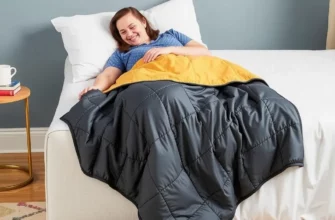
Weighted blankets are far more than just heavy quilts; they are precision-engineered tools designed to leverage the science of Deep Pressure Stimulation (DPS). By applying a gentle, even force across the body, these blankets simulate the feeling of being held or hugged, which can significantly lower cortisol levels and boost serotonin production. To achieve this therapeutic effect without causing overheating or discomfort, manufacturers must carefully balance the internal weight with breathable external layers.
The effectiveness of a weighted blanket depends entirely on its structural integrity. If the materials used in weighted blankets are of poor quality, the weight will shift to the edges, rendering the therapeutic benefits useless. A high-quality build consists of a complex “sandwich” of fabrics and fillers that work in harmony to provide a calming sensory experience while maintaining a manageable temperature throughout the night.
The Layered Architecture of Heavy Blankets
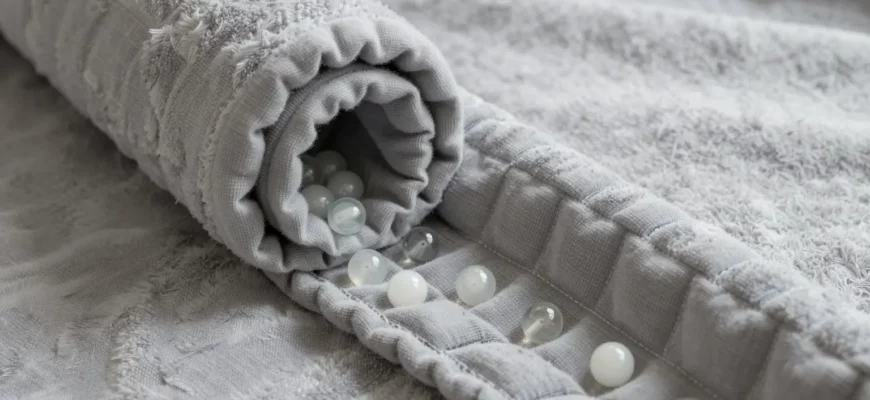
When asking “weighted blanket what are they made of,” it is helpful to visualize three distinct layers. The first is the internal weighted core, which contains the actual beads or pellets that provide the mass. This core is usually partitioned into small, quilted squares to ensure the weight remains localized rather than sliding to one side of the bed.
The second layer is the protective padding, often made of polyester fiberfill (polyfill). This padding acts as a buffer, wrapping around the beads to muffle noise and prevent the user from feeling individual grains of glass or plastic through the fabric. Finally, the outer fabric shell serves as the tactile interface, providing either a cooling sensation or a cozy, warm embrace depending on the specific textile chosen.
The Core Ingredients: What Are Weighted Blankets Filled With?
The filler is the heart of the product, determining how the blanket drapes over your body and how it sounds when you move. Most modern manufacturers have moved away from bulky or organic fillers like grains or sand, as these materials tend to trap odors and cannot be safely laundered. Instead, industrial-grade materials that are uniform in size and weight are preferred for consistency.
Choosing the right filler is a matter of personal preference regarding “bulk.” Some users prefer a thinner, more discreet blanket that looks like a standard throw, while others enjoy the pillowy, voluminous feel of larger pellets. The following table highlights the primary differences between the three most common weighted materials used in the industry today.
| Filler Type | Profile & Texture | Noise Level | Best For |
|---|---|---|---|
| Micro Glass Beads | Ultra-fine, sand-like texture | Silent | Hot sleepers and those wanting a thin profile |
| Plastic Poly Pellets | Small pebbles, slightly bulky | Mild rustling | Budget-conscious buyers and durability |
| Steel Shot Beads | Very dense and heavy | Audible clicking | Industrial-strength weight in small sizes |
Micro Glass Beads vs. Plastic Poly Pellets
Micro glass beads are widely considered the gold standard for high-end blankets. Because glass is significantly denser than plastic, you need fewer beads to reach the desired weight, resulting in a blanket that is thinner and more breathable. These beads are non-toxic, hypoallergenic, and possess a natural coolness that helps dissipate body heat, making them the superior choice for anyone who struggles with night sweats.
Plastic poly pellets, while more affordable, are made from 100% virgin polypropylene. They are larger than glass beads, which can sometimes create a “bumpy” texture that sensory-sensitive individuals might find distracting. However, plastic is incredibly durable and can withstand frequent machine washing without degrading. If you choose plastic, ensure the manufacturer uses BPA-free, food-grade pellets to avoid any off-gassing or chemical odors that can occur with recycled plastics.
Softness and Breathability: What Material is Used in Weighted Blankets for the Outer Shell?
The exterior of the blanket is what defines your immediate comfort. Because weighted blankets are inherently denser than regular blankets, they have a natural tendency to trap heat. This makes the choice of shell material critical for temperature regulation. Manufacturers utilize a variety of textiles ranging from moisture-wicking natural fibers to plush synthetic fabrics designed for winter use.
When considering what material is in weighted blankets, you must evaluate your local climate and your own body chemistry. A blanket that feels wonderful in a showroom might become an “oven” in the middle of a humid July night if the fabric doesn’t allow for adequate airflow. Natural fibers generally offer better breathability, while synthetics provide superior tactile “softness” that can be very soothing for those with sensory processing disorders.
Choosing Between Natural Cotton and Cooling Bamboo
Cotton is a staple in the industry because of its durability and familiarity. A high-thread-count cotton twill shell is robust enough to contain the internal weight while remaining soft against the skin. Cotton is naturally breathable, but for those who run exceptionally hot, bamboo is the superior alternative. Bamboo fabric, often processed as Lyocell or Viscose, is naturally moisture-wicking and feels cool to the touch, making it the ideal “cooling” weighted blanket material.
For users who prioritize sensory input, “Minky” fabric is a popular choice. This is a high-quality polyester fleece that is often embossed with small raised dots. These dots provide additional tactile stimulation that can be grounding for children or adults with ADHD or autism. While Minky is incredibly soft, it is also very warm; many users opt for a Minky “duvet cover” that can be removed during the summer months to reveal a cooler cotton inner blanket.
The Engineering Process: How Are Weighted Blankets Made?
The manufacturing process of weighted blankets is a feat of textile engineering. If you were to simply pour ten pounds of beads into a fabric sack, they would all pool at the bottom, creating a dangerous and ineffective “bag of rocks.” To prevent this, manufacturers use a specific gridded stitching pattern known as “baffle box” construction. This ensures that every square inch of the blanket has the exact same weight as the next.
- Fabric Cutting: The top and bottom shells are cut to size, usually slightly smaller than a standard mattress to prevent the weight from pulling the blanket off the bed.
- Layering: A layer of polyester batting (polyfill) is placed between the shell and the inner pockets to provide cushioning.
- Grid Stitching: Vertical columns are sewn into the blanket, creating long channels.
- Weight Measurement: A precise amount of glass or plastic filler is funneled into each channel.
- Horizontal Sealing: The manufacturer sews across the channels to create closed squares, locking the beads into a permanent “pocket.”
- Reinforcement: The perimeter is double-stitched to ensure the heavy internal materials never leak out.
The Role of Polyfill and Stitching in Weight Distribution
You might wonder why a “cooling” blanket still contains polyester polyfill. The reason is structural: polyfill holds the beads in place and prevents them from “clumping” in the corners of the quilted pockets. Without this thin layer of fiber, the beads would shift constantly, creating a noisy environment and uneven pressure. High-quality blankets use a minimal amount of polyfill to maintain a slim profile while still providing that necessary internal grip.
The size of the quilted pockets is another indicator of quality. Generally, pockets should be no larger than 4 to 6 inches square. Larger pockets allow the beads to travel too much, which results in “dead zones” where no pressure is applied to the body. Double-stitching along these pocket lines is a non-negotiable feature; it ensures the blanket can withstand the tension of its own weight when you pull it up or shift positions during sleep.
Common Materials to Avoid and Quality Red Flags
As weighted blankets have surged in popularity, the market has been flooded with low-cost alternatives that often use sub-par materials. These blankets may look identical in photos, but they often fail within months. The most common issue is “bead leakage,” where the internal filler begins to seep through the seams or even through the weave of the fabric itself. This is not only messy but can be a safety hazard for pets or small children.
Warning: Never purchase a weighted blanket filled with sand or “organic” materials like rice or beans. These materials absorb moisture from the air and body sweat, leading to mold growth and bacterial colonies inside the blanket that cannot be washed away.
Spotting Low-Quality Stuffed Blankets
- Uneven Weight: If you hold the blanket up and see large “empty” sections in the pockets, the manufacturer didn’t use enough polyfill to secure the beads.
- Chemical Odors: Strong “plastic” smells indicate the use of low-grade, non-virgin plastic pellets that may contain VOCs or phthalates.
- Leaking Seams: Check the perimeter stitching; if it isn’t reinforced with a secondary binding or double-stitch, the weight will eventually burst the thread.
- Lead Contamination: In very rare, ultra-cheap imports, lead shot has been used as a filler. Always verify that the glass beads are certified lead-free and non-toxic.
In my professional experience working with clients who suffer from chronic insomnia and sensory processing disorders, the “Glass Bead + Cotton Shell” combination remains the gold standard. While Minky fabrics are popular for their initial softness, they frequently lead to “sleep fragmentation” because the user becomes too hot in the middle of the night. I always advise my clients to prioritize breathability over tactile plushness. You can always add a soft cover later, but you cannot change the internal breathability of a poorly constructed core. If you are a hot sleeper, look specifically for “long-staple cotton” or “bamboo lyocell” with micro-glass fillers for the most restorative experience.
Frequently Asked Questions
While some early DIY versions and very cheap imports use sand, high-quality manufacturers avoid it. Sand is difficult to distribute evenly, traps moisture which leads to mold, and can easily leak through standard stitching.
What is the best filler for a weighted blanket?
Micro glass beads are the premium choice. They are denser than plastic, allowing for a thinner blanket, and they are completely silent and hypoallergenic compared to other filler types.
Do all weighted blankets use polyfill?
Most traditional quilted weighted blankets use a thin layer of polyester fiberfill to cushion the beads and keep them silent. However, some “knitted” weighted blankets use heavy yarn instead of fillers, eliminating the need for polyfill entirely.
Are the materials in weighted blankets safe for children?
Yes, provided they are made with non-toxic, BPA-free plastic pellets or lead-free glass beads. Always ensure the blanket is appropriate for the child’s weight (usually 10% of their body weight plus one or two pounds) and that they can remove it themselves.
Can you wash a weighted blanket made of glass beads?
Glass beads themselves are machine washable and dryer safe. However, the outer fabric (like wool or delicate bamboo) usually dictates the washing instructions. Always check the care label, and ensure your washing machine can handle the total weight of the blanket.