- Why a Hot Tub Cold Plunge Combo is the New Gold Standard for Recovery
- The Science of Contrast: How Heat and Cold Work Together
- Mastering Your Flow: The Ideal Hot Tub Cold Plunge Routine
- Step-by-Step: Going from Hot Tub to Cold Plunge Safely
- Choosing Your Setup: Professional Units vs. DIY Solutions
- Turning Your Bathtub into a DIY Cold Plunge
- Essential Safety: What to Know Before You Plunge
- Staying Safe After a Cold Plunge
- Common Mistakes People Make with Hot and Cold Therapy
- Frequently Asked Questions
Why a Hot Tub Cold Plunge Combo is the New Gold Standard for Recovery
The concept of jumping from a steaming hot tub into a freezing pool might sound like a form of ancient torture‚ but it is actually the most efficient way to reset your physiology. This practice‚ known as contrast therapy‚ uses extreme temperature shifts to force your body into an active state of repair.
By alternating between heat and cold‚ you are essentially performing a workout for your vascular system. It is a powerful tool for anyone looking to optimize their physical performance or simply clear the mental fog that accumulates throughout a high-stress week.
The Science of Contrast: How Heat and Cold Work Together
When you submerge yourself in a hot tub‚ your blood vessels undergo vasodilation‚ which means they expand to their maximum capacity. This process allows oxygen-rich blood to flood your extremities‚ loosening tight connective tissues and flushing out the cellular debris that causes muscle soreness.
The magic happens the moment you move from the hot tub to cold plunge therapy. The sudden drop in temperature triggers an immediate reaction called vasoconstriction‚ where your blood vessels snap shut‚ forcing blood back toward your internal organs to protect your core temperature.
This rapid expansion and contraction create a powerful pumping effect throughout your circulatory system. This “muscle pump” is far more effective at removing metabolic waste‚ such as lactic acid‚ than passive rest alone. It’s a mechanical way to scrub your internal systems clean while simultaneously triggering a massive release of endorphins and norepinephrine.
Mastering Your Flow: The Ideal Hot Tub Cold Plunge Routine
To get the most out of your home spa‚ you cannot just hop back and forth randomly. A structured approach ensures that you are challenging your nervous system without pushing it into a state of panic or exhaustion.
The goal is to reach a state of deep relaxation in the heat before introducing the sharp‚ clarifying shock of the cold. Following a specific cadence will help you build tolerance and maximize the anti-inflammatory benefits of the session.
- The Heat Phase: Spend 10 to 15 minutes in the hot tub. Ensure the temperature is between 100°F and 104°F. You want your core temperature to rise and your muscles to feel completely pliable.
- The Neutral Transition: Step out of the hot tub and wait for 30 to 60 seconds. This brief pause allows your heart rate to stabilize slightly before the intense shift of the cold water immersion.
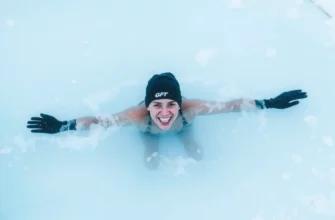
- The Cold Plunge: Submerge yourself in the cold water (ideally 50°F to 55°F) for 1 to 3 minutes. Focus on slow‚ controlled exhales to override the initial gasping reflex.
- The Recovery Interval: Exit the cold and rest in a neutral environment for 2 minutes. Avoid jumping straight back into the heat; let your body find its own equilibrium first.
- Repeat: Complete this cycle 3 times. For the best results‚ always end your final cycle on the cold plunge if you want to stay alert and reduce inflammation for the rest of the day.
Step-by-Step: Going from Hot Tub to Cold Plunge Safely
When you are establishing a hot tub cold plunge routine‚ the transition is the most critical part. Your heart is working hard to move blood to the skin’s surface in the heat‚ and the sudden cold will rapidly shift that blood flow inward.
To answer the common question—can you go from hot tub to cold plunge safely?—the answer is yes‚ provided you have no underlying cardiovascular issues. The key is to enter the cold water slowly‚ starting with your feet and legs before submerging your torso and shoulders.
Keeping your hands out of the water for the first 30 seconds can make the experience much more manageable for beginners. As you become more adapted to the thermal shock‚ you can submerge your entire body up to the neckline to trigger a more robust nervous system response.
Choosing Your Setup: Professional Units vs. DIY Solutions
Deciding how to integrate contrast therapy into your home depends entirely on your budget and how much maintenance you are willing to perform. You can spend thousands on a sleek‚ all-in-one dual-zone unit‚ or you can build a functional system for the price of a few bags of ice.
A professional setup offers the convenience of precise temperature control‚ while a DIY approach requires more “sweat equity” to keep the water clean and cold enough to be effective.
| Feature | Professional Combo Unit | Separate DIY Setup |
|---|---|---|
| Temperature Control | Digital chillers maintain exact 50°F settings. | Manual; requires ice or external chillers. |
| Initial Cost | High ($8‚000 ‒ $20‚000+). | Low to Moderate ($500 ⎼ $2‚000). |
| Maintenance | Advanced filtration and UV ozone systems. | Manual water changes and chemical balancing. |
| Footprint | Compact‚ all-in-one footprint. | Requires space for two separate vessels. |
| Durability | Built for outdoor weather and 10+ years. | Variable; depends on build quality. |
Turning Your Bathtub into a DIY Cold Plunge
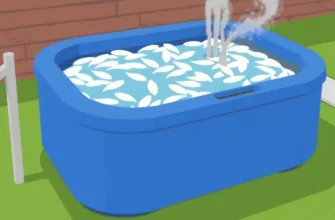
If you aren’t ready to invest in a dedicated tub‚ using your bathtub as a cold plunge is the most common entry point. However‚ a standard bathtub is rarely insulated‚ meaning you will need at least 40 to 60 pounds of ice to drop the temperature from tap water levels to the required 55°F range.
Many enthusiasts have turned to using a freezer as a cold plunge‚ specifically a chest freezer. While this is incredibly effective at maintaining near-freezing temperatures for pennies a day‚ it carries significant risks. You must seal every internal seam with food-grade silicone to prevent water from reaching the electrical components‚ and you must unplug the unit entirely before stepping inside to eliminate the risk of electrocution.
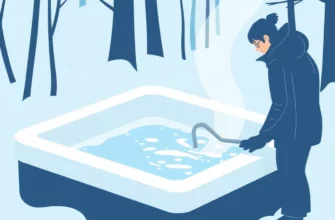
The bathtub cold plunge diy method is great for testing your commitment‚ but most people eventually find the constant ice hauling to be a chore. If you find yourself doing it more than three times a week‚ it is usually time to look into a dedicated stock tank or a specialized chiller system.
Essential Safety: What to Know Before You Plunge
Contrast therapy is a powerful biological stressor. While that stress is exactly what causes the body to adapt and grow stronger‚ it must be respected. The “cold shock response” can cause a sudden spike in heart rate and blood pressure‚ which is why preparation is mandatory.
Before you begin‚ ensure you are hydrated. The heat of a hot tub can dehydrate you faster than you realize‚ and being dehydrated makes your body much less efficient at regulating its temperature during the cold phase.
- Do: Focus on long‚ deep exhales when entering the cold to calm your vagus nerve.
- Do: Have a towel and warm clothes ready for after your final session.
- Don’t: Use the hot tub or cold plunge while under the influence of alcohol‚ as it impairs your body’s thermal regulation;
- Don’t: Plunge alone if it is your first time or if you are pushing for record-breaking durations.
- Do: Check with a doctor if you have a history of heart disease or high blood pressure.
Staying Safe After a Cold Plunge
The danger doesn’t always end when you step out of the water. You need to be aware of the “afterdrop‚” a phenomenon where your core temperature continues to fall even after you have left the cold water. This happens because the cold blood from your extremities begins to circulate back to your core as you warm up.
To mitigate this‚ dry off immediately and put on layers; If you feel yourself shivering uncontrollably‚ do not jump back into the hot tub right away. Instead‚ perform some light movement‚ like bodyweight squats or pacing‚ to generate internal heat naturally. This allows your vascular system to wake up gradually rather than being shocked a second time by the heat.
Hydration is equally important after the routine. Drinking a room-temperature electrolyte beverage helps replace the fluids lost in the hot tub and supports the metabolic processes triggered by the contrast session.
Common Mistakes People Make with Hot and Cold Therapy
Many beginners assume that more is always better. They stay in the hot tub until they are lightheaded or try to sit in the cold for ten minutes on their first try. This “more is better” mentality often leads to burnout or injury rather than recovery.
Another major pitfall is poor water hygiene in DIY setups. Because cold water feels “clean‚” many users neglect filtration. However‚ skin cells‚ oils‚ and sweat accumulate quickly. If you are using a stock tank or a freezer‚ you must use a small amount of sanitizer or a hydrogen peroxide solution to prevent bacterial growth that can lead to skin infections.
Warning: Never stay in the cold plunge long enough to feel numb. The goal is a nervous system “ping‚” not hypothermia. If you lose the ability to move your fingers with precision‚ you have stayed in far too long and are risking nerve damage or extreme afterdrop.
Lastly‚ consistency beats intensity every time. Doing a 2-minute plunge three times a week is infinitely more beneficial for your immune system and recovery than doing one 10-minute “hero plunge” once a month. Treat it like a supplement—regular‚ controlled doses are the key to long-term health.
In my professional experience working with high-level athletes‚ the biggest mistake people make is overstaying their welcome in the cold. You are looking for the “Minimum Effective Dose.” You don’t need to be a martyr to the ice. I always advise my clients that two minutes is the sweet spot for triggering the release of cold-shock proteins and boosting norepinephrine. Anything beyond that is often just a test of mental ego rather than a functional recovery gain. Focus on the quality of your breathing during those two minutes; if you can keep your breath calm while your skin is screaming‚ you’ve won the session.
Frequently Asked Questions
For most people‚ 1 to 3 minutes is the ideal duration. The primary physiological benefits‚ such as vasoconstriction and the release of neurotransmitters‚ occur within the first 60 to 90 seconds.
Can I use my regular bathtub as a cold plunge?
Yes‚ but you will need a significant amount of ice; To reach 55°F‚ expect to use 40-60 pounds of ice‚ as standard porcelain tubs do not insulate water well.
Is it better to end on hot or cold?
End on cold if you want to reduce inflammation‚ increase focus‚ and boost your metabolism. End on hot if your primary goal is muscle relaxation and better sleep before bed.
Is a chest freezer safe to use for a cold plunge?
It can be used‚ but you must unplug the unit before entering to prevent electrocution. Additionally‚ you must seal all internal seams with marine-grade sealant to prevent leaks into the electrical housing.
How many times a week should I do a hot tub cold plunge routine?
Performing the routine 2 to 4 times a week is sufficient for most people to see significant improvements in recovery‚ mood‚ and immune function without overtaxing the central nervous system.