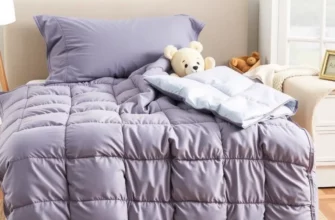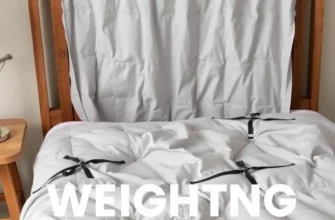
- The Biological Mechanism: Why Do Weighted Blankets Help With Anxiety?
- How Deep Pressure Stimulation Calms Your Nervous System
- Boosting Serotonin and Melatonin Through Tactile Input
- A Comparison of Benefits: Weighted Blankets vs. Standard Bedding
- Beyond Daily Stress: Why Weighted Blankets Help with PTSD and Trauma
- Interrupting Nightmares and Sleep Disturbances
- The Role of Weighted Blankets in Modern Psychiatry
- Debunking Common Myths About Anxiety Blankets
- Selecting the Right Support: Why a 12-lb Weighted Blanket Might Be Your Sweet Spot
- Pros and Cons of Using Weighted Blankets Daily
- Helping the Littlest Worriers: Benefits for Children with Anxiety
- Safety Guidelines for Pediatric Weighted Blanket Use
- Actionable Steps: How to Introduce a Weighted Blanket to Your Routine
- Expert Perspective: Sensory Integration Therapy
- Frequently Asked Questions
The Biological Mechanism: Why Do Weighted Blankets Help With Anxiety?
The sensation of a weighted blanket is often compared to a firm hug or the secure feeling of being swaddled. This isn’t just a psychological comfort; it is a physiological intervention that targets the body’s stress response systems directly through the skin and muscles.
When you drape a heavy blanket over your body‚ you are applying what researchers call Deep Pressure Stimulation (DPS). This consistent‚ distributed weight sends a signal to your brain that the environment is safe‚ allowing your internal alarm system to finally stand down after a long day of high-alert living.
How Deep Pressure Stimulation Calms Your Nervous System
Deep pressure stimulation works by shifting the body from the sympathetic nervous system—responsible for the “fight or flight” response—to the parasympathetic nervous system‚ which governs “rest and digest” functions. This transition is essential for anyone wondering how do weighted blankets help with anxiety‚ as it physically forces the heart rate to slow and muscles to relax.
Occupational therapists have used this science for decades‚ employing weighted vests and blankets to help patients with sensory processing issues. The weight acts as a form of therapeutic touch‚ stimulating the vagus nerve‚ which runs from the brain to the abdomen. Activating the vagus nerve is one of the fastest ways to lower blood pressure and reduce the physical symptoms of a panic attack.
By providing constant proprioceptive input‚ the blanket helps the brain understand where the body is in space. This grounding effect is particularly helpful for individuals who feel “flighty” or scattered when anxious‚ as it provides a physical anchor to the present moment.
Boosting Serotonin and Melatonin Through Tactile Input
The science behind weighted blankets extends into the endocrine system‚ where the pressure triggers a chemical shift in the brain. Physical touch and pressure are known to stimulate the release of serotonin‚ the neurotransmitter often called the “feel-good” hormone. Higher serotonin levels are directly linked to a more stable mood and a sense of calm.
As serotonin is a precursor to melatonin‚ the hormone responsible for sleep‚ using a weighted blanket in the evening can naturally prep your body for rest. By facilitating this chemical transition‚ the blanket helps reduce cortisol levels—the primary stress hormone that keeps us awake and ruminating at night.
For those struggling with sleep hygiene‚ this tactile input serves as a non-pharmacological bridge to deeper rest. Instead of relying solely on supplements‚ the blanket utilizes the body’s own hardware to regulate the sleep-wake cycle through consistent‚ gentle pressure.
A Comparison of Benefits: Weighted Blankets vs. Standard Bedding
Understanding the distinction between a heavy comforter and a true therapeutic weighted blanket is key to achieving the desired mental health outcomes. While both provide warmth‚ only one provides the specific sensory input required for nervous system regulation.
| Feature | Standard Bedding | Weighted Blanket (Therapeutic) |
|---|---|---|
| Primary Function | Thermal insulation and basic comfort. | Deep Pressure Stimulation (DPS) for neurological calming. |
| Weight Distribution | Uneven; focused on bulk rather than pressure. | Precisely engineered using glass beads or pellets for even pressure. |
| Hormonal Impact | Minimal impact on neurotransmitter release. | Proven to increase serotonin and decrease cortisol levels. |
| Proprioceptive Input | Low; does not provide significant body awareness. | High; provides a “grounding” effect that reduces physical restlessness. |
| Anxiety Reduction | Passive comfort only. | Active intervention for heart rate variability and stress. |
Beyond Daily Stress: Why Weighted Blankets Help with PTSD and Trauma
For survivors of trauma‚ the world can often feel like an inherently unsafe place‚ leading to a state of chronic hypervigilance. Weighted blankets offer a unique form of physical security that can be particularly transformative for those living with Post-Traumatic Stress Disorder (PTSD).
The blanket creates a “sensory cocoon” that can help prevent the feeling of being exposed or vulnerable during sleep. This sense of enclosure provides a boundary between the individual and their environment‚ which is a fundamental component of trauma-informed care and sensory integration.
Interrupting Nightmares and Sleep Disturbances
Night terrors and intrusive dreams often lead to physical thrashing‚ which can wake the individual in a state of disorientation. The weight of the blanket serves to dampen these physical movements‚ often keeping the sleeper in a more settled state even when a dream occurs. Reducing physical tossing and turning can prevent the “spike” in adrenaline that fully wakes a person during a nightmare.
Creating a dedicated safe space in the bedroom is a common recommendation for trauma recovery. By using a weighted blanket‚ survivors can anchor themselves to the “here and now‚” using the physical weight to combat dissociation. This grounding technique allows the brain to recognize that it is safe in bed‚ rather than trapped in a past traumatic memory.
The Role of Weighted Blankets in Modern Psychiatry
In clinical psychiatric settings‚ sensory rooms are increasingly replacing traditional isolation or restraint methods. Weighted blankets are a staple in these environments because they allow patients to self-regulate their emotions without the need for immediate medication or external intervention.
Research in psychiatry suggests that sensory tools are effective because they bypass the “thinking” part of the brain and go straight to the “feeling” part of the nervous system. For patients with severe mental disorders‚ the blanket provides a non-verbal way to communicate safety to the amygdala‚ the brain’s emotional processing center‚ which is often overactive in cases of chronic anxiety or PTSD.
Debunking Common Myths About Anxiety Blankets
Despite their rising popularity‚ several misconceptions persist that prevent people from trying this therapeutic tool. It is important to separate marketing hype from clinical reality to ensure users get the most out of their experience.
Myth: Weighted blankets are only for children with autism or ADHD.
Fact: While they originated in pediatric therapy‚ the physiological benefits of DPS apply to adults of all ages. Adults often have more complex cortisol patterns that require the heavy sensory input provided by these blankets to achieve deep sleep.
Myth: A heavier blanket is always better for faster results.
Fact: Exceeding the recommended weight (usually 10% of your body weight) can lead to physical discomfort or even increased anxiety. The goal is “gentle firm pressure‚” not total immobilization.
Myth: You will feel trapped or claustrophobic under the weight.
Fact: Most modern blankets are designed with breathable fabrics and glass beads that move with the body. For most users‚ the sensation is one of being “held” rather than “pinned‚” though those with severe claustrophobia should test the blanket for short periods first.
Selecting the Right Support: Why a 12-lb Weighted Blanket Might Be Your Sweet Spot
Choosing the correct weight is the most critical step in the purchasing process. The industry standard is to select a blanket that is approximately 10% of your total body weight‚ plus or minus a pound or two depending on personal preference.
A 12-lb weighted blanket is often considered the “universal” weight for smaller adults‚ teenagers‚ and older children. It provides enough pressure to trigger the release of serotonin without being so heavy that it becomes difficult to move or adjust during the night. For individuals weighing between 100 and 140 pounds‚ this weight often provides the most balanced therapeutic experience.
Pros and Cons of Using Weighted Blankets Daily
While the benefits are extensive‚ there are practical considerations to keep in mind before making a weighted blanket a permanent fixture in your sleep routine. The effectiveness of the tool depends heavily on the material and the individual’s physical health.
- Pro: Significant reduction in panic attack severity. The blanket can be used as an “emergency” tool to ground yourself when you feel an attack beginning.
- Pro: Improved sleep architecture. Users often report reaching deep sleep (REM) faster and staying there longer.
- Con: Heat retention. Some blankets using plastic pellets can trap heat‚ making them uncomfortable for “hot sleepers.” Look for glass beads and cotton covers to stay cool.
- Con: Joint strain. Individuals with chronic pain‚ such as fibromyalgia or arthritis‚ should be cautious as the weight may cause discomfort in sensitive joints.
Helping the Littlest Worriers: Benefits for Children with Anxiety
Children often lack the vocabulary to express why they feel anxious‚ manifesting their stress through restlessness‚ meltdowns‚ or school refusal. A weighted blanket can provide a “tactile language” of safety that helps them settle their own nervous systems without constant parental intervention.
For children with ADHD or Sensory Processing Disorder‚ the blanket acts as a filter‚ dampening the overwhelming sensory noise of the world and helping them focus on their own physical presence. This is particularly effective during “quiet time” or after school when the transition from a high-stimulation environment to home can be difficult.
Safety Guidelines for Pediatric Weighted Blanket Use
Safety is the absolute priority when introducing a weighted blanket to a child’s routine. A child must always be able to remove the blanket by themselves without any assistance. This ensures that they are never in a position where their breathing could be restricted or they feel physically stuck.
Never use a weighted blanket for infants or toddlers. The risk of SIDS or suffocation is too high. Most experts recommend waiting until a child is at least school-aged and weighs over 50 pounds before introducing even the lightest weighted products. Always consult with a pediatrician or an occupational therapist to determine the appropriate weight and usage schedule for a child‚ as their sensory needs can vary wildly from those of an adult.
Actionable Steps: How to Introduce a Weighted Blanket to Your Routine
You don’t need to jump straight into an 8-hour sleep session with your new blanket. In fact‚ acclimating your body slowly can lead to better long-term results and higher retention of the calming benefits.
- Start on the couch: Use the blanket for 15–30 minutes while reading or watching TV to see how your body reacts to the pressure.
- The “Legs Only” Phase: If you feel overwhelmed‚ try draping the blanket only over your legs first to get used to the sensation.
- Check your temperature: Ensure your room is a few degrees cooler than usual‚ as the added weight will naturally increase your body heat.
- Consistency is key: Try to use the blanket at the same time every night to train your brain to associate the weight with the onset of sleep.
- Maintain your blanket: Use a removable duvet cover. Washing a 15-lb blanket in a standard home machine can damage the appliance‚ so a cover is essential for hygiene.
Expert Perspective: Sensory Integration Therapy
In my professional experience working with sensory integration‚ I have found that weighted blankets are one of the most effective non-pharmacological tools for managing the physical manifestations of anxiety. While medication and cognitive-behavioral therapy are vital‚ they often address the “top-down” processing of the brain. The weighted blanket provides a “bottom-up” intervention‚ calming the body so that the mind can eventually follow. I always advise my clients to view the blanket as a supplement to their mental health toolkit. It is not a cure for the root causes of anxiety‚ but it is an exceptional tool for managing the physiological ‘noise’ that makes recovery feel so difficult. For many‚ the simple act of feeling ‘anchored’ is enough to break the cycle of a spiraling panic attack.
Frequently Asked Questions
Yes. While it is not a cure‚ clinical studies show that deep pressure stimulation significantly reduces the physiological markers of distress‚ such as high heart rate and elevated cortisol‚ providing immediate symptomatic relief.
How heavy should my weighted blanket be for anxiety relief?
The general rule is 10% of your body weight. However‚ personal comfort is paramount; if you feel restricted‚ go lighter‚ and if you don’t feel the pressure‚ a slightly heavier option may be needed.
Can weighted blankets help with PTSD-related nightmares?
They can. The weight provides a grounding effect that helps survivors feel physically anchored in their bed‚ which can reduce the intensity of night terrors and prevent the physical thrashing that leads to waking up in a panic.
Are there any mental disorders that shouldnt be treated with weighted blankets?
People with severe claustrophobia or specific respiratory issues like sleep apnea should use caution. However‚ they are generally considered safe and effective for most mood‚ anxiety‚ and sensory processing disorders.
What does science say about weighted blankets and serotonin?
Research indicates that the pressure from the blanket stimulates the skin’s receptors‚ which triggers the brain to release serotonin. This “feel-good” chemical eventually converts to melatonin‚ helping the body transition into a restful sleep state.
Is a 12-lb blanket heavy enough for a full-grown adult?
It depends on the person’s size. A 12-lb blanket is perfect for adults weighing between 100 and 130 lbs‚ but larger adults may find it too light to trigger the necessary deep pressure stimulation for maximum anxiety relief.