- How a Weighted Blanket for ASD Supports Sensory Regulation
- The Role of Proprioceptive Input in Autism Anxiety
- Managing Focus and Energy: Weighted Blankets for ADHD and ADD
- Calming Hyperactivity and Nighttime Restlessness
- Neurological Safety: Seizures, Tourette’s, and Tremors
- Soothing Involuntary Movements and Tics
- Comfort for Hypermobility and Ehlers-Danlos Syndrome (EDS)
- Joint Stability and Pain Management
- Sensory Solutions for Down Syndrome and Dementia
- Reducing Agitation in Memory Care
- Practical Ownership: Cleaning, Patterns, and Customization
- Maintaining Your Sensory Tools
- Expert Perspective: Occupational Therapy Insights
- Frequently Asked Questions
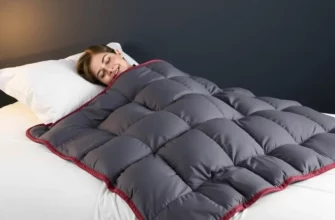
How a Weighted Blanket for ASD Supports Sensory Regulation
Sensory regulation is the cornerstone of daily functioning for individuals on the autism spectrum. When the environment becomes overwhelming, the nervous system often enters a state of hyper-arousal, leading to anxiety or sensory meltdowns. A weighted blanket serves as a non-pharmacological intervention designed to provide consistent, soothing tactile input.
The mechanism behind this tool is known as Deep Pressure Stimulation (DPS). By applying gentle, distributed weight across the body, these blankets mimic the sensation of a firm hug or swaddling. This physical input signals the brain to shift from the sympathetic nervous system—the “fight or flight” mode—to the parasympathetic nervous system, which governs “rest and digest” functions.
For neurodivergent individuals, this shift is not just about comfort; it is about biological equilibrium. The pressure helps in lowering heart rates and reducing cortisol levels, which are often chronically elevated in those with sensory processing sensitivities. By stabilizing these physiological markers, a weighted blanket becomes an essential tool for emotional and physical regulation.
The Role of Proprioceptive Input in Autism Anxiety
Proprioception is often referred to as the “sixth sense.” It is the body’s ability to perceive its position and movement in space through receptors in the muscles and joints. Many individuals with ASD experience proprioceptive dysfunction, which can manifest as clumsiness, a lack of body awareness, or a constant need to crash into objects to “feel” where their body ends and the world begins.
A weighted blanket provides intense proprioceptive input that helps “map” the body for the brain. When a person feels the boundaries of their physical self more clearly, the cognitive load required to navigate the environment decreases. This clarity directly impacts autism-related anxiety; if the brain isn’t struggling to locate the limbs, it can focus on processing social cues or managing environmental stressors.
To maximize the impact on anxiety, the blanket should cover the trunk and legs primarily, as these areas house the largest muscle groups and joint receptors. This targeted pressure facilitates a significant serotonin boost, which naturally converts to melatonin, aiding in the transition to sleep. For those who experience “night terrors” or frequent waking, this consistent input acts as a grounding anchor throughout the night.
Managing Focus and Energy: Weighted Blankets for ADHD and ADD
Attention Deficit Hyperactivity Disorder (ADHD) is frequently characterized by a “sensory seeking” profile. The brain craves stimulation to maintain alertness, which often results in fidgeting, leg bouncing, or an inability to sit still during tasks. Weighted tools provide a “quiet” form of stimulation that satisfies this neurological craving without causing distraction.
Using weight during the day can significantly improve “on-task” behavior. While a full-sized blanket is ideal for nighttime winding down, smaller iterations like lap pads or weighted vests are more practical for school or office environments. These tools provide grounding for the lower body, which helps keep the individual physically tethered to their seat, allowing cognitive resources to be directed toward work rather than movement suppression.
| Feature | Full-Sized Weighted Blanket | Weighted Lap Pad / Pad |
|---|---|---|
| Primary Use Case | Nighttime sleep and full-body relaxation. | Classroom focus, office work, and travel. |
| Targeted Symptom | Insomnia and evening restlessness. | Leg bouncing and “fidgety” energy. |
| Portability | Low; typically stays on the bed. | High; fits in a backpack or tote. |
| Pressure Distribution | Total body immersion. | Localized to thighs or pelvic area. |
Calming Hyperactivity and Nighttime Restlessness
For children and adults with ADHD, the transition from a high-energy day to a restful night is often the most difficult hurdle. Hyperactivity doesn’t simply vanish when the lights go out; it often transforms into “racing thoughts” or physical tossing and turning. The weight of the blanket acts as a physical inhibitor to excessive movement, gently encouraging the body to remain still.
This stillness is vital for the “wind-down” phase. When the body is physically quieted by the weight, the brain receives fewer signals of movement, which helps dampen the internal “noise” of ADHD. Applying the blanket 20 minutes before actual sleep time can prime the nervous system for rest, making the eventual transition into REM sleep much faster and more sustainable.
In cases of extreme hyperactivity, some users find success with “layering” the sensory input. This might involve using a weighted lap pad during a calming activity, like reading, before moving under a full blanket for the night. This graduated approach to sensory input helps manage the “energy drop” more effectively than a sudden change in environment.
Neurological Safety: Seizures, Tourette’s, and Tremors
When discussing neurological conditions like epilepsy or Tourette’s Syndrome, safety and realistic expectations are paramount. Weighted blankets are therapeutic aids, not medical devices intended to treat or cure neurological disorders. However, their role in managing the secondary symptoms—such as exhaustion and muscle tension—is significant.
For those living with tremors or tics, the constant physical exertion can lead to profound fatigue. The grounding effect of a weighted blanket can help dampen the perception of these movements, providing a much-needed period of physical reprieve. It is essential, however, to ensure the user can always remove the blanket independently to prevent any feelings of restriction or respiratory distress.
Myth: A weighted blanket can stop a grand mal seizure or prevent a person from moving during an active episode.
Fact: Never use a weighted blanket to restrain someone during a seizure. This can cause physical injury or restrict breathing. Weighted blankets should only be used during the recovery phase (post-ictal state) to provide comfort and help the nervous system reset after the electrical storm of a seizure has passed.
Soothing Involuntary Movements and Tics
In Tourette’s Syndrome and other tic disorders, the “premonitory urge”—the physical sensation that precedes a tic—can be incredibly stressful. While weight cannot stop the tic itself, the deep pressure can provide a competing sensory input that some individuals find helpful in managing the intensity of the urge during periods of rest.
For essential tremors or anxiety-induced twitching, the blanket acts as a stabilizer. By providing a constant, heavy “envelope” around the limbs, the blanket reduces the amplitude of minor tremors, which can help an individual feel more in control of their body. Focus on blankets with glass bead fill for these conditions, as they offer a more fluid, contouring pressure that adapts to the body’s micro-movements better than larger plastic pellets.
Always consult with a neurologist before introducing weighted therapy for seizure disorders. The primary concern is safety during the night; if a seizure occurs while the user is under a heavy blanket, it could potentially complicate the situation if the person is unable to clear their airway or if the weight adds to the physical strain on the heart during the event.
Comfort for Hypermobility and Ehlers-Danlos Syndrome (EDS)
Ehlers-Danlos Syndrome (EDS) and other hypermobility spectrum disorders present a unique challenge for sensory tools. People with these conditions often have “loose” joints and fragile connective tissue. While they frequently crave proprioceptive input because their joints don’t send clear signals to the brain, the wrong type of weight can actually cause harm.
The goal for EDS patients is to achieve “sensory grounding” without causing joint subluxation (partial dislocation). Traditional weighted blankets might be too heavy for a specific joint, such as a hip or shoulder, if the weight is concentrated in one area. Therefore, selecting a blanket with small, evenly distributed quilted squares is vital to ensure the weight doesn’t “pool” and pull a joint out of alignment.
Joint Stability and Pain Management
Pain management in hypermobility often centers around finding a “neutral” position for the limbs. A weighted blanket can act as a soft mold, holding the body in a stable position and preventing the unconscious “over-extension” that often happens during sleep. This physical boundary helps the individual stay within a safe range of motion throughout the night.
However, caution is required regarding the total weight. While the “10% of body weight” rule is standard, individuals with EDS may need to start at 5-7% of their body weight to test their joint tolerance. If the weight causes an aching sensation in the joints or leads to morning stiffness, it is likely too heavy. The psychological comfort of feeling “held” should never come at the cost of physical joint integrity.
For those with severe hypermobility in the hands or feet, ensure the blanket does not put excessive pressure on the toes, which can lead to “drop foot” or joint strain. Using a “bolster” or a pillow at the end of the bed to take the weight off the feet while still enjoying the pressure on the legs and torso is a common and effective modification.
Sensory Solutions for Down Syndrome and Dementia
The application of weighted pressure extends deep into memory care and developmental support. In Down Syndrome, sensory processing issues are common, often manifesting as a need for high-intensity tactile feedback. Similarly, in dementia care, “sundowning”—a state of increased confusion and agitation in the late afternoon—can be mitigated through the calming influence of weight.
For those with Down Syndrome, the blanket provides a sense of security and “containment” that can help with emotional regulation during transitions. In dementia care, the primary benefit is the reduction of “pacing” and exit-seeking behaviors. The gentle weight provides a physical reminder to remain seated or lying down, which significantly reduces the risk of falls associated with nighttime wandering.
Reducing Agitation in Memory Care
Dementia-related agitation often stems from a feeling of disorientation. The brain loses its ability to interpret environmental stimuli, leading to a state of constant alarm. Deep pressure acts as a “sensory anchor,” providing a simple, understandable physical sensation that can cut through the noise of a confused mind.
When using weighted blankets for the elderly, breathability is the most critical factor. Older skin is thinner and more prone to overheating, and many seniors have underlying respiratory or circulatory issues. A “knitted” weighted blanket, which uses heavy yarn rather than beads, is often the best choice for this demographic because it allows for maximum airflow while still providing the necessary weight.
Caregivers should monitor for any signs of distress or “trapped” feelings. In memory care, the ability to communicate discomfort may be diminished, so visual checks every 15-20 minutes are recommended when a weighted tool is first introduced. The weight should never be so heavy that it prevents the individual from shifting their position to maintain circulation.
Practical Ownership: Cleaning, Patterns, and Customization
A weighted blanket is a significant investment in sensory health, and proper maintenance is required to ensure its longevity. Because these blankets are used frequently—often daily—they are prone to gathering dust, sweat, and allergens. Understanding the construction of your blanket is the first step in a proper cleaning routine.
Most modern blankets use either micro-glass beads or plastic poly-pellets. Glass beads are generally preferred as they are denser, quieter, and hold less heat. However, they require more care during washing. Before putting a blanket in a home machine, verify the weight capacity of your washer. Most residential machines are not designed to handle items over 15-20 pounds when wet, as the centrifugal force can damage the drum or motor.
- Check the Filler: Ensure the beads are sewn into individual pockets to prevent shifting and “clumping” during the wash cycle.
- Cold Water Only: Use cold water and a gentle cycle to preserve the integrity of the fabric and the internal stitching.
- Air Dry When Possible: High heat can melt plastic pellets or damage the fibers of the outer shell. Tumble dry on “no heat” or hang the blanket across multiple lines to distribute the weight.
- Use a Duvet Cover: To minimize the need for full-blanket washes, use a removable cover. This protects the weighted inner layer from stains and can be laundered easily.
- Spot Cleaning: For minor spills, use a damp cloth and mild detergent rather than a full submerged wash.
Maintaining Your Sensory Tools
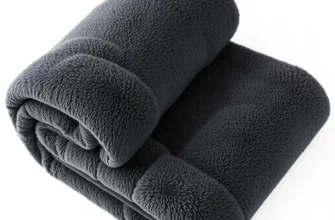
Texture is a vital component of the sensory experience. For individuals with “tactile defensiveness,” the wrong fabric can make a weighted blanket unusable. When choosing or making a blanket, consider the “hand-feel” of the material. Minky or fleece fabrics provide additional warmth and “fuzzy” input, while bamboo or cotton are better for those who are “hot sleepers” or sensitive to synthetic textures.
For those interested in DIY options, an autistic weighted blanket pattern usually involves creating a grid of small pockets. Each pocket must be filled with a precise weight of beads before being sealed. This ensures the weight remains perfectly even. If you are customizing a blanket for a “sensory chair” or a specific reading nook, consider a smaller, rectangular shape that can be draped over the shoulders or lap without dragging on the floor.
Longevity also depends on how the blanket is stored. Avoid folding the blanket in the same pattern every time, as this can stress the seams and lead to bead leakage. Instead, roll the blanket loosely when not in use. If you notice any “leaking” of beads, stop using the blanket immediately and repair the seam, as small beads can be a choking hazard for young children or pets.
Expert Perspective: Occupational Therapy Insights
In my professional experience as an Occupational Therapist, I have seen weighted blankets transform sleep hygiene for neurodivergent families. However, the most critical advice I can offer is the 10% of body weight rule. For a 50-pound child, a 5-pound blanket is the ceiling. I always emphasize that the user must be able to push the blanket off their face and body independently. If a child or an adult with limited mobility cannot move the blanket, it becomes a safety hazard rather than a therapeutic tool. I also recommend “sensory breaks” rather than 24/7 use; the brain can become desensitized to the pressure if it is constant, so using it for 20-30 minute intervals during the day or specifically for sleep ensures the neurological “reset” remains effective.
Frequently Asked Questions
They are generally safe for sleep and recovery, but never use them to restrain someone during an active seizure. Consult a neurologist to ensure the weight doesn’t interfere with breathing during nocturnal episodes.
How do I choose the right weight for a child with ASD?
The standard formula is 10% of the child’s body weight plus one or two pounds. Most importantly, ensure the child has the physical strength to remove the blanket without assistance.
Can a weighted blanket help with Tourette’s tics?
Yes, by calming the central nervous system, weight can reduce the pre-tic tension and anxiety that often exacerbates the frequency of tics during periods of relaxation.
Is a weighted blanket suitable for someone with Ehlers-Danlos Syndrome?
Use with caution. While the sensory input is helpful, excessive weight can strain fragile joints. Opt for a lighter weight (5-7% of body weight) and ensure even distribution.
What is the benefit of a weighted lap pad versus a full blanket for ADHD?
Lap pads are portable and discreet, making them ideal for maintaining focus in classrooms or offices without the “over-heating” or bulk of a full-sized blanket;
How do you wash a sensory weighted blanket without ruining it?
Always verify your washing machine’s weight limit. Use cold water, a gentle cycle, and air dry. Using a removable duvet cover is the best way to keep the inner weighted layer clean.