- The Science of the Heavy Weight Blanket: Why Mass Matters for Comfort and Protection
- Differentiating Between Weighted‚ Thermal‚ and Turnout Blankets
- Therapeutic Heavy Weighted Blankets for Deep Sleep and Relaxation
- Choosing Your Material: From Glass Beads to Knitted Waffle Weave
- Selecting the Right Weight for Your Body Frame
- The Warmest Options for Winter: Heavy Weight Throws and Plush Bedding
- Korean Mink and Faux Fur: The Gold Standard for Plush Warmth
- Traditional Wool vs. Modern Synthetic Fleece
- Equestrian Excellence: Selecting a Heavy Weight Turnout Blanket
- Top Brands for Winter Protection: Rambo‚ Amigo‚ and Rhino
- Specialized Fits: Pony Blankets and High-Neck Designs
- Industrial and Moving Blankets: Heavy Weight Protection for Transit
- Woven Cotton vs. Non-Woven Shipping Blankets
- Maintenance and Longevity: How to Wash Heavyweight Fabrics
- Preserving the Pile: Preventing Pilling and Matting
- Frequently Asked Questions
The Science of the Heavy Weight Blanket: Why Mass Matters for Comfort and Protection
The term heavy weight blanket is a broad umbrella covering everything from medical-grade therapeutic tools to rugged equestrian gear. While the physical mass is the common denominator‚ the engineering behind that weight varies wildly depending on whether you are seeking sensory relief‚ sub-zero thermal insulation‚ or industrial-grade furniture protection. Understanding the density of these textiles is the first step in selecting a product that serves your specific environment.
Mass serves different functions across these categories. For some‚ weight is about Deep Pressure Stimulation (DPS)‚ a method of grounding the nervous system to reduce cortisol levels. For others‚ weight is a byproduct of high-denier fabrics and thick polyfill designed to shield a horse from a blizzard or prevent a mahogany dresser from scratching during a cross-country move.
Differentiating Between Weighted‚ Thermal‚ and Turnout Blankets
A common mistake is assuming a heavy thermal blanket provides the same benefits as a weighted therapeutic blanket. Thermal options‚ like those made of wool or fleece‚ rely on loft and air-trapping fibers to provide warmth. While they may feel substantial‚ they rarely provide the targeted pressure needed for anxiety relief.
Equestrian turnout blankets represent a third category where weight is measured by fill—usually in grams—and outer shell durability. A full weight blanket for a horse is designed to withstand 1‚200 pounds of animal movement while maintaining a waterproof barrier. In contrast‚ the best heavy weight blanket for a bedroom is focused on breathability and even distribution of internal glass beads or pellets.
Therapeutic Heavy Weighted Blankets for Deep Sleep and Relaxation
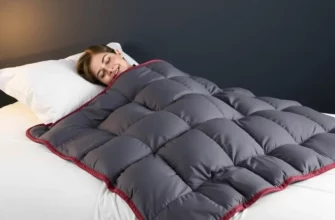
The rise of the weighted blanket in modern wellness is backed by significant research into proprioceptive input. By applying even pressure across the body‚ these blankets mimic the sensation of being held or hugged‚ which can significantly improve sleep quality for individuals with insomnia or ADHD. The engineering of these blankets has evolved from bulky‚ noisy plastic pellets to sophisticated‚ silent glass micro-beads.
| Feature | Glass Bead Fill | Plastic Poly-Pellets | Knitted Cotton Weave |
|---|---|---|---|
| Profile | Thin and low-profile | Bulkier and textured | Thick and open-air |
| Noise Level | Virtually silent | Audible rustling | Silent |
| Heat Retention | Low (stays cool) | Moderate | Highly breathable |
| Durability | High (won’t melt) | Moderate (heat sensitive) | High (washable) |
Choosing Your Material: From Glass Beads to Knitted Waffle Weave
When selecting a heavy weight glass ball blanket‚ the focus should be on the quilting pattern. Smaller quilted squares (4×4 inches) are superior to larger ones because they prevent the glass beads from pooling in the corners‚ ensuring the weight remains evenly distributed over your limbs. Glass beads are often preferred over plastic because they are denser‚ requiring less bulk to achieve the same weight.
If you struggle with night sweats‚ a heavy weight cotton blanket is often the better choice. Specifically‚ a heavy weight knitted waffle weave cotton blanket provides the necessary physical mass through the density of the yarn itself rather than internal fillers. This open-knit structure allows for maximum airflow while still providing the grounding sensation of a 15-pound or 20-pound cover.
Selecting the Right Weight for Your Body Frame
The gold standard for choosing a weighted blanket is the 10% rule: the blanket should weigh approximately 10% of your total body weight‚ plus or minus one or two pounds. For a 150-pound adult‚ a 15-pound heavy weighted queen blanket is typically the sweet spot. Going too heavy can lead to morning soreness‚ while going too light fails to trigger the desired neurological response.
Specialized sizing is required for specific furniture and age groups. A heavy weight king blanket needs to be significantly heavier (often 25-35 lbs) because the weight is spread over a much larger surface area. Conversely‚ a heavy weight baby blanket must be used with extreme caution and only under medical guidance‚ as infants lack the strength to move a heavy cover if it obstructs their breathing.
The Warmest Options for Winter: Heavy Weight Throws and Plush Bedding
When the goal is thermal retention rather than pressure therapy‚ the focus shifts to high-pile synthetics and natural fibers. Heavy winter bedding is defined by its GSM (grams per square meter). A blanket with a high GSM will feel thicker and more luxurious‚ acting as a high-performance insulator that traps body heat against the skin while blocking out the ambient chill of a cold bedroom.
| Material Type | Pros | Cons |
|---|---|---|
| Korean Mink | Extreme density‚ incredibly soft‚ lasts for decades. | Very heavy when wet‚ requires specific care. |
| Faux Fur | High aesthetic appeal‚ excellent heat trapping. | Can shed if low quality‚ sensitive to high heat. |
| Wool | Naturally fire-resistant‚ moisture-wicking‚ breathable. | Can be scratchy‚ often requires dry cleaning. |
| Vellux | Hypoallergenic‚ does not pill‚ gets softer with age; | Synthetic feel‚ less “breathable” than cotton. |
Korean Mink and Faux Fur: The Gold Standard for Plush Warmth
Korean mink blankets are not actually made of mink; they are a high-density blend of acrylic and polyester fibers. These blankets are prized for their double-sided construction and weights that often exceed 10 pounds for a single layer. Unlike standard fleece‚ the “mink” refers to the silky‚ dense texture that mimics animal fur without the ethical concerns.
For those seeking a designer touch‚ a heavy weighted Ugg blanket or a heavy weight faux fur blanket offers a combination of high-pile luxury and significant mass. Brands like Berkshire have popularized the heavy-weight velvet blanket‚ which uses a shorn pile technique to create a surface that is both smooth and exceptionally warm‚ making it ideal for drafty living rooms or uninsulated cabins.
Traditional Wool vs. Modern Synthetic Fleece
The heavy weight wool blanket remains a staple for outdoor enthusiasts and traditionalists. A Stansport heavy weight wool blanket or a similar military-style option is often 80-90% wool‚ providing warmth even when damp. Wool’s natural lanolin coating makes it water-repellent‚ which is why it is the preferred choice for a heavy weight wool camping blanket used in unpredictable weather.
On the synthetic side‚ the Vellux heavy weight blanket is often called the “hotel blanket” because of its extreme durability. These are made of a polyurethane foam base with a nylon flocking‚ creating a heavy weight fleece blanket that can withstand hundreds of industrial wash cycles without pilling or losing its shape. It is the best option for those who prioritize hygiene and easy maintenance.
Equestrian Excellence: Selecting a Heavy Weight Turnout Blanket
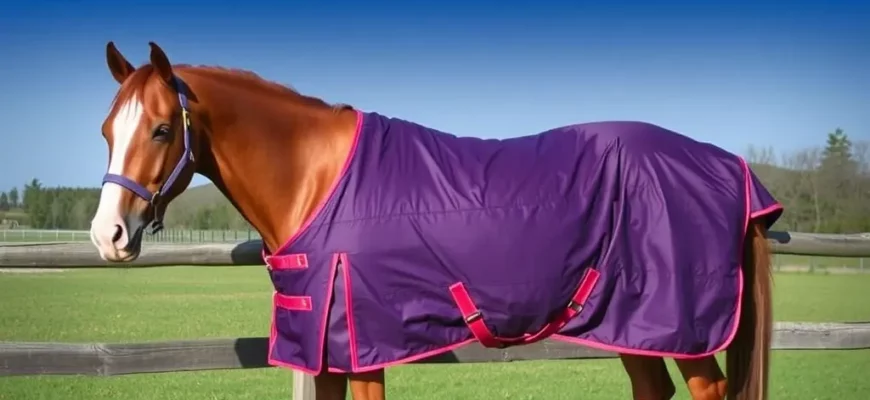
In the equestrian world‚ “heavy weight” has a very specific technical meaning. It refers to the amount of polyfill insulation sandwiched between the inner lining and the outer waterproof shell. A heavy weight turnout blanket typically contains 350g to 450g of fill‚ designed for horses kept in sub-freezing temperatures or those that have been clipped for the winter season.
- Check the Denier: Look for at least 1200D (denier) to ensure the blanket can withstand biting and rubbing.
- Verify Waterproofing: Ensure the outer shell is both waterproof and breathable to prevent the horse from sweating underneath.
- Measure the Fill: Confirm the gram weight (350g+) is appropriate for your local climate and the horse’s coat condition.
- Inspect Hardware: Heavy blankets put more strain on surcingles and leg straps; stainless steel or T-buckle fasteners are preferred for longevity.
Top Brands for Winter Protection: Rambo‚ Amigo‚ and Rhino
Horseware Ireland produces some of the most respected heavy gear in the industry. The Rambo heavy weight blanket is the pinnacle of this line‚ often using 1000D ballistic nylon—the same material used in flak jackets. This makes it nearly impossible for a horse to tear‚ protecting the expensive 400g thermobonded fiberfill inside.
For a more budget-friendly but still professional option‚ the Amigo heavy weight blanket or the Rhino heavy weight blanket offer tiered levels of protection. Rhino blankets are unique because they feature a barrier layer that maintains waterproofing even if the outer 1000D polypropylene shell is snagged or torn‚ ensuring the horse stays dry in the worst conditions.
Specialized Fits: Pony Blankets and High-Neck Designs
Not all horses have the same proportions‚ and a heavy weight pony blanket must be cut differently to avoid rubbing the shoulders or dragging on the ground. A heavy weight turnout blanket for a smaller breed requires shorter drops and adjusted neck openings. For horses with high withers or those prone to mane rubbing‚ a Tough One high neck medium weight or heavy weight blanket provides extra coverage that extends up the crest of the neck.
Schneiders heavy weight blankets are another excellent choice for specific fits‚ offering “V-Free” or “ArmourFlex” designs that relieve pressure on the withers. This is critical for heavy winter blankets‚ as the sheer mass of 400g fill plus a wet outer shell can cause significant downward pressure on a horse’s spine if the fit is not ergonomically sound.
Industrial and Moving Blankets: Heavy Weight Protection for Transit
Moving blankets are the unsung heroes of the heavy textile world. These are not designed for comfort but for impact absorption. The weight of a moving blanket is usually measured by the dozen. A professional-grade 100 cotton woven heavy weight moving blanket will weigh between 75 and 95 pounds per dozen‚ providing a thick buffer against dings‚ scratches‚ and vibration during transit.
Woven Cotton vs. Non-Woven Shipping Blankets
The primary difference between a cheap shipping blanket and a professional heavy weight moving blanket is the outer material. Non-woven blankets are made of pressed fibers and are intended for one-time use; they tear easily and provide minimal padding. In contrast‚ a woven polyester or cotton blend blanket with zig-zag stitching is designed for repeated professional use.
Weight correlates directly with furniture protection because a heavier blanket contains more internal padding (usually a mix of recycled cotton and synthetic fibers). When wrapping high-value items like pianos or antiques‚ using a blanket with a finished binding is essential to prevent the edges from fraying and leaving lint on the furniture’s finish.
Maintenance and Longevity: How to Wash Heavyweight Fabrics
Cleaning a 20-pound blanket is not as simple as tossing it in a standard home washer. Most residential machines have a weight limit of 10 to 12 pounds; exceeding this can snap the drive belt or damage the drum suspension. For any blanket over 15 pounds‚ a trip to the commercial laundromat is the safest route.
- Use Cold Water: High heat can damage the glass bead liners or melt the synthetic fibers in mink blankets.
- Avoid Fabric Softeners: Softeners can coat the fibers of moisture-wicking blankets and reduce their effectiveness.
- Dry on Low Heat: High dryer temperatures are the number one cause of “crunchy” fleece and pilling;
- Check for Leaks: Before washing a weighted blanket‚ inspect every seam for loose threads to prevent glass beads from escaping and ruining your machine.
Preserving the Pile: Preventing Pilling and Matting
To find heavy weight blankets that do not pill‚ look for materials like Vellux or high-staple cotton. Pilling occurs when short fibers break and tangle together. A heavy weight soft blanket made of long-staple fibers or treated polyester will maintain its smooth texture much longer. If your plush or mink blanket does start to mat‚ using a soft-bristled brush while the fabric is slightly damp can help “fluff” the fibers back to their original state.
In my professional experience managing both high-end residential interiors and equestrian facilities‚ I have found that consumers often confuse thickness with weight. When you are shopping for a heavy weight blanket‚ always look for the GSM (grams per square meter) rating for home textiles or the Denier and Fill weight for horse gear. A blanket can look thick and “puffy” but be filled with low-density air‚ which offers zero therapeutic benefit and poor thermal retention. For a truly heavy-duty experience‚ I always advise checking that a weighted blanket uses non-toxic glass micro-beads rather than sand‚ as sand can leak through stitching and absorb moisture‚ leading to mold issues that are impossible to remediate.
Frequently Asked Questions
While 15-20 pounds is standard for most adults‚ custom manufacturers produce blankets up to 35 pounds; however‚ you should never exceed 12-15% of your body weight for safety.
Are heavy weight blankets for winter too hot for summer use?
Thermal blankets are too hot‚ but chunky-knit weighted cotton blankets provide the necessary weight without the insulation‚ making them perfect for year-round use.
How many grams is a heavy weight turnout horse blanket?
In the equestrian industry‚ a blanket is considered “heavy weight” once it reaches 300g to 450g of polyfill insulation.
Can you machine wash a heavy weight glass ball blanket?
You can‚ but only in a front-loading commercial machine; the weight of the wet glass beads will often destroy the agitator in a standard home top-loader.
What makes Korean mink blankets heavier than standard fleece?
They use a double-raschel knit process and high-density acrylic fibers‚ creating a much tighter and heavier fabric structure than standard polar fleece.
What is the best material for a heavy weight blanket that does not pill?
For maximum pill-resistance‚ choose a high-quality Vellux or a 100% long-staple cotton blanket with a tight weave.