- Understanding the Core Rewilding Principles for a Resilient Planet
- The Three Cs: Cores, Corridors, and Carnivores
- Feral Rewilding: Reclaiming the Land, the Sea, and Human Life
- Blue Rewilding: Why the Oceans Need Radical Intervention
- Is Your Lifestyle Domesticated? The Rewilding Human Movement
- Reconnecting with Our Wild Bodies
- Rewilding Communities: Integrating Indigenous Wisdom and Modern Science
- The Role of Indigenous Stewardship in the Rewilding Way
- Practical Rewilding: How to Rewild the World from Your Own Backyard
- Small-Scale Interventions for a Healthier Planet
- Debunking the Myths: Is Radical Rewilding Dangerous?
- Balancing Agriculture and Wilderness
- Frequently Asked Questions
Understanding the Core Rewilding Principles for a Resilient Planet
Rewilding is not a passive retreat from the world but a courageous, proactive strategy to mend the broken links of our biosphere. While traditional conservation often focuses on freezing a specific landscape in time—protecting a particular rare bird or maintaining a static forest boundary—rewilding seeks to reboot the self-sustaining biological engines that allowed nature to thrive for millennia before human intervention became overbearing.
The call of rewilding is a response to the quietening of our forests and the sterilization of our soils. It moves beyond the “don’t touch” mentality of the 20th century and embraces a “let go” philosophy, where we provide the initial spark and then allow natural ecological processes to dictate the outcome. It is a transition from being nature’s jailers to becoming its facilitators.
This approach acknowledges that ecosystems are dynamic, chaotic, and ever-evolving. By restoring the foundational elements of a healthy environment, we create ecological resilience that can withstand the mounting pressures of the Anthropocene, including climate instability and mass extinction events.
The Three Cs: Cores, Corridors, and Carnivores
In 1998, conservation biologists Michael Soulé and Reed Noss revolutionized ecological thinking by introducing the “Three Cs” framework. This model remains the gold standard for large-scale biodiversity restoration. They argued that for nature to be truly wild, it requires expansive core protected areas where human interference is kept to an absolute minimum, allowing species to interact without the constant pressure of development.
However, isolated islands of wilderness are rarely enough to sustain genetic health. This is where landscape connectivity becomes vital. By establishing wildlife corridors—strips of natural habitat that link core areas—we allow animals to migrate, find mates, and shift their ranges in response to changing climates. Without these bridges, populations become “islands” prone to inbreeding and local extinction.
The final “C,” carnivores, is perhaps the most controversial yet biologically essential. Large predators, or keystone species, exert a “top-down” influence known as a trophic cascade. When wolves were reintroduced to Yellowstone, they didn’t just eat elk; they changed the behavior of the entire ecosystem, allowing willows to regrow, which invited beavers back, which in turn created wetlands for dozens of other species. Restoring natural processes often starts with restoring the animals at the top of the food chain.
Feral Rewilding: Reclaiming the Land, the Sea, and Human Life
The concept of “feral” is often misunderstood as a descent into chaos, but in the context of rewilding, it represents a return to an unmanaged, autonomous state. Rewilding the land, sea, and human life requires us to look at the world as a single, breathing organism where every biome is intrinsically linked through nutrient cycles and migration patterns.
We are currently witnessing a shift where rewilding is no longer confined to the terrestrial “green” world. The “blue” world—our oceans and coastal zones—is finally receiving the radical intervention it deserves. Because the sea is the ultimate sink for terrestrial runoff and the primary regulator of our atmosphere, marine restoration is the cornerstone of planetary stability.
To rewild effectively, we must stop viewing the human experience as something separate from the “wild.” Our modern health crises, from chronic inflammation to mental health struggles, are often symptoms of our “domestication.” Reclaiming our feral nature means integrating our daily lives into the rhythms of the earth rather than insulating ourselves from them behind layers of concrete and glass.
Blue Rewilding: Why the Oceans Need Radical Intervention
Marine environments have been decimated by bottom trawling, overfishing, and the destruction of coastal “nurseries.” Blue rewilding focuses on restoring seagrass meadows and oyster reefs, which act as the kidneys of the ocean. These habitats filter water, provide refuge for juvenile fish, and sequester carbon at rates that dwarf most land-based forests.
One of the most powerful tools in aquatic biodiversity restoration is the removal of obsolete dams. When we dismantle these barriers, we restore the pulse of the river-to-sea connection, allowing migratory species like salmon to transport vital nutrients from the deep ocean back into the heart of mountain forests. This nutrient transfer is a literal “blood transfusion” for the land.
Furthermore, the establishment of “No-Take Zones” allows marine life to reach full maturity. In these protected pockets, fish populations explode in size and diversity, eventually spilling over into surrounding waters. This shows that by stepping back, we actually increase the abundance available to everyone, proving that radical protection is the most practical form of resource management.
Is Your Lifestyle Domesticated? The Rewilding Human Movement
For 99% of human history, our bodies were shaped by the demands of the wild. We are evolutionarily designed for intermittent movement, varied diets, and deep sensory engagement with the natural world. Today, however, most of us live in a state of high-tech domestication, confined to ergonomic chairs and climate-controlled boxes that dull our biological edges.
The rewilding people movement is a rejection of this sedentary decline. It is an invitation to re-engage with the physical realities of being an animal on Earth. This isn’t about “getting fit” in the traditional sense; it’s about reclaiming the functional versatility that kept our ancestors alive. It is about moving from a state of “survival in comfort” to a state of “thriving in the elements.”
| Aspect of Life | The Domesticated Way | The Rewilding Way |
|---|---|---|
| Physical Movement | Linear, repetitive gym exercises on flat surfaces. | Natural movement: climbing, crawling, and balancing on variable terrain. |
| Circadian Rhythm | Chronic exposure to blue light and late-night screens. | Alignment with the sun: viewing early morning light and sleeping in darkness. |
| Foot Health | Cushioned, narrow shoes that weaken arch muscles. | Barefoot or minimal footwear: restoring sensory feedback from the ground. |
| Thermal Regulation | Constant 72°F (22°C) indoor environments year-round. | Thermal stress: deliberate exposure to cold and heat to boost metabolic health. |
| Food Sourcing | Highly processed, sterile, and globally shipped goods. | Foraging and local eating: consuming wild plants and seasonal, nutrient-dense whole foods. |
Reconnecting with Our Wild Bodies
Rewilding human movement is not about running on a treadmill; it is about restoring the full range of human motion. When we climb a tree, crawl through undergrowth, or carry a heavy stone, we engage neurological pathways that remain dormant during a standard workout. These complex movements build “functional intelligence,” teaching our bodies how to navigate the world with grace and power.
Beyond movement, we must address our sensory deprivation. Modern life is visually focused on a 2D plane (screens). By spending time in wild spaces, we re-engage our peripheral vision and auditory tracking, which has been shown to lower cortisol levels and improve cognitive function. Living on earth rewilding means recognizing that our skin, eyes, and ears are thirsty for the complex inputs of a forest or a coastline.
Finally, we must honor our biological clocks. Deep sleep in a cool, dark environment is a non-negotiable pillar of the rewilding way. By mimicking the light-dark cycles of our ancestors, we regulate our hormones and allow our bodies to perform the essential cellular repair that keeps us resilient against the diseases of modern civilization.
Rewilding Communities: Integrating Indigenous Wisdom and Modern Science
Rewilding is often criticized as a movement that seeks to “evict” people from the land, but this is a fundamental misunderstanding. Successful rewilding communities prove that humans can be a keystone species for good. The goal is to move away from industrial exploitation and toward a model of “participatory ecology,” where our presence enhances rather than degrades the environment.
By integrating modern scientific data with ancient land management practices, we create a regenerative social fabric. This approach rejects the “fortress conservation” model and instead looks at how community-led initiatives can protect wild spaces while supporting local economies. It is about finding the “sweet spot” where human culture and wild nature flourish together.
This transition requires a shift in how we view “progress.” Instead of measuring success by the amount of land paved over, we should measure it by the richness of the biodiversity in our communal spaces and the health of the water flowing through our towns. A rewilded community is one that prioritizes long-term ecological wealth over short-term industrial gain.
The Role of Indigenous Stewardship in the Rewilding Way
Indigenous peoples have been rewilding the world for millennia through Traditional Ecological Knowledge (TEK); Long before the term was coined, many cultures practiced controlled burning, selective harvesting, and sacred grove protection to maintain high levels of biodiversity. These are not “primitive” acts; they are sophisticated nature-based solutions that modern science is only now beginning to quantify.
Collaborative conservation models that put Indigenous leadership at the forefront are often the most successful. When land is returned to Indigenous stewardship, wildlife populations frequently rebound faster than in government-run parks. This is because these communities view the land as a relative, not a resource. To follow the rewilding way, we must listen to the voices that have never forgotten how to live in balance with the wild.
By combining TEK with modern satellite monitoring and genetic mapping, we can create a powerful synergy. Indigenous wisdom provides the philosophical framework, while modern science provides the tools to measure our impact and adjust our strategies in real-time. This is the future of community resilience.
Practical Rewilding: How to Rewild the World from Your Own Backyard
You do not need a thousand-acre estate to participate in the restoration of our planet. Practical rewilding starts exactly where you are. Whether you have a suburban lawn, a small balcony, or a local community park, you can become an active participant in the guide to rewilding by making small, intentional changes that provide immediate benefits to local wildlife.
The cumulative effect of thousands of “mini-wilds” is immense. If we can transform our sterile green carpets of grass into vibrant, multi-layered habitats, we create a massive network of urban corridors that allow pollinators and birds to navigate our cities. This is how to rewild the world from the bottom up.
- Kill your lawn: Replace thirsty, nutrient-poor grass with a diverse mix of native wildflowers and shrubs to support local insect populations.
- Install a wildlife pond: Even a small water feature can dramatically increase the biodiversity of your yard by providing a home for amphibians and a drinking station for birds.
- Build a “bug hotel”: Use old logs, hollow stems, and stones to create nesting sites for solitary bees and other beneficial insects.
- Stop using pesticides: Allow the natural predators in your garden, like ladybugs and birds, to manage pest populations without toxic chemicals.
- Practice “messy” gardening: Leave fallen leaves and dead wood in place over winter to provide essential cover for hibernating species.
- Plant a “Pocket Forest”: Use the Miyawaki method to grow a dense, native forest in an area as small as two parking spaces.
Small-Scale Interventions for a Healthier Planet
The most important step in practical rewilding is to stop the constant urge to “tidy” nature. A fallen branch is not trash; it is a complex habitat for fungi and beetles. A patch of nettles is not a weed; it is a vital food source for several species of butterflies. By shifting our aesthetic from “manicured” to “functional,” we open the door for life to return.
Native planting is the cornerstone of this effort. Native plants have co-evolved with local wildlife for thousands of years, meaning they provide the exact nutritional and structural needs that local species require. When you plant a native oak tree, you aren’t just planting a tree; you are supporting an entire ecosystem of hundreds of different species. This is the essence of being a rewilding practitioner in the modern world.
Debunking the Myths: Is Radical Rewilding Dangerous?
As the rewilding movement gains momentum, it has faced pushback rooted in fear and misinformation. Critics often paint a picture of “radical rewilding” as a dangerous experiment that threatens food security or human safety. However, the reality of how to rewild the planet is far more nuanced and collaborative than the headlines suggest.
We must address the fear of large predators and the concern that rewilding means the end of farming. In truth, rewilding and agriculture can be complementary rather than competitive. By integrating rewilding ideas into our food systems, we actually improve the long-term viability of our land by restoring soil health and natural pest control.
Myth: Rewilding will lead to a collapse in food production.
Fact: Rewilding focuses on marginal, unproductive land, and regenerative grazing can actually increase soil fertility and carbon sequestration on working farms.
Myth: Reintroducing wolves and bears is a threat to human life.
Fact: In areas where large carnivores have returned, conflict is managed through non-lethal deterrents and compensation programs, with statistically negligible risks to human safety compared to common daily activities.
Myth: Rewilding means abandoning the land and letting it become an “eyesore.”
Fact: A wild landscape is a highly productive, complex system that provides essential ecosystem services like flood prevention, carbon storage, and clean water.
Balancing Agriculture and Wilderness
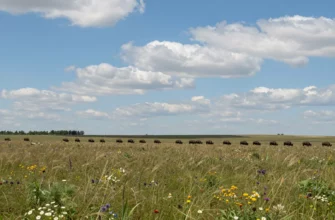
The future of land use is not a choice between a farm and a forest; it is the integration of both. Regenerative grazing is a powerful rewilding tool, where livestock are used to mimic the movement of ancient herds of bison or wild cattle. This “disturb and rest” cycle prevents any one species of plant from dominating, leading to a much higher diversity of flora and fauna.
Coexisting with keystone species requires a shift in management, not an abandonment of it. Using livestock guardian dogs and fladry fencing allows farmers to protect their herds while allowing predators to fulfill their ecological roles. The bottom line is that a rewilded landscape is a more stable one, providing a buffer against the droughts and floods that are currently devastating industrial monocultures.
In my professional experience, the biggest hurdle to successful rewilding isn’t a lack of land or funding—it’s a poverty of imagination. We have been conditioned for centuries to believe that “management” means “control.” I always advise my clients and students that the first thing they need to rewild is their own mind. You have to move from being a director to being a witness. When you stop trying to force an ecosystem to look a certain way, it will often surprise you with its own creativity. Remember, human health and planetary health are the same metric; you cannot have a vibrant, thriving human population on a sterile, dying planet. Rewilding is the ultimate act of self-care for our species.
Frequently Asked Questions
The core principles involve the Three Cs: Cores (large protected areas), Corridors (connectivity), and Carnivores (top-down regulation). The goal is to restore self-sustaining ecosystems where natural processes, rather than human management, drive the landscape’s evolution.
How can I start rewilding my own life?
Start by incorporating natural movement into your day, such as walking on uneven terrain or climbing. Align your sleep with circadian rhythms, spend more time outdoors in all weather conditions, and support local biodiversity by planting native species in your immediate environment.
What is the difference between rewilding and conservation?
Traditional conservation often focuses on preserving a specific state or protecting individual species. Rewilding is more dynamic; it seeks to restore the underlying functions—like nutrient cycles and predator-prey dynamics—that allow an ecosystem to manage itself and change over time.
Why is the work of Soulé and Noss important to rewilding?
Soulé and Noss provided the scientific foundation for large-scale restoration. Their 1998 framework shifted the focus from small, isolated nature reserves to large, interconnected landscapes that can support wide-ranging species and maintain genetic diversity.
Can rewilding happen in urban environments?
Yes. Urban rewilding involves creating “pocket forests,” green roofs, and wildlife-friendly gardens. These small interventions act as essential stepping stones for birds and insects, helping to bridge the gap between larger wild areas and bringing nature back to human centers.
Does rewilding mean removing all humans from the land?
No. Modern rewilding sees humans as potential partners in ecological health. It often draws on Indigenous stewardship models and regenerative agriculture to show how people can live and work on the land in ways that enhance biodiversity rather than destroying it.