- The Philosophy Behind Rewild Homes and Ecological Integration
- Moving Beyond Sustainability to Regenerative Design
- Small Footprint, Big Impact: The Rise of Rewild Tiny Homes
- Maximizing Biodiversity in Minimalist Spaces
- Core Elements of a Nature-First Home Design
- Choosing Materials That Breathe with the Land
- Practical Steps to Rewild Your Current Property
- Replacing Lawns with Native Wildflowers
- Common Myths About Living in a Rewild Home
- Expert Perspective: The Power of Managed Messiness
- Frequently Asked Questions
The Philosophy Behind Rewild Homes and Ecological Integration
The concept of a rewild home represents a fundamental shift in how we perceive our place within the environment. Instead of viewing a house as a sterile box designed to keep nature at bay, rewilding treats the home as a functional component of the local biological network. This approach prioritizes building structures that actively contribute to the health of the surrounding soil, air, and wildlife rather than merely occupying space.
Modern residential development often relies on clearing land and replacing complex ecosystems with monoculture lawns and impermeable surfaces. A rewilded home seeks to reverse this damage by integrating biophilic design principles that blur the lines between indoor and outdoor environments. This creates a living space that feels less like a finished product and more like an evolving participant in the landscape.
Moving Beyond Sustainability to Regenerative Design
While sustainability focuses on reducing negative impacts, regenerative living aims to leave the land better than we found it. A rewild home goes beyond being “less bad” by actively restoring the local habitat through intentional design choices. This might include structural elements that provide nesting sites for local bird species or roofing systems that support complex moss and lichen communities.
Home habitat restoration is about creating a symbiotic relationship where the building provides shelter for humans and the land provides resources for local fauna. By integrating thick thermal mass with native vegetation, we can create micro-climates that support rare plant species while simultaneously reducing the energy needed to heat and cool the home. This shift from “neutral” to “positive” is the hallmark of true ecological integration.
Small Footprint, Big Impact: The Rise of Rewild Tiny Homes
The tiny home movement serves as an ideal laboratory for rewilding because of its inherent emphasis on minimalism and outdoor connectivity. Because these structures occupy a fraction of the land required by traditional houses, they leave larger contiguous areas of soil undisturbed for natural succession and wildlife corridors. The smaller the interior, the more the resident is encouraged to interact with the external environment.
Strategic site placement is critical when merging tiny living with rewilding efforts. By elevating tiny homes on piers rather than pouring concrete slabs, we protect the existing root systems and fungal networks in the soil. This allows the land to continue breathing and processing water effectively, ensuring that the tiny house ecological footprint remains as light as possible.
Maximizing Biodiversity in Minimalist Spaces
Small space rewilding requires creative thinking about verticality and multi-functional surfaces. Even a home with a ten-foot-wide footprint can become a massive contributor to local biodiversity by utilizing living walls and tiered planting systems. These features do more than look beautiful; they provide essential stopover points for migratory pollinators and insects.
Using the foundation of a tiny home to support soil health is another often-overlooked strategy. By installing gravel-filled infiltration trenches around the perimeter, homeowners can manage runoff and recharge local aquifers. This ensures that even the smallest plot of land remains a productive part of the watershed, proving that you do not need acres of land to make a significant ecological difference.
Core Elements of a Nature-First Home Design
Designing a home that puts nature first requires rethinking every traditional building standard, from how we manage water to how we define a “finished” yard. The goal is to move away from high-maintenance, resource-heavy systems toward self-regulating environments that mimic the local ecoregion.
| Feature | Traditional Suburban Home | Rewild Home Approach |
|---|---|---|
| Landscaping | Non-native turf grass and ornamental shrubs. | Native wildflower meadows and wildlife thickets. |
| Water Management | Gutters directed to storm drains and sewers. | Rain gardens and greywater recycling systems. |
| Building Materials | Synthetic siding and virgin timber. | Reclaimed wood, rammed earth, and hempcrete. |
| Energy Usage | Heavy reliance on the grid and HVAC systems. | Passive solar heating and natural ventilation. |
To achieve these results, designers must focus on three primary pillars:
- Permeability: Ensuring that water can move through the property and into the ground naturally.
- Connectivity: Removing fences or barriers that prevent the movement of small mammals and reptiles.
- Longevity: Using materials that age gracefully and do not leach toxins into the soil over time.
Choosing Materials That Breathe with the Land
The selection of eco-friendly building materials is not just about the carbon footprint of the manufacturing process; it is about how those materials interact with the environment over decades. Using lime-based plasters and natural stone allows for vapor permeability, which prevents mold and creates a healthier indoor air quality without the need for chemical-heavy ventilation systems.
Replacing traditional driveways with permeable paving is one of the most effective ways to support local hydrology. Permeable surfaces allow rainwater to filter directly into the earth, which filters out pollutants and prevents the erosion common in urban and suburban areas. When we choose materials that “breathe,” we are acknowledging that our homes are part of a larger, living organism.
Practical Steps to Rewild Your Current Property
Rewilding does not require a total rebuild; it can begin with small, intentional changes to how you manage your existing land. The first step is often stopping the use of synthetic pesticides and fertilizers, which immediately allows the local insect population to stabilize. From there, you can begin to introduce structural elements that invite nature back into the space.
- Identify and remove invasive species that outcompete local flora and offer little value to native wildlife.
- Install a variety of water sources, such as a small pond or a simple birdbath, to support birds and beneficial insects.
- Create “soft landings” under trees by leaving fallen leaves and twigs, which provide essential overwintering habitat for moths and butterflies.
- Reduce outdoor lighting or switch to motion-activated warm LEDs to prevent disrupting the circadian rhythms of nocturnal animals.
- Build a brush pile in a quiet corner of the yard to offer shelter for toads, hedgehogs, or lizards.
Replacing Lawns with Native Wildflowers
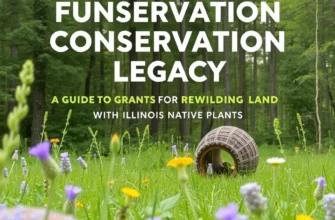
The traditional lawn is an ecological desert, requiring immense amounts of water and chemicals while providing zero habitat. Transitioning to native plant gardening is the single most impactful change a homeowner can make. By selecting species that evolved in your specific climate, you create a self-sustaining garden that thrives without supplemental irrigation or human intervention.
Establishing pollinator habitats is about more than just flowers; it is about providing the entire life-cycle needs of insects. This means planting host plants for caterpillars and leaving hollow stems standing through the winter for solitary bees to nest in. A yard filled with native wildflowers is not “messy”—it is a high-functioning ecosystem that produces oxygen, sequesters carbon, and supports the foundation of the local food web.
Common Myths About Living in a Rewild Home
Many people hesitate to embrace rewilding because of misconceptions regarding aesthetics and safety. These myths often stem from a cultural bias toward overly manicured landscapes that prioritize control over ecological function.
Myth: A rewilded yard is just a neglected, overgrown mess that will attract dangerous pests like rats and snakes.
Fact: Rewilding is an intentional design process. By creating a balanced ecosystem with predatory birds and beneficial insects, you actually reduce the likelihood of pest outbreaks. A healthy meadow has far fewer “pests” than a stressed, chemical-dependent lawn because nature’s checks and balances are allowed to function.
Myth: Rewilding is only possible if you have a massive amount of acreage in the countryside.
Fact: Ecological restoration can happen in a window box, on a balcony, or in a tiny suburban backyard. The cumulative effect of small “habitat islands” in urban areas is vital for the survival of migratory species and can significantly lower local heat-island effects.
Expert Perspective: The Power of Managed Messiness
In my professional experience as a landscape architect specializing in regenerative design, the biggest hurdle isn’t the biology—it’s the psychology. I always advise clients to embrace what I call “managed messiness.” This means understanding that a dead tree limb or a patch of tall grass isn’t a sign of laziness; it is a critical resource for the ecosystem. I’ve found that when homeowners stop fighting against the natural succession of their land, their stress levels drop alongside their water bills. The goal is to curate the wildness, not to suppress it, ensuring that every square inch of your property is working toward the health of the planet.
Frequently Asked Questions
Initially, there is a learning curve as you establish native plants, but once the ecosystem stabilizes, it is significantly lower maintenance. You eliminate the need for weekly mowing, chemical treatments, and heavy irrigation, as native species are adapted to your local climate.
Can I rewild a tiny home on wheels (THOW)?
Yes. Mobile tiny homes can practice rewilding by utilizing portable native container gardens and choosing parking sites that emphasize land stewardship. You can also use temporary greywater filtration systems to ensure your presence benefits the soil where you park.
Will rewilding my property lower its resale value?
Actually, the opposite is becoming true. As water costs rise and eco-consciousness grows, sustainable and native-landscaped properties are increasingly sought after for their low utility costs and unique, natural beauty.
What are the best plants for a rewilding project?
The “best” plants are strictly those native to your specific ecoregion. You should consult with local native plant societies or university extension offices to identify species that support your local pollinators and soil types.
How do rewild homes handle waste and water?
Rewild homes often use closed-loop systems like composting toilets, reed-bed greywater filtration, and rain barrels. These systems treat waste as a resource, returning nutrients and moisture to the land rather than flushing them into a centralized sewer system.