- Understanding the Sun Home Cold Plunge Performance and Design
- Key Features of the Sun Home Pro Series
- Sun Home vs. Kohler: Comparing Luxury Cold Therapy Options
- The Kohler Remedy Cold Plunge Experience
- Building Your Own: The Concrete and Homemade Cold Plunge Path
- Challenges of a Permanent Concrete Build
- Alternative Brands: Exploring Leisurecraft and Evergreen Options
- The Rustic Appeal of Leisurecraft
- Maximizing Value: Should You Buy a Refurbished Cold Plunge?
- What to Inspect Before Buying Used
- Safety and Maintenance for Long-Term Use
- Maintaining Water Clarity and Hygiene
- Final Verdict: Which Setup Fits Your Lifestyle?
- Frequently Asked Questions
Understanding the Sun Home Cold Plunge Performance and Design
The market for home cryotherapy has exploded, but few units manage to balance industrial-grade cooling with residential aesthetics as effectively as the Sun Home Cold Plunge. When you first step into a high-end chiller-based system, the difference from a standard ice bath is immediate; there is no thermal layer warming up around your skin because the water is constantly moving and maintaining a precise, biting temperature.
Sun Home has positioned itself as a leader by focusing on the mechanical reliability of their external chillers, which are designed to handle the heavy lifting of thermal regulation without the constant need for ice refills. The unit feels like a professional tool rather than a backyard hobbyist project, offering a sturdy build that accommodates athletes of all sizes while fitting into a modern wellness suite.
Key Features of the Sun Home Pro Series
The standout feature of the Pro Series is its integration of a high-efficiency 1HP chiller that prioritizes fast cooling times, often dropping water temperature by 10 degrees per hour depending on ambient conditions. This is particularly vital for households with multiple users where the water needs to recover its “sting” quickly between sessions.
Beyond raw power, the unit excels at keeping water clean through a dual-stage approach. It utilizes a 20-micron filter to catch physical debris like skin cells and hair, paired with an integrated ozone sanitation system that breaks down organic contaminants at a molecular level. This reduces the reliance on harsh chemicals, ensuring the water remains crisp and odorless for weeks at a time.
Sun Home vs. Kohler: Comparing Luxury Cold Therapy Options
When moving into the luxury tier of cold water immersion, the conversation inevitably shifts toward the Kohler Remedy and their specialized spa line. While Sun Home offers an athletic, performance-driven vibe, Kohler approaches the space from a standpoint of architectural integration and “invisible” technology. Choosing between them often comes down to whether you want a standalone recovery powerhouse or a fixture that blends into a high-end bathroom renovation.
| Feature | Sun Home Pro | Kohler Remedy / Spa |
|---|---|---|
| Primary Aesthetic | Industrial/Athletic Performance | Minimalist/Architectural Integration |
| Installation | Plug-and-Play (Portable or Permanent) | Professional Plumbing Required |
| Cooling Tech | External 1HP High-Flow Chiller | Internal Integrated Smart Cooling |
| Control System | Digital On-Unit + Mobile App | Kohler Konnect Smart Ecosystem |
| Price Point | Mid-to-High Luxury | Ultra-Premium Custom Pricing |
The Kohler Remedy Cold Plunge Experience
The kohler spa cold plunge is designed for the user who views recovery as a seamless part of their daily hygiene ritual. Unlike standalone tubs that might sit in a garage or on a patio, the Remedy series is often built into the floor or surrounded by custom cabinetry, utilizing the same design language as their high-end soaking tubs. It is the definitive choice for a luxury recovery setup where visual clutter must be eliminated.
Functionally, Kohler leverages its smart home ecosystem, allowing users to pre-chill the water via voice command or a scheduled routine. However, the engineering focus is heavily weighted toward ergonomics and material feel; the interior surfaces are often cast iron or high-grade acrylic designed to retain the chill while providing a more comfortable tactile experience than the ruggedized plastics found in more portable units.
Building Your Own: The Concrete and Homemade Cold Plunge Path
For the dedicated DIYer, the allure of a permanent installation often leads to the heavy-duty world of masonry. A custom build allows for specific depth and width requirements that commercial units can’t always match, but it introduces a level of complexity regarding waterproofing and thermal dynamics that many underestimate. Building a setup that doesn’t leak or grow algae requires more than just a hole in the ground and a bag of Quikrete.
| Factor | Concrete Custom Build | Standard Homemade (Stock Tank) |
|---|---|---|
| Durability | Decades; virtually indestructible | Moderate; prone to rust or seal failure |
| Insulation | Poor (Requires thick foam backing) | Very Poor (High thermal loss) |
| Cost | $3,000 ⎼ $7,000+ | $500 ⏤ $1,500 |
| Maintenance | High (Porous surfaces need sealing) | Low (Easy to drain and scrub) |
Challenges of a Permanent Concrete Build
The most significant hurdle with a concrete cold plunge is managing its thermal mass. Concrete is a poor insulator; without a dedicated layer of closed-cell spray foam or rigid insulation between the concrete shell and the surrounding earth, your chiller will work overtime to fight the ambient ground temperature. This “thermal bridging” can lead to massive electricity bills and a chiller that burns out prematurely.
Furthermore, a homemade cold plunge utilizing concrete must be finished with a pool-grade epoxy or tile. Raw concrete is porous and provides a perfect breeding ground for biofilm and black algae. Integrating a separate cooling motor also requires specialized core drilling for the bulkhead fittings, as any slight vibration from the pump can create micro-cracks in the concrete over time if the plumbing isn’t decoupled correctly.
Alternative Brands: Exploring Leisurecraft and Evergreen Options
If the industrial look of Sun Home or the ultra-modern vibe of Kohler doesn’t fit your home’s aesthetic, brands like Leisurecraft and Evergreen offer a more “organic” approach. These units often lean into the Scandinavian tradition of cold-water therapy, emphasizing natural materials like Western Red Cedar and Nordic Spruce to create a sanctuary-like environment.
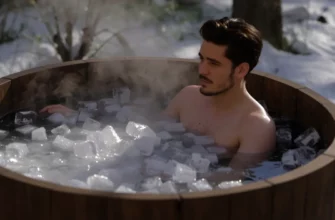
Leisurecraft, in particular, is famous for its barrel-style tubs. While they offer electric cooling options, many of their users prefer the traditional manual method or wood-fired heating/cooling cycles. The leisurecraft cold plunge serves as a piece of functional furniture that looks at home on a lakeside deck or in a wooded backyard, bridging the gap between a tool and a lifestyle statement.
The Rustic Appeal of Leisurecraft
The use of cedar isn’t just for show; the natural tannins in the wood provide a mild antimicrobial property, and the wood itself offers better natural insulation than thin-walled plastic tubs. When comparing this to the evergreen cold plunge, which often features a more streamlined, modern-meets-nature design, you see a clear market split. Evergreen targets the “biohacker” who wants a clean, white-and-wood aesthetic that fits a minimalist patio, whereas Leisurecraft is for the purist who wants the smell of wet wood and a deep, upright soak.
Maximizing Value: Should You Buy a Refurbished Cold Plunge?
The secondary market for cold plunges is growing as early adopters upgrade to newer models. Buying a refurbished cold plunge can save you thousands of dollars, but it carries significant risks if you don’t know what to look for; Unlike a standard bathtub, these are complex machines with compressors, heat exchangers, and sensitive electronics that spend their lives in a damp environment.
- Verify the Chiller’s Run Time: Just like a car’s odometer, high-end chillers often have an internal hour meter; anything over 5,000 hours may require a compressor service soon.
- Inspect the Heat Exchanger: Look for calcium buildup or “scaling” in the ports; heavy white deposits indicate the previous owner didn’t manage water chemistry.
- Check the Seal Integrity: Fill the unit and let it sit for 24 hours to ensure no slow leaks exist around the bulkhead fittings or the pump housing.
- Warranty Transfer: Confirm with the manufacturer if the warranty is tied to the original purchaser or the serial number; non-transferable warranties should result in a 40% discount on price.
- Pump Noise Level: Turn the unit on and listen for grinding or high-pitched whining; a noisy pump usually indicates a bearing failure is imminent.
What to Inspect Before Buying Used
When buying used recovery gear, the most expensive component to replace is the chiller. If the previous owner used the unit outdoors without a cover, the internal fans might be clogged with dust or pet hair, leading to overheating; Always ask for a video of the unit reaching its target temperature from a “warm” start to prove the refrigerant loop is still intact. A unit that takes four hours to drop five degrees is likely low on Freon or has a failing compressor.
Safety and Maintenance for Long-Term Use
Owning a cold plunge is a commitment to water management. Because the water is kept at low temperatures (typically 39°F to 50°F), it can mask the growth of certain bacteria that thrive in cold, stagnant environments. Safety isn’t just about the water quality; it’s also about how your body responds to the initial “cold shock” and ensuring you have a clear exit strategy if you experience lightheadedness.
- DO: Use a dedicated 20nd-party water tester weekly to check pH and alkalinity.
- DO: Shower before entering to remove body oils, lotions, and sweat, which drastically extends filter life.
- DON’T: Use standard pool chlorine; it can damage the specialized seals in small-scale chillers. Use hydrogen peroxide or mild ozone instead.
- DON’T: Plunge alone if you are testing temperatures below 40°F for the first time.
- DO: Keep a floating thermometer in the water to double-check the digital readout of the chiller.
Maintaining Water Clarity and Hygiene
To effectively how to reduce inflammation through cold therapy, you need consistent access to clean water. I recommend a total water change every 4 to 8 weeks, even with a high-end ozone system. To ensure you are staying safe after a cold plunge, always have a towel and warm clothing within arm’s reach. The “afterdrop” effect—where your core temperature continues to fall after you exit the water—can be dangerous if you don’t begin the rewarming process immediately through light movement or dry layers.
Final Verdict: Which Setup Fits Your Lifestyle?
The “best” cold plunge is entirely dependent on your space, your budget, and how much technical maintenance you are willing to perform. For the majority of users, the Sun Home Cold Plunge offers the most balanced “set it and forget it” experience, providing professional-grade cooling without the permanent construction requirements of a concrete build.
- The Luxury Seeker: Choose the Kohler Remedy for its architectural integration and smart-home features.
- The Performance Athlete: Go with Sun Home for the 1HP chiller power and rapid temperature recovery.
- The DIY Enthusiast: A concrete build is the ultimate “forever” solution, provided you invest in high-grade insulation and sealing.
In my professional experience, the most overlooked aspect of cold immersion is the mechanical duty cycle of the chiller. Many DIY setups fail because they use aquarium chillers or repurposed air conditioners that aren’t designed for the high-flow resistance of a 100-gallon tub. I always advise clients to prioritize the pump-to-chiller ratio; if your pump moves water faster than the chiller can strip heat from it, you’ll never hit those sub-40°F targets efficiently. While a concrete build is structurally superior, the “plug-and-play” convenience of a Sun Home or Kohler unit ensures that the engineering is balanced from day one, which is critical for long-term mechanical reliability.
Frequently Asked Questions
A typical 1HP chiller uses approximately 800-1000 watts while actively cooling. Once the target temperature is reached, it cycles on and off, usually costing between $15 and $30 per month depending on local utility rates and ambient temperature.
Can I install a Kohler cold plunge outdoors?
Most Kohler spa units are designed for indoor or protected-environment installation. If installed outdoors, they require a custom enclosure to protect the sensitive electronics and finish from UV damage and freezing temperatures.
Is a concrete cold plunge harder to maintain than a portable one?
Yes. Concrete is porous and can harbor bacteria in microscopic crevices. It requires specialized pool-grade sealants and more frequent scrubbing compared to the smooth, non-porous acrylic or drop-stitch surfaces of portable units.
What is the ideal temperature for a beginner using a cold plunge?
Beginners should start between 50°F and 55°F. This is cold enough to trigger the beneficial norepinephrine release while allowing the user to practice breathwork and manage the initial cold shock response safely.
Where can I find reliable refurbished cold plunges?
Check the “Certified Pre-Owned” sections of major brand websites like Sun Home or Plunge, and monitor verified biohacking marketplaces. Avoid generic classified sites where the mechanical history of the chiller cannot be verified.
How often do I need to change the filters on my Sun Home unit?
For a single user plunging daily, filters should be replaced every 4 weeks. For high-traffic households or commercial settings, filters should be checked weekly and replaced every 2 weeks to maintain water clarity and pump health.