- The Science of Restoration: How Rewilding Increases Biodiversity Naturally
- Moving Beyond Conservation to Active Regeneration
- Why Successful Rewilding Requires the Reintroduction of Fauna
- The Crucial Role of Large Herbivores in Shaping Landscapes
- Why Megafauna are the Architects of Healthy Ecosystems
- Restoring Balance Through the Reintroduction of Predators
- The Fear Factor: How Predators Indirectly Protect Flora
- The Economic Reality: Why Rewilding Needs Continuous Financial Support
- Moving from One-Off Grants to Sustainable Funding Models
- Overcoming Challenges in Modern Rewilding Initiatives
- Integrating Local Communities into the Wild Vision
- Frequently Asked Questions
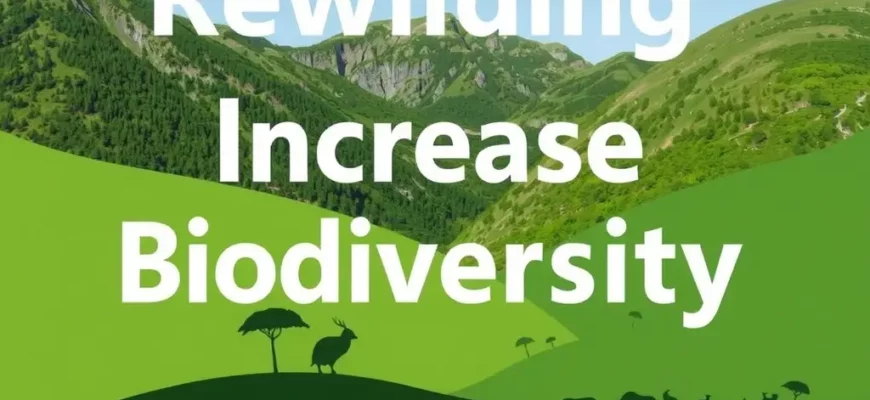
The Science of Restoration: How Rewilding Increases Biodiversity Naturally
Rewilding represents a fundamental shift in how we perceive and interact with the natural world. Instead of managing individual species as isolated assets, this approach seeks to restore the underlying biological processes that allow ecosystems to govern themselves.
By prioritizing the recovery of natural rhythms over human-centric landscaping, we allow biological variety to flourish in ways that traditional conservation often misses. This strategy moves away from the “museum” model of nature—where a specific state is frozen in time—and toward a dynamic, evolving landscape.
Moving Beyond Conservation to Active Regeneration
Traditional conservation often focuses on protecting what remains, which is vital but frequently insufficient for reversing massive species decline. Rewilding goes a step further by initiating natural regeneration through the repair of broken ecological links. When we step back and allow natural processes to take the lead, we observe a significant spike in ecological resilience.
This resilience is the ecosystem’s ability to absorb shocks, such as climate fluctuations or disease, without collapsing. By focusing on functional processes rather than just static populations, we create a landscape that is not just surviving, but actively expanding its biological capacity. This shift from protection to restoration ensures that nature has the tools it needs to heal itself over decades, rather than requiring constant human intervention.
Why Successful Rewilding Requires the Reintroduction of Fauna
A landscape without its animals is like a machine without its moving parts. While planting trees is a popular visual for restoration, the presence of specific fauna is what truly drives the complexity of a habitat. Animals are the mobile links that connect distant patches of forest, disperse seeds, and recycle nutrients across vast distances.
Without the physical presence of these biological actors, ecosystems often become stagnant and lose their ability to support diverse life forms. The return of wildlife is the catalyst that transforms a quiet green space into a vibrating, productive environment.
Myth: Rewilding simply means abandoning land and letting it “go wild” without any human oversight or planning.
Fact: Effective rewilding often requires a high-intensity startup phase where we reintroduce missing functional species to jumpstart natural cycles. Once these biological “engineers” are back in place, human management can eventually decrease as the ecosystem gains autonomy.
The Crucial Role of Large Herbivores in Shaping Landscapes
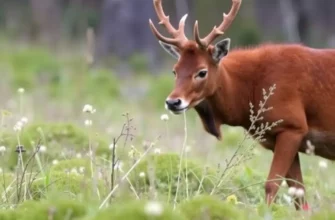
Large herbivores are the primary sculptors of the natural world. When rewilding introduces herbivores like bison, wild horses, or ancient cattle breeds, the physical structure of the vegetation begins to change almost immediately. These animals do not just eat grass; they create a mosaic of different habitats through their daily movements and feeding habits.
Through natural grazing patterns, these animals prevent any single plant species from dominating the landscape. This creates “disturbances”—trampled ground, wallows, and patches of bare soil—that provide essential nesting sites for rare insects and pioneer plant species. By keeping the canopy open, they allow sunlight to reach the forest floor, which triggers a massive increase in wildflower diversity and pollinator activity.
Why Megafauna are the Architects of Healthy Ecosystems
The introduction of megafauna serves a purpose that smaller animals simply cannot replicate. These large-bodied creatures act as ecosystem engineers, moving massive amounts of nutrients from nutrient-rich valleys to nutrient-poor uplands through their waste. A single large herbivore can transport thousands of seeds in its gut, depositing them miles away in a “fertilizer packet” that ensures the next generation of forest growth.
Furthermore, the physical weight of megafauna helps maintain wetlands. In many regions, the wallowing of large animals creates seasonal ponds that become breeding grounds for amphibians and dragonflies. Their impact is felt at every level of the food web, proving that the size of the animal often correlates with the scale of the ecological benefit it provides.
Restoring Balance Through the Reintroduction of Predators
The absence of top-level predators is one of the most common causes of ecosystem collapse. Without a “top-down” pressure, herbivore populations can explode, leading to the total destruction of young tree saplings and the loss of bird habitats. Reintroducing predators is not about creating “danger”; it is about restoring a biological checks-and-balances system that has been missing for centuries.
When predators return, they don’t just reduce the number of prey; they change how those animals move and behave. This behavioral shift is the engine behind some of the most dramatic ecological recoveries ever recorded by science.
- Predator Reintroduction: Apex species like wolves or lynx are released into a habitat where they have been absent for generations.
- Behavioral Shift: Prey animals, such as deer or elk, stop lingering in vulnerable open areas like riverbanks to avoid being caught.
- Vegetation Recovery: With less grazing pressure, willows, aspens, and other riparian plants begin to grow taller and thicker for the first time in decades.
- Habitat Expansion: The recovered flora provides nesting sites for migratory birds and building materials for beavers.
- Hydrological Change: Beaver dams raise the water table, creating new wetlands and cooling the water for fish populations.
- System-Wide Diversity: The entire food web becomes more complex, supporting everything from soil microbes to large scavengers.
The Fear Factor: How Predators Indirectly Protect Flora
The introduction of predators creates what ecologists call the “landscape of fear.” This isn’t about constant terror, but rather a strategic awareness that forces herbivores to stay on the move; When deer are forced to move frequently, they cannot overgraze a single patch of land to death;
This dynamic is essential for triggering trophic cascades. In many rewilding projects, the most significant impact of a predator isn’t how many animals it eats, but how many plants it saves by simply being present. By protecting sensitive zones like riverbanks from overgrazing, predators allow the “lungs” of the ecosystem to breathe again, leading to cleaner water and more stable soil structures.
The Economic Reality: Why Rewilding Needs Continuous Financial Support
While rewilding aims for ecosystem autonomy, the transition from a degraded state to a self-sustaining one is expensive and logistically complex. We must move past the idea that nature is “free.” To succeed, projects require continuous financial support to cover the costs of land acquisition, wildlife monitoring, and the removal of artificial barriers like dams and fences.
Securing long-term ecological funding is the only way to ensure that a project doesn’t collapse after the initial excitement fades. This requires a diversified portfolio of income streams that can weather economic shifts while keeping the ecological goals at the forefront.
| Funding Source | Primary Benefit | Long-Term Outlook |
|---|---|---|
| Ecotourism | Creates local jobs and direct revenue from wildlife viewing. | High potential for community buy-in but sensitive to travel trends. |
| Carbon Credits | Pays for the massive carbon sequestration of restored forests and peatlands. | Scaling rapidly as corporations seek to offset their environmental footprint. |
| Biodiversity Credits | A new market where companies pay for the measurable increase in species richness. | The emerging “gold standard” for funding pure restoration projects without timber extraction. |
| Government Subsidies | Redirects agricultural payments toward “public goods” like clean water. | Essential for large-scale landscape connectivity across private lands. |
Moving from One-Off Grants to Sustainable Funding Models
The reliance on short-term philanthropic grants is one of the greatest risks to modern rewilding. To achieve true scale, we must integrate rewilding into the global economy. This means treating a healthy ecosystem as a productive asset that provides essential services like flood mitigation, air purification, and drought resistance.
Private investment is increasingly flowing into rewilding through “green bonds” and impact investing. When we quantify the economic value of a functioning wetland in preventing downstream flood damage, the business case for rewilding becomes undeniable. By shifting the financial narrative from “charity” to “infrastructure investment,” we can unlock the billions of dollars needed to restore the planet’s biodiversity.
Overcoming Challenges in Modern Rewilding Initiatives
Rewilding does not happen in a vacuum; it happens in a world shared with humans. One of the most significant hurdles is the psychological and physical space required for wild processes to function. Large animals need corridors to migrate, and predators need territories that don’t constantly intersect with high-density human infrastructure.
Success depends on finding a balance between the needs of the wild and the needs of those who live and work on the land. Ignoring the human element is the fastest way to ensure a project’s failure.
- Lack of Space: Attempting to rewild tiny, isolated pockets of land often leads to “zoo-like” conditions rather than a functional ecosystem. Always aim for landscape connectivity to allow for natural migration and gene flow.
- Ignoring Local Knowledge: Top-down projects that ignore the expertise of local farmers or indigenous groups usually face intense social resistance.
- Inadequate Compensation: If a farmer loses livestock to a reintroduced predator, there must be a fast, fair, and transparent compensation system to prevent resentment.
- Poor Communication: Failing to explain the benefits of rewilding—such as improved water quality or new tourism revenue—leaves a vacuum for misinformation to fill.
Integrating Local Communities into the Wild Vision
The most successful rewilding projects are those that are community-led restoration efforts. When local people have a financial and emotional stake in the landscape’s recovery, they become its fiercest protectors. This involves creating new economic opportunities that replace older, more extractive industries.
For example, a former sheep farmer might transition to hosting wildlife photography tours or participating in a carbon-sequestration program. By fostering human-wildlife coexistence, we ensure that rewilding is seen as a benefit rather than a threat. Education programs that highlight the safety of modern rewilding techniques are also vital for reducing “biophobia” and building a culture that takes pride in its local wilderness.
In my professional experience, I have found that the biggest mistake people make is trying to recreate a specific date in history—like the year 1700 or the Pleistocene. I always advise my clients and students that rewilding is about restoring functions, not just species counts. If you focus on the roles of grazing, predation, and natural disturbance, you create an ecosystem that is flexible enough to survive a changing climate. Success isn’t measured by how many animals you have on day one, but by how much the ecosystem can do on its own by year ten. True rewilding is the pursuit of ecosystem autonomy.
Frequently Asked Questions
Rewilding increases biodiversity by restoring missing species and natural processes, which creates a variety of ecological niches. This complexity allows a wider range of plants, insects, and animals to find food and shelter in a self-sustaining system.
Why can’t we just plant trees instead of rewilding?
Planting trees often results in monocultures that lack the structural diversity of a real forest. Rewilding creates complex, self-regulating ecosystems where animals and natural disturbances ensure a mix of habitats that support far more life than a simple plantation;
Does rewilding always require the introduction of large predators?
No, rewilding is a spectrum. While large predators are the best way to achieve natural balance, smaller projects may use human management or “simulated predation” to mimic these effects until a landscape is large enough to support carnivores.
How is rewilding funded over the long term?
Long-term funding comes from a mix of ecotourism, government subsidies for environmental services, and the sale of carbon or biodiversity credits to private investors and corporations.
Is rewilding dangerous for local residents?
Safety concerns are managed through the use of buffer zones, wildlife corridors, and community-led management. Most rewilding species, like lynx or bison, are naturally shy and avoid human contact when given enough space.
What is the difference between passive and active rewilding?
Passive rewilding involves simply stepping back and letting nature take over, while active rewilding involves human intervention to “kickstart” the process, such as reintroducing key species or removing man-made barriers like dams.