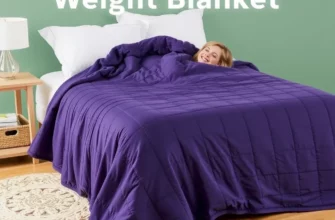
- How much should a weighted blanket weigh? Finding your Golden Ratio
- The 10% Rule: Why body weight is the primary factor
- Weight recommendations for adults: From 180 lb to 200 lb and beyond
- Choosing a weighted blanket for a 180 lb to 200 lb adult
- Pediatric safety: How many pounds for children and toddlers?
- Weighted blanket weight for a 2-year-old vs․ a 12-year-old
- Size and Scale: How much should a king weighted blanket weigh?
- Shared weight vs․ individual blankets for couples
- The Pellet factor: How fill material changes the feel of the weight
- Glass beads vs․ plastic pellets: Density and bulk
- Common mistakes when choosing your blanket poundage
- Expert Perspective: Occupational Therapy Insights
- Frequently Asked Questions
How much should a weighted blanket weigh? Finding your Golden Ratio
Selecting the right heaviness for your sensory bedding isn’t just about picking the biggest number on the shelf․ The primary goal is to achieve a state of deep pressure stimulation, which mimics the feeling of a firm, consistent hug to calm the nervous system․ While many shoppers assume more weight equals more relaxation, the “Golden Ratio” is actually a delicate balance between your body mass and your personal comfort threshold․
The sensation should feel grounding and secure, never restrictive or exhausting․ If you find yourself struggling to turn over in the middle of the night or feeling a sense of “heaviness” in your chest, the blanket is likely exceeding your physiological needs․ Identifying your ideal blanket heaviness requires looking at the 10% rule as a starting point rather than a final destination․
The 10% Rule: Why body weight is the primary factor
The industry standard for determining how to calculate weighted blanket needs is the 10% rule․ This guideline suggests that a blanket should weigh approximately 10 percent of your total body weight․ For a person weighing 150 pounds, a 15-pound blanket is the theoretical baseline․ This specific ratio is rooted in pressure therapy basics used by occupational therapists to provide enough input to the proprioceptive system without causing physical strain or respiratory restriction․
However, the 10% rule is often supplemented with a plus-one or plus-two pound adjustment for personal preference․ Individuals who struggle with high levels of sensory seeking may find that adding those extra couple of pounds provides the necessary “anchor” to quiet a restless mind․ Conversely, those with sensitive joints or a smaller frame might prefer to drop a pound or two below the 10% mark to avoid morning stiffness․
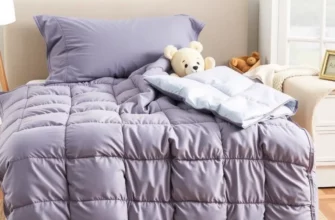
Weight distribution is just as vital as the total poundage․ A high-quality blanket uses quilted squares to ensure the fill material—whether glass or plastic—doesn’t bunch up at the edges․ If the weight shifts to the sides of the bed, you lose the therapeutic benefits of the pressure on your core․ Always look for blankets with smaller pocket sizes (typically 4×4 or 5×5 inches) to ensure the pressure remains even across your entire body throughout the night․
Weight recommendations for adults: From 180 lb to 200 lb and beyond
For adults, the weight selection process becomes slightly more nuanced as we account for larger body frames and potential health considerations․ While the 10% rule remains the foundation, the leap between commercial weight categories (usually 15, 20, and 25 pounds) can be significant․ It is essential to consider your sleeping position and any existing physical conditions, such as chronic back pain or circulation issues, which may influence how your body perceives heavy pressure․
| User Body Weight | Recommended Blanket Weight | Ideal For․․․ |
|---|---|---|
| 130 ౼ 160 lbs | 15 lbs | Average framed adults, side sleepers |
| 170 ─ 190 lbs | 15 ౼ 20 lbs | 15lbs for hot sleepers; 20lbs for deep pressure seekers |
| 200 ౼ 230 lbs | 20 ─ 25 lbs | Individuals seeking maximum grounding effect |
| 240 lbs + | 25 ─ 30 lbs | Larger frames or shared king-size configurations |
Choosing a weighted blanket for a 180 lb to 200 lb adult
If you are looking for a weighted blanket for a 180 lb adult, you sit right at the crossroads of the 15-pound and 20-pound categories․ In my experience, a 15-pound blanket is often the “safe” bet for those new to pressure therapy, as it provides significant calming without feeling overwhelming․ However, if you are a 200 pound person blanket weight selection usually leans toward the 20-pound option to hit that 10% sweet spot accurately․
The “between sizes” dilemma is a common hurdle for shoppers in this weight bracket․ If you fall between 180 and 200 pounds, base your decision on your sleep temperature and mobility․ A 20-pound blanket has more fill material, which can trap more body heat․ If you are a “hot sleeper,” staying at 15 pounds might be more sustainable for a full night’s rest․ If you find yourself constantly piling on heavy duvets just to feel “tucked in,” then sizing up to 20 or even 25 pounds will likely provide the heavy blanket for sleep experience you desire․
Physical health conditions must dictate the final choice․ Adults with sleep apnea, asthma, or other respiratory conditions should consult a physician before using a 20-pound or heavier blanket, as the pressure on the chest cavity can occasionally interfere with deep breathing․ Similarly, if you have rheumatoid arthritis or weak knees, a blanket that is too heavy can make it difficult to adjust your position, leading to joint fatigue by morning․
Pediatric safety: How many pounds for children and toddlers?
When it comes to children, the stakes for choosing the right weight are much higher․ Pediatric safety is the absolute priority, and the guidelines for kids are stricter than those for adults․ A blanket that is too heavy for a child isn’t just uncomfortable; it can be a genuine safety hazard․ The goal for children is to provide a safe weight for kids blanket that supports sensory regulation without hindering their ability to move freely or breathe easily․
Weighted blanket weight for a 2-year-old vs․ a 12-year-old
The difference in needs between a toddler and a pre-teen is vast․ For a 2-year-old, the primary concern is the 20-pound minimum body weight rule․ If a toddler weighs 25 pounds, a 2․5-pound or 3-pound blanket is the maximum recommended․ However, many commercial blankets start at 5 pounds․ If the child is under 40-50 pounds, a 5-pound blanket may actually be too heavy․ Always calculate 10% of their weight and add no more than 1 or 2 pounds․
When considering a weighted blanket for a 7 year old, most children in this age range weigh between 45 and 60 pounds․ This makes a 5-pound or 7-pound blanket the ideal range․ These blankets are designed to provide toddler sleep safety while helping with common issues like ADHD-related restlessness or sensory processing disorders․ By the time a child reaches 12 years old, they are often approaching adult weights․ A 12-year-old weighing 100 pounds can safely transition to a 10-pound or 12-pound blanket, which is often found in “teen” sizes․
Always monitor a child during the first few nights of use․ Check for redness on the skin, shortness of breath, or any signs of distress․ If the child complains that their legs feel “stuck” or they seem to be struggling to kick the blanket off, revert to a lighter weight immediately․ Safety is about the child’s ability to overcome the weight of the blanket in an emergency․
Size and Scale: How much should a king weighted blanket weigh?
The physical dimensions of your bed significantly impact how the weight of the blanket is perceived; A common mistake is buying a 20lb king size weighted blanket and expecting it to feel the same as a 20lb twin-size blanket․ Because the king blanket has a much larger surface area, the pressure density—the amount of weight per square inch—is much lower․ This means a 20lb king blanket will feel surprisingly light because most of that weight is hanging off the sides of the bed or spread across empty space․
When choosing a blanket for a larger bed, you must account for the “lost” weight that doesn’t actually touch your body․ If you want a king-size blanket to provide the same therapeutic pressure as a 15lb individual blanket, you may need to look for a model that weighs 30 to 35 pounds total․ This ensures that the portion of the blanket covering your body still meets that 10% threshold․
Shared weight vs․ individual blankets for couples
Sharing a weighted blanket is often a logistical challenge․ If one partner weighs 130 pounds and the other weighs 230 pounds, a single shared blanket will almost certainly be too heavy for one and too light for the other․ The math for a shared blanket suggests taking 10% of the combined weight, but this rarely works in practice because the weight doesn’t distribute perfectly between two people․
In most cases, separate blankets are the superior choice for couples․ This allows each person to choose their ideal weight and prevents the “tug-of-war” that happens when one person rolls over and pulls 25 pounds of glass beads with them․ If you insist on a single shared blanket, ensure you choose one with independent weight zones or realize that the lighter partner may experience physical fatigue from the excess pressure․ Bed size considerations are secondary to the individual physiological needs of each sleeper․
The Pellet factor: How fill material changes the feel of the weight
What is inside your blanket is just as important as the total number on the scale․ The fill material determines the blanket’s thickness, breathability, and “drape․” Drape refers to how well the blanket contours to the curves of your body․ A blanket with poor drape will feel like a stiff board sitting on top of you, whereas a blanket with excellent drape will wrap around you, maximizing the surface area of the pressure․
The two most common materials are glass beads and plastic poly-pellets․ Glass beads are roughly the size of grains of sand․ Because glass is much denser than plastic, you need fewer beads to reach a specific weight․ This results in a much thinner, more “invisible” blanket that looks like a standard throw․ Plastic pellets are bulkier and can sometimes feel “lumpy” or make a slight rustling sound when you move․
Glass beads vs․ plastic pellets: Density and bulk
If you are looking for a DIY weighted blanket weight, you will likely encounter plastic pellets first․ They are affordable and easy to work with, but they have a lower density․ To make a 15-pound blanket with plastic, you will need a significant volume of material, which can make the blanket very thick and prone to heat retention․ Glass bead fill is the preferred choice for most modern consumers because it allows for a cooler sleep experience and a more streamlined profile․
Heat retention is a major factor in fill choice․ Plastic is an insulator; it traps body heat․ If you live in a warm climate or suffer from night sweats, a plastic-filled blanket can become unbearable․ Glass beads, being a type of ceramic/silica, do not hold heat as effectively, making them the better option for year-round use․ Furthermore, glass beads provide a more uniform “hug” because they shift silently and fluidly within the fabric pockets, ensuring that the weighted blanket pellets don’t create uncomfortable pressure points on your shins or hips․
Common mistakes when choosing your blanket poundage
The most frequent error consumers make is choosing a blanket based on the size of their mattress rather than their body weight․ While it might seem logical to buy a Queen blanket for a Queen bed, if that blanket is 25 pounds and you only weigh 120 pounds, you are risking physical discomfort․ Always prioritize your own mass over the dimensions of the bed frame․
- Mistake 1: Thinking “Heavier is Better․” Excessive weight can trigger anxiety or claustrophobia in some users․
- Mistake 2: Ignoring the “Return Policy․” Since weight is subjective, always buy from a brand that offers a trial period;
- Mistake 3: Forgetting about washing․ A 20lb or 25lb blanket can damage a standard home washing machine․ Check if the blanket has a removable cover for easier maintenance․
- Mistake 4: Buying for children without checking the weight limit․ Never “guess” when it comes to pediatric safety․
Expert Perspective: Occupational Therapy Insights
In my professional experience working with sensory processing disorders, I have found that the “10% rule” is a helpful starting point, but it isn’t a law․ I always advise my clients to focus on the concept of proprioceptive input—the way our joints and muscles send signals to the brain about where our body is in space․ If a blanket is too light, the brain continues to “search” for that input, resulting in tossing and turning․ However, if the blanket is too heavy, it can lead to physical fatigue or what we call sensory overload․ I have seen users actually wake up feeling more exhausted because their muscles were working all night to resist the weight․ The goal is “active relaxation,” where the body feels held, not pinned down․ For those with chronic pain conditions like fibromyalgia, I often suggest starting even lighter—around 7% of body weight—to avoid triggering a pain flare-up․
Frequently Asked Questions
A blanket that is too heavy can cause joint pain, restrict circulation, and make it difficult to breathe․ Instead of calming the nervous system, it can trigger a stress response or feelings of claustrophobia․
Is a 15 lb weighted blanket too heavy for a child?
Yes, for most children under 100 pounds, a 15-pound blanket is unsafe․ It exceeds the 10% weight guideline and may be difficult for the child to remove independently in an emergency․
Can a 2-year-old use a weighted blanket?
Generally, no․ Unless specifically recommended by an occupational therapist, children under 2 (or under 20-30 lbs) should not use weighted blankets due to the risk of suffocation and SIDS․
Should I get a 15 lb or 20 lb blanket if I weigh 170 lbs?
The 10% rule suggests 17 lbs․ If you are a side sleeper or run hot, choose the 15 lb blanket․ If you are a back sleeper who craves deep pressure, the 20 lb blanket is likely better․
How do I calculate the weight for a king-size bed?
For a shared king blanket, it is best to use two separate blankets․ If sharing one, look for a blanket that is roughly 10% of the combined weight of both partners, typically 30-35 lbs․
Does the weight of the fabric cover count?
Yes, most manufacturers list the total weight of the product, including the cover․ If you are making a DIY blanket, be sure to weigh your fabric separately from your fill material to ensure the total is accurate․