- Understanding the Average Cost of a Weighted Blanket
- Current Market Trends for Weighted Bedding
- Price Breakdown by Weight: 15lb vs. 20lb Blankets
- How Much Is a 15-Pound Weighted Blanket?
- What You Will Pay for a 20-Pound Weighted Blanket
- Why Are Some Weighted Blankets So Expensive?
- The Impact of Fill Materials and Fabric Quality
- Retail vs. DIY: How Much Does it Cost to Make a Weighted Blanket?
- Calculating the Cost to Sew Your Own
- Size Matters: From Twin to Queen Price Points
- Comparing Twin, Full, and Queen Size Costs
- Smart Shopping: How Much Should You Actually Spend?
- Avoiding Overpriced Gimmicks
- Frequently Asked Questions
Understanding the Average Cost of a Weighted Blanket
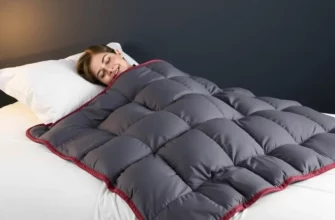
When you start shopping for therapeutic bedding, the first question is usually: how much is a weighted blanket? The market has expanded rapidly over the last five years, moving from a niche medical product to a mainstream sleep accessory found in almost every major retailer. Prices today vary wildly based on the quality of construction, the type of internal fill, and the specialized fabrics used for the outer shell.
Generally, the market is divided into three distinct tiers. You can find budget-friendly options starting as low as $30, mid-range blankets that offer a balance of comfort and durability between $70 and $150, and luxury performance blankets that can easily exceed $300. Finding the right price point requires balancing your specific sleep needs against the longevity of the product, as a cheap blanket that leaks glass beads after three months is a poor investment compared to a more expensive, reinforced model.
Current Market Trends for Weighted Bedding
The average cost of a weighted blanket has actually stabilized recently due to increased competition and more efficient manufacturing processes. While boutique brands used to dominate the space with high price tags, mass-market production has made basic models much more accessible to the average consumer. However, a significant price gap remains between mass-produced polyester blankets and those using high-end materials like bamboo or organic cotton.
Boutique brands justify their higher weighted blanket average price by focusing on ethical sourcing and superior weight distribution. These brands often use smaller diamond-shaped pockets to ensure the fill doesn’t clump on one side of the bed. In contrast, mass-market brands often use larger squares, which are cheaper to sew but can lead to uneven pressure. Always look for double-stitched seams to ensure the internal beads remain contained for the life of the product.
Price Breakdown by Weight: 15lb vs. 20lb Blankets
Weight is the primary driver of cost because it dictates the volume of the fill material required. Whether the manufacturer uses glass beads or plastic poly-pellets, a heavier blanket simply costs more to produce and significantly more to ship. Most experts recommend choosing a blanket that is roughly 10% of your total body weight to achieve the best results for deep pressure stimulation.
| Blanket Weight | Typical Price Range (Mid-Range) | Key Consumer Target |
|---|---|---|
| 10 lbs ⎻ 12 lbs | $50 – $90 | Children and smaller adults (100-120 lbs) |
| 15 lbs | $70 – $140 | The most common choice for adults (130-160 lbs) |
| 20 lbs | $90 – $180 | Larger adults or those seeking intense pressure |
| 25 lbs+ | $130 – $250+ | Shared blankets or very high-pressure needs |
How Much Is a 15-Pound Weighted Blanket?
As the most popular weight category, the 15-pound option is where you will find the most competitive pricing. The typical cost of a weighted blanket in this weight class ranges from $70 to $140 for a standard cotton or minky fabric version. At this price point, you should expect a high-quality fill, usually glass beads, which are preferred for their density and quietness compared to plastic alternatives.
When searching for how much is a 15 pound weighted blanket, be wary of prices under $50. Sub-$50 models often use low-quality polyester covers that trap heat, making it difficult to sleep through the night without overheating. If you are a hot sleeper, expect to pay a $20 to $30 premium for specialized cooling technology like Tencel or bamboo-derived fabrics that help dissipate body heat more effectively.
What You Will Pay for a 20-Pound Weighted Blanket
Moving up to a 20-pound model usually results in a price jump of 15% to 25% over the 15-pound version. When calculating approximately how much does a 20lb weighted blanket cost, you must also account for the physical size of the blanket; a 20lb “throw” size will be cheaper than a 20lb “queen” size because the fill density is much higher in the smaller dimensions. Heavier blankets require more robust stitching to prevent the weight from tearing the fabric over time.
Shipping is another hidden factor in how much is a 20 pound weighted blanket. Because these items are heavy and bulky, shipping costs can be substantial if not included in the retail price. Many premium brands offer free shipping, which can save you $20 or more compared to buying from a third-party seller that adds freight charges at checkout. Check the return policy carefully, as returning a 20-pound item can be prohibitively expensive if you pay for the postage yourself.
Why Are Some Weighted Blankets So Expensive?
If you have seen blankets priced at $300 or more, you might wonder why do weighted blankets cost so much when a standard comforter is a fraction of that price. The answer lies in the engineering required to keep thousands of tiny beads perfectly distributed across your body. Cheap blankets often feel like a “bag of sand,” while high-end models feel like a consistent, gentle hug due to advanced quilting patterns.
Furthermore, why are some weighted blankets so expensive often comes down to the quality of the “breathable” materials used. Standard polyester is cheap but acts as an insulator, which is a nightmare for anyone prone to night sweats. Premium brands invest in cooling technology and moisture-wicking fabrics, which carry a higher raw material cost. Investing in a blanket with a removable duvet cover is also a price factor, as it allows for easier machine washing without damaging the weighted inner core.
The Impact of Fill Materials and Fabric Quality
The internal fill is the soul of the blanket. Plastic poly-pellets are the budget choice; they are larger, bulkier, and can sometimes emit a slight chemical odor or a “crunching” sound when you move. Glass beads are the gold standard because they are much smaller and denser, allowing the blanket to be thinner and more flexible. High-density glass beads provide a more therapeutic experience because they conform to the contours of the body without the bulk of plastic.
Specialty brands like Yogibo use unique materials that further drive up the price. These brands often focus on sensory-friendly fabrics that are specifically designed for individuals with autism or severe sleep anxiety. While you might pay a premium for these names, the value often lies in the specialized texture and long-term durability. Always check if the fill is lead-free and non-toxic, especially if the blanket is intended for a child or someone with sensitive skin.
Retail vs. DIY: How Much Does it Cost to Make a Weighted Blanket?
For the craft-oriented, making your own bedding might seem like a great way to save money. However, the cost to make a weighted blanket is often higher than people anticipate. You aren’t just paying for fabric; you are paying for several pounds of specialized fill material, which can be expensive to purchase in small quantities. Additionally, the time investment required to sew individual pockets and ensure the weight is perfectly even is significant.
| Expense Category | Estimated DIY Cost | Retail Equivalent |
|---|---|---|
| Fill Material (15lbs Glass Beads) | $45 – $65 | Included |
| Fabric (Cotton/Flannel ⎻ 4 yards) | $30 – $50 | Included |
| Thread & Heavy Duty Needles | $10 – $15 | Included |
| Labor Time (4-8 hours) | “Free” (Human Effort) | Included |
| Total Financial Outlay | $85 – $130 | $70 – $150 |
Calculating the Cost to Sew Your Own
When you break down how much does it cost to make a weighted blanket, the glass beads alone can take up 60% of your budget. If you are looking at how much is a crochet weighted blanket, the cost of high-quality, thick yarn (often called “chunky” or “tube” yarn) can be even higher, sometimes reaching $150 just for the materials. Crocheted versions are often more breathable because of the natural gaps in the knit, but they require a massive amount of material to reach the desired weight.
The primary advantage of DIY isn’t always the price; it’s the customization. You can choose the exact fabric patterns and dimensions that fit your bedroom decor. However, if your goal is purely to save money, buying a mid-range retail blanket on sale is almost always cheaper than making one from scratch once you factor in the cost of high-quality glass beads and durable thread.
Size Matters: From Twin to Queen Price Points
Dimensions play a massive role in the final price tag. Many consumers assume that a 15lb blanket costs the same regardless of size, but this is rarely the case. A twin-size blanket concentrates the weight in a smaller area, whereas a queen-size blanket spreads that same weight over a much larger surface. To maintain the same “pressure feel,” a queen-size blanket usually needs to be significantly heavier, which increases the cost of materials and labor.
When looking at how much does a queen size weighted blanket cost, expect to see prices ranging from $100 to $250. Because the surface area is larger, manufacturers must use more fabric and more intricate stitching to keep the beads from shifting to the edges of the bed. A common mistake is buying a blanket that is too large; a weighted blanket should cover your body, not drape over the sides of the mattress like a traditional comforter, as the weight of the overhanging fabric will pull the blanket off you during the night.
Comparing Twin, Full, and Queen Size Costs
The cost of weighted blanket twin size models is usually the lowest because they use the least amount of fabric and are the easiest to manufacture. These are ideal for single sleepers or for use on a couch. As you move up to Full or Queen sizes, the price increases because the labor involved in quilting hundreds of small squares doubles. Proper weight distribution is harder to achieve on larger blankets, so premium brands often charge more to guarantee the beads won’t pool in the corners.
If you are sharing a bed, you might be tempted to buy one giant king-size weighted blanket. However, many sleep experts recommend buying two individual twin-size blankets instead. This allows each person to choose their ideal weight and prevents the “tug-of-war” that often happens with heavy bedding. Two smaller blankets are also much easier to wash in a standard home washing machine than one massive 35-pound king-size blanket.
Smart Shopping: How Much Should You Actually Spend?
Deciding how much should a weighted blanket cost for your specific situation depends on how often you plan to use it. If you are looking for an occasional tool to help with stress after a long day, a budget-friendly $50 option might suffice. However, if you are dealing with chronic sleep anxiety or insomnia and plan to use the blanket every single night, spending $120 to $160 on a high-quality model is a better long-term value.
- Check for Certifications: Look for the OEKO-TEX Standard 100 label to ensure no harmful chemicals were used in the fabric or fill.
- Prioritize Cooling: If you sleep hot, never buy a cheap polyester blanket; you will regret the lack of breathability within the first hour.
- Read the Stitching Reviews: Look for complaints about “leaking beads,” which is the most common failure point for low-cost models.
- Consider the Cover: A blanket with a built-in, removable cover saves you the $30-$50 cost of buying a separate duvet later.
Avoiding Overpriced Gimmicks
While looking at how expensive are weighted blankets, be wary of “luxury” features that don’t add real value. Some brands claim their beads are “infused with lavender” or other scents that typically wash out or fade quickly. These are often gimmicks used to inflate the price. Focus your budget on the fundamentals: high-density glass fill, reinforced stitching, and high-quality natural fabrics like cotton or bamboo.
Ultimately, the best value is found in the $80 to $130 range. In this bracket, you are no longer paying for the cheapest possible components, but you aren’t yet paying for massive brand marketing budgets. A well-constructed mid-range blanket can last 5 to 7 years, making the “cost per sleep” incredibly low—often less than ten cents per night over the life of the product.
In my professional experience as a sleep coach, I have found that the biggest mistake consumers make is chasing the lowest upfront price. When you evaluate a weighted blanket, you should calculate the cost per sleep rather than the retail price. A $40 blanket that makes you sweat and ends up in the closet is a waste of money. Conversely, a $150 cooling bamboo blanket that helps you achieve an extra hour of REM sleep every night is one of the highest-ROI investments you can make for your health. I always advise my clients to prioritize breathability and weight distribution over brand names, as these are the two factors that actually dictate your sleep quality.
Frequently Asked Questions
Glass beads are more expensive because they are smaller and denser, allowing for a thinner blanket that contours better to the body. They are also completely silent and eco-friendly, whereas plastic pellets are bulkier, noisier, and less durable over time.
Is it cheaper to make a weighted blanket than to buy one?
Usually, no. While you can source raw materials for $80-$100, you can often buy a professionally manufactured mid-range blanket for the same price or less. DIY is best for custom sizes or designs, but retail is more cost-effective for standard needs.
How much does a 20lb weighted blanket usually cost?
A standard 20lb weighted blanket typically costs between $90 and $180. The price varies based on whether it includes a cooling cover and whether the fill is high-quality glass or cheaper plastic.
Does the cover material affect the price of a weighted blanket?
Yes, significantly. Basic polyester or “minky” covers are the cheapest. Premium materials like 100% organic cotton, bamboo, or Tencel can add $20 to $50 to the price due to their superior breathability and moisture-wicking properties.
What is the average price for a queen-size weighted blanket?
The average price for a queen-size model is between $100 and $250. The higher price reflects the increased fabric yardage and the extra labor required to ensure even weight distribution over a larger surface area.
Are expensive brands like Yogibo worth the extra money?
For some, yes. High-end brands often offer better warranties, sensory-specific fabrics, and superior durability. If you have specific sensory needs or want a product that will last a decade, paying the premium for a reputable brand is often justified.