- Finding the Right Grants for Rewilding Land with Illinois Native Plants
- Why Illinois Prioritizes Native Species Restoration
- State-Level Support: Navigating IDNR and Local Illinois Funding
- The Illinois Wildlife Preservation Fund and Beyond
- Federal Partners: How the NRCS and CRP Can Pay for Your Native Seeds
- Environmental Quality Incentives Program (EQIP) in the Midwest
- Your Rewilding Roadmap: A Step-by-Step Application Guide
- Pre-Application: Assessing Your Soil and Species Needs
- Avoiding Common Pitfalls in Illinois Conservation Applications
- Why Native-Like Isn’t Good Enough for Illinois Grants
- Expert Perspective: Illinois Land Stewardship
- Frequently Asked Questions
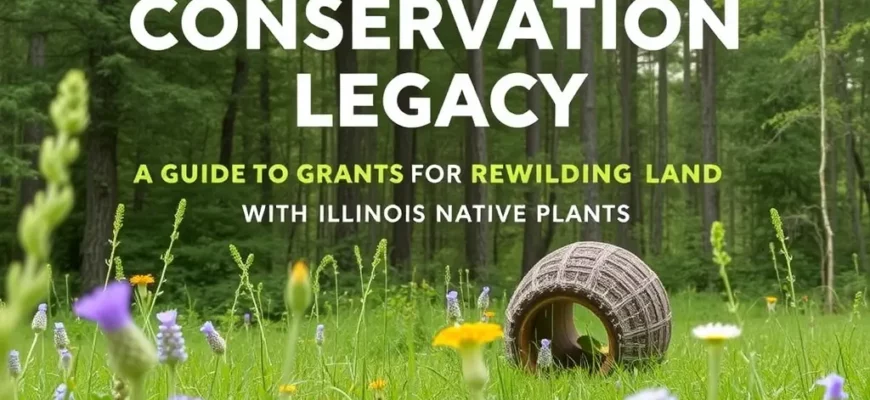
Finding the Right Grants for Rewilding Land with Illinois Native Plants
Restoring the prairie is more than a weekend gardening project; it is a commitment to healing the unique landscape of the “Prairie State.” For many Illinois landowners, the transition from high-maintenance turf or low-yield agricultural plots to vibrant native ecosystems can feel financially daunting. Fortunately, state and federal agencies offer significant financial backing for those willing to bring back native blooms and restore the ecological functions of their property.
Rewilding focuses on reintroducing the biological diversity that once defined the Midwest. By shifting away from traditional landscape management, you contribute to a resilient network of habitats that stabilize the soil and filter our groundwater. Funding exists to bridge the gap between your vision for a wilder Illinois and the literal cost of the seeds and labor required to get there.
Why Illinois Prioritizes Native Species Restoration
The state of Illinois has lost over 99% of its original high-quality prairie, making every acre of restored land a critical sanctuary for survival. These ecosystems are not just aesthetically pleasing; they are functional powerhouses. Deep-rooted prairie plants, such as Big Bluestem and Switchgrass, act as massive carbon sinks, sequestering carbon several feet underground where it remains stable for decades.
Beyond carbon, these habitats are the lifeblood of our local food systems. Supporting local pollinators like the Monarch butterfly—the official state insect—requires a specific diet of native milkweed that many modern landscapes lack. By restoring local ecosystems, you are creating a biological corridor that allows these species to migrate, feed, and reproduce safely. Protecting the Illinois prairie heritage ensures that the soil remains fertile and the local climate stays regulated through natural water management provided by these ancient root systems.
State-Level Support: Navigating IDNR and Local Illinois Funding
The Illinois Department of Natural Resources (IDNR) serves as the primary gatekeeper for state conservation efforts. Accessing state-funded help often requires a clear understanding of which program fits your land’s specific profile, whether you own a few suburban acres or a sprawling rural estate. These programs are designed to incentivize private citizens to act as stewards of the state’s natural resources.
| Program Name | Primary Target | Typical Funding Use |
|---|---|---|
| Wildlife Preservation Fund | Non-game species and rare habitats | Small-scale habitat restoration and education projects. |
| Conservation Stewardship Program (CSP) | Private landowners with 5+ acres | Property tax reductions in exchange for a managed conservation plan. |
| Partners for Conservation | Agricultural and private rural lands | Cost-sharing for soil health and water quality improvements. |
| Schoolyard Habitat Grants | Educational institutions | Creating “outdoor classrooms” with native Illinois plant species. |
The Illinois Wildlife Preservation Fund and Beyond
The Illinois Wildlife Preservation Fund is a unique resource funded largely by voluntary contributions from taxpayers. It provides small project grants that are perfect for enhancing specific habitat niches on your property. If you are looking to install a specialized pollinator garden or a small wetland pocket, this fund can often assist with the costs of planting native Illinois species.
When applying for state conservation money, the IDNR typically requires a high level of ecological accuracy. This means you must prioritize Illinois-certified native seeds that are sourced from local ecotypes. Using seeds from a different climate zone, even if they are the same species, can weaken the local gene pool. State reviewers look for projects that demonstrate a clear understanding of the “local” in local restoration, favoring plant lists that match the specific county or region of the project site.
Federal Partners: How the NRCS and CRP Can Pay for Your Native Seeds
If you manage larger tracts of land, the federal government can be your most significant financial partner. Through the United States Department of Agriculture (USDA) and the Natural Resources Conservation Service (NRCS), several national conservation programs offer a federal helping hand to Illinois residents. These programs often operate on a cost-share basis, meaning the government may reimburse you for 50% to 75% of the costs associated with site preparation, seeding, and maintenance.
These programs are not just for full-time farmers. Many are available to any landowner who has land currently in agricultural production or land that could provide significant environmental benefits if retired from use. The focus here is on long-term impact, typically requiring a contract of 10 to 15 years to ensure the new habitat has time to mature and stabilize.
Environmental Quality Incentives Program (EQIP) in the Midwest
The Environmental Quality Incentives Program, or EQIP, is one of the most versatile tools for rewilding in the Midwest. In Illinois, EQIP provides both technical and financial assistance for planning your rewilding project from the ground up. This includes professional help from a conservationist who will visit your property to identify soil types and existing drainage patterns.
One of the most valuable aspects of EQIP is its financial assistance for invasive species control. Before you can plant a single native seed, you must often clear out aggressive non-natives like Bush Honeysuckle or Autumn Olive. EQIP provides specific funding rates for the removal of these invaders, ensuring your native plants don’t have to compete for sunlight and nutrients. This federal funding for rewilding effectively lowers the barrier to entry for complex, multi-year restoration projects.
Your Rewilding Roadmap: A Step-by-Step Application Guide
Getting your project started requires moving from a general idea to a documented plan. Granting agencies do not just fund “planting some flowers”; they fund ecological outcomes. You must demonstrate that you have a strategy for the long-term success of the habitat. This starts with a thorough assessment of what you already have and what your land is capable of supporting.
- Contact Your Local District Conservationist: Locate your county’s USDA Service Center. A professional will often visit your site for free to discuss which programs fit your land.
- Develop a Conservation Plan: This is a formal document that maps out your soil types, current vegetation, and your goals for rewilding. It acts as the blueprint for your grant application.
- Submit Your Application During Ranking Periods: Most grants are not “first-come, first-served.” They are ranked based on environmental benefit. Submit early to ensure you are in the current cycle.
- Secure a Technical Site Assessment: Before the money is released, an expert will verify the acreage and the specific needs for invasive species removal.
- Implement and Document: Once approved, you purchase the seeds and perform the work. Keep every receipt and take photos of the process, as you will need these for reimbursement.
- Post-Planting Inspection: An agency representative will visit to ensure the native seed mix was applied correctly before the final payment is issued.
Pre-Application: Assessing Your Soil and Species Needs
Before you fill out a single form, you need to know what you are working with. Rewilding your backyard or farm successfully depends on matching the plant to the place. A common mistake is trying to plant a dry prairie mix in a spot that holds water for three days after a rain. Mapping out the target ecosystem—be it wetland, prairie, or forest—is the first step in planning your native garden or acreage.
Identifying existing invasive species is equally critical. If your land is currently covered in Reed Canary Grass, a standard seeding approach will fail. You must exhaust the “weed seed bank” in the soil through multiple rounds of preparation before introducing expensive native seeds. Granting agencies will often prioritize applications that show a realistic understanding of this preparation phase.
Avoiding Common Pitfalls in Illinois Conservation Applications
The path to funding is often blocked by small technical errors that signal a lack of long-term planning. Reviewers want to see that their investment will still be thriving ten years from now. Don’t forget the maintenance; a restoration project is not a “set it and forget it” endeavor. Without a plan for fire, mowing, or spot-spraying, a beautiful prairie can revert to a field of weeds in just a few seasons.
- Using “Nativars” or Cultivars: Many big-box stores sell “native” plants that have been bred for color or size. These often lack the pollen quality or bloom timing needed by local insects. Always stick to straight species (wild-types) to satisfy grant requirements.
- Inadequate Site Preparation: Skipping the removal of cool-season grasses (like Kentucky Bluegrass) is the fastest way to have your grant-funded project fail.
- Ignoring Local Ecotypes: Buying seeds from a different state might be cheaper, but they may not be hardy enough for Illinois winters or may bloom at the wrong time for local pollinators.
- Poor Timing: Missing the “frost seeding” window can significantly reduce the germination rates of certain native forbs that require a cold period to break dormancy.
Why Native-Like Isn’t Good Enough for Illinois Grants
There is a massive difference between a “wildflower mix” from a hardware store and a professional restoration seed mix. Most generic mixes contain non-native species or even invasive annuals that provide a quick burst of color but no long-term ecological value. Granting agencies specifically look for certified local seeds that have been harvested from Illinois populations.
Proving the local origin of your plant list is often a requirement for reimbursement. You will need to provide “Yellow Tag” seed certifications or detailed invoices from reputable native nurseries. True Illinois native plants have evolved alongside our local wildlife for millennia; using anything less compromises the integrity of the restoration. When you use the right seeds, you aren’t just planting a garden; you are reconnecting a broken link in the Midwest’s biological chain.
Expert Perspective: Illinois Land Stewardship
In my professional experience, the biggest hurdle for landowners isn’t the manual labor—it’s the timeline. I always advise my clients to respect the ‘Sleep, Creep, Leap’ cycle of native perennials. In the first year, they ‘sleep’ as they focus entirely on building those massive root systems. In the second year, they ‘creep,’ showing a few blooms and filling in gaps. By the third or fourth year, they ‘leap,’ and the transformation is breathtaking. Grantors value landowners who understand this. They aren’t looking for a quick aesthetic fix; they are looking for a long-term commitment to the land. If you show a grantor that you have a five-year maintenance plan involving prescribed fire or strategic mowing, your application moves to the top of the pile because it proves you aren’t just looking for a one-time payout.
Frequently Asked Questions
Eligibility typically includes private landowners, non-profit organizations, and local government units. While some federal programs require at least a few acres, state and local grants are often available for smaller residential or community plots.
Can I get a grant for a small residential native garden?
Yes, though they are usually local rather than federal. Look into the ‘Conservation @ Home’ program or city-specific initiatives like Chicago’s ‘Sustainable Backyards’ which provide rebates or small grants for native plantings.
How much of the cost do these Illinois grants typically cover?
Most Illinois and federal conservation grants operate on a cost-share basis, typically covering 50% to 75% of the total project costs, including seeds, herbicide, and professional labor.
What are the best native plants to include for a successful grant application?
Focus on “high-value” species that support specialist pollinators. This includes various Milkweeds for Monarchs, Rattlesnake Master, Pale Purple Coneflower, and native grasses like Little Bluestem or Side-oats Grama.
Do I need a professional conservation plan to apply?
For major federal grants like EQIP, a professional plan is required. However, the NRCS usually provides the services of a conservationist to help you write this plan at no cost as part of the application process.
Are there deadlines for Illinois conservation grant applications?
Most programs have annual cycles with “ranking dates.” For federal programs, these often fall in late autumn or early winter, while state programs may have specific windows in the spring. Always check with your local IDNR or USDA office by September.