- Understanding the Safety of Using a Weighted Blanket While Pregnant
- Is the Weight Safe for Your Developing Baby?
- How a Weighted Blanket Can Improve Pregnancy Sleep Quality
- Managing Anxiety and Pregnancy-Related Insomnia
- Finding Relief for Restless Leg Syndrome (RLS)
- Essential Safety Checklist for Expectant Mothers
- How to Safely Use a Weighted Blanket While Pregnant
- Potential Hazards and When to Be Cautious
- The Risk of Overheating and Hyperthermia
- Circulation and Mobility Concerns in the Third Trimester
- Selecting the Right Weighted Blanket for Your Pregnancy
- Weight Ratios and Material Choices
- Best Practices for Sleeping with Extra Weight
- Frequently Asked Questions
Understanding the Safety of Using a Weighted Blanket While Pregnant
Pregnancy is a period of profound physiological transformation, where even the simplest comforts, like a heavy blanket, require a second look for safety. For most healthy pregnancies, incorporating a weighted blanket into your sleep routine is considered safe, provided you prioritize mobility and temperature regulation. These blankets utilize deep pressure stimulation to mimic the sensation of being held, which can be particularly grounding during a time of significant physical and emotional change.
The core concern for many expectant mothers is whether the external force of the blanket could impact the baby or the mother’s circulation. Understanding the mechanics of how these blankets distribute weight is the first step in making an informed decision for your prenatal comfort. When used correctly, they function as a therapeutic tool rather than a physical burden.
Is the Weight Safe for Your Developing Baby?
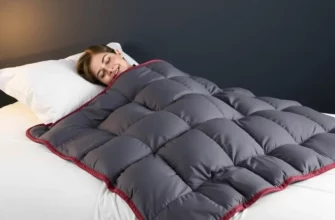
One of the most common misconceptions is that the total weight of the blanket—often 15 to 20 pounds—is concentrated directly on the womb. In reality, the weight distribution of a high-quality blanket is spread across the entire surface area of your body, meaning the actual pressure exerted on the abdomen is minimal and comparable to a firm, supportive hug. Your body is naturally designed to protect the fetus, with amniotic fluid and the muscular uterine wall providing a robust buffer against external pressure.
However, as you progress into the second and third trimesters, your tolerance for weight on the midsection may change. If you feel any discomfort or a “heavy” sensation that causes shortness of breath, you should shift the blanket so it covers only your legs and hips. This allows you to reap the neurological benefits of the weight without placing any direct load on the expanding uterus. Most medical professionals agree that as long as the weight does not cause physical pain or restrict your breathing, it poses no direct risk to the baby’s development.
How a Weighted Blanket Can Improve Pregnancy Sleep Quality
Sleep becomes increasingly elusive as pregnancy progresses, often due to a combination of hormonal shifts and physical discomfort. Many women find that the gentle, consistent pressure of a weighted blanket helps bridge the gap between restless tossing and restorative rest. By engaging the parasympathetic nervous system, these blankets help transition the body into a “rest and digest” state, which is essential for deep sleep.
The science behind this improvement lies in sensory integration. When the body feels a safe, heavy boundary, it reduces the production of stress hormones while encouraging the release of “feel-good” chemicals. This natural approach to sleep hygiene is often preferred by those looking to avoid medicinal sleep aids during their pregnancy journey.
Managing Anxiety and Pregnancy-Related Insomnia
The transition to motherhood often brings a surge in cortisol, the body’s primary stress hormone, which can lead to persistent evening anxiety. Weighted blankets utilize deep touch pressure to stimulate the production of serotonin and melatonin, the precursors to a stable mood and regulated sleep cycle. This biochemical shift helps quiet the “racing thoughts” that many women experience during the quiet hours of the night.
By lowering the heart rate and grounding the nervous system, the blanket acts as a non-pharmacological intervention for insomnia. For mothers-to-be dealing with the emotional weight of upcoming life changes, the physical weight of the blanket provides a sense of security. Consistently using the blanket can signal to your brain that it is time to wind down, creating a Pavlovian response that improves sleep onset latency over time.
Finding Relief for Restless Leg Syndrome (RLS)
Restless Leg Syndrome is a common pregnancy ailment, often linked to iron deficiencies or circulatory changes, that creates an uncontrollable urge to move the limbs. The sensory feedback provided by a weighted blanket can dampen the “creepy-crawly” sensations in the legs by providing a competing sensory input. This helps the brain prioritize the steady pressure of the blanket over the erratic signals of RLS.
For many, the pressure acts as a form of “sensory distraction,” allowing the muscles to relax rather than twitch. If RLS is your primary concern, try folding the blanket in half and placing it specifically over your lower extremities. This doubles the pressure on the affected area while keeping your upper body free and cool, which is often the most effective way to combat leg restlessness without feeling restricted.
Essential Safety Checklist for Expectant Mothers
Safety during pregnancy is not just about the baby; it is also about ensuring the mother can move freely and maintain a stable internal environment. Before you settle in for the night, it is vital to audit your sleep setup. A blanket that feels comforting at 9:00 PM might feel overwhelming or too hot by 2:00 AM, so preparation is key.
- Test your mobility: Ensure you can easily push the blanket off your body without assistance. If you feel “pinned” or struggle to sit up, the blanket is too heavy for your current strength levels.
- Monitor the room temperature: Pregnant women have a higher basal body temperature. Keep your thermostat set between 62 and 68 degrees Fahrenheit to offset the extra warmth generated by the blanket’s insulation;
- Check for skin irritation: Pregnancy can make your skin more sensitive. Ensure the outer cover is made of hypoallergenic, soft fabric to avoid contact dermatitis or itching.
- Position for circulation: If you are a side sleeper, tuck a pillow between your knees before pulling the blanket up to ensure your hips remain aligned and blood flow to the lower extremities isn’t compromised.
How to Safely Use a Weighted Blanket While Pregnant
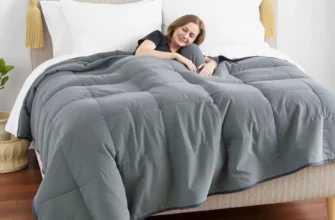
The most important safety rule is maintaining your ability to change positions. As your center of gravity shifts, getting out of bed for frequent bathroom trips becomes more difficult, and a heavy blanket can add an extra layer of complexity. Always ensure the blanket is positioned in a way that allows you to “kick it off” in one fluid motion if you feel a sudden hot flash or a need to move quickly.
Positioning is also a matter of circulatory health. While the blanket itself won’t cause blood clots, prolonged immobility in a single position can increase the risk of edema (swelling). Use the blanket as a tool for falling asleep, but if you wake up feeling stiff or overly warm, do not hesitate to move it aside for the remainder of the night. Your comfort should always dictate the duration of use.
Potential Hazards and When to Be Cautious
While weighted blankets are generally safe, there are specific medical scenarios where their use should be strictly limited or avoided. Pregnancy places a unique strain on the respiratory and circulatory systems, and adding external weight can sometimes exacerbate underlying issues. Being aware of these hazards allows you to use the blanket with confidence or stop use when necessary.
Physical limitations, especially in the final weeks of the third trimester, are the most common reason women stop using their blankets. If you have been diagnosed with preeclampsia, gestational hypertension, or any condition involving severe swelling, consult your doctor before continuing use, as any external pressure on the limbs could interfere with clinical monitoring or circulation.
The Risk of Overheating and Hyperthermia
Hyperthermia, or an abnormally high body temperature, is a significant concern during pregnancy because prolonged exposure to high heat can potentially lead to developmental issues or premature labor. Weighted blankets are naturally more insulating than standard duvets because of their density. If you find yourself waking up damp with sweat, your blanket is likely trapping too much body heat.
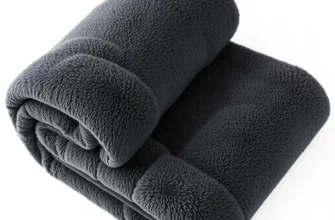
To mitigate this risk, focus on the filling and the cover material. Avoid blankets filled with polyester fiberfill or covered in fleece and minky fabrics, as these materials do not allow for adequate airflow. Instead, look for “cooling” versions that use glass beads and bamboo covers. These materials act as heat sinks, drawing warmth away from your skin rather than reflecting it back toward you.
Circulation and Mobility Concerns in the Third Trimester
By the third trimester, your range of motion is naturally restricted. A 20-pound blanket can become a physical obstacle during the middle of the night. If you suffer from shortness of breath or have a history of respiratory issues like asthma, the pressure on your chest might feel restrictive. In these cases, the blanket should never be pulled higher than the waist.
Furthermore, ensure the blanket does not bunch up around your ankles or feet. Excessive pressure on the lower legs can sometimes exacerbate swelling if it restricts the return of blood to the heart. If you notice that your socks are leaving deep indentations or your ankles look significantly more swollen after using the blanket, it is time to take a break from the extra weight.
Selecting the Right Weighted Blanket for Your Pregnancy
Choosing a blanket during pregnancy requires a slightly different set of criteria than choosing one for general use. You are no longer just accounting for your own body; you are accounting for a changing shape and a heightened sensitivity to heat. The “10% of body weight” rule is a good starting point, but it isn’t a law—comfort should always trump the formula.
| Feature | Pregnancy Recommendation | Why It Matters |
|---|---|---|
| Weight Ratio | 8% to 10% of pre-pregnancy weight | Prevents the blanket from becoming too heavy to move as you gain pregnancy weight. |
| Fill Material | Micro-glass beads | Glass beads are smaller and denser than plastic, providing a “cooler” and less bulky feel. |
| Cover Fabric | Bamboo or Eucalyptus (Tencel) | These fabrics are naturally moisture-wicking and highly breathable for temperature control. |
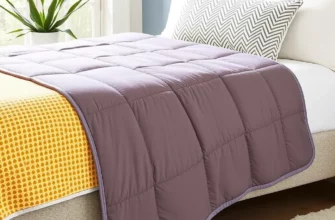
| Construction | Small quilted squares | Prevents the beads from shifting and bunching, ensuring even pressure distribution. |
Weight Ratios and Material Choices
When calculating the ideal weight, use your pre-pregnancy weight as your primary guide. While it might be tempting to buy a heavier blanket to match your current weight, the extra pounds of pregnancy are often fluid and tissue that don’t necessarily increase your physical strength to move the blanket. Erring on the lighter side—perhaps 7 or 10 pounds—is often safer and more versatile for expectant mothers.
Material choice is perhaps the most critical factor for retention. Glass beads are superior to plastic pellets because they are less porous and don’t retain heat as easily. Additionally, look for blankets with a removable, washable cover. Pregnancy can involve night sweats or the occasional spilled glass of water, so ease of cleaning is a practical necessity for maintaining a hygienic sleep environment.
Best Practices for Sleeping with Extra Weight
To maximize the benefits while minimizing the risks, follow these best practices for integrating a weighted blanket into your prenatal routine. Consistency is key, but so is flexibility based on how you feel each day.
- Do: Use the blanket primarily on your legs if you feel any chest heaviness or shortness of breath.
- Do: Combine the blanket with a dedicated pregnancy body pillow to maintain proper spinal alignment.
- Don’t: Use a weighted blanket if you are on bed rest without first clearing it with your obstetrician.
- Don’t: Allow the blanket to cover your face or neck; always keep it below the shoulder line.
- Do: Layer the blanket over a thin top sheet rather than directly against your skin to help with moisture management.
In my professional experience, the most successful use of weighted blankets during pregnancy occurs when they are treated as a secondary support rather than the primary bedding. I always advise my clients to prioritize the “SOS” (Sleep On Side) position, specifically the left side, which optimizes blood flow to the placenta. A weighted blanket can be draped over the hips and legs in this position to provide the necessary grounding without interfering with the ergonomic support of a pregnancy pillow. If you have any history of high blood pressure or sleep apnea, consult your OB-GYN before introducing a weighted blanket, as these conditions require unhindered respiratory and circulatory function that extra weight could potentially complicate.
Frequently Asked Questions
No, the blanket weight is distributed across your whole body and the amniotic fluid provides a protective cushion. If it feels too heavy on your bump, simply shift the blanket to cover only your legs.
Is it safe to use a weighted blanket during the first trimester?
Yes, it is safe, though breast tenderness and morning sickness may make the extra pressure uncomfortable for some women during these early weeks.
What weight should a pregnant woman choose?
Stick to roughly 10% of your pre-pregnancy body weight. If you are between sizes, always choose the lighter option to ensure you can move the blanket easily.
Can a weighted blanket help with pregnancy-induced anxiety?
Yes, the deep pressure stimulation lowers cortisol and boosts serotonin, providing a natural calming effect on the nervous system.
Should I stop using it if I have preeclampsia?
Yes, consult your doctor immediately. Preeclampsia involves blood pressure and swelling issues that make any external pressure a matter for medical supervision.
How do I avoid getting too hot while using a weighted blanket?
Choose a blanket with a breathable bamboo cover and glass bead filling, and keep your bedroom temperature lower than usual to prevent overheating.