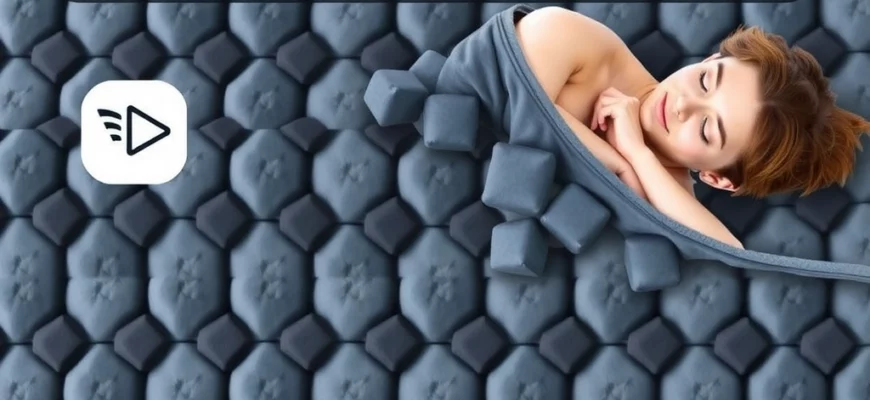
- What Makes a Beaded Weighted Blanket the Gold Standard for Rest?
- Glass Beads vs. Plastic Pellets: Why Texture Matters
- Comparing the Heavyweights: YnM vs. Quility Weighted Blanket Performance
- The YnM Edge: Variety in Sizes from Twin to King
- The Quility Advantage: Premium Covers and Durability
- Beyond the Bed: Exploring the Sunbeam Wearable Weighted Blanket
- Mobility and Comfort: The Rise of Weighted Wraps
- A Matter of Size: Navigating Twin, Queen, and 60×80 Dimensions
- The 60×80 Standard: Why it Fits Most Queen Beds Perfectly
- Textiles and Aesthetics: From Fleece to Striped Patterns
- Cozy vs. Cool: Choosing Your Outer Shell
- Maintenance and Longevity: Keeping Your Beaded Blanket Fresh
- Washing the Weighted Core vs. The Outer Cover
- Expert Perspective: The 10% Body Weight Rule
- Frequently Asked Questions
What Makes a Beaded Weighted Blanket the Gold Standard for Rest?
The science of sleep has evolved beyond simple mattress firmness and thread counts. Today, the focus has shifted toward the physiological impact of deep pressure stimulation, a therapeutic technique that simulates the feeling of being held or hugged. Beaded weighted blankets have emerged as the premier tool for achieving this sensation, outperforming traditional bulky comforters by providing a precise, localized weight that encourages the body to transition from a “fight or flight” state into a “rest and digest” state.
Unlike early iterations of weighted bedding that relied on unevenly distributed materials, modern beaded options utilize advanced engineering to ensure the pressure remains constant across every square inch of the fabric. This consistency is vital for individuals dealing with sensory processing challenges or high-stress environments. By gently pressing down on the body, these blankets help lower cortisol levels while simultaneously boosting serotonin and melatonin production, creating a natural pathway to a deeper, more restorative sleep cycle.
Glass Beads vs. Plastic Pellets: Why Texture Matters
When selecting a high-quality weighted blanket, the choice of fill material is the most critical technical decision you will make. While plastic poly-pellets were the industry standard for years, they often suffer from significant drawbacks, including excessive bulk and a noticeable “rustling” sound whenever the sleeper shifts position. This auditory feedback can be highly disruptive for light sleepers or those with sensory sensitivities.
In contrast, high-density glass microbeads are roughly the size of grains of sand, allowing them to move fluidly within the blanket’s internal pockets without creating noise. Because glass is significantly denser than plastic, manufacturers can use fewer beads to achieve the same weight, resulting in a much lower profile. This means your blanket looks like a standard piece of bedding rather than a heavy, oversized medical device. Furthermore, glass beads possess superior thermal conductivity. They do not trap body heat in the same way that plastic does, making them the superior choice for anyone who tends to run hot during the night.
The physical sensation of glass beads is often described as “fluid weight.” Because the beads are so small, they contour perfectly to the unique curves of your body, ensuring that the even weight distribution is maintained regardless of whether you sleep on your back, side, or stomach. This precision eliminates the “pooling” effect where weight slides to one side of the blanket, a common frustration with lower-end models using large plastic pellets.
Comparing the Heavyweights: YnM vs. Quility Weighted Blanket Performance
The market for weighted bedding is currently dominated by two primary contenders: YnM and Quility. Both brands have built reputations on durability and performance, yet they cater to slightly different user needs. Understanding the structural differences between these two can help you decide which investment will best serve your long-term sleep hygiene goals.
| Feature | YnM Weighted Blanket | Quility Weighted Blanket |
|---|---|---|
| Primary Fill | Premium Glass Microbeads | Micro-Glass Beads |
| Layer Count | 7-Layer Proprietary System | 7-Layer Advanced Technology |
| Duvet Cover | Sold separately (usually) | Often included (Minky or Cotton) |
| Stitching Pattern | Small 4″x4″ pockets | Precise reinforced stitching |
| Best For | Budget-conscious variety | All-in-one premium experience |
While both brands utilize a 7-layer design to sandwich the glass beads between protective fabric, the execution differs. YnM focuses heavily on the modularity of their system, offering an incredible range of sizes and weights. Quility, on the other hand, prioritizes the tactile experience by bundling their blankets with high-quality removable covers, which adds a layer of convenience for those who want a ready-to-use solution out of the box.
The YnM Edge: Variety in Sizes from Twin to King
YnM has carved out a niche by offering one of the most diverse catalogs in the industry. For individual sleepers using smaller beds, the YnM weighted blanket twin is specifically engineered to provide full coverage without hanging over the sides. This is a critical design choice; if a weighted blanket is too large for the mattress, the overhanging weight will slowly pull the rest of the blanket off the bed during the night.
For those sharing a bed, the YnM weighted blanket queen and king options provide enough surface area to cover two people, though many experts suggest that couples should use two separate individual blankets to prevent a “tug-of-war” scenario. The 7-layer architecture of YnM blankets includes two extra polyester layers and two layers of non-glue padding. This specific layering is designed to prevent beads from leaking or shifting between pockets, ensuring that the weight you feel on night one is the same weight you feel after a year of use.
The Quility Advantage: Premium Covers and Durability
Quility blankets are frequently cited for their durability and the quality of their auxiliary components. The quility weighted blanket 60×80 is often considered the “sweet spot” for adult sleepers. It provides ample room for a single adult to move while staying securely under the weighted zone. One of the standout features of the Quility brand is the inclusion of a removable duvet cover made from ultra-soft minky fabric.
This cover serves two purposes: it adds a layer of cozy warmth for winter months and protects the inner weighted core from spills and skin oils. Because washing a 15lb or 20lb blanket in a home machine is risky, having a high-quality cover that can be easily unzipped and tossed in the wash is a major functional advantage. The Quility design also features a higher stitch density, which reinforces the pockets against the heavy pressure of the glass beads, making it a “buy it once” product for many consumers;
Beyond the Bed: Exploring the Sunbeam Wearable Weighted Blanket
Weight therapy isn’t just for sleeping. As more people realize the benefits of deep pressure stimulation during the workday or while relaxing, the demand for mobile solutions has skyrocketed. Sunbeam, a brand long associated with heat therapy and comfort, has successfully bridged the gap between traditional bedding and wearable wellness tools.
The Sunbeam wearable weighted blanket is designed specifically for those who carry tension in their upper body; Unlike a standard blanket that can be cumbersome to wrap around your shoulders while sitting upright, these wearable versions often feature a contoured neck and shoulder design. This allows the weight to sit exactly where most people store stress—the trapezius muscles and the base of the neck. By providing targeted pressure to the upper torso, these wraps can help lower heart rates and promote a sense of calm during high-stress activities like office work or studying.
Mobility and Comfort: The Rise of Weighted Wraps
The transition toward weighted wraps represents a shift toward “functional therapy.” Many of these products, including those from Sunbeam, often incorporate a heating element. The combination of weight and heat is particularly effective for chronic pain management, as the weight holds the heat closer to the skin, allowing it to penetrate deeper into the muscle tissue. This hands-free weighted therapy allows users to remain productive while still benefiting from the grounding effects of the beads.
For those who struggle with “restless legs” or general anxiety while traveling, smaller wearable or lap-sized weighted blankets are becoming essential travel gear. They provide a portable “cocoon” that can be used on airplanes or in cars, helping to mitigate the sensory overload often associated with travel. When choosing a wearable option, look for a model with secure fastenings, such as buttons or ties, to ensure the weight doesn’t shift and cause neck strain.
A Matter of Size: Navigating Twin, Queen, and 60×80 Dimensions
Choosing the wrong size is the most common mistake buyers make when purchasing their first beaded blanket. There is a persistent misconception that a weighted blanket should match your mattress size. In reality, a weighted blanket should be sized to the person, not the bed. If a blanket is too large, the weight that hangs over the edge of the mattress creates a gravitational pull that will cause the blanket to slide off the bed entirely.
- Individual Sleepers (Twin/Full): A 48″ x 72″ or 60″ x 80″ blanket is ideal.
- Couples (Queen/King): It is often better to buy two separate 48″ x 72″ blankets to accommodate different weight preferences.
- Child/Youth: Smaller 36″ x 48″ blankets are designed for safety and appropriate weight ratios.
The 60×80 Standard: Why it Fits Most Queen Beds Perfectly
The 60×80 dimension has become the industry standard for a reason. While a standard Queen mattress is 60″ wide and 80″ long, a 60×80 weighted blanket will sit perfectly on top of the mattress without draping over the sides. This ensures that 100% of the weight is concentrated on the sleeper. Brands like Chiave and Sonoro Kate have specialized in this specific dimension because it offers the most versatility for single adults.
When you use a sonoro kate weighted blanket cover 60×80, you are adding a layer of protection that fits snugly without the bunching that occurs when using mismatched sizes. The goal is to keep the weight concentrated on your core. If you are using a blanket for sensory relief, you want the beads to stay centered over your body to maximize the pressure on your nervous system. A 60×80 blanket provides enough “wiggle room” for you to turn over without losing that coverage.
Textiles and Aesthetics: From Fleece to Striped Patterns
The outer shell of your weighted blanket dictates the sensory experience as much as the internal beads. While the beads provide the pressure, the fabric provides the tactile comfort. There is a wide range of options available, from the rugged warmth of fleece to the sophisticated look of striped patterns. Your choice should be based on your personal “sleep temperature” and the existing decor of your bedroom.
For those who live in colder climates, a fleece weighted blanket in a neutral grey queen or king size offers a dual-benefit: the calming weight of the beads combined with the high thermal retention of synthetic fleece. This is often the preferred choice for winter months. However, for those who suffer from night sweats or live in warmer regions, a fleece cover can be overwhelming. In these cases, 100% breathable cotton or bamboo-derived viscose is a much better alternative.
Cozy vs. Cool: Choosing Your Outer Shell
The aesthetic appeal of weighted blankets has come a long way. You no longer have to choose between a “medical-looking” grey slab and nothing. Modern brands like Mela and DKNY have introduced patterns and textures that allow the blanket to blend in with high-end bedroom design. A striped weighted blanket can serve as a stylish throw on a sofa while still providing the therapeutic benefits of glass beads.
The Mela weighted blanket double is particularly popular in the UK and Europe for its high-quality cotton finish, which appeals to those who prefer a crisp, cool touch. When selecting a fabric, consider the “hand-feel.” If you have a high sensitivity to textures, a smooth cotton or a silky bamboo cover will be more soothing than a textured fleece or a heavy knit. Always check for Oeko-Tex certification to ensure the fabrics are free from harmful chemicals, which is especially important if the blanket will be in direct contact with your skin.
Maintenance and Longevity: Keeping Your Beaded Blanket Fresh
A high-quality beaded weighted blanket is a significant investment, and proper care is essential to ensure it lasts for years. The primary challenge with maintenance is the weight itself. Most standard home washing machines are not designed to handle a 15lb to 25lb concentrated load. Attempting to wash a heavy blanket in a top-loading machine with an agitator can lead to mechanical failure of the washer or tearing of the blanket’s internal seams.
- Always use a duvet cover: This is the single most important step in protecting the inner core.
- Spot clean only: If the inner blanket gets a small stain, use a mild detergent and a damp cloth rather than submerging it.
- Air dry when possible: High heat in a dryer can damage the polyester layers or cause the glass beads to degrade the surrounding fabric.
- Check for bead leakage: Periodically inspect the stitching for any loose threads or small holes.
Washing the Weighted Core vs. The Outer Cover
The most efficient way to maintain hygiene is to wash the outer cover every two weeks while leaving the inner weighted core alone. If you must wash the inner blanket, it is highly recommended to use a commercial-grade front-loading machine at a laundromat. These machines are built for heavy-duty loads and provide a more even spin cycle that won’t clump the beads to one side.
When drying, use the lowest heat setting or, ideally, lay the blanket flat on a clean surface to air dry. Never hang a weighted blanket to dry, as the weight of the wet beads will pull on the fabric and stitching, potentially causing the internal pockets to rupture. By taking these precautions, you protect the structural integrity of the glass beads and ensure the blanket remains a reliable part of your sleep routine for a decade or more.
Expert Perspective: The 10% Body Weight Rule
In my professional experience working with sleep hygiene, I have found that the brand name is far less important than the precision of the weight-to-body ratio. I always advise my clients to aim for exactly 10% of their body weight, plus or minus one or two pounds. If you are a 150lb adult, a 15lb blanket is your target. Using a blanket that is too heavy (e.g., a 25lb blanket for a 130lb person) can lead to feelings of claustrophobia or even physical soreness in the joints. Furthermore, do not expect immediate results. I recommend a “break-in” period where you use the blanket for just 2 hours during the evening while relaxing, gradually increasing the time until you are comfortable sleeping under it for a full 8 hours. This allows your nervous system to habituate to the new sensory input without becoming overwhelmed.
Frequently Asked Questions
While smaller twin sizes might fit, it is generally safer to use a duvet cover and wash only the cover. The concentrated weight of a full-sized YnM blanket can damage the drum or motor of most residential washing machines.
What is the best size for a Queen bed?
The 60×80 inch size is the optimal choice for a Queen bed. It covers the surface of the mattress without hanging over the sides, ensuring the weight stays on the sleeper rather than sliding onto the floor.
Are glass beads better than plastic pellets?
Yes, glass beads are considered the premium choice. They are smaller, denser, and quieter than plastic pellets, and they do not trap as much body heat, making for a more comfortable and discreet sleep experience.
Is a fleece weighted blanket too hot for summer?
Generally, yes. Fleece is best reserved for cold climates or winter use. For year-round comfort, I recommend choosing a cotton or bamboo cover, which offers better breathability and moisture-wicking properties.
Are weighted blankets safe for everyone?
Weighted blankets are safe for most, but individuals with respiratory issues, circulatory problems, or those who cannot move the blanket themselves should consult a doctor. They should never be used for infants or very young children who lack the strength to push the blanket off their faces.