- How to Find the Best Weighted Blanket for Dementia and Alzheimers Patients
- Choosing the Right Weight and Size for Dementia Care
- Safety First: A Caregivers Checklist for Weighted Therapy
- When to Avoid Weighted Blankets in Elderly Care
- Using a Weighted Blanket for Chronic Pain and Fibromyalgia Management
- Soothing Nerve Pain and Osteoarthritis with Deep Pressure
- Fibromyalgia Relief: Real World Reviews and Sizing
- Neurological Support: Benefits for Parkinson’s and Multiple Sclerosis
- Reducing MS Spasticity and Parkinsons Tremors
- The Science of Sleep: What Medical Journals Say About Weighted Therapy
- Debunking the Placebo Myth: Clinical Data on Weighted Blankets
- Product Showdown: Helix, Therapedic, and Glass Bead Technology
- Helix vs. Therapedic vs. Sharper Image: Which is Right for You?
- Navigating the Healthcare System: Prescriptions and Medical Codes
- Can You Get a Weighted Blanket via Prescription?
- Expert Perspective: Sensory Pressure in Geriatric Care
- Frequently Asked Questions
How to Find the Best Weighted Blanket for Dementia and Alzheimers Patients
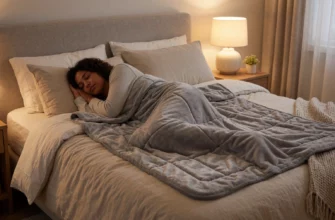
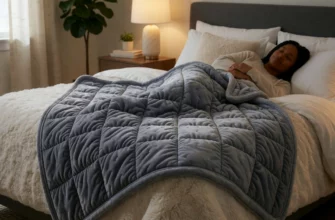
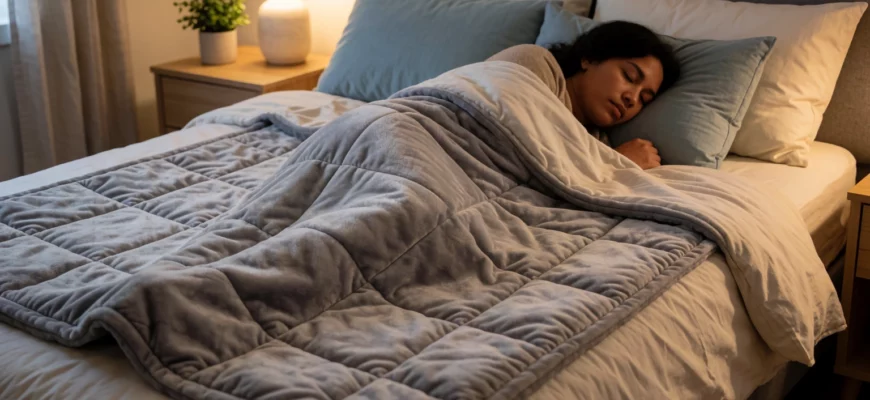
Managing the behavioral and psychological symptoms of dementia requires a multifaceted approach that prioritizes non-pharmacological interventions. Deep pressure stimulation, the core mechanism behind weighted therapy, offers a sensory “anchor” for patients experiencing the profound disorientation of memory loss. By providing a consistent tactile input, these blankets help stabilize the nervous system, often reducing the pacing and vocalizations associated with late-afternoon agitation.
For those living with Alzheimer’s, the environment often becomes a source of overstimulation or frightening confusion. The application of a weighted blanket facilitates a shift from the sympathetic “fight or flight” response to the parasympathetic “rest and digest” state. This transition is essential for mitigating the effects of sundowning, where anxiety levels typically spike as natural light fades.
Choosing the Right Weight and Size for Dementia Care
The standard “10% of body weight” rule often cited for healthy adults requires significant adjustment when applied to the geriatric population. For a senior with thinning skin or reduced bone density, a blanket that is too heavy can cause bruising or restricted circulation. Clinical experience suggests that starting with 5% to 7% of total body weight is often safer and more comfortable for frail individuals.
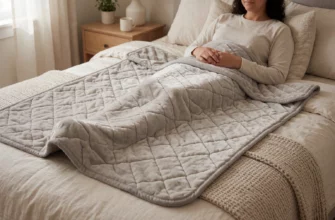
Size selection is equally critical for maintaining a safe environment. You should avoid blankets that hang over the edges of the mattress, as the weight can cause the blanket to slide off during the night, potentially pulling the patient with it. Furthermore, a blanket that bunches on the floor creates a severe trip hazard for patients who may attempt to get out of bed unassisted during the night. For most hospital-style or twin beds used in care settings, a 36″ x 48″ or 40″ x 60″ lap pad or small throw is often more manageable than a full-sized adult blanket.
When evaluating the best weighted blanket for dementia patients, look for high-contrast colors if the patient has visual processing issues, or neutral tones if they are easily overstimulated. The best size weighted blanket for dementia is one that covers the torso and legs without hindering the patient’s ability to independently shift their position or move their limbs freely.
Safety First: A Caregivers Checklist for Weighted Therapy
Before introducing weighted therapy into a care plan, a thorough assessment of the patient’s physical and cognitive status is mandatory. Not every individual is a candidate for this intervention, and the risks of improper use can outweigh the therapeutic benefits if not monitored closely.
- Physical Strength Check: Can the patient lift the blanket off their chest and face without assistance? If the answer is no, the blanket poses a suffocation risk.
- Respiratory Health: Does the patient have COPD, sleep apnea, or asthma? Heavy pressure on the chest can compromise lung expansion in those with pre-existing respiratory distress.
- Circulatory Integrity: Check for peripheral neuropathy or severe edema. Excessive weight can impede blood flow to the extremities, leading to skin breakdown or “pressure sores.”
- Cognitive Awareness: Is the patient capable of communicating discomfort? If they cannot verbalize that they are too hot or feel trapped, a weighted blanket should only be used under direct supervision.
- Skin Assessment: Regularly inspect the skin for redness or irritation, especially over bony prominences like the hips, knees, and ankles.
When to Avoid Weighted Blankets in Elderly Care
There are specific contraindications where weighted therapy should be strictly avoided. Patients with severe claustrophobia may find the pressure terrifying rather than soothing, leading to increased combativeness. Additionally, if a patient has unhealed surgical incisions or fragile skin (common with long-term steroid use), the friction and pressure from the beads can cause significant injury.
I strongly recommend consulting an occupational therapist recommended weighted blanket specialist before purchase. These professionals can perform a formal sensory evaluation to determine if the patient’s “sensory threshold” will respond positively to the input. Ensuring the patient maintains independent mobility while under the blanket is the single most important safety metric for caregivers to monitor.
Using a Weighted Blanket for Chronic Pain and Fibromyalgia Management
Chronic pain conditions like fibromyalgia involve a “glitch” in the central nervous system where the brain amplifies pain signals. Weighted blankets provide what is known as “grounding,” which can help recalibrate this sensory processing. By flooding the brain with non-painful tactile input, the blanket can effectively “mute” the background noise of chronic nerve pain through the Gate Control Theory of pain management.
Many users in the chronic pain community report that the gentle, even pressure helps reduce the “allodynia” (pain from stimuli that don’t normally cause pain) associated with fibromyalgia. The sensation of being held securely can lower systemic cortisol levels, which in turn reduces the inflammatory response often responsible for morning stiffness and joint aches.
Soothing Nerve Pain and Osteoarthritis with Deep Pressure
For those suffering from osteoarthritis, the weight of the blanket must be distributed perfectly to avoid putting direct pressure on inflamed joints. Weighted blankets help with arthritis by providing a micro-massage effect that encourages muscle relaxation around the joint. This is particularly effective for alleviating the hip and lower back discomfort that often prevents deep sleep.
In cases of ankylosing spondylitis or severe spinal stenosis, the blanket acts as a physical stabilizer, preventing the sudden, jerky movements during sleep that trigger sharp pain spasms. When using a weighted blanket for nerve pain, the goal is to provide enough pressure to stimulate the deep-seated receptors without compressing the superficial nerves that are already hypersensitive.
Fibromyalgia Relief: Real World Reviews and Sizing
If you look at weighted blanket fibromyalgia reddit threads, the consensus is that “less is more” during a flare-up. While a 15-pound blanket might feel great during a period of remission, it can feel like a ton of bricks during a fibro-flare. For this reason, many patients opt for two lighter blankets rather than one heavy one, allowing them to adjust the weight based on their daily pain levels.
Reading a weighted blanket for fibromyalgia reviews often reveals that “breathability” is the make-or-break feature. Many fibromyalgia patients also struggle with temperature regulation and night sweats. Selecting the best size weighted blanket for fibromyalgia usually means choosing a “Personal” or “Throw” size that covers the body but allows the feet to remain uncovered for optimal heat dissipation.
Neurological Support: Benefits for Parkinson’s and Multiple Sclerosis
Neurological conditions often manifest through involuntary movements, such as the tremors found in Parkinson’s or the painful muscle contractions (spasticity) common in Multiple Sclerosis. Weighted therapy provides a constant proprioceptive “map” to the brain, helping it better understand where the limbs are in space. This increased awareness can lead to a significant reduction in the intensity of resting tremors.
For MS patients, the weight can help “tame” the overactive nerves that cause the legs to jump or twitch at night. This stabilization is not just about comfort; it is about extending the duration of REM sleep, which is critical for neurological repair and cognitive function.
| Symptom | Mechanism of Relief | Benefit for MS/Parkinson’s |
|---|---|---|
| Muscle Spasticity | Steady pressure inhibits the stretch reflex in muscles. | Reduces painful “charley horses” and leg stiffness. |
| Resting Tremors | Weight provides external stabilization to the limbs. | Decreases the physical energy spent on involuntary shaking. |
| Sensory Ataxia | Enhances proprioceptive feedback to the CNS. | Improves the “sense of self” in space, reducing anxiety. |
| Insomnia | Triggers serotonin and melatonin production. | Helps patients fall asleep faster despite neurological “noise.” |
Reducing MS Spasticity and Parkinsons Tremors
Using a weighted blanket for multiple sclerosis spasticity requires a balance between weight and heat. Since heat often exacerbates MS symptoms (Uhthoff’s phenomenon), a cooling weighted blanket with glass beads is the only viable option. The pressure helps “calm” the hyper-responsive neurons in the spinal cord, which can prevent the sudden, painful spasms that wake patients in the middle of the night.
When looking for the best weighted blanket for parkinsons, focus on models with a textured cover. The combination of weight and tactile “fidget” elements can be incredibly grounding for those experiencing the cognitive “fog” or anxiety that often accompanies the disease. Many users report that a weighted blanket help ms symptoms by providing a sense of security during the “off” periods of their medication cycle.
The Science of Sleep: What Medical Journals Say About Weighted Therapy
The rise in popularity of weighted blankets has led to increased scrutiny from the medical community. While early adoption was driven by anecdotal success in the autism community, recent clinical trials have focused on broader applications. Data suggests that the physiological effects of weighted blankets are rooted in biochemical changes within the brain, specifically involving the autonomic nervous system.
Researchers have found that deep pressure stimulation increases the release of dopamine and serotonin while simultaneously decreasing cortisol. This chemical shift is the primary reason why weighted therapy is effective for such a wide range of conditions, from PTSD to chronic pain. It isn’t just a comfort item; it is a neurological tool for state-regulation.
Debunking the Placebo Myth: Clinical Data on Weighted Blankets
A landmark study published in the Journal of Sleep Medicine found that participants using a weighted blanket reported significantly reduced insomnia severity and better sleep maintenance. This wasn’t merely a subjective feeling; the data showed increased daytime activity levels and reduced symptoms of depression and anxiety. This suggests the benefits extend far beyond the “placebo effect.”
Further evidence from the Journal of the Formosan Medical Association highlighted the efficacy of weighted blankets in reducing anxiety during high-stress medical procedures. The study noted that the “calming effect” was measurable through heart rate variability (HRV) and skin conductance tests. If you are wondering if the weighted blanket is a placebo effect, the physiological markers of reduced stress—such as lower heart rates—provide a definitive “no.”
Product Showdown: Helix, Therapedic, and Glass Bead Technology
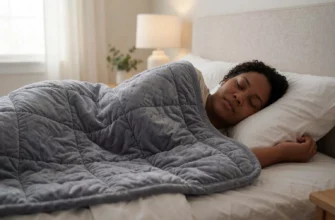
The internal fill of a weighted blanket determines its longevity, noise level, and temperature control. Early models used plastic poly-pellets, which are bulky, noisy, and tend to trap body heat. Modern, high-end blankets have shifted almost exclusively to micro-glass beads, which are the size of grains of sand. These beads provide a much smoother, “liquid” feel that contours to the body without the “bean bag” noise.
| Brand/Type | Pros | Cons |
|---|---|---|
| Helix Weighted Blanket | Dual-sided cover (fleece/cooling), excellent weight distribution. | Higher price point; limited weight options. |
| Therapedic | Widely available, often features antimicrobial treatments. | Beads can shift over time; some covers are less breathable. |
| Glass Bead (Generic) | Silent, cool, and highly dense for a slim profile. | Can be difficult to wash if the cover isn’t removable. |
| Sharper Image | Often includes “calming” textures like faux fur. | Can be too warm for those with MS or night sweats. |
Helix vs. Therapedic vs. Sharper Image: Which is Right for You?
When analyzing a helix weighted blanket review, the standout feature is the quilted stitching pattern, which prevents the beads from pooling at one end. This is a critical feature for chronic pain sufferers who need uniform pressure across their entire body. In contrast, the therapedic vs sharper image weighted blanket debate often comes down to sensory preference. Therapedic tends to focus on clinical utility, while Sharper Image prioritizes the “luxury” feel of the fabric.
For the most therapeutic experience, glass bead weighted therapy blankets are superior. Their high density means the blanket is thinner and less claustrophobic than those filled with plastic. Reddit users often point out that while cheaper blankets save money upfront, the leaking of plastic beads and the “lumpy” feel eventually lead to a second purchase of a higher-quality glass-bead model.
Navigating the Healthcare System: Prescriptions and Medical Codes
Because weighted blankets are increasingly recognized as therapeutic tools, it is becoming easier to acquire them through medical channels. This is especially important for families on a fixed income or those managing the high costs of dementia care. Getting a blanket classified as “Medical Necessity” can unlock insurance coverage or tax-free purchasing through health savings accounts.
The process usually begins with an evaluation from a primary care physician or an occupational therapist. They must document that the blanket is being used to treat a specific diagnosis, such as “Insomnia due to Parkinson’s” or “Anxiety associated with Dementia.”
Can You Get a Weighted Blanket via Prescription?
While there isn’t a specific, universal “weighted blanket code” in every insurance manual, they are often billed under the HCPCS code E1399 (Durable Medical Equipment, Miscellaneous). To increase your chances of reimbursement, your doctor should provide a Letter of Medical Necessity (LMN). If you are looking for a sensacalm weighted blanket prescription, the company is well-versed in providing the necessary documentation for insurance claims.
For those going through chemotherapy, the best weighted blanket for chemo patients is one that is entirely machine washable to maintain a sterile environment. Using HSA or FSA funds is often the simplest way to purchase these tools. Simply ensure you have a “letter of medical necessity” on file in case of an audit. This allows you to bypass the out-of-pocket expense for what is essentially a vital piece of sensory equipment.
Expert Perspective: Sensory Pressure in Geriatric Care
In my professional experience as an Occupational Therapist, the biggest mistake caregivers make is “too much, too soon.” I always advise a “start slow” approach when introducing weighted therapy to a person with dementia. I recommend using the blanket for 20-30 minute intervals during the day—perhaps while the patient is sitting in a recliner—before attempting overnight use. This allows you to monitor for skin irritation, respiratory effort, or any signs of distress. If the patient tries to push the blanket away, respect that choice immediately; sensory preferences can change daily in neurodegenerative conditions. Always ensure the patient’s head and neck remain completely clear of the weight at all times.
Frequently Asked Questions
Yes, deep pressure therapy can lower cortisol levels and stimulate serotonin production, which helps mitigate the anxiety and restlessness often seen during sundowning episodes in dementia patients.
What is the best weight for a weighted blanket for someone with fibromyalgia?
While the 10% rule is standard, many fibromyalgia patients prefer a lighter 7-8% weight to ensure the pressure doesn’t trigger pain in sensitive tender points during a flare-up.
Can I use a weighted blanket if I have MS spasticity?
Many find that the proprioceptive input helps calm muscle spasms and “restless” legs, but you should consult your neurologist to ensure the weight won’t interfere with your specific mobility needs.
Is there a specific medical code for a weighted blanket for insurance?
They are generally billed under HCPCS code E1399 as miscellaneous durable medical equipment, provided you have a Letter of Medical Necessity from your doctor.
Are glass beads better than plastic pellets in weighted blankets?
Glass beads are denser, quieter, and hold less heat than plastic pellets, providing a more even and comfortable weight distribution for sensitive sleepers.
How do I wash a weighted blanket for a dementia patient?
Always choose a blanket with a removable, machine-washable duvet cover. Washing the weighted inner core frequently can damage both the blanket and your washing machine’s drum.