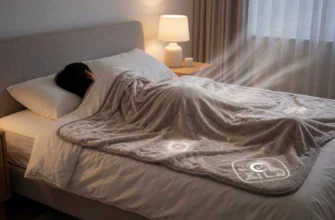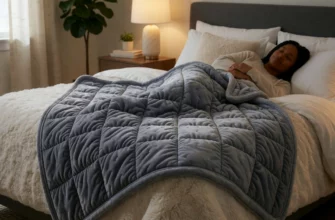
- Understanding Why a Weighted Blanket Might Cause Cramps and Muscle Discomfort
- The Science of Pressure vs. Strain
- Lower Body Issues: When a Weighted Blanket Causes Leg and Knee Pain
- Addressing Weighted Blanket Knee Pain and Foot Aches
- Common Mistakes to Avoid for Pain-Free Sleep
- Why Your Setup Might Be Hurting You
- Abdominal Pressure: When Weighted Blankets Cause Stomach Pain
- Managing Stomach Aches and Digestive Discomfort
- Why a Weighted Blanket Might Cause Chest Pain
- Upper Body Strain: Shoulder, Back, and Nerve Pain Concerns
- Solving Weighted Blanket Shoulder and Back Pain
- Could Your Blanket Be Causing Nerve Pain?
- Myth vs. Fact: The Reality of Weighted Blanket Side Effects
- Separating Sleep Science from Fiction
- Actionable Steps to Stop the Aches and Keep the Comfort
- Your Pain-Free Weighted Blanket Checklist
- Frequently Asked Questions
Understanding Why a Weighted Blanket Might Cause Cramps and Muscle Discomfort
While deep pressure stimulation is celebrated for its ability to soothe the nervous system, the physical reality of placing a heavy load on the body for eight hours can lead to unintended musculoskeletal strain. When the therapeutic weight of a blanket exceeds the body’s ability to maintain a neutral posture, the result is often muscle fatigue or localized cramping.
The Science of Pressure vs. Strain
The primary mechanism behind a weighted blanket is Deep Pressure Stimulation (DPS), which targets the body’s mechanoreceptors to encourage serotonin production. However, there is a physiological tipping point where this pressure transforms into mechanical stress. If a blanket is too heavy, your muscles must work harder just to perform basic involuntary movements during the night.
To reduce muscle tension, the body requires a balance between external pressure and the freedom to shift positions. During the Rapid Eye Movement (REM) phase of sleep, our muscles experience a natural state of atonia, or temporary paralysis. If you try to shift your legs under a twenty-pound load while in a semi-conscious state, your muscles may undergo a sudden, forceful contraction to overcome the resistance, which frequently triggers a painful Charley horse or nocturnal leg cramp;
Healthy sleep posture is also compromised when the blanket’s weight is not distributed evenly. This leads to “micro-strains” where smaller stabilizer muscles are forced to engage for hours at a time to keep your limbs in place. Over the course of a week, this persistent engagement leads to chronic muscle fatigue that presents as a dull ache or sharp cramping upon waking.
Lower Body Issues: When a Weighted Blanket Causes Leg and Knee Pain
The legs and feet are particularly vulnerable to the downward force of heavy bedding because they often serve as the primary anchors for the blanket. Many users do not realize that the weight at the foot of the bed can create a lever-like effect on the joints of the lower extremities.
Addressing Weighted Blanket Knee Pain and Foot Aches
Knee pain is one of the most common complaints among users who transition to heavier therapeutic bedding without proper adjustment. If you sleep on your back, the weight of the blanket can push your knees into a state of hyperextension. This puts excessive stress on the ACL and the posterior capsule of the knee joint, leading to inflammation and morning stiffness.
For those experiencing foot aches, the culprit is often “plantar flexion.” This occurs when the weight of the blanket pushes your toes downward, away from your shins, for an extended period. This position shortens the calf muscles and puts the plantar fascia under constant tension. To relieve joint pressure, it is essential to ensure your feet have enough room to move or use a “foot tent” technique to keep the weight off the toes.
Leg cramps at night are frequently linked to circulatory restriction. If the blanket is heavy enough to compress superficial veins or capillaries, blood flow to the lower legs may be slightly impeded. This lack of oxygenation to the muscle tissue is a direct trigger for the intense, involuntary contractions known as nighttime cramps.
Common Mistakes to Avoid for Pain-Free Sleep
Many users experience pain not because weighted blankets are inherently dangerous, but because of improper implementation. Avoiding these common pitfalls can significantly improve your comfort levels.
- Starting with a weight that exceeds 10% of your body mass: This is the most frequent error, as users assume “heavier is better” for anxiety relief, ignoring the physical toll on their joints.
- Using the blanket for a full 8 hours on the first night: The musculoskeletal system needs an acclimation period. Jumping straight into full-night use can lead to acute muscle soreness.
- Ignoring “bunching” or uneven filler distribution: If the glass beads or plastic pellets shift to one side, you may be experiencing 30 pounds of pressure on one hip and zero on the other, throwing your spine out of alignment;
- Sleeping on an overly soft mattress: A soft mattress combined with a weighted blanket creates a “hammock effect,” which forces the lower back into a rounded position and strains the lumbar discs;
- Covering the feet completely: Forcing the ankles into a fixed position prevents the natural movement required to keep the lower body limber.
Why Your Setup Might Be Hurting You
Finding the right weight is a process of trial and error rather than a rigid rule. While the 10% body weight guideline is a standard starting point, it does not account for muscle density or pre-existing joint conditions. If you have joint hypermobility, for example, even a “standard” weight can cause subluxation or significant discomfort.
Weighted blanket safety tips often emphasize the psychological benefits, but the physical setup of your bed is just as important. If you are a side sleeper, the weight of the blanket can pull your top shoulder and hip forward, twisting the spine. Using a body pillow in conjunction with the weighted blanket can help maintain a neutral alignment and prevent the weight from dragging your joints into uncomfortable angles.
Abdominal Pressure: When Weighted Blankets Cause Stomach Pain
Pressure on the torso can be incredibly grounding, but it also places a direct load on the internal organs and the respiratory system. For some, this mechanical pressure interferes with natural biological processes;
Managing Stomach Aches and Digestive Discomfort
If you suffer from digestive issues like IBS or GERD, a weighted blanket may exacerbate your symptoms. The physical weight on the abdomen increases intra-abdominal pressure. This can force gastric acid upward into the esophagus, leading to nighttime heartburn or acid reflux.
Reducing stomach pressure is often as simple as shifting the blanket lower so it covers the hips and legs but leaves the upper abdomen free. Sleeping with digestive issues requires a delicate balance; while the blanket may help you fall asleep by lowering cortisol, it should never feel like it is “crushing” your midsection or preventing your stomach from expanding after a late meal.
Why a Weighted Blanket Might Cause Chest Pain
Chest pain or a feeling of “tightness” is a serious concern that should always be evaluated. In the context of weighted bedding, this is often caused by restricted ribcage expansion. Your intercostal muscles—the small muscles between your ribs—must work harder to lift the blanket every time you take a breath.
For users with a smaller frame or respiratory sensitivities, this increased “work of breathing” can lead to chest wall soreness. Breathing easily at night is non-negotiable for restorative sleep. If you feel a “heavy” sensation that causes anxiety rather than relieving it, the blanket is likely too heavy for your thoracic capacity. Chest comfort is a primary indicator of whether the blanket is a therapeutic tool or a physical stressor.
Upper Body Strain: Shoulder, Back, and Nerve Pain Concerns
The upper body often bears the brunt of the “adjustment phase” of using a weighted blanket. From pulling the covers up in the middle of the night to the way the weight hangs off the shoulders, the potential for strain is high.
Solving Weighted Blanket Shoulder and Back Pain
Side sleepers are particularly prone to shoulder pain because the weight of the blanket compresses the acromion process and the rotator cuff. This constant pressure can reduce blood flow to the shoulder joint, leading to a “dead arm” sensation or sharp pains upon waking.
Improving spinal alignment is the key to preventing back pain. When a heavy blanket is draped over the hips, it can cause the pelvis to tilt, which puts undue pressure on the L4 and L5 vertebrae. To mitigate this, ensure the blanket is sized correctly for your bed; a blanket that is too large and hangs off the sides will create a “pulling” sensation that drags your body out of its natural posture. Shoulder relief can also be found by using a lighter, non-weighted duvet for the upper body and layering the weighted blanket only from the waist down.
Could Your Blanket Be Causing Nerve Pain?
Nerve pain, often described as a burning or tingling sensation, occurs when the blanket’s weight is concentrated on a specific area where a nerve runs close to the surface of the skin. This is known as nerve impingement or compression.
Preventing nerve compression requires monitoring for any “pins and needles” sensations. If you wake up with tingling in your hands or feet, the blanket may be compressing the ulnar nerve at the elbow or the peroneal nerve at the knee. Circulation tips for weighted blanket users include regularly changing your sleeping position and ensuring that the blanket filler is not concentrated in one heavy lump over a major joint.
Myth vs. Fact: The Reality of Weighted Blanket Side Effects
There is a significant amount of misinformation regarding the safety and efficacy of weighted blankets. Understanding the facts can help you use your blanket more safely.
Myth: A weighted blanket should be as heavy as you can possibly tolerate to get the maximum benefit.
Fact: The goal is “deep pressure,” not “heavy weight.” Most clinical studies show that 10% of body weight is the upper limit for comfort and safety for most adults.
Myth: It is normal to feel sore for the first few weeks as your body adjusts.
Fact: While a minor “adjustment period” of a day or two is common, actual pain, joint aches, or muscle cramps are warning signs that the blanket is ill-fitted to your physique.
Myth: Weighted blankets are safe for everyone as long as they aren’t infants.
Fact: Individuals with sleep apnea, asthma, or circulatory issues should consult a doctor, as the added weight can further restrict airflow or blood movement during the night.
Separating Sleep Science from Fiction
Proper blanket use involves listening to your body’s signals. Sleep myths often suggest that if you aren’t seeing immediate results, you should increase the weight. However, the most effective therapeutic weight is often lighter than users anticipate; Science suggests that the neurological benefits of DPS occur at relatively low pressures; you do not need to be “pinned down” to trigger the release of calming neurotransmitters.
Actionable Steps to Stop the Aches and Keep the Comfort
If you are currently experiencing pain but don’t want to give up your weighted blanket, there are several strategic adjustments you can make to reclaim your sleep quality.
Your Pain-Free Weighted Blanket Checklist
- Calculate the 10% Rule: Ensure your blanket is approximately 10% of your body weight. If you are between sizes, always opt for the lighter version to prevent joint strain.
- Implement the “Lower Body Only” Strategy: If you experience chest or shoulder pain, try draping the blanket only from your hips down. This provides the grounding sensation for your legs (often the site of restlessness) while keeping your torso free.
- Use a “Buffer” Layer: Place a standard comforter between your body and the weighted blanket. This diffuses the pressure points of the glass beads and provides a more even distribution of weight.
- Strategic Pillow Placement: For back sleepers, place a small pillow under your knees to prevent hyperextension. For side sleepers, a pillow between the knees prevents the top leg from pulling the spine into a twist under the blanket’s weight.
- Check Filler Distribution: Shake your blanket daily to ensure the internal beads are evenly distributed throughout the quilted squares.
Safe sleep habits involve more than just the right bedding; they include environmental awareness. If you find that the blanket is making you too hot, the resulting dehydration can actually increase your susceptibility to muscle cramps. Choosing a weighted blanket with “cooling” fabrics like bamboo or Tencel can help maintain a stable body temperature and reduce the risk of heat-induced cramping.
In my professional experience as a specialist in sleep ergonomics, I have found that the most common cause of weighted blanket pain is a lack of “joint neutrality.” While the neurological system loves the input of deep pressure, the musculoskeletal system is governed by physics. I always advise my clients to focus on the “freedom of movement.” If you cannot easily roll over or adjust your position without significant effort, the blanket is essentially a physical restraint. To maintain joint health, your body must be able to perform micro-adjustments during the night. I often recommend that patients with pre-existing lower back or hip issues use a “zoned” weighted blanket, which applies more weight to the legs and less to the sensitive lumbar region. Remember, therapeutic tools should assist your body’s natural functions, not fight against them.
Frequently Asked Questions
Leg cramps usually occur because the weight is compressing blood vessels or forcing your feet into a “pointed” position (plantar flexion) for too long. This strains the calf muscles and reduces oxygen flow, triggering a cramp.
Can a weighted blanket cause nerve pain or tingling?
Yes. If the weight is concentrated over areas where nerves are close to the skin, such as the elbows or knees, it can cause localized nerve compression, leading to “pins and needles” or sharp, radiating pain.
Is it normal for a weighted blanket to cause stomach pain?
No, it is not normal. Stomach pain usually indicates the blanket is too heavy for your torso, which increases intra-abdominal pressure and can aggravate bloating or acid reflux.
How do I know if my weighted blanket is too heavy?
Signs of an overly heavy blanket include difficulty breathing, inability to turn over easily, waking up with new joint soreness, or feeling a sense of panic rather than calm when covered.
Can a weighted blanket hurt my back or shoulders?
Yes, especially for side sleepers. The weight can pull the shoulders and hips out of alignment, twisting the spine and straining the rotator cuff muscles throughout the night.
What should I do if my weighted blanket causes knee pain?
Try placing a pillow under your knees to prevent hyperextension, or switch to a lighter blanket that doesn’t put as much downward pressure on the joint capsule.