- Decoding the Weighted Blanket Inside: A Look at Modern Fillers
- Glass Beads vs. Plastic Pellets: Which Interior Is Best?
- The Industrial Edge: Why Some Weighted Blankets Use Chain Insides
- Inside the Materials: A Comparison of Weighted Fillers
- Beyond the Fill: What the Rest of the Blanket Is Made Of
- Cooling Comfort with Bamboo Covers and Breathable Weaves
- Natural Materials vs. Synthetic Fibers in Blanket Construction
- How to Safely Use and Fold Your Weighted Blanket
- Essential Safety Instructions for All Users
- Proper Storage: Why You Shouldnt Keep Your Weighted Blanket Folded Incorrectly
- Specialized Needs: Small Sizes and Chew-Resistant Fabrics
- Finding the Right Weighted Blanket for Small Sizes and Travel
- Durability for Pets and Sensory Seekers: Chew-Resistant Options
- The History and Science Behind the Weighted Blanket Invention
- Who Invented the Weighted Blanket? From Clinical Tool to Bedroom Essential
- Expert Perspective: Sensory Integration
- Frequently Asked Questions
Decoding the Weighted Blanket Inside: A Look at Modern Fillers
The therapeutic effectiveness of a heavy sleep aid depends entirely on the materials used for its internal weight. When you examine a weighted blanket inside, you are looking at a sophisticated system designed to provide consistent proprioceptive input across the body.
This physical sensation, often referred to as deep pressure touch, mimics the feeling of a firm hug or swaddling. By stimulating specific pressure points, these internal fillers help the nervous system transition from a state of “fight or flight” to one of “rest and digest.”
Glass Beads vs. Plastic Pellets: Which Interior Is Best?
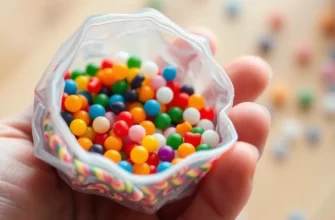
Most premium blankets are currently filled with glass microbeads, which are roughly the size of grains of sand or salt. Because glass is significantly denser than plastic, manufacturers can use fewer beads to achieve the target weight, resulting in a much thinner and less bulky profile that contours better to the body.
Plastic poly-pellets represent the traditional filler used in earlier occupational therapy tools. While durable and moisture-resistant, plastic tends to be noisier when you shift positions and has a higher thermal mass, meaning it often traps more body heat than glass alternatives. If you are a hot sleeper, the smooth, non-porous nature of glass beads provides a noticeably cooler experience throughout the night.
The texture of the fill also impacts the sensory experience for the user. Glass beads offer a fluid, almost liquid-like movement within the quilted pockets, whereas plastic pellets can feel “pebbly” or “lumpy” through the fabric layers. For individuals with high tactile sensitivity, the uniform smoothness of glass is generally the superior choice for long-term comfort.
The Industrial Edge: Why Some Weighted Blankets Use Chain Insides
While beads and pellets dominate the residential market, some specialized models utilize internal stainless steel chains. These weighted blanket chain insides are frequently found in clinical settings or high-durability environments because they are virtually indestructible and can withstand industrial-grade washing and drying cycles without degrading.
Chain-link systems provide a unique form of weight distribution that remains perfectly centered within each row. Unlike beads, which might pool in the corners of a pocket, a chain provides full coverage across the entire surface area of the blanket. This ensures that the deep pressure stimulation remains constant, even if the user moves aggressively during sleep.
From a maintenance perspective, chain-filled blankets are often preferred by hospitals and therapy centers. The steel is typically encased in heavy-duty padding to prevent any “clinking” noises, making them a silent yet incredibly heavy-duty option for those who require intense sensory feedback.
Inside the Materials: A Comparison of Weighted Fillers
Choosing the right internal component requires balancing factors like noise, heat, and maintenance. Use the following data to determine which material aligns with your specific sensory needs and sleeping environment.
| Filler Material | Noise Level | Breathability | Weight Distribution | Best For |
|---|---|---|---|---|
| Glass Microbeads | Silent | High (Cooling) | Excellent | Hot sleepers and sensory sensitivity |
| Plastic Poly-Pellets | Moderate (Rustling) | Low (Insulating) | Good | Budget-conscious buyers |
| Steel Chains | Silent (if padded) | Moderate | Uniform | Clinical use and maximum durability |
| Organic Grains (Rice/Beans) | Moderate | Very Low | Poor (Shifts easily) | DIY projects (Short-term use only) |
Beyond the Fill: What the Rest of the Blanket Is Made Of
The internal weight is only half of the equation; the “chassis” of the blanket determines how that weight interacts with your skin. Modern construction techniques focus on multi-layer designs that prevent the beads from leaking while maximizing airflow through the fabric.
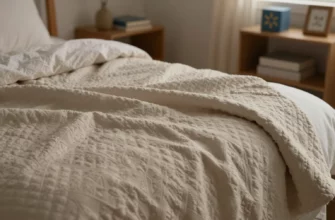
High-quality blankets use a baffle-box construction, which involves sewing individual quilted squares into the fabric. These pockets are essential because they lock the weighted material into place, preventing the entire mass from sliding to one side of the bed when you turn over.
Cooling Comfort with Bamboo Covers and Breathable Weaves
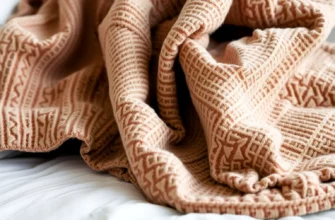
Night sweats are a common complaint for those using heavy sleep aids, which has led to the rise of specialized cooling fabrics. A weighted blanket with a bamboo cover utilizes rayon derived from bamboo fibers, which are naturally moisture-wicking and more breathable than traditional cotton or polyester.
Community discussions, particularly on platforms like Reddit, often highlight that “breathable” is a relative term when dealing with 15-pound items. Users have found that open-weave designs—where the weight comes from the thickness of the yarn rather than internal beads—provide the absolute maximum amount of ventilation for extreme hot sleepers. If you live in a warm climate, prioritizing a bamboo or Tencel outer shell is the most effective way to prevent overheating.
Natural Materials vs. Synthetic Fibers in Blanket Construction
The choice between natural and synthetic materials often comes down to durability versus skin feel. Cotton is the industry standard due to its balance of softness and strength, but it can absorb moisture and become heavy when damp. Synthetic polyester blends, while less breathable, are highly resistant to pilling and stretching, making them a practical choice for blankets that see heavy daily use.
For the eco-conscious consumer, blankets made out of organic wool or long-staple cotton offer a sustainable alternative. These natural materials are often OEKO-TEX certified, meaning they have been tested for harmful substances and are safe for direct skin contact. Furthermore, natural fibers tend to be hypoallergenic and less likely to trigger respiratory issues compared to some low-quality synthetic fillers that may off-gas over time.
How to Safely Use and Fold Your Weighted Blanket
A weighted blanket is a tool, and like any therapeutic equipment, it requires specific protocols to ensure safety and longevity. Misusing the weight can lead to physical strain, while improper storage can permanently damage the internal structure of the quilted pockets.
Because these items are significantly heavier than standard duvets, they exert constant pressure on the seams. Understanding the mechanics of how the blanket sits on the body—and in the closet—is key to making your investment last for a decade rather than a single season.
Essential Safety Instructions for All Users
The golden rule for weighted blanket safety is the 10% rule: the blanket should weigh approximately 10% of the user’s total body weight, plus or minus a pound. Exceeding this ratio can lead to feelings of restriction rather than relaxation and may cause joint discomfort over time.
CRITICAL WARNING: Never use a weighted blanket for infants, toddlers, or anyone who lacks the physical strength to remove the blanket themselves. There is a significant risk of suffocation or respiratory distress if the user cannot shift the weight off their chest or face.
Individuals with underlying health conditions, such as sleep apnea, asthma, or circulatory issues, should consult a medical professional before use. The extra pressure on the thoracic cavity can interfere with deep breathing during REM sleep for those already predisposed to respiratory difficulties;
Proper Storage: Why You Shouldnt Keep Your Weighted Blanket Folded Incorrectly
When you are not using your blanket, how you store it affects the distribution of the fill. If a weighted blanket is folded into a small, tight square and placed under other heavy items, the shearing force on the internal baffles can cause the stitching to pop. This leads to “leaking,” where beads move between pockets and create uneven weight distribution.
To preserve the integrity of the quilted pockets, fold the blanket loosely in thirds and store it on a flat surface. Avoid hanging a weighted blanket over a sharp rail or coat hook, as the concentrated weight on a single point will stretch the fabric fibers and eventually tear the outer shell.
Specialized Needs: Small Sizes and Chew-Resistant Fabrics
As the market has matured, manufacturers have developed niche products to serve users with specific requirements. From travel-sized options to heavy-duty shells designed for pets, the “one size fits all” approach has been replaced by highly specialized sensory tools.
These variations often use different internal configurations to achieve their goals. For instance, a travel blanket might use high-density glass to keep the physical dimensions small, while a pet-friendly version focuses on reinforcing the tensile strength of the outer fabric.
Finding the Right Weighted Blanket for Small Sizes and Travel
A weighted blanket in a small size, often called a “lap pad,” is an excellent tool for maintaining focus during the day. These compact items are designed to sit across the thighs while working or traveling, providing targeted deep pressure without the bulk of a full-body blanket. They are particularly effective for managing anxiety during flights or long car rides.
When selecting a travel-sized option, look for “weighted inserts” that can be removed from their covers. This allows you to wash the outer shell frequently—a necessity when using the product in public spaces—while keeping the weighted core protected from wear and tear.
Durability for Pets and Sensory Seekers: Chew-Resistant Options
For households with pets or children who exhibit “mouthing” behaviors, standard cotton covers are often insufficient. Chew-resistant weighted blankets utilize high-denier fabrics like Cordura or reinforced nylon that can withstand punctures and abrasions. These materials are much harder to tear, ensuring that the internal beads remain safely contained.
It is vital to ensure that the fillers in these high-wear blankets are non-toxic. If a pet or child does manage to breach the outer layer, using food-grade glass beads rather than lead-contaminated or low-grade plastic pellets provides an essential layer of safety. Always inspect the seams weekly for any signs of fraying or thinning fabric.
The History and Science Behind the Weighted Blanket Invention
The journey of the weighted blanket from a niche medical device to a mainstream bedroom essential is rooted in the field of occupational therapy. Long before they were available in big-box stores, these blankets were handmade by therapists to help children with autism and sensory processing disorders.
The underlying science is based on the concept of sensory integration. By providing the brain with consistent tactile feedback, the body can better organize its response to external stimuli, leading to improved emotional regulation and better sleep hygiene.
Who Invented the Weighted Blanket? From Clinical Tool to Bedroom Essential
The modern weighted blanket invention is widely credited to Keith Zivalich. In the late 1990s, after observing how a Beanie Baby toy sat heavily and comfortably on his daughter’s shoulder, he realized that a blanket filled with similar pellets could provide a full-body calming effect. This led to the creation of the “Magic Weighted Blanket,” the first commercial product of its kind.
Since that initial invention, the design has evolved significantly. What started as a simple “weighted sack” has become a highly engineered sleep system involving moisture-wicking textiles, precision-filled glass microbeads, and aesthetic designs that fit into any modern bedroom. This evolution reflects a broader cultural shift toward prioritizing mental health and non-pharmaceutical sleep aids.
Before you finalize your purchase, use this checklist to ensure the blanket meets high standards for safety, durability, and comfort. A high-quality blanket should last several years if these criteria are met.
- Verify the Filler Type: Opt for glass microbeads if you want a quiet, cool, and low-profile blanket.
- Check the 10% Rule: Ensure the weight is appropriate for your body size to avoid physical strain.
- Inspect Stitching Quality: Look for double-stitched pockets and reinforced edges to prevent bead leakage.
- Confirm Fabric Breathability: Choose bamboo or 100% cotton if you are prone to overheating at night.
- Look for Certifications: Seek out OEKO-TEX Standard 100 labels to ensure the materials are free from toxic chemicals.
- Maintenance Plan: Check if the blanket is machine washable or if it requires a separate duvet cover for easier cleaning.
- Filler Distribution: Ensure the quilted pockets are small (ideally 4×4 or 5×5 inches) to keep the weight from shifting.
Expert Perspective: Sensory Integration
In my professional experience as an Occupational Therapist, I have seen firsthand how the internal filling of a blanket is far more than just “extra weight.” It is about providing precise proprioceptive input that tells the brain exactly where the body is in space. For my clients who are highly sensitive to noise, I always recommend glass beads because the “swish” of plastic pellets can actually be overstimulating and counterproductive. Furthermore, for those struggling with night sweats or tactile defensiveness, switching to a bamboo-derived cover is often the deciding factor in whether they can tolerate the blanket long enough to fall into a deep sleep. Remember, the goal is “calm,” not “crushed”—if the weight feels restrictive, you’ve gone too heavy.
Frequently Asked Questions
Glass microbeads are widely considered the gold standard because they are denser, quieter, and retain less heat than plastic pellets or organic grains.
Are there any safety risks when using a weighted blanket?
The primary risk is suffocation; therefore, never use these blankets for infants or anyone who cannot independently move the weight. Always stick to the 10% body weight guideline.
Can I wash a blanket that has chain insides?
While the steel chains are highly durable, the total weight often exceeds the capacity of home washing machines. It is best to use a high-capacity commercial laundromat to avoid damaging your home appliance’s drum.
How do I keep my weighted blanket from getting too hot?
Select a blanket with a bamboo or Tencel outer shell and ensure the fill is glass microbeads, as these materials facilitate much better thermal regulation than synthetics.
What should I do if my weighted blanket starts leaking its filling?
You should stop using the blanket immediately and either repair the seam or replace the unit, as loose beads can pose a choking hazard for pets and children.
Is a small size weighted blanket effective for anxiety?
Yes, small lap pads are highly effective for providing grounded sensory input during the day, making them ideal for office work, school, or travel.