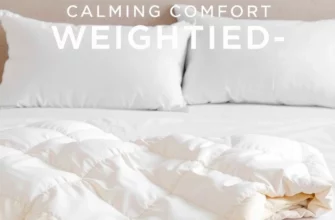
- Defining the Weighted Blanket: More Than Just a Heavy Quilt
- What Does a Weighted Blanket Look Like and How Does it Feel?
- The Anatomy of Calm: What Makes a Weighted Blanket Functional?
- Fillers and Fabrics: What is a Weighted Blanket Made Of?
- Specialized Varieties: Cooling, Sensory, and Chain Options
- Sleeping Cool: What is a Cooling Weighted Blanket?
- Sensory and Chain Designs: Tailored for Therapeutic Relief
- Visual Comparison: Choosing the Right Style for Your Needs
- The Evolution of Weight: From the Original Design to Gravity Blankets
- What is the Original Weighted Blanket and the Gravity Phenomenon?
- Maximizing Benefits: Common Mistakes to Avoid When Buying
- How to Properly Describe Weighted Blankets to Skeptics
- Frequently Asked Questions
Defining the Weighted Blanket: More Than Just a Heavy Quilt
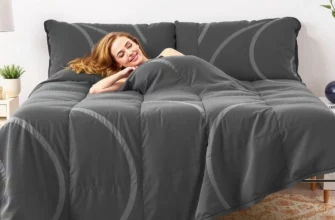
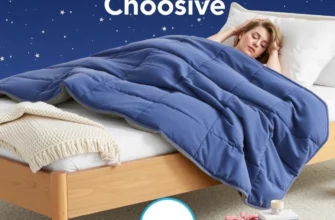
A weighted blanket is a therapeutic tool designed to improve sleep quality and reduce biological stress through the application of gentle, distributed weight across the body․ Unlike a standard duvet or comforter, which relies on loft and insulation for warmth, these blankets are engineered to provide a specific tactile experience known as Deep Pressure Stimulation (DPS)․
This grounding sensation mimics the feeling of being hugged or held, which triggers a neurological shift from the sympathetic nervous system to the parasympathetic nervous system․ When the body feels this consistent pressure, it begins to downregulate the production of cortisol while simultaneously boosting serotonin and melatonin levels, creating a physiological environment conducive to deep rest․
What Does a Weighted Blanket Look Like and How Does it Feel?
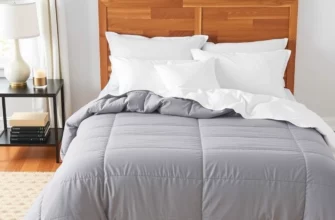
At first glance, a high-quality weighted blanket resembles a standard quilted comforter, though it is significantly thinner and denser․ The exterior is typically divided into a grid of small, stitched pockets—often four to six inches square—which are designed to prevent the internal weighted materials from shifting or pooling at one end of the bed․
The tactile experience is often described as “grounding,” providing a sense of security that limits involuntary movement during the night․ For many users, the sensation feels like a firm, consistent embrace that dampens the “fight or flight” response often associated with insomnia or anxiety․ This physical weight provides proprioceptive input, helping the brain organize sensory information and understand where the body is in space․
The Anatomy of Calm: What Makes a Weighted Blanket Functional?
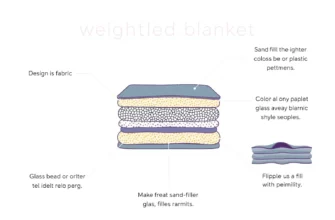
The functionality of a weighted blanket is determined by its internal architecture and the quality of its components․ To achieve the necessary weight without creating excessive bulk, manufacturers use high-density fillers that are sewn into the core of the blanket, often referred to as the weighted blanket insert․
A well-constructed blanket must balance weight with breathability․ If the internal components are too dense or the fabrics are non-breathable, the blanket will trap body heat, leading to discomfort․ Modern engineering focuses on the “baffle-box” construction method, ensuring that every square inch of the blanket exerts an equal amount of pressure on the user’s limbs․
| Component | Standard Material | Premium Material | Functional Purpose |
|---|---|---|---|
| Internal Filler | Plastic Poly-pellets | Micro-glass Beads | Provides the therapeutic weight and tactile feedback․ |
| Weighted Insert | Cotton Blend | Bamboo or Tencel | Secures the filler and manages moisture/airflow․ |
| Outer Cover | Polyester Fleece | Minky or Cooling Linen | Protects the insert and provides the primary skin-feel․ |
| Fastening System | Internal Ties | Reinforced Corner Loops | Prevents the heavy insert from bunching inside the cover․ |
Fillers and Fabrics: What is a Weighted Blanket Made Of?
The choice between glass beads and plastic poly-pellets is the most significant factor in the blanket’s performance․ Plastic pellets are larger and can feel somewhat “pebbly” through the fabric, often creating a slight rustling noise when you move․ In contrast, micro-glass beads are as fine as sand, allowing the blanket to drape more naturally over the contours of the body while remaining virtually silent․
The weighted blanket insert is the engine of the product, but the fabric housing it determines the thermal experience․ While traditional blankets used heavy cotton or fleece, high-performance inserts now utilize moisture-wicking fabrics that prevent the “plastic bag” effect, where heat becomes trapped between the filler and the user․ Selecting an insert with double-reinforced stitching is critical, as a single tear can lead to filler leakage, rendering the blanket ineffective․
Specialized Varieties: Cooling, Sensory, and Chain Options
As the market for therapeutic bedding has matured, specialized designs have emerged to address the specific needs of different user groups․ No longer a “one size fits all” product, these variations cater to “hot sleepers,” individuals with sensory processing disorders, and those who require more industrial-grade durability․
Technological advancements in textile weaving have allowed manufacturers to solve the primary complaint regarding weighted blankets: overheating․ By manipulating the weave and the material composition, brands have created blankets that feel cool to the touch even while exerting 20 pounds of pressure․
Sleeping Cool: What is a Cooling Weighted Blanket?
A cooling weighted blanket utilizes advanced textiles like bamboo-derived rayon or Eucalyptus-based Tencel to facilitate rapid heat dissipation․ These materials have a higher thermal conductivity than cotton, meaning they actively pull heat away from the skin and release it into the air․
Beyond material choice, the physical design of a cooling blanket often involves an open-knit structure․ Instead of using beads inside fabric pockets, some cooling versions are made from heavy, hand-knitted loops of weighted yarn․ This creates large gaps in the blanket’s surface, allowing for maximum airflow while the weight of the thick yarn provides the necessary deep pressure stimulation without the insulation of a traditional quilt․
Sensory and Chain Designs: Tailored for Therapeutic Relief
For individuals with Autism Spectrum Disorder (ASD) or Attention Deficit Hyperactivity Disorder (ADHD), a sensory weighted blanket acts as a non-pharmacological intervention․ These blankets often feature unique textures, such as “minky” dots, to provide additional tactile feedback that helps ground the user during periods of overstimulation․
The chain weighted blanket, originally popularized in Scandinavia, uses sewn-in metal chains rather than beads․ The primary advantage of this design is its unparalleled durability and the “fluid” way the weight distributes․ Because chains move differently than beads, they provide a more constant, “hugging” sensation that doesn’t shift when the user turns over, making them a favorite in clinical occupational therapy settings․
Visual Comparison: Choosing the Right Style for Your Needs
Selecting the right blanket requires balancing your personal sleep temperature with your sensitivity to noise and texture․ Use the following comparison to identify which construction style aligns with your specific sleep environment․
| Blanket Type | Breathability | Noise Level | Tactile Feel | Best For |
|---|---|---|---|---|
| Glass Beaded | Moderate | Silent | Smooth & Dense | General anxiety and insomnia |
| Plastic Pellet | Low | Moderate (Crunchy) | Textured/Grainy | Budget-conscious shoppers |
| Chain Weighted | High | Low (Metallic) | Firm & Contoured | Clinical sensory needs |
| Knitted (No Filler) | Maximum | Silent | Soft & Chunky | Hot sleepers/Aesthetics |
The Evolution of Weight: From the Original Design to Gravity Blankets
The concept of weighted therapy isn’t new; it has been used by occupational therapists for decades to help children with sensory processing issues․ However, the transition from a clinical tool to a mainstream lifestyle product occurred rapidly over the last decade, driven by a growing public interest in sleep hygiene and mental wellness․
Before they were available in big-box retailers, these blankets were often handmade by therapists or parents using DIY kits․ The “original” weighted blankets were purely functional, often looking like heavy, industrial mats rather than cozy bedding․ This changed when designers began focusing on the intersection of aesthetics and medical science․
What is the Original Weighted Blanket and the Gravity Phenomenon?
The “Gravity” phenomenon refers to the 2017 Kickstarter campaign that brought the weighted blanket into the global spotlight․ By rebranding a clinical device as a premium wellness product, Gravity Blankets proved there was a massive consumer demand for natural, non-medicinal solutions to stress and poor sleep․ This shift led to the development of various sizes, including the weighted throw blanket․
While a full-sized blanket is intended to replace or supplement your bedding for overnight use, a weighted throw blanket is smaller and designed for localized relief․ Throws are ideal for use on the couch or in an office chair, providing the benefits of deep pressure stimulation to the legs or torso without the commitment of a full-sized, heavy bed covering․ This versatility has allowed the technology to expand beyond the bedroom and into daily stress management routines․
Maximizing Benefits: Common Mistakes to Avoid When Buying
The most frequent error consumers make is choosing a blanket that is either too heavy or too light for their frame․ To get the most out of deep pressure therapy, you must adhere to the “10% rule,” which suggests the blanket should weigh approximately 10% of your total body weight, plus or minus one or two pounds depending on personal preference․
- Choosing the wrong weight: A blanket that is too heavy can feel restrictive or cause joint discomfort, while one that is too light won’t trigger the necessary DPS response․
- Ignoring washability: Weighted blankets are difficult to clean; always ensure the blanket comes with a removable duvet cover to protect the weighted insert from sweat and oils․
- Using with infants: Never use a weighted blanket for babies or toddlers who lack the strength to move the blanket off themselves, as this poses a significant suffocation risk․
- Buying without a trial: It often takes 7 to 14 nights for the body to adjust to the weight; look for brands that offer a sleep trial period․
How to Properly Describe Weighted Blankets to Skeptics
When explaining the benefits to those who view it as “just a heavy blanket,” focus on the biological mechanics rather than just the comfort․ Frame the conversation around nervous system regulation and the reduction of physical restlessness․ It is not about the “weight” in a burdensome sense, but about the “input” it provides to the brain․
You might compare it to the “swaddling” technique used for infants or the lead vest used at the dentist’s office․ Both are designed to calm the nervous system through consistent, gentle tactile feedback․ By describing it as a “passive therapy tool” rather than a piece of bedding, you highlight its functional value in a modern sleep routine․
In my professional experience working with patients struggling with chronic insomnia and sensory over-responsivity, I have found that a weighted blanket is one of the most effective non-invasive tools available․ I always advise my clients to look for blankets with high-density glass beads and a 4-inch quilted grid, as this ensures the most consistent pressure across the major muscle groups․ It is vital to remember that these are tools for nervous system regulation; if you have respiratory issues or circulatory problems, you must consult a physician before use․ For children, the weight should never exceed 10% of their body weight plus one pound, and they must always be able to remove the blanket independently to ensure safety․
Frequently Asked Questions
It facilitates deeper REM cycles and reduces nighttime awakenings by lowering cortisol levels and physically dampening the urge to toss and turn․
Is a weighted blanket insert different from a regular blanket?
Yes, the insert contains the actual weighting material (beads or pellets) and is designed to be tied into a protective duvet cover for hygiene and durability․
Can I use a weighted throw blanket while sitting on the couch?
Absolutely; weighted throws are specifically sized for versatility, allowing you to enjoy the calming effects of deep pressure while reading, working, or relaxing upright․
What defines a weighted blanket as sensory?
A sensory blanket is defined by its ability to provide consistent, organized tactile input to the body’s proprioceptive receptors, often featuring textured fabrics for additional grounding․
Are weighted blankets safe for everyone?
No; they are strictly prohibited for infants and toddlers and should be used with caution by individuals with asthma, sleep apnea, or type 2 diabetes due to potential circulation and breathing constraints․