- Understanding the Primary Benefits of Sleeping with a Weighted Blanket
- How Deep Pressure Stimulation Transforms Your Sleep Quality
- Psychological Impact: Easing Anxiety and Stress at Night
- A Natural Tool for Managing Insomnia and Nighttime Racing Thoughts
- Physical and Medical Benefits: From Athletes to Chronic Pain
- Relieving Rheumatoid Arthritis and Muscle Tension
- A Comforting Solution for All Ages: Children, Seniors, and Special Needs
- Supporting Sensory Processing and Developmental Needs
- Navigating Specific Use Cases: Pregnancy, Pets, and Weight Loss Claims
- Separating Fact from Fiction Regarding Weight Loss and Metabolism
- How to Choose and Use Your Blanket Safely
- The 10% Rule: Finding the Right Weight for Adults and Kids
- Frequently Asked Questions
Understanding the Primary Benefits of Sleeping with a Weighted Blanket
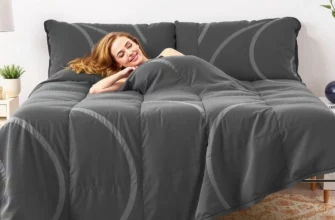
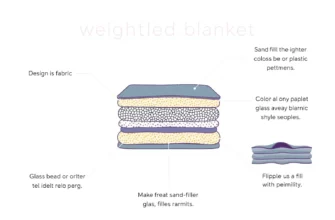
Weighted blankets have transitioned from specialized clinical tools to mainstream wellness essentials. These heavy covers, usually filled with glass beads or plastic pellets, leverage a therapeutic technique known as Deep Pressure Stimulation (DPS) to calm the nervous system.
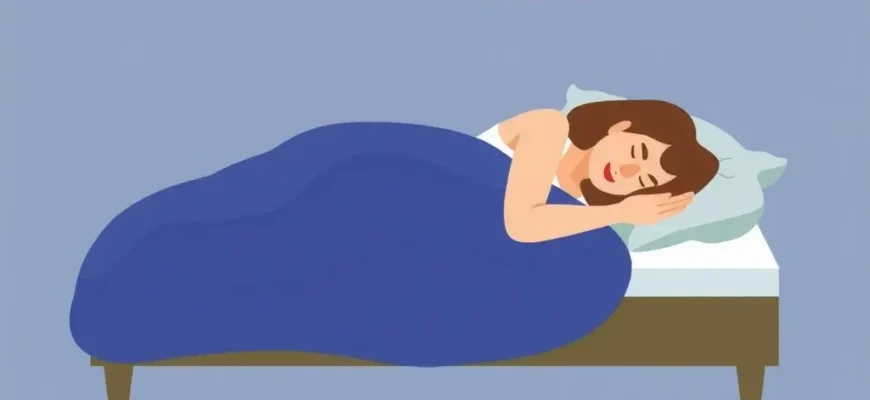
The sensation of a weighted blanket mimics a firm hug or swaddling, which triggers a biological response that promotes relaxation. By providing a consistent tactile input across the body, these blankets help the brain organize sensory information more effectively.
How Deep Pressure Stimulation Transforms Your Sleep Quality
The primary mechanism behind these blankets is the activation of the parasympathetic nervous system. When gentle, distributed weight is applied to the body, it signals the brain to move from a state of “fight or flight” into “rest and digest” mode. This shift is essential for anyone who struggles to physically relax before bed.
Research indicates that this pressure stimulates the production of serotonin, a neurotransmitter often called the “feel-good” hormone. Serotonin is a chemical precursor to melatonin, the hormone responsible for regulating your internal sleep-wake cycle. By boosting serotonin levels naturally, weighted blankets help the body prepare for a deeper, more restorative sleep phase;
Beyond hormonal changes, the physical weight provides what occupational therapists call proprioceptive input. This input helps you feel more grounded in your physical space, which reduces the urge to toss and turn. Reducing physical movement during the night allows the body to remain in the deeper stages of REM sleep for longer durations.
For those using a natural sleep aid, the weighted blanket offers a non-pharmacological way to achieve better sleep quality. It doesn’t just make you feel tired; it addresses the underlying neurological barriers that often prevent the onset of sleep. This makes it a foundational tool for a modern sleep hygiene routine.
Psychological Impact: Easing Anxiety and Stress at Night
The psychological benefits of weighted blankets are rooted in their ability to dampen the body’s stress response. For many, the hours before sleep are when intrusive thoughts and physical restlessness peak, making the bed feel like a place of stress rather than sanctuary.
By providing a constant physical “anchor,” these blankets help quiet the amygdala, the part of the brain responsible for processing fear and stress. This grounding effect is particularly beneficial for individuals dealing with generalized anxiety or high-stress lifestyles.
- Cortisol Regulation: The gentle pressure helps lower cortisol levels, the body’s primary stress hormone, which often spikes at night for those with chronic stress.
- Reduced Dissociation: For individuals with trauma or PTSD, the physical weight provides a “here and now” sensation that can prevent feelings of detachment.
- Sensory Gating: The blanket helps the brain filter out irrelevant environmental stimuli, such as minor noises or temperature shifts, that might otherwise trigger a stress response.
- Oxytocin Release: The hug-like sensation stimulates the release of oxytocin, which promotes feelings of security, attachment, and emotional warmth.
A Natural Tool for Managing Insomnia and Nighttime Racing Thoughts
Insomnia is often fueled by a feedback loop of physical tension and mental rumination. When your body feels restless, your mind stays active; when your mind is active, your body cannot relax. Weighted blankets break this cycle by providing a heavy tactile distraction that pulls the focus back to the physical body.
This “grounding” effect is a cornerstone of calming the nervous system. When the body feels secure and held, the heart rate naturally slows down, and breathing becomes more rhythmic. For those with trauma-induced insomnia, the blanket creates a protective cocoon that fosters a sense of psychological safety.
Managing benefits of weighted blankets for stress involves more than just a one-time use; it is about retraining the brain to associate the bed with relaxation. Over time, the mere act of pulling the blanket over your shoulders can trigger a conditioned relaxation response. This makes it an invaluable asset for anyone struggling with benefits of weighted blankets for insomnia or chronic nighttime worry.
Physical and Medical Benefits: From Athletes to Chronic Pain
While often discussed in the context of mental health, the physical benefits of a weighted blanket are equally significant. From managing chronic inflammation to speeding up muscle recovery, the physiological applications are vast and backed by clinical observation.
The distributed weight acts as a form of “passive massage,” helping to move fluid through the tissues and reduce the perception of pain. This is particularly useful for individuals whose sleep is interrupted by physical discomfort or involuntary limb movements.
| Condition | How the Blanket Helps | Key Benefit |
|---|---|---|
| Rheumatoid Arthritis | Distributes pressure evenly across inflamed joints to prevent sudden movements. | Reduces morning stiffness and nocturnal pain flares. |
| Athletic Recovery | Encourages total muscle relaxation and may assist in lymphatic drainage. | Flushes metabolic waste and speeds up tissue repair. |
| Restless Leg Syndrome | Provides “heavy” sensory input that overrides the “creepy-crawly” sensation in the legs. | Suppresses the involuntary urge to move limbs during the night. |
| Fibromyalgia | Calms overactive pain receptors by providing a broad, soothing stimulus. | Dulls the intensity of widespread musculoskeletal pain. |
Relieving Rheumatoid Arthritis and Muscle Tension
For those living with rheumatoid arthritis, sleep is often elusive because any movement of the joints can trigger a sharp pain response. The weight of the blanket helps keep the body in a stable, neutral position. By minimizing micro-movements during the night, the blanket prevents the joints from reaching painful angles of rotation.
Athletes also find significant benefit of weighted blankets for athletes during the recovery phase. After intense training, muscles are often in a state of high tension and micro-inflammation. The deep pressure helps “reset” the muscle spindles, encouraging them to release their grip and enter a state of total flaccidity, which is necessary for repair.
Furthermore, the physical benefits of a weighted blanket extend to circulatory efficiency. While the blanket is heavy, it is not restrictive. The gentle compression can help discourage the pooling of blood in the extremities, which is a common issue for those with minor circulatory problems or those who spend all day on their feet. Improving circulation during sleep ensures that oxygen and nutrients are delivered more effectively to recovering tissues.
A Comforting Solution for All Ages: Children, Seniors, and Special Needs
Weighted blankets were originally developed by occupational therapists specifically for children with sensory processing disorders. Today, their application has expanded to include the elderly and individuals with various developmental challenges, providing a versatile tool for behavioral and emotional regulation.
The beauty of this tool lies in its simplicity. It requires no active participation from the user; they simply need to lie under it to receive the therapeutic effects. This makes it ideal for populations who may struggle with complex relaxation techniques or medication compliance.
Critical Safety Warning: Weighted blankets should never be used for infants or toddlers under the age of two. The weight can pose a serious suffocation risk as young children may lack the physical strength to move the blanket off their face or chest;
Supporting Sensory Processing and Developmental Needs
For children with ADHD or Autism, the world can often feel like a sensory overload. A weighted blanket acts as a “filter,” helping them process their environment without feeling overwhelmed. The extra weight provides the brain with a clear map of where the body ends and the world begins, which is highly stabilizing for those with sensory processing issues.
In senior care, specifically for those dealing with Alzheimer’s or dementia, “sundowning” is a common and difficult phenomenon. As evening approaches, patients often become agitated, confused, or anxious. The gentle pressure of a blanket can provide a sense of comfort that mimics a caregiver’s presence. Using weighted blankets for the elderly has been shown to reduce the need for sedative medications during nighttime hours.
The benefits of weighted blankets for special needs also extend to conditions like Cerebral Palsy. For these individuals, muscle spasticity can make sleep nearly impossible. The weight helps physically weigh down the limbs, providing a counter-force to muscle spasms. This physical stabilization leads to longer stretches of uninterrupted sleep and less physical exhaustion the following day.
Navigating Specific Use Cases: Pregnancy, Pets, and Weight Loss Claims
As the popularity of weighted blankets has grown, so have the questions regarding specific life stages and even their use for pets. It is important to separate scientific reality from marketing hype, especially when it comes to metabolic health and pregnancy safety.
While a blanket isn’t a magic wand for every ailment, its role in improving sleep quality has a “halo effect” on many other areas of health. When you sleep better, your body’s internal systems—from your immune response to your hormone production—function with much higher efficiency.
Myth vs. Fact: Weight Loss
Myth: Sleeping under a weighted blanket burns calories directly through heat or pressure.
Fact: The blanket aids weight loss indirectly. By reducing cortisol and improving sleep, it helps balance ghrelin (hunger hormone) and leptin (satiety hormone), making it easier to manage cravings and maintain a healthy metabolism.
Separating Fact from Fiction Regarding Weight Loss and Metabolism
The claim regarding benefits of a weighted blanket for weight loss is often misunderstood. Chronic sleep deprivation is a major driver of weight gain because it keeps the body in a state of metabolic stress. When you are sleep-deprived, your brain craves high-calorie carbohydrates for quick energy. By improving sleep depth, a weighted blanket helps regulate the hormones that control your appetite.
During pregnancy, many women struggle with “pregnancy insomnia” due to hormonal shifts and physical discomfort. Using a weighted blanket during pregnancy can be incredibly helpful for managing leg restlessness and anxiety. However, it is vital to choose a weight that is comfortable and does not put excessive pressure on the abdomen; many pregnant women prefer using the blanket only over their legs or hips.
Even our canine companions can benefit. The concept of “thundershirts” is based on the same principle of deep pressure. The benefits of weighted blankets for dogs include reducing anxiety during fireworks, thunderstorms, or separation. For pets, the weight should be much lighter and specifically designed for animal use to ensure they can move freely underneath it.
How to Choose and Use Your Blanket Safely
Selecting the right weighted blanket is not a “one size fits all” process. If a blanket is too light, you won’t trigger the deep pressure response; if it’s too heavy, it can feel restrictive or lead to overheating. Safety and comfort depend entirely on matching the blanket to your specific body weight and sleep preferences.
The goal is to find a weight that feels like a firm embrace, not like you are being pinned down. Material choice also plays a role in the overall experience, especially for those who tend to sleep hot or have sensitive skin.
- Calculate the 10% Rule: The standard medical recommendation is to choose a blanket that is roughly 10% of your total body weight. For a 150lb adult, a 15lb blanket is usually the ideal starting point.
- Consider the Filler Material: Glass beads are generally preferred over plastic pellets because they are smaller, denser, and distribute weight more evenly without making noise.
- Select the Right Fabric: If you are a “hot sleeper,” look for bamboo or cotton covers. If you use the blanket for warmth, fleece or “minky” fabrics are excellent for heat retention.
- Check the Dimensions: Unlike a standard comforter, a weighted blanket should not hang over the edges of the bed. If the blanket hangs over the side, the weight will pull it off the bed during the night.
- Evaluate Physical Ability: Ensure the user has the physical strength to independently move or remove the blanket to avoid any risk of entrapment.
The 10% Rule: Finding the Right Weight for Adults and Kids
Finding the right weight is critical for both effectiveness and safety. While the 10% rule is the standard, individual preference varies. Some adults prefer a slightly heavier feel (up to 12% or 15%), while others find a 20lb blanket overwhelming. When in doubt, it is safer to start slightly lighter and work your way up.
For children, the benefits of a 5lb weighted blanket are often seen in their ability to transition from high-energy play to a calm sleep state. However, for kids, the 10% rule is even more strictly enforced, often adding just one or two pounds extra for comfort. Always consult with a pediatrician before introducing a weighted blanket to a child’s sleep routine.
Lastly, consider the breathability of the blanket. Many people worry that the “weight” equals “heat,” but modern blankets use cooling glass beads and moisture-wicking fabrics to prevent night sweats. Choosing a blanket with quilted squares ensures the weight doesn’t bunch up in one corner, providing a consistent therapeutic experience throughout the night.
In my professional experience, I have seen weighted blankets evolve from a “secret weapon” in clinical settings to a household staple. For decades, we used heavy vests and blankets to help children with sensory processing disorders find their “center” when their nervous systems were overstimulated. The science of self-regulation is at the heart of this tool; it is about providing the brain with the specific type of input it needs to dampen the sympathetic nervous system. I always advise my clients to view the blanket not just as bedding, but as a therapeutic intervention. It is one of the few tools that allows a person to shift from a state of high arousal to deep relaxation without any active effort, which is a game-changer for long-term sleep health.
Frequently Asked Questions
Weighted blankets utilize Deep Pressure Stimulation to increase serotonin and melatonin production while simultaneously reducing cortisol levels. This biochemical shift promotes a transition from the “fight or flight” response to a calm, restorative state.
Can weighted blankets help with chronic pain like arthritis?
Yes, the gentle and evenly distributed pressure helps stabilize joints and reduce involuntary movements that cause pain flares. The pressure can also help dull the transmission of pain signals to the brain, providing a soothing effect for conditions like fibromyalgia.
Are there any risks to using a weighted blanket?
The primary risks involve safety for infants, who should never use them, and individuals with respiratory or circulatory issues. Users must always be physically capable of removing the blanket themselves to prevent any risk of suffocation or entrapment.
How do weighted blankets help with anxiety and stress?
The blanket provides a “grounding” effect that helps the user feel physically secure. This tactile input reduces the activity of the nervous system’s stress response, effectively lowering the heart rate and quieting racing thoughts.
Is it okay to use a weighted blanket every night?
For most healthy adults, nightly use is perfectly safe and highly recommended for establishing a consistent sleep routine. Over time, the body begins to associate the weight with sleep, making it easier to fall asleep faster each night.
Do weighted blankets actually help you lose weight?
They do not burn fat directly, but they support weight loss by improving sleep quality. Deep sleep is essential for regulating the hormones ghrelin and leptin, which control appetite and prevent stress-related overeating caused by high cortisol.