- Are Weighted Blankets Warm Enough for a Cold Winter?
- Do Weighted Blankets Keep You Warm Better Than Normal Blankets?
- Warm or Cool? How Fillers and Fabrics Dictate Your Temperature
- The Role of Different Weights and Materials
- Can a Weighted Blanket Replace Your Comforter or Duvet?
- Weighted Blankets vs. Comforters: A Thermal Comparison
- Common Misconceptions: Is a Heavier Weighted Blanket Better for Warmth?
- Separating Weight from Insulation
- Using Your Weighted Blanket Beyond the Bedroom
- Staying Warm During Travel and Car Trips
- Quick Tips for Maximizing Your Blanket’s Warmth
- Expert Perspective: Sleep Temperature and Weighted Pressure
- Frequently Asked Questions
Are Weighted Blankets Warm Enough for a Cold Winter?
Many people assume that because a weighted blanket is heavy‚ it must be sweltering. The reality is that warmth depends more on the shell material and the internal fill than the actual poundage on your chest. While these blankets can certainly keep you cozy during a freezing January night‚ their primary purpose is pressure‚ not insulation.
Whether a weighted blanket provides enough heat for winter depends on how it manages your microclimate. If you choose a model with a thick‚ plush cover‚ you may find yourself ditching your extra quilts entirely. However‚ if you opt for a breathable‚ open-knit version‚ you might actually feel a chill without an added layer.
Do Weighted Blankets Keep You Warm Better Than Normal Blankets?
Standard blankets rely on “loft”—the fluffiness of down or polyester fill—to trap air and keep you warm. Weighted blankets operate on a different principle of density. Because they are filled with heavy materials like glass beads‚ they contour much more closely to your body than a stiff comforter would.
This “hugging” effect is a major advantage for heat retention; By eliminating the air pockets that usually exist between your skin and the fabric‚ a weighted blanket effectively seals in your natural body heat. This close contact prevents cold air from circulating under the covers‚ which often makes them feel warmer than a traditional blanket of the same thickness.
Warm or Cool? How Fillers and Fabrics Dictate Your Temperature
The internal components and the external “skin” of your blanket act as the thermostat for your sleep environment. You can have two blankets that both weigh 15 pounds‚ yet one feels like a furnace while the other feels like a cool breeze.
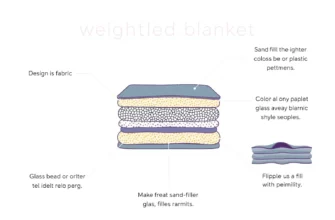
When shopping for winter‚ you need to look at the specific heat-conducting properties of the materials used. Glass beads‚ for instance‚ have a higher thermal mass than plastic pellets‚ meaning they can feel cold to the touch initially but will eventually stabilize to your body temperature.
| Material Component | Thermal Property | Best For… |
|---|---|---|
| Minky / Fleece Cover | High Insulation | Cold sleepers and winter months. |
| Bamboo / Tencel Cover | Moisture-wicking & Breathable | Hot sleepers or summer use. |
| Glass Bead Fill | Neutral / Low Heat Retention | Maintaining a steady‚ non-stifling temperature. |
| Plastic Poly-pellets | Insulating / High Heat Retention | Maximum warmth (traps more air than glass). |
The Role of Different Weights and Materials
The construction style of the blanket is just as vital as the fabric. For example‚ a heavy hand-knit weighted blanket made of thick cotton yarn is inherently breathable. Even though it is heavy‚ the large gaps in the weave allow for massive airflow‚ making it a poor choice for a drafty bedroom unless paired with another layer.
On the flip side‚ a minky-covered blanket with a solid fabric face is designed specifically for cold weather. Minky is a type of plush polyester that mimics the feel of mink fur‚ creating a soft barrier that traps a significant amount of heat. If your goal is to stay warm during a blizzard‚ a minky cover paired with glass beads offers a perfect balance of cozy insulation and steady temperature regulation.
Can a Weighted Blanket Replace Your Comforter or Duvet?
Transitioning to a weighted blanket often leads to the question of whether you can declutter your bed. For many‚ the weight of a 20-pound blanket combined with a thick duvet feels suffocating rather than comforting.
If you live in a climate with moderate winters‚ a high-quality weighted blanket with a warm cover can easily replace a standard comforter. However‚ if your home drops below 65 degrees at night‚ you might find that the lack of “loft” in a weighted blanket leaves you wanting more.
Weighted Blankets vs. Comforters: A Thermal Comparison
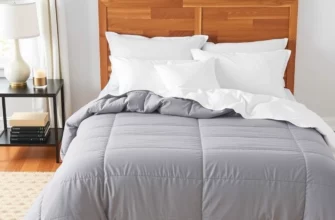
Duvets and comforters are designed to be “breathable radiators.” They use feathers or synthetic fibers to create deep air pockets that are warmed by your body. A weighted blanket is much thinner because the “fill” is made of tiny beads rather than fluffy fiber‚ meaning it has less natural insulation.
To get the best of both worlds‚ many users employ a layering strategy. Place your weighted blanket directly over your top sheet for maximum pressure‚ and then layer a light duvet over the top to provide the insulation needed to trap heat. This setup allows you to kick off the duvet if you get too warm while maintaining the calming pressure of the weighted layer.
Common Misconceptions: Is a Heavier Weighted Blanket Better for Warmth?
A common mistake is assuming that a 25-pound blanket is twice as warm as a 12-pound blanket. In the world of weighted bedding‚ weight and warmth are almost entirely decoupled. The pressure comes from the beads‚ while the warmth comes from the fabric layers surrounding those beads.
Increasing the weight of your blanket usually just means adding more glass beads or denser pellets. Since glass is a decent conductor of heat‚ adding more weight can actually make a blanket feel cooler if the outer fabric is thin‚ as the beads will draw heat away from your body more quickly.
Myth: Heavier blankets are always warmer for winter.
Fact: A 10lb minky blanket will trap significantly more heat than a 25lb bamboo “cooling” weighted blanket because the fabric type dictates the insulation‚ not the weight of the fill.
Separating Weight from Insulation
Deep pressure stimulation (DPS) is the science behind why these blankets work‚ and it has nothing to do with thermal regulation. The beads are designed to be as small and unobtrusive as possible to provide a smooth‚ sand-like feel.
If you are a hot sleeper who still wants the heavy feel‚ you should look for blankets specifically labeled as “cooling.” These often use moisture-wicking fabrics like bamboo or specialized “cool-to-the-touch” polyethylene fibers. Never buy a heavier weight just to get more warmth; instead‚ change the duvet cover material to something like flannel or sherpa.
Using Your Weighted Blanket Beyond the Bedroom
Weighted blankets are increasingly popular for use outside the bed‚ particularly for those who experience anxiety during travel. However‚ using a heavy item in a confined space like a car requires a bit of common sense and a focus on safety.
While a weighted blanket can be a lifesaver during a long‚ cold road trip‚ you must ensure it doesn’t interfere with the vehicle’s safety systems. Passengers can benefit greatly from the warmth and calming effect‚ but there are specific guidelines to follow.
Staying Warm During Travel and Car Trips
If you plan on using a weighted blanket in a car‚ consider a “travel size” or “lap” version. These are typically smaller and easier to manage in a bucket seat. Never place a weighted blanket under a seatbelt‚ as this can change how the belt tensioner functions during a sudden stop or accident.
Instead‚ buckle up first and then drape the blanket over your legs or torso. This keeps you warm and grounded during the trip without compromising safety. For winter travel‚ a weighted blanket is excellent because it won’t shift or slide off as easily as a standard fleece throw when the car turns or vibrates.
Quick Tips for Maximizing Your Blanket’s Warmth
If you already own a weighted blanket and find it’s not quite warm enough for the current season‚ you don’t necessarily need to buy a new one. There are several ways to hack your current setup for better heat retention.
- Use a Flannel Duvet Cover: Most weighted blankets have loops to attach a cover. Switching to a flannel or fleece cover can double the blanket’s warmth.
- Pre-Warm Your Bed: Because glass beads can feel cold initially‚ use a hot water bottle or an electric heating pad for 10 minutes before getting in.
- Layer Underneath: If you feel a chill‚ place a thin‚ 100% cotton blanket between you and the weighted blanket to create a small air buffer.
- Check Your Fill: If your blanket has plastic pellets‚ it will naturally be warmer than one with glass beads.
- Keep Your Feet Covered: Weighted blankets can sometimes shift‚ leaving your feet exposed. Wear wool socks to ensure your extremities stay warm.
Expert Perspective: Sleep Temperature and Weighted Pressure
In my professional experience working with sleep hygiene‚ the most common mistake people make is choosing a blanket that is too warm for their physiology. While deep pressure stimulation is incredible for calming the nervous system‚ your body actually needs its core temperature to drop by about 2 degrees Fahrenheit to enter deep‚ restorative REM sleep. I always advise my clients to prioritize a breathable weighted blanket and use external layers for warmth. This allows you to shed the heat-trapping layers during the night if you start to sweat‚ without losing the vital sensory input that the weighted pressure provides. The cover material should be viewed as your primary thermostat‚ not the weight itself.
Frequently Asked Questions
It depends entirely on the cover material. A weighted blanket with a minky or fleece cover is usually sufficient for winter‚ but a cotton or bamboo version may require an additional comforter in colder climates.
Do weighted blankets make you sweat at night?
They can if they use plastic fillers or non-breathable synthetic covers. To avoid night sweats‚ choose glass bead fills and moisture-wicking fabrics like bamboo or an open-knit design.
Can I use a weighted blanket and a comforter together?
Yes‚ this is a common practice. For the best results‚ place the weighted blanket on the bottom for pressure and the comforter on top for insulation and warmth.
Why does my weighted blanket feel cold when I first get in?
Glass beads have high thermal mass and take a few minutes to absorb your body heat. Unlike down‚ which traps warm air instantly‚ the beads must “charge” with your temperature.
Is it safe to use a weighted blanket in a car for warmth?
It is safe for passengers as long as it is placed over the seatbelt and does not restrict the passenger’s ability to move or exit the vehicle in an emergency.