- The Core Debate: Is a Cold Shower vs․ Cold Plunge Really the Same Thing?
- Why Surface Area and Contact Matter for Your Results
- Cryotherapy vs․ Cold Plunge: Dry Air vs․ Deep Water
- Cryo vs․ Plunge: Which One Wins for Muscle Recovery?
- Can You Use a Cold Shower Instead of a Cold Plunge for Mental Health?
- The Low-Barrier Entry: Making the Most of Your Bathroom Setup
- Investing in the Chill: Comparing Ice Barrel, Odin, and Renu
- From Budget Tubs to Luxury Chillers: What Fits Your Space?
- Contrast Therapy: The Science of Hot Plunge vs․ Cold Plunge
- The Vasodilation Cycle: Why Heat and Cold Work Together
- Common Mistakes: Why Your Cold Routine Might Be Failing You
- The Community Verdict: Real Lessons from the Front Lines
- Frequently Asked Questions
The Core Debate: Is a Cold Shower vs․ Cold Plunge Really the Same Thing?
The rise of biohacking has brought cold exposure into the mainstream, leaving many to wonder if the humble morning shower can provide the same benefits as a dedicated ice bath․ While both methods rely on the same fundamental element—lowering your skin temperature—the way your body handles the cold differs significantly based on the delivery method․
A cold shower is a dynamic experience where moving water strikes specific parts of the skin, whereas a cold plunge is a static, full-body immersion․ This distinction is more than just a matter of comfort; it changes the rate of heat transfer and the subsequent hormonal response․ To understand the real difference between a cold shower and a cold plunge, we have to look at the physics of water and how it interacts with your internal thermostat․
Why Surface Area and Contact Matter for Your Results
When you stand under a showerhead, the water typically hits your head, shoulders, and back, leaving large portions of your body exposed to the ambient air․ Because air is a poor conductor of heat compared to water, your body can maintain its core temperature much more easily in a shower․ You are essentially fighting the cold in “patches,” which limits the overall systemic stress response․
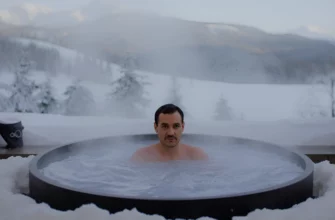
In contrast, total immersion in a cold plunge eliminates the air barrier entirely․ Water is roughly 25 times more thermally conductive than air, meaning it strips heat away from your body at an accelerated rate․ When you are submerged up to your neck, every square inch of your skin is signaling the brain to initiate a survival response․ This leads to a more profound activation of the vagus nerve and a higher release of norepinephrine․
Another critical factor is the development of the thermal layer․ In a still cold plunge, your body actually warms a microscopic layer of water directly against your skin, which can act as a thin insulating shield․ If you want to maximize the difference between a cold shower and a cold plunge, you must break this thermal layer by moving your limbs slightly, ensuring that fresh, cold water is always in contact with your skin to keep the metabolic demand high․
Cryotherapy vs․ Cold Plunge: Dry Air vs․ Deep Water
Modern recovery centers often offer cryotherapy chambers as a “dry” alternative to the traditional ice bath․ These chambers use liquid nitrogen or electricity to cool the air to temperatures as low as -200°F․ While that number sounds intimidating, the experience is vastly different from a 45°F water plunge due to the way different mediums transfer energy․
Because air is less dense, you can withstand much lower temperatures for short periods without the risk of immediate hypothermia․ However, the lack of moisture means the cold doesn’t penetrate as deeply into the muscle tissue․ If your goal is reducing systemic inflammation, water-based immersion remains the heavyweight champion of recovery․
| Feature | Cryotherapy (Dry Air) | Cold Plunge (Water) |
|---|---|---|
| Temperature Range | -110°F to -250°F | 38°F to 55°F |
| Typical Duration | 2 to 3 minutes | 2 to 10 minutes |
| Conductivity | Low (Air is an insulator) | High (Water is a conductor) |
| Hydrostatic Pressure | None | Significant (Assists circulation) |
| Primary Benefit | Quick session, skin-level cooling | Deep tissue recovery, BAT activation |
Cryo vs․ Plunge: Which One Wins for Muscle Recovery?
When it comes to the difference between cryotherapy and cold plunge for athletes, the deciding factor is often hydrostatic pressure․ When you submerge in water, the weight of the water exerts pressure on your body, which helps to compress the tissues and move interstitial fluid․ This process is vital for flushing out metabolic waste products like lactate after a grueling workout․
Cryotherapy is often preferred for those who need a “dry” recovery, perhaps before an event where they don’t want to deal with wet hair or skin․ However, for deep muscle soreness recovery, the cold plunge offers a “squeeze” that air simply cannot replicate․ To get the most out of water immersion, aim for a temperature between 50°F and 55°F; going colder than this doesn’t necessarily improve recovery and may actually hinder muscle protein synthesis if done too close to a hypertrophy session․
Can You Use a Cold Shower Instead of a Cold Plunge for Mental Health?
For many beginners, the primary goal of cold exposure isn’t physical recovery but mental resilience․ The “cold shock” response triggers a massive spike in dopamine and norepinephrine, which can improve mood and focus for hours after the session․ If you are just starting out, a cold shower is a perfectly viable entry point to build the “top-down control” needed to manage stress․
However, there is a limit to how much a shower can do․ Because it is easier to “escape” the cold by shifting your body under the nozzle, the mental challenge isn’t as sustained as it is in a tub․ In a plunge, there is no escape; you must sit with the discomfort and consciously slow your breathing to move from a sympathetic (fight or flight) state into a parasympathetic (rest and digest) state․
| Method | Pros | Cons |
|---|---|---|
| Cold Shower | Zero cost, no extra space needed, easy to integrate into a daily routine․ | Inconsistent temperature, low surface area contact, harder to achieve deep core cooling․ |
| Cold Plunge | Maximum dopamine spike, full-body immersion, superior for reducing inflammation․ | High initial cost, requires maintenance (water/filters), takes up physical space․ |
The Low-Barrier Entry: Making the Most of Your Bathroom Setup
If you are choosing a cold shower instead of a cold plunge due to budget constraints, you can still maximize your results by following a specific protocol․ Start with your normal warm shower and finish with 2 to 3 minutes of the coldest setting your pipes allow․ Focus the water on your upper back and chest, as these areas have the highest concentration of brown adipose tissue (BAT), which helps your body generate heat through non-shivering thermogenesis․
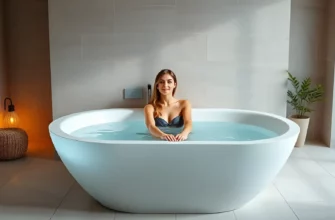
While a cold bath vs cold plunge might seem similar, a bath is often limited by the temperature of your tap water, which rarely drops below 55°F in most climates․ For serious enthusiasts, the plunge is the ultimate goal because it allows for precise temperature control, often down to 39°F, which provides a level of hormetic stress that a shower simply cannot match․ Use the shower to build your “mental grit” and the plunge to refine your physiology․
Investing in the Chill: Comparing Ice Barrel, Odin, and Renu
As the market for home cold therapy has exploded, several high-end brands have emerged, each catering to a different type of user․ Choosing between an Ice Barrel, an Odin, or a Renu unit depends largely on your available space, your aesthetic preferences, and whether you want to manage ice manually or use an electric chiller․
The Ice Barrel is the go-to for many because of its vertical design․ Sitting in an upright, “crouched” position is actually preferred by some as it mimics a meditative posture and ensures the water reaches all the way to the base of the skull․ On the other hand, units like the Odin and Renu offer a more traditional “soaker” experience, allowing you to recline while the water is kept at a consistent temperature via a built-in chiller․
- Ice Barrel: Best for space-saving and those who prefer a vertical, immersive experience․ It typically requires manual icing unless paired with an external chiller․
- Odin Ice Bath: Features a beautiful cedar wood exterior and an integrated cooling system․ It is often seen as the “furniture-grade” option for luxury homes․
From Budget Tubs to Luxury Chillers: What Fits Your Space?
When comparing the Ice Barrel vs cold plunge setups that are more permanent, consider your climate․ If you live in a hot environment, an insulated tub like the Renu or Odin is essential; otherwise, you will spend a fortune on ice every single day․ A well-insulated plunge can maintain 45°F even in a 90°F garage, which provides the consistency needed for a daily protocol․
The renu vs cold plunge debate often comes down to maintenance․ Higher-end units use ozone or UV filtration to keep the water clean for months, whereas budget “stock tanks” or basic barrels require frequent draining and scrubbing․ If you plan on using cold exposure daily, the time saved on maintenance with a premium unit like an Odin or Renu often justifies the higher price tag․
Contrast Therapy: The Science of Hot Plunge vs․ Cold Plunge
Contrast therapy involves alternating between a hot environment (like a sauna or hot tub) and a cold plunge․ This creates a “vascular pump” effect․ When you are in the heat, your blood vessels dilate (vasodilation) to move blood toward the skin to cool down; When you hit the cold water, those vessels rapidly constrict (vasoconstriction), pushing blood back toward your internal organs․
Think of this process like squeezing a sponge․ By forcing the blood to move rapidly between the core and the extremities, you are effectively flushing the lymphatic system and delivering fresh, oxygenated blood to tired muscles․ This is why many professional athletes use a hot plunge vs cold plunge cycle to accelerate recovery after a game․
The Vasodilation Cycle: Why Heat and Cold Work Together
To perform contrast therapy at home, a common protocol is 15 minutes of heat followed by 3 minutes of cold, repeated three times․ This cycle maximizes the circulatory benefits and helps to “re-set” the nervous system․ Always end your session on the cold cycle; this forces your body to work to warm itself back up, which keeps your metabolic rate elevated for a longer period after you leave the water․
Staying safe after a cold plunge is paramount during contrast therapy․ Because your blood vessels are rapidly changing size, some people may experience lightheadedness․ Take 30 seconds to sit on the edge of the tub before standing up to allow your blood pressure to stabilize․ This “bridge” period is essential for preventing fainting and ensuring the transition from cold to warm (or vice versa) is handled smoothly by your heart․
Common Mistakes: Why Your Cold Routine Might Be Failing You
Even the most dedicated “plungers” can fall into traps that limit their results․ One of the biggest mistakes is staying in the water too long․ There is a “U-shaped” curve to the benefits of cold exposure; once you pass the 10-minute mark in 45°F water, you risk overtaxing your thyroid and adrenal glands, leading to fatigue rather than vigor․
Another common error is the use of “active warming” immediately after a dip․ Jumping into a hot shower right after an ice bath stops the body’s natural thermogenic process․ To maximize the metabolic benefits, you should allow your body to shiver and warm itself naturally․ This is known as the Soberg Principle, named after researcher Dr․ Susanna Soberg․
Crucial Warning: Never practice deep breathwork (like the Wim Hof Method) while inside the water․ The risk of passing out and drowning is real․ Always perform your breathing exercises on dry land before entering the plunge․
The Community Verdict: Real Lessons from the Front Lines
If you look at the cryotherapy vs cold plunge Reddit discussions, the consensus among long-term users is clear: the cold plunge is more “difficult” but more rewarding․ Users often report that while cryotherapy feels like a “skin chill,” the cold plunge feels like a “soul reset․” The water creates a visceral response that air simply cannot match․
Community members also emphasize the importance of water chemistry․ If you are using a permanent home unit, check your alkalinity and bromine levels weekly to prevent skin irritation․ Many beginners forget that a cold plunge is essentially a tiny swimming pool; without proper care, the water can become a breeding ground for bacteria, which quickly ruins the “wellness” aspect of the routine․
In my professional experience, the biggest hurdle for most people is the “all or nothing” mentality․ While a cold plunge is the Gold Standard for physiological change due to hydrostatic pressure and thermal conductivity, the best method is the one you will actually stick to daily․ I always advise my clients to start with a cold shower to build the habit․ Once you can handle 3 minutes of cold water without gasping, you have earned the right to invest in a dedicated plunge․ Remember, the goal is hormetic stress—a small amount of “bad” stress that makes you stronger․ You don’t need to stay in until you’re blue; 11 minutes of total cold exposure per week, spread across 3 or 4 sessions, is the science-backed sweet spot for metabolic and hormonal health․
Frequently Asked Questions
No, a cold plunge is significantly more efficient for fat loss because total immersion forces the body to burn more calories to maintain core temperature, leading to higher activation of brown adipose tissue․
How long should I stay in a cold plunge vs a cold shower?
Aim for 2 to 5 minutes in a cold plunge and 3 to 5 minutes in a cold shower; focus on reaching the point where your breathing becomes calm rather than watching the clock․
Does cryotherapy help with inflammation better than an ice bath?
Generally, no․ The thermal conductivity of water in an ice bath allows for deeper cooling of muscle tissue, making it superior for systemic inflammation compared to the superficial cooling of dry-air cryotherapy․
Can I do a cold plunge every day?
Yes, it is safe for most people to plunge daily, but you should listen to your body and avoid it if you feel symptoms of overtraining or extreme adrenal fatigue․
What is the best temperature for a cold plunge?
The sweet spot for most health benefits is between 45°F and 55°F (7°C – 13°C), which provides enough stress to trigger a response without excessive risk of hypothermia․
Why do people on Reddit prefer cold plunges over cryotherapy?
The community generally favors cold plunges because they are more cost-effective over time, provide a more intense mental challenge, and the hydrostatic pressure offers better physical recovery․