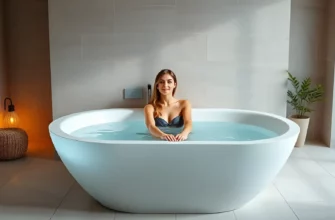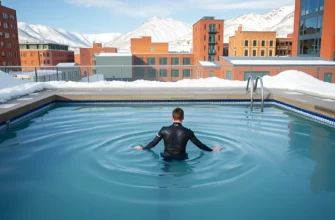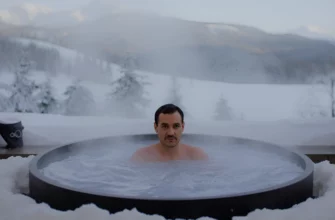
- Are Cold Plunges Good for Women? The Reality Behind the Trend
- The Biological Difference: Why Cold Plunging Isnt One-Size-Fits-All
- Can Cold Plunging Disrupt Your Hormones? What Every Woman Needs to Know
- Managing Cortisol and Stress Levels in the Ice
- Cold Water Therapy: A Natural Remedy for Menopause and Perimenopause Symptoms?
- Cooling Down Hot Flashes and Improving Sleep Quality
- The Fertility Question: Impact on Reproductive Health for Women and Men
- Is Cold Plunging Good for Fertility and Sperm Health?
- When the Ice is Too Cold: Why Cold Plunges Might Not Be Beneficial for You
- Recognizing the Signs of Over-Stress and Burnout
- Men vs․ Women: Are Cold Plunges Better for One Sex Over the Other?
- Recovery and Metabolic Rates: A Gendered Comparison
- How to Build a Safe and Effective Cold Plunge Routine as a Woman
- Expert Perspective: Female Cold Exposure
- Frequently Asked Questions
Are Cold Plunges Good for Women? The Reality Behind the Trend
Cold water immersion has moved from the fringes of elite athletic training into the mainstream of functional medicine and biohacking․ While the sight of someone submerged in an ice-filled tub is now common on social media, the physiological reality for women is significantly more nuanced than it is for men․
The female body operates on a complex, rhythmic endocrine clock that influences everything from core temperature to metabolic flexibility․ Understanding whether cold plunging is a “win” for your health depends entirely on your unique biology, your current life stage, and where you are in your monthly cycle․
The Biological Difference: Why Cold Plunging Isnt One-Size-Fits-All
Women generally possess a higher percentage of subcutaneous body fat compared to men, which acts as a natural layer of insulation against thermal stress․ However, this does not mean women “feel” the cold less; in fact, because women often have lower muscle mass—the primary engine for shivering thermogenesis—the metabolic cost of rewarming the body after a plunge can be much higher․
When you submerge yourself in water below 55°F, your body initiates a massive sympathetic nervous system response․ For women, this triggers a specific cascade of hormones designed to protect reproductive organs․ While men might focus on testosterone boosts, women often see more profound shifts in how to reduce inflammation and manage long-term systemic stress․
The effectiveness of these sessions isn’t just about how long you can suffer in the ice․ To determine if cold plunges work for women in a specific context, we have to look at the “afterdrop”—the period where cold blood from the extremities returns to the core—which can affect women more intensely due to surface-area-to-mass ratios․
Can Cold Plunging Disrupt Your Hormones? What Every Woman Needs to Know
The endocrine system is a delicate web where a “stressor” in one area can cause a “leak” in another․ Cold plunging is a form of hormetic stress—a beneficial, short-term shock that makes the body stronger․ However, if your body is already dealing with high levels of perceived stress, the ice can become the “straw that breaks the camel’s back” for your adrenal glands․
Cortisol and progesterone share the same molecular precursor, pregnenolone․ If you are constantly triggering a massive cortisol spike through excessive cold exposure, you may experience “pregnenolone steal,” where your body prioritizes stress response over sex hormone production․ This is why timing your plunges is more critical than the temperature of the water itself․
- DO: Plunge during the follicular phase (days 1-14) when your body is more resilient to stress and your core temperature is lower․
- DONT: Push for record-breaking times during the luteal phase (the week before your period) when your core temperature is naturally higher and your nervous system is more sensitive․
- DO: Limit sessions to 2-3 minutes if you are feeling signs of burnout or extreme fatigue․
- DONT: Use cold plunging as a way to “numb” pain if you are experiencing irregular cycles or amenorrhea․
- DO: Focus on nasal breathing during the first 30 seconds to bridge the gap between the sympathetic shock and parasympathetic recovery․
Managing Cortisol and Stress Levels in the Ice
The relationship between adrenal health and cold exposure is a double-edged sword․ Short, controlled bursts of cold can actually train your vagus nerve to “turn off” the stress response more efficiently․ This leads to improved mood and better resilience over time․ However, for those wondering if cold plunging is bad for women, the answer usually lies in the frequency․
During the luteal phase, your baseline cortisol is naturally higher․ Adding a 38-degree ice bath on top of a high-stress workday during this phase can lead to “over-taxing” the system․ If you find that you are shivering for more than 20 minutes after a plunge, your nervous system is likely telling you that the stressor was too great for your current hormonal state․
Cold Water Therapy: A Natural Remedy for Menopause and Perimenopause Symptoms?
For women transitioning through perimenopause or menopause, cold water therapy can be a game-changer for quality of life․ The primary struggle during this era is the “broken thermostat” caused by fluctuating estrogen levels․ Estrogen plays a vital role in how the hypothalamus regulates heat, which is why hot flashes and night sweats become so prevalent․
By exposing the body to extreme cold, you are essentially “recalibrating” your internal sensors; The massive release of norepinephrine during a plunge acts as a powerful chemical stabilizer for the brain’s thermoregulatory center․ This can lead to a significant reduction in the frequency and intensity of vasomotor symptoms like hot flashes․
Cooling Down Hot Flashes and Improving Sleep Quality
Research into the connection between cold exposure and deep sleep suggests that a drop in core body temperature is a primary trigger for the brain to enter REM and deep sleep cycles․ Women in perimenopause often struggle with “internal heat” that keeps them awake․ A quick plunge or even a cold shower in the late afternoon can help facilitate a faster drop in core temperature come bedtime․
Beyond the physical cooling, the psychological boost is undeniable․ The surge in neurotransmitters helps combat the “brain fog” and low mood often associated with declining hormone levels․ When considering if cold plunge helps menopause, the data points toward improved vascular tone and better glucose management, both of which are critical as metabolic health becomes more precarious during the transition․
The Fertility Question: Impact on Reproductive Health for Women and Men
When discussing fertility, we have to distinguish between “internal” and “external” reproductive environments․ This is where the advice for men and women diverges sharply․ The male reproductive system is designed to thrive in a cooler environment, while the female system is deeply protected within the pelvic cavity, shielded by layers of tissue and bone to maintain a steady, warm temperature․
Myth: Cold plunging is dangerous for a woman’s ovaries because it “freezes” the eggs․
Fact: Your internal core temperature remains highly regulated․ Short-term cold exposure actually increases blood flow to internal organs through a process called reactive hyperaemia, which can support pelvic circulation once you warm back up․
Myth: Men should avoid ice baths if they want to conceive․
Fact: High scrotal temperature is a leading cause of low sperm count․ Cold exposure is one of the most effective ways to lower testicular temperature and improve sperm morphology and motility․
Is Cold Plunging Good for Fertility and Sperm Health?
For men, the benefits are straightforward: the testes are outside the body specifically to stay 2-3 degrees cooler than the core․ Modern life (tight jeans, sitting for long hours, laptop heat) creates an “overheating” problem․ Cold plunging directly counteracts this, making it a powerful tool for those asking if cold plunges are bad for sperm․
For women, the focus is on systemic inflammation․ Chronic inflammation is a known enemy of egg quality and successful implantation․ By using cold therapy to lower systemic C-reactive protein levels, you create a more “hospitable” environment for conception․ However, avoid extreme cold plunging during the “two-week wait” after ovulation if you are actively trying to conceive, as the body needs to maintain a higher basal temperature to support potential implantation․
When the Ice is Too Cold: Why Cold Plunges Might Not Be Beneficial for You
There is a point of diminishing returns with cold therapy․ More is not always better․ For women who are already in a state of high-functioning anxiety or clinical burnout, the “shock” of the ice can actually trigger a “freeze” response in the nervous system rather than a “fight or flight” adaptation․ This can manifest as extreme fatigue that lasts for days after a single session․
One of the biggest risks is “afterdrop․” This happens when you step out of the water and your peripheral blood vessels dilate, sending cold blood back to your heart and brain․ Because women generally have a smaller blood volume than men, this drop in core temperature can happen more rapidly, leading to dizziness, intense shivering, or even a temporary drop in blood pressure․
- Common Mistake: Plunging for 10+ minutes․ Maximum benefits for brown fat activation occur within the first 3 to 5 minutes; anything beyond that increases the risk of hypothermia without adding metabolic value․
- Common Mistake: Jumping into a hot shower immediately after․ This forces blood to the skin too fast, worsening the afterdrop and potentially causing fainting․
- Common Mistake: Ignoring the “shiver response․” Shivering is your body’s way of generating heat․ If you suppress it or ignore it, you miss out on the metabolic benefits of the session․
Recognizing the Signs of Over-Stress and Burnout
If you find that your menstrual cycle becomes irregular after starting a cold plunge routine, or if your resting heart rate (RHR) begins to climb, these are red flags․ Your body is signaling that it cannot recover from the thermal stress․ Women are particularly susceptible to “cold-induced amenorrhea” if the stress of the ice is combined with a caloric deficit or over-training․
Men vs․ Women: Are Cold Plunges Better for One Sex Over the Other?
The “battle of the sexes” in the ice bath isn’t about who can stay in longer; it’s about who gets which benefit․ Men often see a more significant “rebound” in testosterone and a faster reduction in muscle soreness after heavy lifting․ Women, however, tend to see greater improvements in skin vascularity and lymphatic drainage․
| Feature | Impact on Women | Impact on Men |
|---|---|---|
| Primary Benefit | Hormonal regulation & inflammation | Testosterone support & muscle recovery |
| Brown Fat Activation | High (often more brown fat stores) | Moderate (relies more on shivering) |
| Ideal Duration | 2, 4 Minutes | 3 — 5 Minutes |
| Risk Factor | Menstrual cycle disruption | Reduced hypertrophy if done too soon after lifting |
Recovery and Metabolic Rates: A Gendered Comparison
Women possess a unique metabolic advantage: they often have higher stores of brown adipose tissue (brown fat) around the neck and upper back․ Cold exposure is the “on switch” for this tissue, which burns glucose and white fat to create heat․ This means women can achieve significant metabolic health gains without needing to stay in the water as long as their male counterparts․
How to Build a Safe and Effective Cold Plunge Routine as a Woman
Starting a cold plunge routine requires a “minimum effective dose” mindset․ You don’t need to jump into a 34-degree tank on day one․ In fact, starting at 60 degrees and working your way down over several weeks is far more effective for long-term nervous system adaptation․
The goal is to stay in just long enough to “break” the initial panic and find a steady breathing rhythm․ Once you have control over your breath, you have achieved the primary neurological benefit․ For most women, 11 total minutes per week, split into 3 or 4 sessions, is the “goldilocks zone” for health benefits without hormonal interference․
- Step 1: Start with a 30-second cold blast at the end of your regular shower to build “thermal resilience․”
- Step 2: When moving to a tub, aim for 50°F to 55°F for your first few sessions․
- Step 3: Focus on slow, exhaled breaths․ Try to make your exhale twice as long as your inhale․
- Step 4: Exit the water when you feel “calm” but before you start to feel “numb․”
- Step 5: Use the Horse Stance or light movement to warm up naturally rather than using external heat․
Expert Perspective: Female Cold Exposure
In my professional experience working with female athletes and perimenopausal women, the single most important factor is bio-individual timing․ I always advise my clients to treat the cold as a “medication” with a specific dosage․ During your follicular phase, you can be more aggressive with temperatures and duration․ However, during the late luteal phase, your body is already working overtime; this is the time to switch to lukewarm plunges or skip the ice altogether․ Listen to your heart rate variability (HRV)—if it drops significantly the morning after a plunge, you’ve overdone it․
Frequently Asked Questions
Yes, if done excessively․ High-intensity cold stress can spike cortisol, which may suppress the release of Gonadotropin-releasing hormone (GnRH), leading to delayed ovulation or a missed period․
Is it safe to cold plunge while pregnant or trying to conceive?
Most medical professionals recommend avoiding extreme temperature shifts during pregnancy․ If trying to conceive, avoid the ice during the implantation window (roughly 7-10 days after ovulation) to keep core warmth stable․
Does cold water therapy really help with menopause hot flashes?
It does․ Cold exposure trains the body’s “thermal reset” button, helping the brain manage temperature fluctuations more efficiently and providing immediate relief from the discomfort of a flash․
Are cold plunges bad for male fertility or sperm?
No, they are actually beneficial․ Keeping the testes at a lower temperature is essential for optimal sperm production and can reverse some of the damage caused by heat stress․
How long should a woman stay in a cold plunge for maximum benefits?
The sweet spot is usually 1 to 3 minutes․ This is long enough to trigger norepinephrine release and brown fat activation without causing the “metabolic exhaustion” that can disrupt female hormones․