- How Cold is a Cold Plunge Usually and Why the Number Matters
- The Industry Standard: What is Considered a Cold Plunge?
- From Lifetime Fitness to Equinox: Standard Temperatures at Luxury Gyms
- Understanding the Lifetime Fitness Cold Plunge Temperature
- The Influencer Effect: Joe Rogan, Gary Brecka, and Stacy Sims Protocols
- Why Joe Rogan and Gary Brecka Push for Lower Temperatures
- Activating Brown Fat: The Science Behind the Shiver
- What Temperature of Water Triggers Metabolic Changes?
- The Spa Experience: Nordic and Scandinave Temperature Profiles
- Why Nordic Spas Keep Their Plunges Slightly Warmer
- Setting Up Your Own Bath: How Cold Does an Ice Plunge Need to Be?
- How Many Bags of Ice for a 50-Degree Bath?
- Expert Perspective: The Principle of Minimum Effective Dose
- Frequently Asked Questions
How Cold is a Cold Plunge Usually and Why the Number Matters
Determining the ideal temperature for a cold plunge is more than just a matter of personal preference; it is a calculation of biological stress and recovery. While many beginners assume that “colder is always better,” the physiological response of the body changes significantly as you move from cool water into the realm of true therapeutic immersion.
Understanding the nuance behind these numbers allows you to tailor your recovery sessions to your specific goals, whether you are seeking a metabolic boost or a reduction in systemic inflammation. The feeling of the water—that initial, invigorating bite—is your body’s signal that the process of hormetic stress has begun.
The Industry Standard: What is Considered a Cold Plunge?
In professional athletic circles and commercial recovery centers, the recognized standard for a cold plunge typically falls between 45°F and 55°F (7°C to 13°C). This range is widely considered the “sweet spot” because it is cold enough to trigger a significant shivering response and norepinephrine release without being so extreme that it poses an immediate risk of hypothermia for the average healthy adult.
When asking how cold is a cold plunge pool in a professional setting, you will rarely find them set above 60°F. Once the water temperature climbs past the 60-degree mark, the intensity of the cold shock response diminishes significantly, and the session begins to feel more like a cool bath than a therapeutic intervention. While a 60-degree soak still offers some minor vasoconstriction benefits, it lacks the punch required for deeper neurological and metabolic changes.
The average temperature of a cold plunge in most high-end facilities is intentionally kept within this 10-degree window to balance efficacy with safety; At 50°F, the body undergoes vasoconstriction, where blood is shunted away from the extremities and toward the core to protect vital organs. This process is a primary driver of the anti-inflammatory benefits associated with cold water therapy.
From Lifetime Fitness to Equinox: Standard Temperatures at Luxury Gyms
Luxury fitness chains have standardized their recovery protocols to ensure a consistent experience for members across different locations. These facilities must balance the desire for high-performance recovery with the safety requirements of a public space, where users of varying tolerance levels will be sharing the water.
Commercial setups often utilize industrial-grade chillers and high-volume filtration systems to maintain a precise temperature despite constant foot traffic. This consistency is a major draw for athletes who want to track their progress and response to specific thermal loads.
| Facility Type | Standard Temperature Range | Primary Goal of Setting |
|---|---|---|
| Lifetime Fitness | 50°F, 55°F | Broad accessibility and sustainable recovery for all members. |
| Equinox | 45°F ー 50°F | High-intensity athletic recovery for performance-focused users. |
| Nordic Spas (e.g., Scandinave) | 50°F, 55°F | Therapeutic thermal cycling and relaxation. |
| Elite Performance Centers | 38°F ー 45°F | Maximum metabolic shock and rapid inflammation reduction. |
Understanding the Lifetime Fitness Cold Plunge Temperature
The Lifetime Fitness cold plunge temp is typically maintained at 50°F to 55°F. This specific range is chosen because it represents the threshold where most individuals can safely achieve a “cold shock” without requiring professional supervision. It allows members to stay in the water for the recommended 2 to 5 minutes without the risk of immediate thermal distress.
Consistency is the hallmark of the temperature of the cold plunge at Lifetime Fitness. Unlike a home setup where ice might melt and cause the water to warm up over time, these commercial tubs use constant circulation to ensure that the water touching your skin is always at the target temperature. This prevents the “thermal layer” of warmer water from forming around your body, a phenomenon that can make a still bath feel warmer than it actually is.
Comparing these commercial settings to home DIY ice baths reveals a significant difference in control. While a home tub might fluctuate based on the ambient air temperature or the amount of ice added, a commercial chiller ensures that every second of your three-minute plunge is spent at the exact intended degree, maximizing the efficiency of the session.
The Influencer Effect: Joe Rogan, Gary Brecka, and Stacy Sims Protocols
The rise of biohacking has pushed the boundaries of what is considered a “normal” cold plunge temperature. Influencers and health optimizers often advocate for much lower temperatures than what you would find in a local gym, focusing on the mental fortitude and extreme physiological adaptations that come with near-freezing water.
However, it is important to distinguish between “extreme” protocols and “effective” protocols. While some experts push for the lowest possible number, others, like Dr. Stacy Sims, argue for a more nuanced approach that takes biological differences—especially hormonal cycles—into account.
Why Joe Rogan and Gary Brecka Push for Lower Temperatures
The joe rogan cold plunge temp is famously low, often hovering between 33°F and 37°F. For Rogan and proponents like Gary Brecka, the goal is often as much mental as it is physical. Immersing oneself in water that is just a degree or two above freezing requires a level of psychological override that many find translates to better stress management in daily life.
The gary brecka cold plunge temperature recommendations often focus on the shivering threshold. Brecka emphasizes that the metabolic benefits of the cold are maximized when the body is forced to generate its own heat through shivering. This process, known as non-shivering thermogenesis in its early stages, eventually gives way to actual muscular shivering, which significantly increases caloric burn.
In contrast, the stacy sims cold plunge temperature advice provides a necessary counter-perspective for female athletes. Sims often suggests that women may not need to go as cold or stay in as long to achieve the same hormonal benefits, as excessive cold stress can sometimes interfere with the delicate balance of the endocrine system. For many women, staying in the 50°F to 55°F range is often more than enough to trigger the desired recovery response without overtaxing the body’s stress reserves.
Activating Brown Fat: The Science Behind the Shiver
One of the most cited reasons for regular cold exposure is the activation of brown adipose tissue (BAT), often called brown fat. Unlike white fat, which stores energy, brown fat is packed with mitochondria and burns energy to produce heat; This process is a key component of cold thermogenesis and is directly influenced by the temperature of the water.
To turn “white fat” into “beige fat” or to activate existing brown fat stores, the body must reach a state of thermal challenge. This doesn’t necessarily require freezing temperatures, but it does require a consistent drop in core and skin temperature.
- 58°F and Above: Primarily used for general cooling; minimal brown fat activation.
- 50°F to 55°F: The “Metabolic Sweet Spot” where norepinephrine levels spike and BAT is actively recruited.
- 45°F and Below: Rapid induction of the shivering response; maximum metabolic demand.
- 34°F to 40°F: Extreme hormetic stress; requires advanced cold tolerance and careful monitoring.
What Temperature of Water Triggers Metabolic Changes?
Research into brown fat cold plunge what temperature of water is most effective generally points to the 50°F to 57°F range. At these temperatures, the body releases a surge of norepinephrine—up to 200-300%—which acts as a chemical signal to activate brown fat cells. This increase in metabolic rate can persist for hours after you have left the water.
When considering how cold is the average cold plunge for weight loss benefits, it is important to focus on duration and consistency rather than just intensity. Spending 10 minutes in 55-degree water may actually be more beneficial for metabolic health than spending 30 seconds in 34-degree water, as the longer duration allows the body’s internal furnace to stay “on” for a more extended period.
Beyond fat loss, these temperatures are highly effective for those looking at how to reduce inflammation. The cold causes blood vessels to constrict, which helps to flush out metabolic waste products like lactic acid from muscle tissue. Once you exit the plunge and begin to warm up, a fresh supply of oxygenated blood rushes back into the tissues, accelerating the healing process.
The Spa Experience: Nordic and Scandinave Temperature Profiles
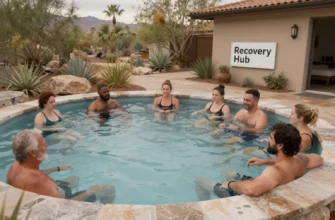
In the world of luxury spas, the cold plunge is rarely a standalone event. It is usually part of a “thermal cycle” that involves moving from a hot sauna or steam room into a cold pool, followed by a period of rest. This contrast therapy is designed to stimulate the lymphatic system and promote deep relaxation.
Because the spa experience is often social and focused on wellness rather than elite athletic performance, the temperatures are generally more moderate. The goal is a “comfortable shock” that leaves the guest feeling refreshed rather than exhausted.
Why Nordic Spas Keep Their Plunges Slightly Warmer
The typical nordic spa cold plunge temperature is usually set between 50°F and 55°F. This is cold enough to provide the necessary contrast to a 180-degree sauna but warm enough that guests can safely transition between the two without experiencing extreme cardiac stress.
At famous locations like the Sky Lagoon in Iceland, the sky lagoon cold plunge temperature is carefully calibrated to match the traditional Icelandic bathing culture. These facilities prioritize the vagus nerve stimulation that occurs during the transition from heat to cold. A sudden dip in 50-degree water triggers the parasympathetic nervous system during the “rest” phase of the cycle, leading to the profound sense of calm that spa-goers seek.
The social aspect also plays a role. In a spa setting, people often plunge in groups. A temperature that is too extreme (like the 33°F favored by Rogan) would be inaccessible to the general public and could lead to safety issues in a self-guided environment. By keeping the water in the low 50s, spas ensure a high-quality therapeutic experience for the widest possible range of visitors.
Setting Up Your Own Bath: How Cold Does an Ice Plunge Need to Be?
For those building a home setup, the logistics of maintaining temperature can be challenging. Whether you are using a chest freezer conversion, a dedicated cold plunge tub, or a standard bathtub filled with ice, you need a reliable way to measure and maintain your target numbers.
Safety is paramount when plunging at home, especially if you are experimenting with lower temperatures. Understanding the “afterdrop” effect—where your core temperature continues to fall even after you get out of the water—is critical for solo plungers.
- DO: Use a reliable digital thermometer to check the water before getting in.
- DO: Start with warmer temperatures (55°F-60°F) if you are new to the practice.
- DO: Have a warm towel and dry clothes ready for immediate use afterward.
- DON’T: Plunge alone if the water is below 45°F and you are inexperienced.
- DON’T: Use hot water to warm up immediately; let your body do the work or use lukewarm water.
- DON’T: Hyperventilate; focus on long, slow exhales to manage the initial cold shock.
How Many Bags of Ice for a 50-Degree Bath?
One of the most common questions for DIYers is how cold does ice plunge need to be and how much ice is required to get there. To bring a standard bathtub (approx. 40-50 gallons) from 70°F tap water down to a therapeutic 50°F, you will typically need 60 to 100 pounds of ice. This can vary based on the ambient temperature of your bathroom and the material of your tub.
When calculating how many degrees is a cold plunge at home versus a pro tub, remember that ice alone rarely gets water down to the mid-30s unless you are using a massive volume of it in an insulated container. Most home ice baths end up hovering around 45°F to 52°F, which, as we have discussed, is perfectly adequate for the vast majority of health benefits.
Staying safe after a cold plunge is just as important as the plunge itself. To mitigate the risk of afterdrop, always pat yourself dry immediately and put on layers. Engaging in light movement, like air squats or a brisk walk, helps to generate internal heat and move cold blood from your extremities back to your core in a controlled manner, preventing the “shiver fits” that can occur if you warm up too rapidly or too slowly.
Expert Perspective: The Principle of Minimum Effective Dose
In my professional experience, the biggest mistake people make is treating cold water therapy like a competitive sport. I always advise my clients to focus on the Minimum Effective Dose (MED). You do not need to sit in 33°F water to see life-changing results. In fact, for 90% of the population, maintaining a consistent routine at 50°F to 55°F for 11 minutes total per week is far more sustainable and safer than occasional, extreme exposures. Consistency beats intensity every single time when it comes to neurological adaptation and metabolic health.
Frequently Asked Questions
Beginners should start between 50°F and 60°F. This range allows you to build thermal resilience and learn to control your breathing without overwhelming your nervous system.
What temperature of the cold plunge at Lifetime Fitness is standard?
Lifetime Fitness typically keeps their cold plunge pools between 50°F and 55°F to ensure a safe and effective recovery environment for all members.
Is 60 degrees cold enough for a cold plunge?
Yes, 60°F is effective for beginners. While it is on the warmer end of the spectrum, it still provides significant circulatory benefits and helps reduce muscle soreness after exercise.
How many degrees is a cold plunge for brown fat activation?
To maximize brown fat activation, aim for temperatures below 58°F. The most effective range for metabolic stimulation is generally considered to be 50°F to 55°F.
How long should I stay in a 45-degree cold plunge?
At 45°F, a duration of 2 to 5 minutes is recommended. Always listen to your body; if you start to lose dexterity in your hands or feet, it is time to get out.
What is the Joe Rogan cold plunge temperature?
Joe Rogan often sets his cold plunge between 33°F and 37°F. This is considered an extreme protocol used primarily for high-level mental challenge and intense physical recovery.