- Why Combining a Sauna and Cold Plunge is the Ultimate Reset
- The Science of Alternating Heat and Ice
- Mastering the Routine: Should You Start with Heat or Chill?
- The Perfect Sequence for Maximum Recovery
- Comparing Your Setup: From Sauna Boxes to Hot Tub Combos
- Modern Tech vs. Traditional Finnish Methods
- Timing Your Session for Sleep and Performance
- Using Thermal Stress to Improve Your Sleep Quality
- Designing Your Sanctuary: Garage Gym and Indoor Ideas
- Essential Considerations for Your Home Wellness Suite
- Common Mistakes to Avoid During Your First Session
- Staying Safe While Pushing Your Limits
- Frequently Asked Questions
Why Combining a Sauna and Cold Plunge is the Ultimate Reset
Stepping out of a scorching sauna and immediately into a tub of ice-cold water might seem like a form of self-inflicted torture, but it is actually one of the most effective ways to refresh your entire biological system. This practice, often called contrast therapy, leverages the power of extreme temperature shifts to force your body into a state of rapid adaptation.
When you alternate between these extremes, you are essentially giving your vascular system a high-intensity workout. The heat causes your vessels to expand, while the cold causes them to snap shut, creating a natural pumping action that moves blood more efficiently through your muscles and organs.
The Science of Alternating Heat and Ice
The core of this experience lies in how your body manages thermal stress. When you sit in a sauna, your core temperature rises, triggering a process where your heart rate increases and blood moves toward the surface of your skin to help you cool down.
By alternating sauna and cold plunge sessions, you trigger a biological phenomenon known as hormetic stress. This is a beneficial type of stress that helps the body build resilience, making you more capable of handling physical and mental challenges in your daily life.
One of the primary reasons athletes and biohackers gravitate toward this routine is how to reduce inflammation effectively. The cold shock suppresses the production of inflammatory markers, while the subsequent heat flush helps clear out metabolic waste products like lactic acid from your muscle tissue.
For those looking for a recovery sauna and cold plunge routine, the goal is to stabilize the nervous system. The sudden cold triggers a massive release of norepinephrine, which can improve focus and mood for several hours after you finish your session.
Mastering the Routine: Should You Start with Heat or Chill?
The most common question beginners ask involves the specific sauna steam room cold plunge order. While there is no “wrong” way to do it, most practitioners find that starting with heat allows the muscles to relax and the pores to open before the sudden shock of the ice water.
Transitioning from a dry sauna to a cold water plunge is an intense sensory experience. Your goal is to move quickly but safely, ensuring your body doesn’t have too much time to cool down in the ambient air before you hit the water.
- Pre-Heat Hydration: Drink at least 16 ounces of water with electrolytes before you even step into the sauna to ensure your blood volume is sufficient for the heat stress.
- The Heat Phase: Spend 15 to 20 minutes in the sauna or steam room until you have established a deep, dripping sweat and your heart rate has elevated significantly.
- The Rinse: Take a quick 30-second lukewarm shower to remove sweat and oils from your skin, which keeps your cold plunge water cleaner for longer.
- The Cold Entry: Submerge yourself in the cold water up to your neck, focusing on slow, controlled exhales to manage the initial gasping reflex.
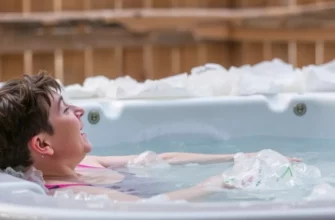
- The Cold Hold: Remain in the water for 2 to 5 minutes, depending on your tolerance and the water temperature, which should ideally be between 45°F and 55°F.
- The Rest Period: Allow your body to return to its natural temperature for 10 minutes before starting the next round or ending your session.
The Perfect Sequence for Maximum Recovery
When you use sauna first then cold plunge, you are priming your circulatory system for a massive flush. The heat dilates your blood vessels, and the cold then forces that blood back toward your internal organs to protect your core temperature.
Deciding whether to end with sauna or cold plunge depends entirely on your immediate goals. If you want to feel energized and alert for the rest of the day, always end with the cold plunge to keep your metabolism elevated and your mind sharp.
Conversely, if you are performing this routine in the evening, you might choose to end with a short sauna session or a warm shower. This helps relax the nervous system and prepares the body for a deep, restorative sleep cycle by gradually lowering the heart rate.
Comparing Your Setup: From Sauna Boxes to Hot Tub Combos
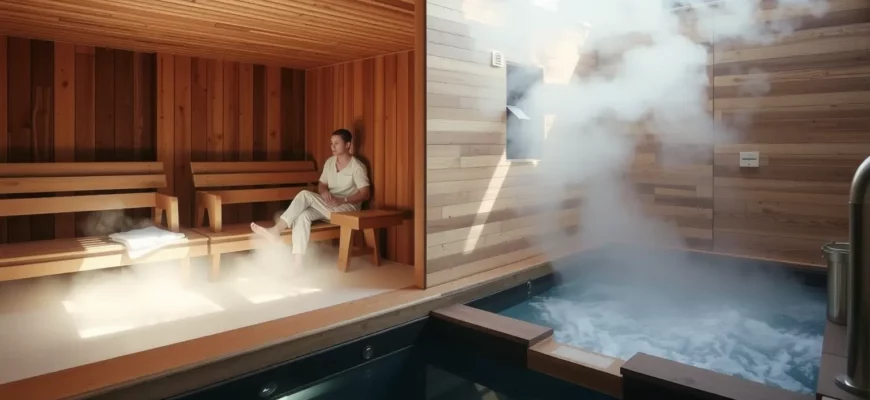
Building a home wellness suite requires choosing the right equipment for your space and budget. You can choose between a simple sauna box cold plunge setup or more permanent sauna hot tub cold plunge combo units that offer a more luxurious experience.
Immersion sauna & cold plunge setups are generally considered the gold standard because the water provides 100% skin contact, leading to a much faster thermal transfer than cold air. However, those with limited space may opt for a vertical cold tank and a portable infrared sauna tent.
| Setup Type | Best For | Space Required | Primary Benefit |
|---|---|---|---|
| Traditional Finnish & Stock Tank | Hardcore enthusiasts | Large (Garage/Yard) | Highest heat & deepest cold |
| Infrared Sauna & Chiller Tub | Daily wellness & detox | Medium (Spare room) | Lower electricity use |
| Sauna Box & Portable Plunge | Renters & small spaces | Small (Balcony/Patio) | Low cost & mobility |
| All-in-One Luxury Combo | Permanent home gyms | Large (Dedicated suite) | Seamless transitions |
Modern Tech vs. Traditional Finnish Methods
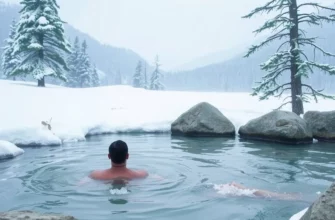
The classic finnish sauna cold plunge experience involves a wood-fired heater and a natural body of water or a hole in the ice. This method provides a very high, dry heat that can reach upwards of 200°F, which is excellent for cardiovascular conditioning.
Modern alternatives like the red light sauna and cold plunge integrate photobiomodulation into the heat phase. This uses specific wavelengths of light to penetrate deeper into the tissues, which can accelerate cellular repair beyond what heat alone can achieve.
If you prefer a humid environment, a sauna steam cold plunge setup uses a steam generator to create 100% humidity. This is often better for respiratory health and skin hydration, though it can feel much more intense at lower temperatures than a dry sauna.
Timing Your Session for Sleep and Performance
Timing is everything when it comes to thermal therapy. Using a sauna and cold plunge before bed can be a game-changer for chronic insomniacs, provided you give your body enough time to stop sweating before you hit the sheets.
For athletes, a workout sauna cold plunge routine should be handled with care. While it feels great after a lift, cold immersion immediately after strength training may actually blunt muscle growth by suppressing the natural inflammatory response needed for hypertrophy.
Using Thermal Stress to Improve Your Sleep Quality
To use this therapy for sleep, you should aim to finish your session about 90 minutes before bed. The sauna raises your core temperature, and the subsequent “cool down” phase signals to your brain that it is time to produce melatonin.
The relaxing effect of the cold on the nervous system shouldn’t be overlooked. After the initial shock wears off, the body enters a parasympathetic state, often referred to as “rest and digest,” which is the ideal state for falling asleep quickly.
A hot cold therapy sauna cold plunge session late in the evening helps “dump” heat from the body. As your peripheral blood vessels dilate and then cool, your core temperature drops more rapidly than it would naturally, mimicking the body’s circadian rhythm shift.
Designing Your Sanctuary: Garage Gym and Indoor Ideas
Creating a dedicated space for your routine is about more than just buying the equipment. If you are looking at pictures of garage gym with sauna cold plunge setups, you will notice that the most successful designs focus on “wet zone” management and airflow.
For those living in cities like Boulder or SF, where space is at a premium, an indoor sauna cold plunge combo might need to be installed in a basement or a converted bathroom. Always ensure you have a dedicated 240v circuit for traditional heaters to avoid tripping breakers during your session.
- Non-Slip Flooring: Use rubberized gym mats or textured tile to prevent accidents when moving between the sauna and the tub.
- Ventilation: Install a high-powered exhaust fan to prevent mold growth from the steam and humidity generated by the hot and cold cycle.
- Drainage: Ensure your cold plunge has a clear path to a floor drain or a pump system to make water changes easy and frequent.
- Lighting: Use dimmable LED strips or salt lamps to create a relaxing “spa” atmosphere that aids in mental recovery.
- Water Filtration: If using a permanent tub, install an ozone or UV filtration system to keep the water sanitary without using harsh chemicals like chlorine.
Essential Considerations for Your Home Wellness Suite
Managing humidity is the biggest challenge for an indoor sauna cold plunge combo. If you are building in a garage, consider adding a dehumidifier to protect your other gym equipment from rust and moisture damage.
The footprint of a sauna plus cold plunge setup is usually about 60 to 80 square feet. If you are tight on space, look for “corner saunas” or vertical “barrel” plunges that use height rather than floor width to provide full body immersion.
Common Mistakes to Avoid During Your First Session
Safety is paramount when dealing with extreme temperatures. Many people ask, “can you do cold plunge and sauna if you have high blood pressure?” and the answer is that you must consult a physician first, as the rapid constriction of blood vessels can cause a spike in pressure.
Using sauna and cold plunge correctly requires a slow build-up. Do not try to stay in the ice for five minutes on your first day. Start with 30 seconds and focus on your breathing; if you start to shiver uncontrollably, it is time to get out and warm up.
Critical Warning: Never consume alcohol before or during a contrast therapy session. Alcohol dehydrates the body and impairs your ability to regulate temperature, which significantly increases the risk of fainting or cardiac stress.
Staying Safe While Pushing Your Limits
Hydration is the most overlooked part of using a sauna and cold plung routine. You can lose up to a liter of sweat in a single 20-minute session, so replenishing with water and minerals is non-negotiable for avoiding headaches and fatigue.
Recognizing the signs of lightheadedness is vital. If you feel dizzy when standing up to exit the sauna, sit on the lower bench for a minute to let your blood pressure stabilize before moving toward the cold plunge.
Staying safe after a cold plunge also involves the “afterdrop.” This is when cold blood from your extremities returns to your core after you exit the water, causing your temperature to continue dropping. Dry off immediately and put on warm layers to stay comfortable after your final round.
In my professional experience as a recovery specialist, I have seen too many people treat contrast therapy like an endurance sport. I always advise my clients to focus on the “minimum effective dose.” You don’t need to stay in 33-degree water for ten minutes to see results; in fact, three minutes is often enough to trigger the full hormonal and circulatory benefits. I’ve found that consistency over time is far more important than the intensity of a single session. The sauna followed by cold plunge method mimics the natural environmental stressors our ancestors faced, and our bodies are perfectly evolved to benefit from it—provided we listen to the signals our nervous system is sending us;
Frequently Asked Questions
The most effective protocol is to spend 15-20 minutes in the sauna followed by 2-5 minutes in the cold plunge, repeating this cycle 2 to 3 times for a total session of about an hour.
Is it better to end with the sauna or the cold plunge?
Ending with the cold plunge is ideal for reducing inflammation and increasing daytime alertness, while ending with the sauna is better for muscle relaxation and preparing the body for sleep.
How long should I stay in the cold plunge after a sauna?
Most practitioners should aim for 1 to 5 minutes. The goal is to reach the point where your breathing becomes calm and the initial “shock” has completely dissipated.
Can I do a sauna and cold plunge every day?
Yes, it is safe for most healthy individuals to do daily, but you should monitor for signs of central nervous system fatigue, such as persistent lethargy or irritability.
Does a sauna and cold plunge help with weight loss?
It can assist weight loss by temporarily boosting metabolic rate and improving insulin sensitivity, but it should be viewed as a supplement to a proper diet and exercise plan.
What should I wear during a contrast therapy session?
Breathable swimwear or a simple cotton towel is best. Avoid wearing heavy clothing or wetsuits, as they interfere with the body’s ability to sense and react to the temperature changes.