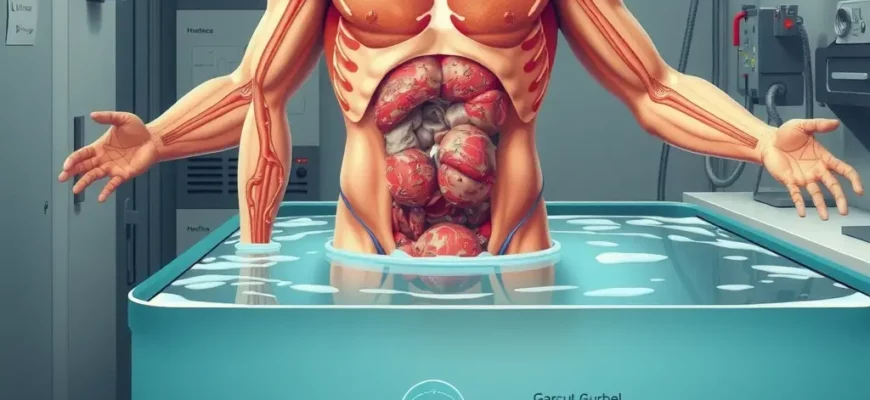
- Understanding why cold plunges are good for you and your daily performance
- What do cold plunges actually do to your body?
- Is there any real science behind cold plunges?
- Why do cold plunges work on a cellular level?
- How cold plunging improves heart health and increases longevity
- The role of cold plunges in longevity and aging
- Maximizing recovery: What are cold water plunges good for in athletics?
- Managing soreness and how to reduce inflammation
- The Fire and Ice method: What is sauna and cold plunge good for together?
- How to structure a contrast therapy session
- Getting started safely: How much do cold plunges cost and what do you need?
- Choosing the right setup for your home
- Common Mistakes to Avoid During Your First Plunge
- Frequently Asked Questions
Understanding why cold plunges are good for you and your daily performance
Cold water immersion has transitioned from a niche recovery tactic used by elite marathoners to a mainstream health staple found in backyards and high-end wellness centers. While the initial appeal often stems from the dramatic “ice bath” aesthetic, the underlying physiological shift is what actually provides the long-term health value.
Stepping into water below 55 degrees Fahrenheit triggers a systemic biological response that forces your body to adapt to an external stressor. This process isn’t just about “toughing it out”; it is about leveraging your body’s survival mechanisms to optimize hormonal output and cardiovascular resilience.
What do cold plunges actually do to your body?
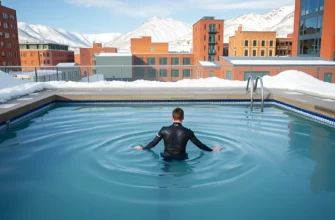
The moment your skin hits the freezing water, you experience the cold shock response. This is an involuntary physiological reaction where your breathing rate spikes and your heart rate climbs. This isn’t a sign of danger, but rather the rapid activation of your sympathetic nervous system, which acts as a “wake-up call” for every major organ system.
As you settle into the water, your body begins a process called peripheral vasoconstriction. To protect your vital organs, your system pulls blood away from your extremities and toward your core. This internal shunting of blood serves as a powerful workout for your vascular system, forcing your veins and arteries to constrict and then dilate rapidly once you exit the water. Understanding how cold plunges help you requires looking at this “vascular gymnastics” as a primary driver of improved circulation and nutrient delivery.
Furthermore, the brain responds by releasing a massive surge of norepinephrine and dopamine. Research has shown that cold immersion can increase norepinephrine levels by up to 200-300%, providing a level of mental clarity and focus that far outlasts the duration of the plunge itself. When people ask what do cold plunges help with, the answer often starts with this profound neurochemical reset that stabilizes mood and enhances cognitive function for hours afterward.
Is there any real science behind cold plunges?
Skepticism is natural when a health trend gains rapid popularity, but cold exposure is rooted in the biological principle of hormesis. Hormesis is the concept that a brief, controlled dose of stress can trigger cellular adaptations that make the organism stronger and more resilient to future challenges.
Myth: Cold plunging is only for reducing muscle soreness after a workout.
Fact: While recovery is a benefit, the primary value lies in metabolic health and immune signaling. Cold exposure triggers the production of cold-shock proteins and activates brown fat, which are benefits that extend far beyond muscle repair.Myth: You need to stay in for 20 minutes to see results.
Fact: Most physiological benefits, including the massive dopamine spike, occur within the first 2 to 5 minutes. Staying in too long increases the risk of hypothermia without significantly increasing the metabolic reward.
Why do cold plunges work on a cellular level?
To truly understand why do cold plunges work, we have to look at the mitochondria—the powerhouses of your cells. Cold exposure stimulates mitochondrial biogenesis, which is the creation of new mitochondria. More efficient mitochondria mean better energy production and a more robust metabolism, which is why consistent plungers often report higher baseline energy levels throughout the day.
Another critical factor is the activation of Brown Adipose Tissue (BAT), or brown fat. Unlike white fat, which stores energy, brown fat is thermogenic—it burns calories to generate heat. How do cold plunges help your body? They turn on the “furnace” of brown fat, which not only helps regulate core temperature but also improves glucose metabolism and insulin sensitivity, making it a powerful tool for metabolic longevity.
Finally, the release of cold-shock proteins, specifically RBM3, has been linked to neuroprotection. These proteins help repair damaged synapses and may play a role in slowing the progression of neurodegenerative conditions. This cellular “cleanup” is one of the most compelling reasons to view cold plunging as a long-term health investment rather than a temporary recovery fix.
How cold plunging improves heart health and increases longevity
The cardiovascular system is perhaps the greatest beneficiary of regular cold exposure. Because the heart must work to maintain core temperature against the external chill, the entire circulatory network is put through a rigorous training session. This isn’t just about heart rate; it’s about the elasticity of the blood vessels.
When you submerge, your blood vessels constrict with incredible force. When you exit and begin to warm up, they dilate. This constant cycling improves endothelial function, which is the ability of your blood vessels to relax and contract properly. Poor endothelial function is a primary precursor to hypertension and heart disease, making cold plunges a preventative measure for long-term cardiac health.
The role of cold plunges in longevity and aging
Longevity is increasingly defined by the management of systemic inflammation. Chronic, low-grade inflammation is a “silent killer” linked to everything from Alzheimer’s to heart disease. Cold water immersion suppresses pro-inflammatory cytokines and increases the production of anti-inflammatory markers. How does cold plunging improve heart health? By lowering the inflammatory load on the arterial walls, thereby reducing the risk of plaque buildup and oxidative stress.
The role of cold plunges in longevity also extends to insulin sensitivity. By activating brown fat and clearing glucose from the bloodstream to fuel thermogenesis, cold exposure helps maintain stable blood sugar levels. Maintaining high insulin sensitivity is one of the most accurate predictors of a long, healthy lifespan, as it prevents the metabolic dysfunction that leads to Type 2 diabetes and obesity-related complications.
Maximizing recovery: What are cold water plunges good for in athletics?
In the world of high-performance sports, cold plunging is the gold standard for managing the physical toll of intense training. However, the timing of the plunge is critical. To maximize muscle growth, you should avoid cold plunging for at least 4 hours after a hypertrophy (muscle-building) session, as the cold can blunt the inflammatory signaling needed for muscle repair and growth.
| Recovery Method | Primary Benefit | Best Used When… |
|---|---|---|
| Cold Plunge | Rapid inflammation reduction & CNS reset | After high-intensity intervals or game days. |
| Active Recovery | Blood flow and waste removal | The day after a heavy lifting session. |
| Sauna | Heat shock proteins & growth hormone | Before bed or post-strength training. |
| Compression | Lymphatic drainage | During travel or long periods of sitting. |
Managing soreness and how to reduce inflammation
What are cold plunges used for if not just “cooling down”? They are a mechanical tool for hydrostatic pressure. When you are submerged in water, the pressure helps move fluids from the extremities toward the heart, which assists in clearing metabolic waste products like lactate from the muscle tissue. This process significantly reduces the severity of Delayed Onset Muscle Soreness (DOMS).
By effectively “numbing” the nerve endings, cold water also provides immediate pain relief. What do cold plunges do for your health in the context of training? They allow an athlete to return to a high state of readiness faster than they would with passive rest alone. Reducing the “down-time” between hard sessions is often the difference between a plateau and a breakthrough in athletic performance.
The Fire and Ice method: What is sauna and cold plunge good for together?
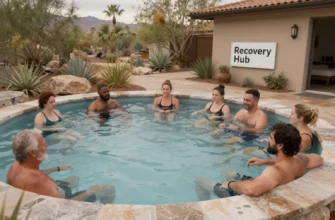
The practice of alternating extreme heat with extreme cold, often called contrast therapy, is a tradition rooted in Finnish culture. This “Fire and Ice” method creates a massive “shunting” effect where blood is forced to move rapidly between the skin’s surface and the internal organs. This is one of the most effective ways to detoxify the lymphatic system and oxygenate the blood.
When you sit in a sauna, your heart rate increases and your blood vessels dilate (vasodilation) to move heat to the skin. Jumping into a cold plunge immediately after causes instant vasoconstriction. This pumping action acts like a manual flush for your entire circulatory system, removing stagnant fluids and delivering fresh, nutrient-rich blood to tired tissues.
How to structure a contrast therapy session
To get the most out of a contrast session, the sequence and duration matter. A standard protocol often involves a 3:1 or 4:1 ratio of heat to cold. For example, 15 minutes in a sauna followed by 3 minutes in a cold plunge. Repeating this cycle 3 times provides a profound sense of physical relaxation and mental clarity.
What is a cold plunge pool good for in this context? It serves as the “reset” button. Always end your session on the cold plunge if your goal is metabolic activation. Ending on cold forces your body to use its own energy stores to reheat, which maximizes the brown fat activation and keeps your metabolic rate elevated for hours. Why are cold water plunges good for you when paired with heat? Because the contrast amplifies the autonomic nervous system’s ability to switch between “fight or flight” and “rest and digest” modes.
Getting started safely: How much do cold plunges cost and what do you need?
The barrier to entry for cold plunging is lower than most people think. You don’t need a $10,000 custom-built acrylic tub to see the results. While professional setups offer convenience and precise temperature control, a DIY approach can be just as effective for those on a budget.
| Setup Type | Estimated Cost | Pros | Cons |
|---|---|---|---|
| Standard Bathtub | $5 ⎻ $10 (Ice) | Low entry cost; accessible. | Hard to get deep enough; inconsistent temps. |
| DIY Chest Freezer | $300 ⎻ $800 | Maintains temp; very deep. | Requires sealing and electrical safety mods. |
| Stock Tank | $150 ⎻ $300 | Durable; large volume. | Requires buying ice every time. |
| Dedicated Plunge Tub | $4,000 ⎻ $15,000 | Filtration; precise temp; “always ready.” | High financial investment. |
Choosing the right setup for your home
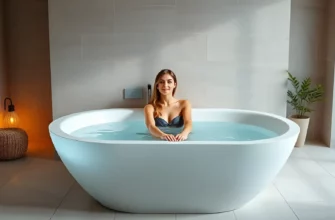
When deciding how much do cold plunges cost for your specific lifestyle, consider the maintenance factor. A DIY stock tank or bathtub requires you to purchase and haul hundreds of pounds of ice, which becomes a logistical nightmare if you plunge daily. If you are committed to a long-term practice, a chest freezer conversion or a dedicated plunge unit with a 1/2 HP chiller is often more cost-effective over time.
Safety is paramount when choosing a setup. Always unplug a DIY chest freezer before stepping inside to eliminate the risk of electric shock. Additionally, water sanitation is critical. Without a filtration system and ozone generator, water can become a breeding ground for bacteria quickly. If using a simple tank, change the water at least once a week and use food-grade hydrogen peroxide to maintain clarity. How are cold plunges good for you if the water isn’t clean? They aren’t—skin infections can quickly negate the health benefits.
Common Mistakes to Avoid During Your First Plunge
Many beginners approach the cold with an “ego-first” mentality, which often leads to a poor experience or even physical danger. The goal is controlled stress, not survival at all costs. Avoiding these common pitfalls will ensure your practice is sustainable and safe.
- Holding your breath: The cold shock response makes you want to gasp and hold your breath. This increases internal pressure and can lead to lightheadedness. Focus on long, slow exhalations to signal to your brain that you are safe.
- Staying in too long: There is a “U-shaped” curve for benefits. Staying in for 10 minutes doesn’t give you double the benefits of 5 minutes; it just increases your risk of afterdrop and hypothermia. Cap your sessions at 5 minutes until you are highly experienced.
- Plunging alone: Especially in the beginning, the risk of a vasovagal response (fainting) is real. Always have a spotter nearby for your first few immersions.
- Ego-plunging at 32°F: You don’t need the water to be a block of ice. Significant benefits begin at 55°F. If you can’t stay in for at least two minutes because the water is too cold, you are missing out on the metabolic adaptations.
- Neglecting the “Afterdrop”: When you exit, cold blood from your extremities rushes back to your core. This can cause you to shake violently 10-15 minutes after you exit. Dry off immediately and put on layers; don’t just stand in the wind.
In my professional experience, the biggest hurdle for most people is the belief that they need to suffer daily to see results. I always advise clients to focus on the Minimum Effective Dose. Peer-reviewed research, specifically from the Soberg studies, suggests that as little as 11 minutes of total cold exposure per week—split into 2 or 3 sessions—is enough to trigger the desired metabolic and mood benefits. If you find yourself dreading the plunge, you are likely overdoing the frequency or the temperature. Consistency beats intensity every time in the realm of hormetic stress.
Frequently Asked Questions
Cold plunging triggers a sustained release of dopamine and norepinephrine, which can improve focus, elevate mood, and reduce symptoms of anxiety for several hours after the session.
How long should you stay in a cold plunge to see benefits?
Aim for 2 to 5 minutes. The goal is to reach the point where your breathing becomes calm, indicating that you have moved from a “shock” state to a “steady” state of cold adaptation.
Is a cold shower as effective as a cold plunge?
While cold showers are a great entry point, they lack the hydrostatic pressure and total surface area coverage of full immersion, making them less effective at triggering the mammalian dive reflex.
Can cold plunging help with weight loss?
Yes, by activating brown adipose tissue (BAT), cold plunging increases your caloric burn as your body works to produce heat, though it must be paired with a proper diet for significant weight loss.
What is the best temperature for a cold plunge?
The “sweet spot” for most people is between 45°F and 55°F. This range is cold enough to trigger a hormetic response without being so extreme that it becomes dangerous for beginners.