- Defining the Cold Plunge: More Than Just an Icy Dip
- Where the Tradition of Cold Water Plunging Originated
- The Biological Spark: What Does a Cold Water Plunge Do to Your Body?
- How Cold Plunge Therapy Works on the Nervous System
- Icy Radiance: Why You Should Consider a Cold Face Plunge
- What Plunging Your Face in Cold Water Does for Your Skin
- Cold Plunge vs․ Ice Bath vs․ Cryotherapy: Clearing the Confusion
- Is a Cold Shower Like a Cold Plunge?
- The Safe Way to Start Your Cold Water Journey
- How to Cold Plunge Your Face and Body Safely
- Debunking Myths: What a Cold Plunge Actually Does for Performance
- Expert Perspective: The Power of Hormetic Stress
- Frequently Asked Questions
Defining the Cold Plunge: More Than Just an Icy Dip
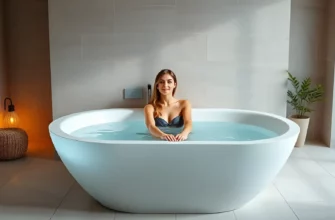
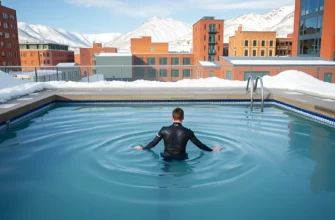
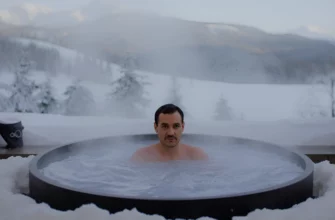
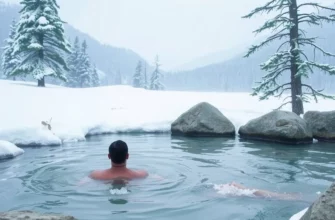
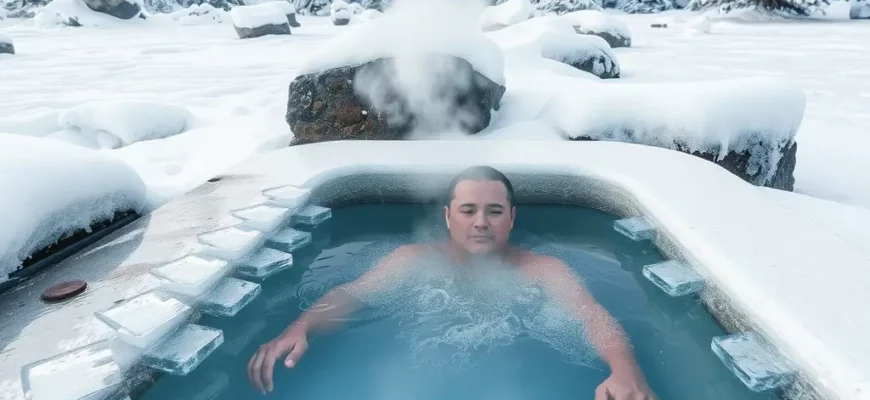
A cold plunge is far more than a test of willpower or a trendy social media challenge․ Technically known as deliberate cold exposure (DCE)‚ it involves immersing the body in water typically chilled below 59°F (15°C) for a specific therapeutic duration․ Unlike a quick cold shower‚ a plunge requires total or near-total immersion‚ creating a unique physiological environment that forces the body to adapt to an acute thermal stressor․
This practice taps into the biological principle of hormesis․ Hormesis is the concept where a brief‚ controlled dose of stress triggers a massive over-compensation in the body’s repair and defense mechanisms․ By stepping into freezing water‚ you are essentially “upgrading” your internal software‚ teaching your nervous system to remain calm under pressure while simultaneously triggering a cascade of beneficial hormones and neurotransmitters․
Where the Tradition of Cold Water Plunging Originated
While modern biohackers and elite athletes have popularized the practice‚ the roots of cold water immersion reach back thousands of years․ The Ancient Romans were among the first to formalize this‚ integrating the “frigidarium”—a large cold pool—as the final stage of their elaborate bathhouse rituals․ They understood that moving from heat to extreme cold was essential for systemic vitality and mental clarity․
In Scandinavia‚ the tradition of “avanto” or hole-in-the-ice swimming has been a cultural staple for centuries‚ often paired with the intense heat of a sauna to create a contrast therapy effect․ Today‚ what was once a survival necessity or a spiritual rite has been refined by sports science․ We see NFL players‚ Olympic swimmers‚ and high-performance CEOs using cold plunging not just for physical recovery‚ but as a tool for cognitive enhancement and emotional regulation․
The Biological Spark: What Does a Cold Water Plunge Do to Your Body?
The moment your skin hits the water‚ your body initiates a “cold shock response․” Your heart rate spikes‚ your breathing quickens‚ and your peripheral blood vessels constrict in a process called vasoconstriction․ This is a survival mechanism designed to shunt blood away from your limbs and toward your vital organs to maintain core temperature․ However‚ the real magic happens once you move past this initial panic and settle into the water․
As you remain submerged‚ your body begins to activate brown adipose tissue (BAT)‚ also known as brown fat․ Unlike white fat‚ which stores energy‚ brown fat burns it to generate heat through non-shivering thermogenesis․ This metabolic “engine” helps regulate blood sugar and increases your overall caloric burn long after you have dried off and warmed up․ The transition from the “fight or flight” sympathetic state to a deep‚ restorative parasympathetic state is what defines a successful plunge․
- Instant Neurotransmitter Surge: Cold exposure can trigger a 250% increase in dopamine levels and a 500% increase in norepinephrine‚ providing a lasting mood boost without the “crash” associated with caffeine or sugar․
- Lymphatic System Flushing: The intense pressure of the water combined with vasoconstriction acts like a manual pump for the lymphatic system‚ moving cellular waste products out of the tissues and into the circulatory system for elimination․
- Reduced Systemic Inflammation: By suppressing pro-inflammatory cytokines‚ cold plunging helps manage chronic low-grade inflammation‚ which is a primary driver of modern metabolic diseases․
- Enhanced Insulin Sensitivity: Regular exposure to cold has been shown to improve how the body processes glucose‚ making it a powerful tool for metabolic health․
How Cold Plunge Therapy Works on the Nervous System
The core of cold plunge therapy lies in its ability to tone the vagus nerve‚ the primary component of the parasympathetic nervous system․ When you submerge yourself in cold water‚ you are effectively “weightlifting” for your vagus nerve․ By consciously slowing your breath while experiencing the thermal shock‚ you teach your brain to disconnect the physical sensation of stress from the emotional reaction of panic․ Over time‚ this builds a high level of vagal tone‚ allowing you to stay calm during high-pressure situations in your daily life․
Furthermore‚ the release of norepinephrine is not just about feeling awake; it is a potent anti-inflammatory agent․ This chemical messenger helps repair damaged tissues and acts as a natural analgesic․ For those suffering from anxiety or depression‚ the sustained release of dopamine provides a natural‚ long-acting “high” that can improve focus and emotional resilience for several hours following the session․ This is why many practitioners describe the “cold plunge transformation” as a mental reset as much as a physical one․
Icy Radiance: Why You Should Consider a Cold Face Plunge
You don’t always need a full tub to reap the rewards of cold exposure; sometimes‚ just a bowl of ice water is enough․ Submerging your face in cold water triggers the mammalian dive reflex‚ an ancient biological response found in all mammals․ When the cold water hits the ophthalmic nerves around your eyes and nose‚ your heart rate immediately slows down‚ and your blood is redirected to the brain and heart․ It is the fastest way to “force-quit” a panic attack or a high-stress moment․
Beyond the mental benefits‚ the aesthetic results are significant․ Cold water causes immediate vasoconstriction in the small capillaries of the face‚ which dramatically reduces morning puffiness and under-eye bags․ It also helps to “seal” the skin’s surface‚ making pores appear smaller and providing a natural glow by stimulating a fresh surge of oxygenated blood once the face warms back up․
What Plunging Your Face in Cold Water Does for Your Skin
The skin is our largest organ‚ and it responds vigorously to thermal changes․ When you perform a face plunge‚ the sudden cold forces the skin to tighten‚ which can help improve elasticity over time․ This is particularly effective for soothing inflammatory skin conditions like rosacea or acne‚ as the cold reduces the redness and swelling associated with these issues․ It is a natural‚ chemical-free way to achieve a “lit-from-within” complexion without expensive serums․
Additionally‚ the activation of the parasympathetic nervous system via the face can lower cortisol levels․ High cortisol is a known enemy of healthy skin‚ often leading to premature aging and breakouts․ By lowering your systemic stress through a 30-second face dunk‚ you are indirectly protecting your skin’s collagen and elastin fibers․ It is a holistic approach to beauty that starts with biology rather than topical applications․
Cold Plunge vs․ Ice Bath vs․ Cryotherapy: Clearing the Confusion
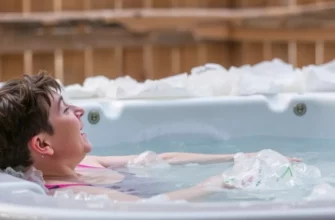
While these terms are often used interchangeably‚ they represent different modalities with varying levels of efficacy․ An ice bath is the most “DIY” version‚ usually involving a bathtub filled with tap water and several bags of ice․ A cold plunge‚ however‚ typically refers to a dedicated‚ temperature-controlled vessel that maintains a consistent temperature and often utilizes filtration and circulation to keep the water clean and moving․ This movement is key‚ as it prevents a “thermal layer” from forming around your body‚ making the cold feel much more intense and effective․
Cryotherapy‚ on the other hand‚ involves standing in a chamber filled with liquid nitrogen vapors or super-cooled air․ While cryotherapy can reach much lower temperatures (down to -200°F)‚ it lacks the hydrostatic pressure of water․ Water is significantly more conductive than air‚ meaning it strips heat away from the body 25 times faster․ For deep tissue recovery and metabolic activation‚ water immersion is generally considered superior to air-based cryotherapy․
| Feature | Cold Plunge Pool | Standard Ice Bath | Cryotherapy Chamber |
|---|---|---|---|
| Medium | Circulating Water | Still Water + Ice | Super-cooled Air/Gas |
| Temperature | 39°F – 55°F | Variable (usually 45°F+) | -160°F to -220°F |
| Cost | High (Equipment) | Low (Ice bags) | High (Per session) |
| Primary Benefit | Vagus Nerve & Metabolic | Acute Inflammation | Surface Inflammation |
Is a Cold Shower Like a Cold Plunge?
A cold shower is an excellent “gateway drug” to cold exposure‚ but it is not a direct replacement for a plunge․ The primary difference is total immersion and hydrostatic pressure․ In a shower‚ the water hits only portions of your skin at a time‚ and the air surrounding you remains relatively warm․ In a plunge‚ every square inch of your body is under constant thermal load‚ and the pressure of the water helps compress the tissues‚ aiding in lymphatic drainage in a way a shower cannot․
However‚ if you are a beginner‚ starting with a 30-second cold blast at the end of your warm shower is the best way to condition your nervous system․ It helps you practice the breathing techniques needed for a full plunge․ Just be aware that once you transition to a dedicated plunge pool‚ the intensity will be significantly higher because you cannot escape the “thermal squeeze” of the water․
The Safe Way to Start Your Cold Water Journey
Safety is paramount when dealing with extreme temperatures․ The most dangerous part of cold plunging is not the cold itself‚ but the panic response it can trigger․ Never jump into a cold plunge if you have a history of heart disease or high blood pressure without consulting a doctor‚ as the sudden spike in heart rate can be taxing․ For healthy individuals‚ the key is a slow‚ controlled entry while maintaining deep‚ diaphragmatic breathing․
One critical phenomenon to understand is afterdrop․ This occurs after you exit the water; as your blood vessels dilate‚ the cold blood from your extremities rushes back to your core‚ causing your internal temperature to continue dropping even though you are in a warm environment․ To prevent a dangerous afterdrop‚ always dry off immediately and move your body (like doing air squats or walking) to generate internal heat rather than relying solely on a hot shower․
- Check the Temp: Aim for a range between 50°F and 59°F․ Going colder isn’t necessarily better and can increase the risk of hypothermia for beginners․
- Control Your Breath: Before entering‚ take three deep breaths․ As you submerge‚ exhale slowly through your mouth to counteract the “gasp reflex․”
- Start Small: Your first few sessions should last no more than 30 to 60 seconds․ You can gradually work up to 2-3 minutes as your tolerance builds․
- Hands and Feet: If the pain is too intense‚ you can keep your hands out of the water or wear neoprene booties․ Much of our temperature sensation comes from our extremities․
- Post-Plunge Protocol: Do not jump straight into a hot sauna or shower․ Allow your body to re-warm itself naturally for 5-10 minutes to maximize the metabolic benefits․
How to Cold Plunge Your Face and Body Safely
When plunging your face‚ use a clean bowl and filtered water if possible․ Hold your breath and submerge your face for 15-30 seconds․ This is often enough to trigger the dive reflex․ For the body‚ submerge up to the neck to ensure the vagus nerve and the dense clusters of brown fat around the collarbones are activated․ Avoid submerging your head for long periods in very cold water‚ as this can lead to “brain freeze” or disorientation․
Consistency is more important than duration․ Research suggests that 11 minutes of total cold exposure per week‚ spread across 2-3 sessions‚ is the “sweet spot” for significant metabolic and hormonal improvements․ You don’t need to stay in until you are shivering uncontrollably; once you feel your breath become calm and steady‚ you have achieved the primary neurological goal of the session․
Debunking Myths: What a Cold Plunge Actually Does for Performance
There is a common misconception that cold plunging is always the best move after a workout․ While it is incredible for recovery from endurance sports or high-intensity interval training (HIIT)‚ it can actually hinder muscle growth (hypertrophy) if done too soon after a weightlifting session․ This is because the cold blunts the acute inflammatory response that signals your muscles to grow larger and stronger․
Another myth is that cold plunging will “melt” fat away instantly․ While it does boost metabolism and activate brown fat‚ it is not a magic pill for weight loss․ It should be viewed as a metabolic optimizer that works in conjunction with a proper diet and exercise routine․ The real performance benefit lies in “mental toughness”—the ability to do something difficult every day translates directly into better discipline in the gym and the office․
Myth: You should cold plunge immediately after every workout to maximize gains․
Fact: Wait at least 4 to 6 hours after strength training to plunge․ Cold water suppresses the mTOR pathway‚ which is essential for muscle protein synthesis․ Plunging too early can literally “freeze” your progress․
Myth: The colder the water‚ the better the results․
Fact: Most therapeutic benefits occur between 50°F and 55°F․ Dropping to 34°F increases the risk of nerve damage and cold shock without providing a linear increase in health benefits․
Expert Perspective: The Power of Hormetic Stress
In my professional experience‚ the most profound impact of cold plunging isn’t the physical recovery—it’s the neurological recalibration․ I always advise my clients to view the cold as a mirror․ How you react to that initial shock is exactly how you react to a stressful email or a confrontation in real life․ By practicing “calm within the storm” in the tub‚ you are building a resilient mind․ I recommend using the ‘Sobering Breath’ technique: a long‚ slow exhale the moment you hit the water․ This manually overrides the sympathetic nervous system․ However‚ I must emphasize: if you have any cardiovascular concerns‚ consult a physician before starting․ The cold shock is a massive‚ albeit beneficial‚ load on the heart․
Frequently Asked Questions
For most users‚ 2 to 5 minutes is the ideal duration․ However‚ beginners can reap significant nervous system benefits in as little as 30 to 60 seconds․
Can a cold shower replace a cold plunge?
While cold showers are a great starting point‚ they lack the hydrostatic pressure and total thermal load provided by full immersion in a plunge pool․
Why is cold plunging your face so effective?
It triggers the mammalian dive reflex‚ which instantly lowers your heart rate and activates the parasympathetic nervous system for immediate stress relief․
Is it okay to cold plunge every day?
Yes‚ it is generally safe for healthy individuals‚ but it is important to listen to your body and avoid overtaxing your central nervous system if you feel chronically fatigued․
What is the best temperature for a cold plunge?
The therapeutic “sweet spot” is between 50°F and 59°F (10°C – 15°C)․ This provides the necessary shock without the extreme risks of near-freezing water․
What is the difference between an ice bath and a cold plunge?
A cold plunge typically uses a temperature-controlled‚ filtered tub‚ whereas an ice bath is a manual process of adding ice to a standard bathtub‚ which is harder to regulate․