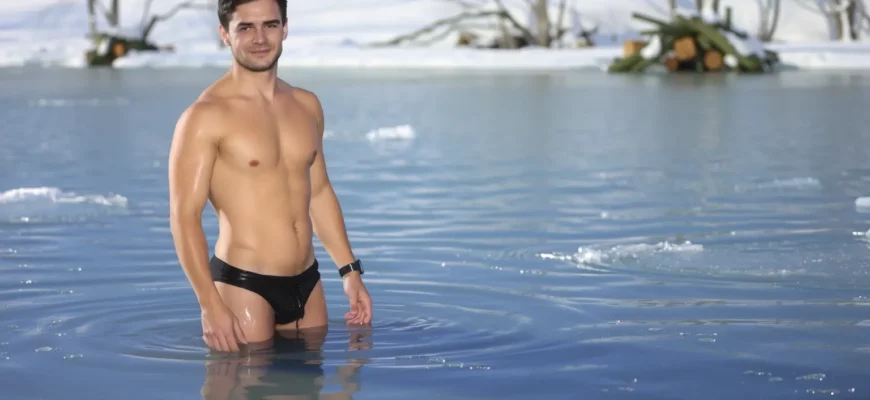
- Why the Ideal Cold Plunge Temp Varies for Everyone
- The Science of Cold Water Immersion and Your Body
- Setting Your First Cold Plunge Temp: A Beginner’s Safety Guide
- The 50 to 60 Degree Rule for Newcomers
- Expert Protocols: Huberman, Wim Hof, and Gary Brecka
- Andrew Huberman’s Focus on Resilience and Dopamine
- Does Gender Matter? The Best Cold Plunge Temp for Women vs․ Men
- Biological Factors Influencing Cold Tolerance
- Commercial Standards: What to Expect at Sweathouz, Lifetime, and Eos Fitness
- Typical Settings in Public Bathhouses and Gyms
- The Golden Ratio: Balancing Temperature with Time for Best Results
- How Long Should You Stay in Based on the Temp?
- Common Mistakes: Why Colder Isnt Always Better
- Frequently Asked Questions
Why the Ideal Cold Plunge Temp Varies for Everyone
Finding the perfect water temperature is less about a universal number and more about your specific physiological threshold․ Your ideal setting depends heavily on whether you are chasing athletic recovery, a dopamine-driven mood boost, or long-term metabolic health․
The core principle of cold water immersion is to reach a state where the water feels uncomfortably cold yet remains safe enough to stay in for several minutes․ This subjective “chilly” threshold ensures you are triggering a hormetic stress response without pushing your body into a state of panic or hypothermia․
The Science of Cold Water Immersion and Your Body
When you submerge your body in cold water, you trigger a massive release of norepinephrine, which can increase by up to 200-300%․ This chemical surge is responsible for the intense focus and “dopamine spike” many practitioners report immediately after exiting the tub․
To effectively reduce inflammation, the water must be cold enough to induce vasoconstriction, where your blood vessels tighten to redirect blood flow to your core․ This process helps flush metabolic waste from muscle tissue, though the exact temperature needed to achieve this varies based on your individual body fat percentage and previous exposure․
Metabolic health is often tied to the “shiver factor․” When your body begins to shiver, it releases succinate, a molecule that activates brown adipose tissue (BAT)․ This brown fat is thermogenic, meaning it burns calories to generate heat, helping you achieve a significant metabolic boost even after you have dried off․
Setting Your First Cold Plunge Temp: A Beginner’s Safety Guide
For those new to cryotherapy, the goal is gradual acclimatization rather than immediate mastery of freezing temperatures․ Jumping into 34°F water on day one is a recipe for cold shock, which can lead to dangerous hyperventilation or a loss of motor control․
A supportive approach involves starting with water that challenges your mind but does not overwhelm your nervous system․ By staying consistent at moderate temperatures, you build the vascular tone necessary to handle more extreme cold in the future․
- Check the thermometer: Aim for a starting range of 55°F to 60°F (13°C to 15°C)․
- Control your breath: Before entering, take three deep, slow breaths to calm your sympathetic nervous system․
- Enter slowly but decisively: Submerge up to your neck within 10 seconds to minimize the duration of the initial “gasp reflex․”
- Set a short timer: Aim for just 1 to 2 minutes for your very first session․
- Focus on the exhale: Long, slow exhales are the most effective way to manage the initial thermal stress․
- Exit and warm up naturally: Pat yourself dry and move your limbs to encourage blood flow back to the extremities․
The 50 to 60 Degree Rule for Newcomers
The 50 to 60 degree range is widely considered the standard cold plunge temperature for beginners because it provides the benefits of immersion without the high risk of cardiac stress․ At these levels, you still experience significant vasoconstriction and the mental challenge of staying calm under pressure․
Over the first two weeks, your body undergoes “cold habituation,” where the initial shock response is dampened․ Consistency is more important than intensity during this phase; plunging three times a week at 58°F is far more beneficial for your nervous system than a single, miserable session at 40°F․
Expert Protocols: Huberman, Wim Hof, and Gary Brecka
High-level biohackers and researchers have developed specific protocols tailored to different biological outcomes․ While they all agree on the efficacy of cold exposure, their recommended “sweet spots” differ based on the desired physiological adaptation․
| Expert | Recommended Temp | Primary Focus | Key Protocol |
|---|---|---|---|
| Andrew Huberman | 45°F ⎼ 55°F | Dopamine & Resilience | 11 minutes total per week |
| Wim Hof | 38°F ⎻ 45°F | Immune Function | Breathwork + 2-5 minute plunges |
| Gary Brecka | 45°F ⎼ 50°F | Biological Optimization | Daily 3-minute morning plunges |
Andrew Huberman’s Focus on Resilience and Dopamine
Stanford neuroscientist Andrew Huberman emphasizes that the optimal cold plunge water temperature is one that makes you want to get out, but you can safely stay in․ He suggests that the mental struggle of overriding the “quit” reflex is what builds true cognitive resilience․
His research highlights that the 11-minute weekly total—split into 2 to 4 sessions—is the threshold for seeing long-term increases in baseline dopamine․ To maximize this effect, he recommends an effective cold plunge temp that triggers a “steady but manageable” shiver response, as this indicates the body is working hard to maintain homeostasis․
Does Gender Matter? The Best Cold Plunge Temp for Women vs․ Men
Biological differences in body composition and hormonal profiles play a significant role in how we experience cold․ Men and women often have different distributions of subcutaneous fat, which acts as the body’s primary insulator against thermal changes․
It is common for women to feel the cold more acutely in their extremities due to different vascular patterns․ Understanding these nuances allows for a more personalized and effective protocol that avoids unnecessary suffering while still hitting the required stress markers․
Biological Factors Influencing Cold Tolerance
Women generally have a higher surface-area-to-mass ratio than men, which means they lose body heat more rapidly․ This can make a 50°F plunge feel significantly more intense for a smaller-framed woman than for a larger-framed man at the same temperature․
Hormonal fluctuations during the menstrual cycle also affect core body temperature․ During the luteal phase, a woman’s basal body temperature is slightly higher, which may actually increase cold sensitivity․ I recommend that women adjust their temperature settings by 2-3 degrees based on their comfort levels throughout the month rather than sticking to a rigid, unchanging number․
Commercial Standards: What to Expect at Sweathouz, Lifetime, and Eos Fitness
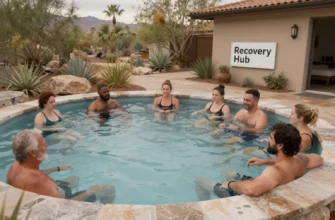
If you are using facilities at a commercial gym or recovery center, you will find that temperatures are often standardized for a broad audience; These businesses must balance the “hardcore” expectations of experienced biohackers with the safety and liability requirements of the general public․
Public tubs are also subject to heavy filtration and cooling cycles, meaning the temperature might fluctuate slightly depending on how many people have used the pool recently․ Understanding these settings helps you plan the duration of your session more accurately․
- Sweathouz: Typically maintains tubs between 45°F and 50°F for a brisk, invigorating experience․
- Lifetime Fitness: Often keeps their cold pools in the 50°F to 55°F range to accommodate a wider variety of members․
- Eos Fitness: Usually targets a standard 55°F setting, which is ideal for post-workout muscle recovery․
- Luxury Bathhouses: May offer “tiers” of cold, ranging from a 60°F cool pool to a 38°F ice bath․
Typical Settings in Public Bathhouses and Gyms
A typical cold plunge temperature in a high-traffic gym is designed to be “cold enough” to trigger the dive reflex without causing vasovagal syncope in unprepared users․ Most commercial chillers are set to 52°F because it hits the sweet spot for both inflammation reduction and safety․
In luxury recovery centers, maintenance staff prioritize water clarity and consistent cooling․ Because cold water holds less bacteria than warm water, these settings are also easier to keep sanitary, though you should always look for facilities that use UV or ozone filtration systems alongside their chilling units․
The Golden Ratio: Balancing Temperature with Time for Best Results
There is an inverse relationship between water temperature and the time you should spend submerged․ The colder the water, the less time is required to achieve the desired physiological effect․ Pushing past these limits does not provide “extra” benefits and can actually lead to nerve damage or severe afterdrop․
The “Golden Ratio” involves finding the minimum effective dose․ If the water is 40°F, you may only need 2 minutes․ If the water is 55°F, you might benefit from 5 to 8 minutes of immersion to reach the same level of core cooling․
- Do: Use a timer to track your sessions and prevent overexposure․
- Don’t: Compete with others for time; your optimum cold plunge temperature is personal to your body’s current state․
- Do: Exit the water immediately if you lose the ability to move your fingers or toes․
- Don’t: Take a hot shower immediately after plunging; let your body warm up naturally to maximize the metabolic benefits․
- Do: Keep your head above water if you are a beginner to avoid the most intense cold shock responses․
How Long Should You Stay in Based on the Temp?
For most practitioners, the 2 to 3 minute mark is the “sweet spot” at a recommended cold plunge water temperature of 45°F to 50°F․ This is usually enough time for the initial panic to subside and for the body to enter a state of calm, focused breathing․
Be aware of afterdrop, which occurs when cold blood from your extremities rushes back to your core after you exit the water․ If you stay in too long, your core temperature can continue to drop even after you are dry and dressed․ Signs you have overstayed include uncontrollable shivering that lasts more than 30 minutes or a feeling of deep, bone-chilling cold that won’t go away․
Common Mistakes: Why Colder Isnt Always Better
One of the most persistent myths in the biohacking community is that you need to be surrounded by floating ice cubes to see results․ In reality, the benefits of cold therapy—such as fat loss, mental clarity, and reduced muscle soreness—occur well before the water reaches the freezing point․
The most effective temperature is the one you will actually use․ Consistency beats intensity every single time․ If 40°F water is so miserable that you avoid doing it, you are better off setting the tub to 55°F and plunging daily․
Another common error is staying in the water until you are numb․ Numbness is a sign that you have bypassed the beneficial stress response and are entering the territory of potential tissue damage․ You want to feel the cold, not lose sensation․ The goal is to train your nervous system, not to freeze your skin․
In my professional experience as a recovery coach, I have found that the biggest hurdle to long-term success isn’t the cold itself, but the ego․ Many people start too cold, trigger a massive cortisol spike, and then burn out within a week․ I always advise my clients to find their “Minimum Effective Dose․” This is the highest (warmest) temperature that still triggers a deep, rhythmic breathing response and a slight shiver upon exit․ By staying in this zone, usually around 50°F for most adults, you ensure that the habit remains sustainable․ Remember, the best plunge is the one you actually get into tomorrow, not the one that leaves you traumatized and shivering for three hours today․
Frequently Asked Questions
To maximize fat loss, aim for temperatures between 50°F and 55°F․ This range is sufficient to activate brown adipose tissue and trigger the shivering response, which burns calories to generate heat without causing extreme cardiovascular stress․
Is 60 degrees cold enough for a cold plunge?
Yes, 60°F is an excellent starting point․ While it may not feel “icy,” it is cold enough to provide significant recovery benefits, reduce inflammation, and help beginners build the mental resilience needed for colder settings later on․
How often should I cold plunge at the ideal temp?
Following the Huberman protocol, you should aim for 11 to 15 total minutes per week․ This is best achieved by splitting the time into 3 or 4 sessions of 3 minutes each at your chosen ideal temperature․
What temp does Sweathouz keep their cold plunges at?
Most Sweathouz locations maintain their water between 45°F and 50°F․ This provides a rigorous challenge that satisfies experienced users while remaining safe for those who have some basic experience with cold immersion․
Can I cold plunge every day?
Daily plunging is safe for most healthy individuals if the duration is kept short (under 3-5 minutes)․ However, if your goal is muscle hypertrophy, avoid cold plunging immediately after strength training, as it can blunt the inflammatory response needed for muscle growth․
How do I know if the water is too cold for me?
If you experience hyperventilation that does not resolve within 30 seconds, or if you lose fine motor control in your hands and feet, the water is too cold or you have stayed in too long․ Exit immediately and warm up slowly․