- Why the ThriveX Cold Plunge is Changing the Home Recovery Game
- Unpacking the Core Features of the ThriveX System
- Quick Spec Comparison: ThriveX vs. Prodigy vs. Kalm
- Side-by-Side: Performance Metrics That Matter
- Analyzing the Heavyweights: How the Prodigy X Cold Plunge and Solbasium Compare
- Is the Solbasium Worth the Premium Investment?
- Niche Alternatives: Exploring the Kaldr and Icedoo Cold Plunge Options
- Portability and Setup: The Kaldr vs. Icedoo Debate
- The Ultimate Pros and Cons of Leading Cold Plunge Brands
- What to Consider Before Your First Dip
- Maximizing Your Results: How to Use Your Cold Plunge Safely
- Staying Safe After a Cold Plunge
- Frequently Asked Questions
Why the ThriveX Cold Plunge is Changing the Home Recovery Game
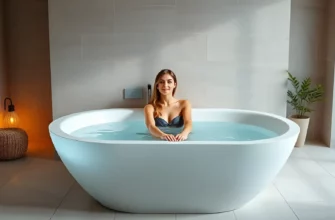
The home wellness market has shifted from simple ice buckets to sophisticated recovery stations. The ThriveX cold plunge stands at the forefront of this movement, offering a bridge between professional-grade athletic facilities and residential convenience. It is designed for those who want to move beyond the logistical nightmare of buying bags of ice every morning.
By integrating high-efficiency cooling with durable materials, this system allows for consistent immersion therapy without the manual labor. It addresses the primary barrier to cold water exposure: the friction of preparation. When your water is always at 39 degrees Fahrenheit, you are significantly more likely to stick to a daily protocol.
Unpacking the Core Features of the ThriveX System
The build quality of the ThriveX hinges on its high-pressure drop-stitch technology. This material, often found in professional paddleboards, allows the tub to be inflated to a rock-hard rigidity that feels like a permanent hard-shell unit while remaining portable. The triple-layered thermal walls ensure that once the water reaches your target temperature, it stays there with minimal energy draw from the chiller.
The chiller itself is the engine of the operation, utilizing a powerful compressor to drive water through a filtration loop. This constant circulation prevents thermal layering, ensuring the water is equally cold at the surface as it is at the bottom. For those looking for how to reduce inflammation effectively, this consistency is vital for triggering the systemic vasoconstriction required for recovery. Integrating cold therapy at home no longer requires a dedicated plumbing overhaul, as the ThriveX system operates on a standard 110V outlet.
Quick Spec Comparison: ThriveX vs. Prodigy vs. Kalm
Choosing between these three models requires looking closely at the hardware specifications rather than just the marketing aesthetics. While all three provide cold water, the speed at which they reach target temperatures and the footprint they occupy in your garage or patio vary significantly. The following data highlights the technical divergence between these leading brands.
| Feature | ThriveX (Elite) | Prodigy (Standard) | Kalm (Compact) |
|---|---|---|---|
| Chiller Power | 0.8 HP High-Efficiency | 0.5 HP Standard | 0;6 HP Compact |
| Temperature Floor | 37°F (3°C) | 40°F (4°C) | 39°F (4°C) |
| Filtration System | 20-Micron + UV-C Option | Mesh Screen Only | 5-Micron Pleated Filter |
| Setup Footprint | 150cm x 70cm | 170cm x 80cm | 120cm x 70cm |
| Material Type | Military Grade Drop-Stitch | Reinforced PVC | Dual-Wall Insulated Acrylic |
Side-by-Side: Performance Metrics That Matter
When comparing cooling speeds between the Prodigy cold plunge and ThriveX, the horsepower of the chiller is the deciding factor. In ambient temperatures of 75°F, the ThriveX 0.8 HP unit can drop water temperature by roughly 4 to 6 degrees per hour, whereas the standard Prodigy might take longer to reach those bone-chilling sub-40 levels. If you live in a warmer climate like Arizona or Florida, the cooling ceiling of your unit is the most important metric to track.
Space requirements for the Kalm cold plunge setup make it the clear winner for apartment dwellers or those with limited balcony space. It utilizes a vertical orientation, allowing the user to sit upright rather than reclined. This makes it the best cold plunge for small spaces without sacrificing the depth needed for full chest immersion. However, if you are over 6’2″, the reclined length of the ThriveX offers a more ergonomic experience for the fastest cooling ice bath sessions where full limb extension is preferred.
Analyzing the Heavyweights: How the Prodigy X Cold Plunge and Solbasium Compare
As we move into the premium tier of recovery equipment, the conversation shifts from simple cooling to advanced water chemistry and long-term durability. The Prodigy X and Solbasium models represent the “luxury” end of the spectrum, designed for high-traffic use or users who demand the absolute cleanest water possible. These units often feature integrated housing that hides the hoses and wires, providing a much cleaner aesthetic for high-end home gyms.
The Solbasium cold plunge, in particular, focuses heavily on the structural integrity of the tub. Many of their models utilize 304 stainless steel or reinforced acrylic, which offers a different tactile experience than inflatable models. While more expensive, these materials are impervious to UV degradation, making them a better choice for permanent outdoor installations where sun exposure is a constant factor.
Is the Solbasium Worth the Premium Investment?
The decision to invest in a Solbasium unit often comes down to the sanitation technology. Unlike entry-level tubs that require frequent water changes, Solbasium often integrates Ozone generators and UV-C light sterilization. This dual-stage approach kills bacteria and viruses at the molecular level, meaning you can keep the same water in the tub for months rather than weeks. For those who value clean water for cold plunges, this automation justifies the higher price point.
Furthermore, the luxury aesthetic of the Solbasium provides a “furniture” feel that inflatable models lack. However, from a purely physiological standpoint, 39-degree water in a Solbasium provides the same metabolic benefits as 39-degree water in a ThriveX. You are paying for the reduced maintenance schedule and the premium recovery equipment feel. If you plan on using the tub 5+ times a week, the time saved on cleaning and water balancing becomes a significant return on investment.
Niche Alternatives: Exploring the Kaldr and Icedoo Cold Plunge Options
Not every user needs a permanent, high-powered chiller system. The Kaldr and Icedoo models cater to a specific niche: the “weekend warrior” and the budget-conscious biohacker. These brands have gained traction by offering entry points into the world of cold water immersion therapy without the four-figure price tags associated with integrated chiller units.
The Kaldr cold plunge is often praised for its simplicity. It focuses on a “plug and play” mentality, where the setup process is streamlined for those who may want to take their tub to a local CrossFit competition or a friend’s house. Icedoo, on the other hand, frequently targets the extreme budget end of the market, often utilizing simpler insulation methods that may require more frequent ice supplementation in peak summer months.
Portability and Setup: The Kaldr vs. Icedoo Debate
When examining the ease of setup for weekend warriors, the Kaldr typically wins on port design. Their valves are compatible with standard electric pumps, and the drainage ports are positioned for rapid emptying. This is a critical feature if you are moving the unit frequently. The Icedoo models are often lighter, but this comes at the cost of thinner wall insulation. If you are using a portable ice bath setup in a garage, the Icedoo is sufficient; if it is sitting on a hot deck, the Kaldr’s superior thermal retention will save you money on ice or electricity.
The long-term durability of inflatable vs. hard-shell models is a frequent point of contention. While hard shells like the Solbasium are nearly indestructible, modern drop-stitch inflatables from Kaldr and ThriveX are surprisingly resilient. They can withstand internal pressures of up to 10-15 PSI, making them feel as solid as a piece of wood. For most users, the portability of an inflatable outweighs the permanent footprint of a hard-shell tank, especially if you move houses or need to reclaim floor space during certain seasons.
The Ultimate Pros and Cons of Leading Cold Plunge Brands
No single cold plunge unit is perfect for every scenario. A unit that excels in a professional gym might be too loud or too power-hungry for a suburban bedroom. Understanding the trade-offs between the ThriveX, Prodigy, and Solbasium is essential for long-term satisfaction.
| Brand | Primary Pros | Primary Cons |
|---|---|---|
| ThriveX | Excellent price-to-performance ratio; very durable drop-stitch. | Chiller can be slightly louder than premium models. |
| Prodigy X | Whisper-quiet operation; high-end digital controls. | Higher price point; larger footprint requires more space. |
| Solbasium | Elite sanitation (Ozone/UV); beautiful industrial design. | Very heavy; difficult to move once filled. |
| Icedoo/Kaldr | Most affordable; highly portable for travel. | Requires more maintenance; lower cooling efficiency. |
What to Consider Before Your First Dip
One often overlooked factor is the noise level of different chillers. If you plan on placing your recovery station near a bedroom or a neighbor’s window, the decibel rating of the compressor is paramount. Higher-end units like the Prodigy X use insulated compressor housings to dampen the hum, whereas budget-friendly cold immersion chillers may sound like an old refrigerator running at full tilt. Always check if the unit has a “night mode” or a programmable timer to avoid peak noise hours.
Electricity consumption concerns are also valid, though often exaggerated. A standard 0.5 HP to 0.8 HP chiller running in a temperate climate typically adds $15 to $30 to a monthly power bill. To keep your unit an energy efficient cold plunge, ensure you use a thick, insulated thermal lid whenever the tub is not in use. This prevents the “thermal leak” that forces the chiller to work overtime. The quietest ice bath chiller is usually the one that doesn’t have to run 24/7 because the tub’s insulation is doing the heavy lifting.
Maximizing Your Results: How to Use Your Cold Plunge Safely
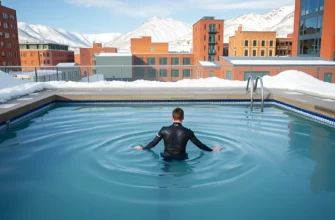
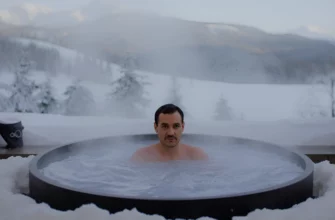
Immersion therapy is a powerful tool, but it must be respected. The goal is to trigger a hormetic stress response—a “good” stress that makes the body stronger—without crossing the line into hypothermia or cold shock. Beginners should focus on consistency over intensity; Starting at 55 degrees for three minutes is far more beneficial for long-term habit formation than doing one minute at 37 degrees and never wanting to get back in.
- Check the water temperature: Always verify the digital reading with a secondary floating thermometer to ensure accuracy.
- Focus on your breath: Use slow, controlled exhalations to bypass the initial gasp reflex.
- Keep your hands out: If the cold is too intense, keeping your hands and feet out of the water can make the session more tolerable.
- Don’t plunge alone: Especially when pushing for record-low temperatures, always have someone nearby.
- Shower before entry: This keeps oils and skin cells out of the water, extending the life of your filter.
Staying Safe After a Cold Plunge
The most dangerous part of cold therapy isn’t always the time in the water; it is the ten minutes after you get out. This is known as the afterdrop, where cold blood from your extremities begins to circulate back to your core, causing your internal temperature to continue falling even after you are in a warm room. To manage this safely, always dry off immediately and put on layers. Avoid taking a hot shower right away, as this can cause a rapid vasodilation that leads to fainting.
The ideal time and temperature for muscle recovery is generally cited as 11 total minutes per week, spread across several sessions. For most, an optimal ice bath temperature falls between 45°F and 52°F. While “biohackers” love to chase the 30s, the vast majority of anti-inflammatory benefits are achieved well before the freezing point. Learning how to stay safe in cold water is the first step toward a sustainable, multi-year recovery practice.
In my professional experience working with high-performance athletes, the single biggest factor in recovery success isn’t the specific brand of tub—it’s user compliance. The shift from manual ice-filling to automated chiller systems like those found in the ThriveX and Prodigy has revolutionized how people approach cold exposure. When you remove the “work” of preparing the bath, compliance rates jump from 20% to over 90%. I always advise clients to prioritize a unit with a robust filtration system. If the water is murky or smells, you won’t use it, regardless of the temperature. The physiological benefits of consistent 50-degree exposure far outweigh the sporadic benefits of a 38-degree bath that you only take once a month because it’s too much of a chore to set up.
Frequently Asked Questions
The ThriveX offers consistent temperature control and automated filtration, whereas traditional baths require the manual labor of buying and hauling ice. With a chiller, the water is always ready and sanitized, which is impossible with a standard tub.
Can I keep the Prodigy X cold plunge outdoors year-round?
Yes, provided you use a dedicated weather cover and ensure the chiller has proper ventilation. Most high-end units are IPX4 rated, but protecting the electronics from direct rain and snow will significantly extend the lifespan of the compressor.
How often should I change the water in a Kalm cold plunge?
With a 5-micron filter and light usage (1 person/day), you should change the water every 3 to 4 weeks. If you use an Ozone or UV-C sanitizer, you can extend this to 3 or 4 months with proper pH balancing.
What is the main difference between the Solbasium and the Icedoo models?
Solbasium is a premium, stationary unit with advanced sanitation and industrial-grade materials. Icedoo is a portable, entry-level option designed for budget-conscious users who may not need a powerful integrated chiller.
Is the Kaldr cold plunge deep enough for tall users?
Most Kaldr models are designed with a depth of at least 70-75cm, which allows users up to 6’4″ to achieve full chest immersion. However, taller users should opt for the elongated “oval” models rather than circular tubs for better leg room.
How much electricity does a typical cold plunge chiller use?
A standard 0.5 HP chiller uses approximately 450-500 Watts while active. Depending on your local utility rates, this usually results in a monthly operating cost of $15 to $25 if the tub is well-insulated.