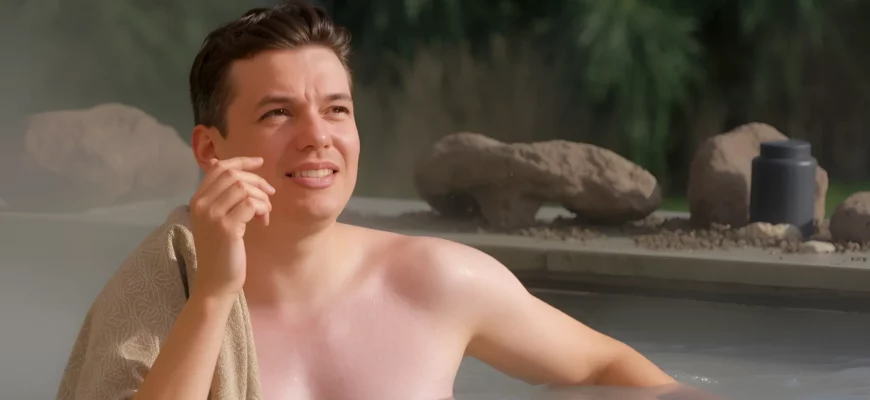
- What to do after your cold plunge to maximize your recovery
- The First Five Minutes: Movement and Drying Off
- How you feel after a cold plunge: Understanding the physical and mental shift
- Do you ever really get used to the freezing water?
- Can you use your swimming pool as a cold plunge? Pros, cons, and safety
- The reality of winter pool plunging
- Do you need to cold plunge every day to see real benefits?
- Finding your personal Goldilocks zone for cold exposure
- Staying safe: How to tell if you are overdoing your cold exposure
- When the cold stops being beneficial
- Frequently Asked Questions
What to do after your cold plunge to maximize your recovery
The moment you step out of the freezing water, your body begins a complex physiological transition. While the immersion itself provides the stimulus, the minutes following your exit are where the actual adaptation occurs. If you rush the rewarming process, you risk cutting short the metabolic benefits and potentially triggering a dangerous drop in core temperature.
- Exit the water slowly and mindfully to avoid dizziness caused by rapid blood pressure shifts.
- Pat your skin dry immediately with a towel rather than rubbing vigorously, which can irritate sensitive, vasoconstricted skin.
- Engage in low-impact movement such as air squats or the horse stance to generate internal heat through muscle contraction.
- Layer your clothing starting with extremities, putting on wool socks and a hat to trap the heat your body is now working to produce.
- Wait at least 30 minutes before seeking external heat like a hot shower or sauna to ensure your body completes its natural thermogenic cycle.
The First Five Minutes: Movement and Drying Off
The first few minutes after exiting the water are the most critical for preventing a phenomenon known as the afterdrop. When you are in the cold, your body undergoes intense vasoconstriction, pulling blood away from your limbs to protect your vital organs. Once you exit, that blood begins to circulate back to the skin, where it is cooled by the chilled tissue before returning to your core. To mitigate this, patting yourself dry is superior to rubbing, as rubbing can force cold blood back to the heart too quickly.
Instead of standing still and shivering, you should focus on how to warm up after cold exposure through active, functional movement. Engaging in five minutes of gentle air squats or walking around the room forces your large muscle groups to generate heat from the inside out. This internal furnace is what drives brown fat activation, a process where your body burns energy specifically to produce heat. If you jump straight into a hot shower, you bypass this metabolic demand, essentially “cheating” your body out of the metabolic boost and potentially increasing the risk of fainting as your blood vessels dilate too rapidly.
Preventing afterdrop is not about getting hot as fast as possible; it is about managing the rate of temperature equalization. By moving your body and layering up in dry clothes, you allow your core temperature to stabilize naturally. This patience ensures that the dopamine spike and mental clarity associated with the plunge last for hours rather than minutes.
How you feel after a cold plunge: Understanding the physical and mental shift
The post-plunge state is often described as a “high,” characterized by an intense feeling of being energized and a sharp reduction in mental fog. This isn’t just a placebo effect; it is the result of a massive surge in norepinephrine and dopamine, which can stay elevated for several hours after you have dried off. Understanding this shift helps you lean into the recovery window and use that focus for your most demanding tasks of the day.
Do you ever really get used to the freezing water?
The short answer is yes, but the experience changes from a “threat” to a “challenge.” This transition is known as cold water adaptation. Initially, your body reacts with a cold shock response—gasping for air, rapid heart rate, and a sense of panic. Over time, your vagus nerve stimulation becomes more efficient, allowing your parasympathetic nervous system to take over more quickly. You learn to maintain a calm, rhythmic breathing pattern even as the temperature drops, which translates to increased mental resilience in high-stress situations outside the tub.
As you become more adapted, you will notice that the “sting” of the water feels less like pain and more like a dull pressure. Your body becomes more efficient at thermogenesis, meaning you may find yourself shivering less or feeling warmer sooner after you exit. This adaptation indicates that your mitochondrial health is improving, as your cells become better at producing energy and heat. The feeling of being energized after a session becomes more consistent, and the initial “brain fog” that some beginners experience is replaced by sustained mental clarity.
The post-plunge high typically peaks about 30 to 60 minutes after the session. During this time, your blood flow is returning to a normal state, and the massive release of endorphins provides a natural analgesic effect, reducing muscle soreness and joint pain. This is why many athletes prefer cold exposure after high-intensity training; it provides a systemic “reset” that dampens inflammation while sharpening the mind for the rest of the day.
Can you use your swimming pool as a cold plunge? Pros, cons, and safety
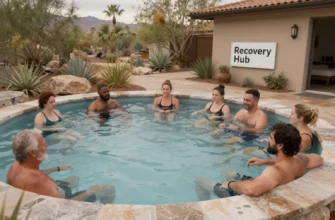
Using a backyard pool for cold therapy is a popular entry point for many enthusiasts, especially during the winter months. However, a standard pool behaves very differently than a dedicated, insulated plunge tub. While the sheer volume of water provides a stable temperature, it also presents unique challenges regarding maintenance and safety that you must address to avoid injury or illness.
| Feature | Dedicated Cold Plunge Tub | Standard Backyard Pool |
|---|---|---|
| Temperature Control | Highly precise; can be set to the exact degree. | Dependent on ambient weather; very difficult to adjust. |
| Thermal Mass | Low; water warms up slightly as you sit in it. | High; the water will not warm up regardless of your body heat. |
| Chemical Balance | Minimal chemicals needed; easy to drain and refill. | Requires constant chlorine/salt monitoring; skin irritation risk. |
| Safety | Easy to exit; usually shallow enough to stand. | Risk of entrapment or difficulty climbing out when numb. |
| Cost | High upfront cost for the unit. | Free (if you already own one), but higher winter maintenance. |
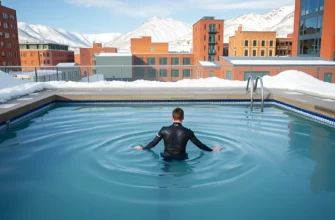
The reality of winter pool plunging
When considering backyard pool cold therapy, the biggest factor is thermal mass. Because a swimming pool contains thousands of gallons of water, it will strip heat from your body much faster than a small tub. This makes the risk of hypothermia or the afterdrop effect significantly higher if you stay in too long. You should never plunge alone in a large pool, as the cold shock response can occasionally lead to muscle cramping or a loss of motor control, making it difficult to reach the ladder or steps.
Winter swimming safety also involves managing the chemicals in your water. Cold water does not “kill” bacteria as effectively as many think, and standard pool filters may struggle in freezing temperatures. Furthermore, chlorine and salt can be harsher on the skin when your pores are tightly constricted from the cold. If you choose to use your pool, ensure you have a clear path to a warm, dry area and that someone is nearby to monitor your exit. Always check the water temperature with a dedicated thermometer rather than guessing, as 45°F feels remarkably similar to 55°F to the naked skin but has vastly different safety limits.
Do you need to cold plunge every day to see real benefits?
There is a common misconception that more is always better when it comes to biohacking. However, cold exposure is a hormetic stressor—a controlled amount of stress that triggers a positive adaptation. If you overdo it, you move from “optimization” into “chronic stress,” which can actually suppress your immune system and stall your recovery. Finding the frequency that works for your specific lifestyle and goals is more important than hitting a daily streak.
Finding your personal Goldilocks zone for cold exposure
Current research, specifically the “Soberg Principle,” suggests that the minimum effective dose for metabolic benefits is roughly 11 minutes of total cold exposure per week, spread across two to three sessions. This cumulative approach is often more sustainable than daily cold exposure, as it allows your nervous system to fully recover between sessions. If your goal is brown fat activation and metabolic boost, three sessions of four minutes each is often more effective than seven sessions of 90 seconds.
You must also consider your workout schedule. Research indicates that cold immersion immediately following hypertrophy (muscle growth) training can actually blunt the inflammatory signals required for muscle protein synthesis. If your primary goal is building size, wait at least 4 to 6 hours after lifting before you plunge. Conversely, if your goal is pure recovery from a cardiovascular event or an endurance race, the cold can be used much sooner to flush metabolic waste and reduce systemic inflammation.
Listen to your body’s signals to determine your optimal plunge frequency. If you find yourself feeling chronically tired, having trouble sleeping, or if your skin remains cold to the touch for hours after a session, these are signs your body needs a rest day. The goal is to feel invigorated, not exhausted. For most people, 3 to 4 times a week provides the perfect balance of mental resilience and physiological adaptation without overtaxing the adrenal system.
Staying safe: How to tell if you are overdoing your cold exposure
The “tough it out” mentality can be dangerous in sub-50°F water. While pushing your limits is part of the appeal, there is a definitive point where the cold stops being a health tool and becomes a liability. Safety must always take precedence over the timer, and knowing when to get out is a more important skill than knowing how to stay in.
Warning Signs of Over-Exposure:
- Loss of fine motor skills: If you cannot touch your pinky to your thumb, your peripheral nerves are too cold.
- Violent, uncontrollable shivering: This is a sign your core temperature is dropping too fast.
- The “Umbles”: Stumbling, mumbling, or fumbling are early indicators of mild hypothermia.
- A feeling of warmth: If you suddenly feel “toasty” while in freezing water, exit immediately; this is a sign of thermoregulatory failure.
- Skin color shifts: While redness is normal (vasodilation upon exit), gray or white patches can indicate the onset of frostnip.
When the cold stops being beneficial
The danger of competitive plunging—trying to stay in longer than a friend or a social media influencer—cannot be overstated. Safe time limits are highly individual and depend on your body fat percentage, your level of cold adaptation, and even how much sleep you had the night before. Staying in for 10 minutes at 40°F does not provide “double the benefits” of 5 minutes; in fact, it may trigger a massive cortisol spike that leaves you feeling drained and anxious for the rest of the day.
For metabolic health, the goal is to trigger non-shivering thermogenesis. Once you reach the point of violent shivering, you have moved into a different physiological state. While shivering does burn calories, it also indicates that your body is struggling to maintain its core temperature. To maximize the recovery window, aim for the shortest time necessary to achieve the “mental pop”—that feeling of clarity and calm. For most people, this occurs between 2 and 5 minutes. Longer is not always better, and pushing into the 10-minute range frequently offers diminishing returns while significantly increasing the risk of afterdrop.
In my professional experience, the biggest mistake people make isn’t what they do in the water, but what they do in the ten minutes after they leave it. I always advise my clients to utilize the Horse Stance—a wide-legged, deep squat position used in martial arts—immediately upon exiting. This stance engages the largest muscle groups in the body, forcing them to generate internal heat through isometric tension. I have found that relying on external heat sources like a sauna or a hot shower too quickly actually causes the cold blood in your extremities to rush back to your heart all at once, which is exactly how you trigger a severe afterdrop. By generating your own heat first, you ensure that your core temperature remains stable and that you maximize the calorie-burning benefits of the plunge.
Frequently Asked Questions
You should wait at least 20 to 30 minutes before taking a warm shower. This delay forces your body to use its own thermogenic processes to warm up, which maximizes the metabolic benefits and brown fat activation.
Is it okay to cold plunge if I have a cold or the flu?
No, it is generally not recommended to plunge while acutely ill. While cold exposure can strengthen the immune system over time, it is a significant physical stressor that can overwhelm a body already taxed by fighting an active infection.
Why do I feel so tired after a cold plunge instead of energized?
This is often a parasympathetic rebound. Your body uses a tremendous amount of energy to restore your core temperature; for beginners, this energy expenditure can result in temporary fatigue as the nervous system resets.
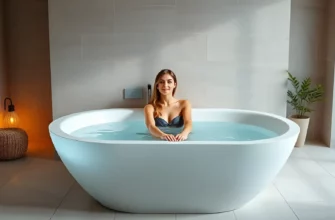
Can I use a regular bathtub with ice instead of a pool?
Yes, a standard bathtub with ice is highly effective and often safer than a pool. It allows for much better temperature regulation and is easier to exit quickly if you begin to feel over-exposed.
What is the best thing to drink after getting out of the cold?
Opt for room-temperature or slightly warm herbal tea. Avoid boiling hot liquids immediately, as they can be a shock to the system; gentle warmth helps raise your internal temperature gradually from the inside out.