- The Full Submersion Debate: Should You Dunk Your Head in a Cold Plunge?
- Activating the Mammalian Dive Reflex
- Potential Risks of Getting Your Head Wet
- Head In vs. Head Out: Which Method Wins?
- Cold Therapy While Sick: Should You Plunge with a Cold?
- When Cold Exposure Might Hinder Recovery
- Managing Your Cycle: Can You Cold Plunge on Your Period?
- Soothing Period Cramps with Cold Therapy
- Skin Safety and Exposure: Should You Cold Plunge Naked?
- Protecting Sensitive Areas from Extreme Cold
- The Golden Rules for Your First Head Submersion
- Common Mistakes People Make When Getting Their Head Wet
- Expert Perspective: Deliberate Cold Exposure
- Frequently Asked Questions
The Full Submersion Debate: Should You Dunk Your Head in a Cold Plunge?
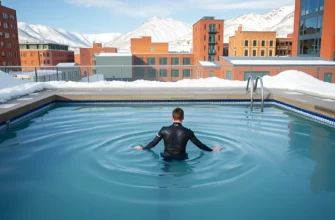
Stepping into a tub of 45-degree water is a feat of mental and physical fortitude‚ but the question of whether to submerge your head remains a point of contention among biohackers and athletes. While some swear by the total-body “reset” that comes with a full dunk‚ others caution against the intense physiological shock that follows when the brain’s primary cooling sensors are suddenly overwhelmed.
The decision to get your hair wet isn’t just about comfort; it is about how you want your autonomic nervous system to respond to the stressor. For many‚ the goal is to bridge the gap between the initial flight-or-fight response and a state of profound calm‚ a transition that is significantly accelerated when the face and scalp meet the icy water.
However‚ the head is home to some of the body’s most sensitive thermal receptors. Rapid cooling here can lead to a phenomenon known as “brain freeze” on a massive scale‚ or more seriously‚ an intensified afterdrop where your core temperature continues to plummet after you have already exited the water. Understanding the mechanics of your body’s survival reflexes is key to deciding if full submersion is right for your specific session.
Activating the Mammalian Dive Reflex
The primary reason enthusiasts advocate for head dunking is to trigger the mammalian dive reflex. This is an evolutionary survival mechanism shared by all air-breathing vertebrates‚ which prioritizes oxygen distribution to the heart and brain when the face is submerged in cold water.
When the ophthalmic branch of the trigeminal nerve—located around your eyes and forehead—detects a sharp drop in temperature‚ it sends an immediate signal to the brainstem. This results in lowering your heart rate by 10% to 25% almost instantly‚ a process known as bradycardia. By intentionally triggering this reflex‚ you can force your body out of a high-stress sympathetic state and into a parasympathetic state‚ effectively calming the nervous system even while the rest of the body is under thermal stress.
Furthermore‚ this reflex stimulates the vagus nerve‚ the “command center” for your body’s relaxation response. Frequent vagus nerve stimulation through cold face dunking has been linked to improved heart rate variability (HRV) and better emotional regulation. If you find that your heart is racing uncontrollably during a plunge‚ a quick 5-second face dunk can often force your pulse to stabilize and your breathing to deepen.
Potential Risks of Getting Your Head Wet
While the dive reflex is beneficial‚ it comes with a trade-off: the cold shock response. For the uninitiated‚ dunking the head can trigger an involuntary gasp reflex. If this happens while your mouth and nose are underwater‚ the risk of inhaling water is real. This is why you should never dunk your head the moment you step into the water; always wait until your breathing is under control.
Another concern is the “afterdrop” effect. The head has a high surface-to-volume ratio and receives a massive amount of blood flow. When you cool the scalp and face rapidly‚ the blood in those areas chilled by the water eventually returns to the core once you exit. This can cause your core body temperature to continue falling for up to 30 minutes after you are dry‚ leading to intense shivering or even disorientation if you aren’t prepared with warm layers and movement.
Additionally‚ the sudden constriction of blood vessels in the head can lead to “cold-stimulus headaches.” These are not just uncomfortable; they can be disorienting. If you have a history of migraines or ear issues like “surfer’s ear” (exostosis)‚ frequent head submersion can exacerbate bone growth in the ear canal or trigger a multi-day headache. Staying safe after a cold plunge requires monitoring how your head specifically reacts to the temperature‚ as it may be more sensitive than your torso or limbs.
Head In vs. Head Out: Which Method Wins?
Choosing your method depends entirely on your goals for the day. Are you looking for a quick metabolic boost‚ or are you trying to train your brain to handle acute stress? The table below breaks down the functional differences between keeping your head dry and going for the full submerge.
| Feature | Head Above Water | Full Submersion (Head In) |
|---|---|---|
| Primary Benefit | Longer duration possible; easier breathing control. | Instant vagal tone activation; mental “reset.” |
| Metabolic Impact | High; focuses on brown adipose tissue in the neck/back. | Extreme; forces total body thermoregulation. |
| Safety Risk | Minimal; low risk of gasping or fainting. | Higher; risk of cold shock and afterdrop. |
| Post-Plunge Recovery | Fast; head stays warm‚ core stabilizes quickly. | Slower; requires immediate head covering/drying. |
| Best For | Beginners‚ recovery from illness‚ or long soaks. | Advanced practitioners‚ high-stress days‚ or HIIT. |
Cold Therapy While Sick: Should You Plunge with a Cold?
There is a persistent myth that you can “shock” a cold out of your system by jumping into an ice bath. While deliberate cold exposure is an excellent tool for supporting your immune system when you are healthy‚ using it while actively fighting a virus is often counterproductive. When you are sick‚ your body is already diverting massive amounts of energy to your immune cells to fight off the pathogen.
Introducing the extreme stress of a cold plunge forces the body to prioritize thermoregulation over immune defense. The metabolic cost of trying to maintain a core temperature of 98.6°F in 40-degree water is immense. If you are already running a low-grade fever or feeling fatigued‚ a cold plunge can deplete your energy reserves‚ potentially extending the duration of your illness rather than shortening it.
When Cold Exposure Might Hinder Recovery
One of the biggest risks of plunging while sick is the spike in cortisol. While short-term cortisol spikes can be anti-inflammatory‚ the extreme stress of an ice bath can lead to a temporary suppression of T-cell activity. If you are wondering can you cold plunge with a cold‚ the answer is generally no; you risk turning a minor sniffle into a more significant respiratory infection by blunting your body’s natural defense mechanisms.
Furthermore‚ if you have a fever‚ your “internal thermostat” (the hypothalamus) has intentionally raised your body temperature to kill the virus. Forcing that temperature down with external ice water can interfere with the body’s natural healing process and lead to dangerous shivering fits. It is far better to focus on hydration and rest‚ saving the cold therapy for when you are at 100% and looking to build future resilience.
Managing Your Cycle: Can You Cold Plunge on Your Period?
Many women find that cold plunging is a powerful tool for managing the hormonal fluctuations and physical discomfort associated with their menstrual cycle. However‚ the experience can feel very different depending on which phase of your cycle you are in. During the follicular phase (post-period)‚ your tolerance for cold is usually higher. During the luteal phase (pre-period)‚ your basal body temperature is higher‚ and the cold may feel significantly more biting and uncomfortable.
Hygiene is a common concern‚ but it is easily managed. Using a menstrual cup or a tampon allows for a perfectly sanitary plunge. From a physiological standpoint‚ the cold water causes systemic vasoconstriction‚ which can actually help reduce the heavy‚ congested feeling in the pelvic region that many women experience during their period. It is a natural way to shift the body’s focus from internal cramping to external sensory input.
Soothing Period Cramps with Cold Therapy
While heat is the traditional remedy for cramps‚ cold therapy offers a different mechanism of relief. By inducing vasoconstriction‚ the cold can reduce the inflammation caused by prostaglandins‚ the chemicals responsible for uterine contractions. Many women report that a short‚ 2-minute plunge significantly dulls the “background noise” of period pain for several hours afterward.
Beyond the physical benefits‚ the mental health boost is significant. The release of endorphins and norepinephrine during a plunge can help counteract the mood swings and lethargy often associated with menstruation. If you feel particularly drained‚ keep the session short—perhaps 1 minute—to get the dopamine hit without overtaxing your energy. Managing period pain naturally through cold exposure is about listening to your body; if the thought of the cold feels repulsive one day‚ it’s okay to skip it and return when your energy levels have stabilized.
Skin Safety and Exposure: Should You Cold Plunge Naked?
The question of whether to wear swimwear or go “full Viking” is more than just a matter of modesty. Clothing‚ even a thin layer of spandex‚ creates a micro-layer of water against your skin that your body slightly warms up. When you plunge naked‚ there is no barrier; the water moves freely across your skin‚ increasing the rate of heat loss and the intensity of the stimulus. For those seeking the most “honest” and intense experience‚ naked plunging is the gold standard.
However‚ nakedness also means that your most sensitive tissues are directly exposed to the ice. In standard cold plunges (45°F to 55°F)‚ the risk is low. But if you are using a DIY chest freezer or a natural ice hole where temperatures are near freezing‚ protecting your skin becomes a safety priority. The extremities—fingers‚ toes‚ and sensitive genital tissues—have less fat for insulation and are the first to lose blood flow during vasoconstriction.
Protecting Sensitive Areas from Extreme Cold
Certain tissues are more prone to cold injury because they lack a thick epidermal layer; In extremely cold baths (below 38°F)‚ some practitioners find that wearing neoprene booties or even “modesty” covers can prevent the painful stinging that occurs in sensitive areas. This stinging is often a warning sign of peripheral nerve irritation or the very early stages of frostnip.
If you choose to plunge naked in an outdoor setting during winter‚ be aware of the “air-to-water” transition. Wet skin exposed to sub-freezing air is at a much higher risk for frostbite than skin submerged in 40-degree water. To stay safe‚ always have a robe or towel immediately accessible. Protecting your skin is about finding the balance between the benefits of the full experience and the practical realities of thermal injury; if a specific body part starts to feel “wooden” or completely numb‚ it is time to get out.
The Golden Rules for Your First Head Submersion
If you have been keeping your head dry and are ready to try the full dunk‚ you need a strategy. This isn’t something to rush. Your first head submersion should be controlled‚ timed‚ and performed with a clear exit strategy in mind.
- Master your breath first: Never dunk your head until you have spent at least 60 seconds in the water and your breathing has transitioned from short gasps to deep‚ rhythmic belly breaths;
- The “Five-Second Rule”: For your first time‚ limit your head submersion to no more than five seconds. This is enough to trigger the dive reflex without causing a massive afterdrop.
- Plug your nose or exhale: To prevent water from being forced into your sinuses‚ exhale slowly through your nose as you go under‚ or use a nose clip.
- Dry the head immediately: The moment you exit the tub‚ vigorous drying of the hair and scalp is mandatory. A wet head in the wind will dump heat from your core faster than almost anything else.
- Don’t dive: Gently lower your head into the water. Diving headfirst into a cold tub can cause a “concussive” shock to the system and increases the risk of hitting the bottom or sides.
Common Mistakes People Make When Getting Their Head Wet
Even experienced plungers can get overconfident when it comes to head submersion. Avoiding these common pitfalls will ensure your recovery practice remains a benefit rather than a liability.
Mistake 1: Holding your breath before you go under. Many people take a huge gulp of air and hold it. This can increase intrathoracic pressure and‚ when combined with the cold shock‚ may lead to fainting. Instead‚ take a normal breath and exhale as you submerge.
Mistake 2: Plunging alone while sick. As discussed‚ the body is compromised during illness; If you insist on plunging with a cold‚ never do it alone. The risk of dizziness or fainting is significantly higher when your blood pressure is already fluctuating due to infection.
Mistake 3: Staying under too long. There is no extra credit for keeping your head under for a minute. The benefits of the dive reflex happen within seconds. Exceeding 10-15 seconds of head submersion significantly increases the risk of “brain freeze” and a dangerous drop in core temperature.
Mistake 4: Ignoring the ears. Cold water in the ear canal can cause vertigo (caloric reflex test). If you are prone to dizziness‚ wear silicone earplugs to keep the cold water from reaching the inner ear.
Expert Perspective: Deliberate Cold Exposure
In my professional experience as a recovery coach‚ I have found that the head is the “volume knob” for the entire cold plunge experience. I always advise my clients to treat head dunking as an advanced progression‚ not a day-one requirement. The head contains the body’s most sensitive thermal sensors‚ and for many‚ a full dunk can be the difference between a successful session and a panic-induced exit. I have coached hundreds of athletes who found that splashing cold water on their face before getting in provides 60% of the benefits of a head dunk with 0% of the risk. Remember‚ more is not always better; the goal is to trigger a response‚ not to overwhelm your capacity to recover. Always listen to your “inner thermostat”—if you feel a deep‚ throbbing ache in your temples‚ your body is telling you to keep your head above the surface for the remainder of the session.
Frequently Asked Questions
Keep your head submerged for only 5 to 10 seconds. This is sufficient time to activate the mammalian dive reflex while minimizing the risk of a severe core temperature afterdrop or disorientation.
Will dunking my head help with migraines?
It can go either way; the vasoconstriction may reduce inflammatory pain‚ but the extreme cold often triggers “cold-stimulus headaches.” Approach with caution if you are migraine-prone and start with just a face splash.
Is it safe to cold plunge every day during my period?
Yes‚ it is generally safe‚ but you must listen to your energy levels. If you feel particularly fatigued or “depleted‚” a high-stress cold plunge might be too taxing for your nervous system during that time.
Can a cold plunge make a fever worse?
Yes. You should never cold plunge with a fever. It interferes with your body’s natural heat-regulation process and can cause your immune system to stall as it prioritizes maintaining core temperature.
Do I need to wear a hat if I don’t dunk my head?
If you are plunging outdoors in cold air‚ wearing a wool beanie can help retain core heat. This allows you to stay in the water longer to reap the metabolic benefits without your core temperature dropping too fast through your scalp.
Can you get frostbite on your labia or sensitive areas during an ice bath?
While rare in standard 40-50°F tubs‚ it is possible in sub-40°F water or if wet skin is exposed to freezing air. Limit naked exposure in extreme temperatures and exit immediately if you feel intense stinging or numbness.