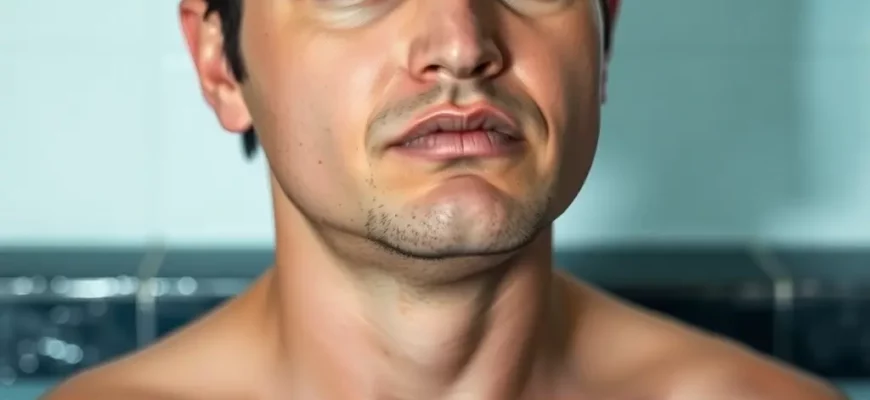
- Is Cold Plunging Safe if You Have Atrial Fibrillation?
- How Sudden Cold Immersion Impacts Your Heart Rhythm
- Safety Protocols: Your Cold Water Readiness Checklist
- Essential Steps Before You Take the Plunge
- The Vitality Connection: Cold Plunging and Male Sexual Health
- Improving Blood Flow and Managing Erectile Dysfunction
- Sperm Quality and Prostate Health Considerations
- Strengthening Follicles: Can Cold Water Stop Hair Loss?
- Promoting Growth by Strengthening Hair Follicles
- The Role of Cold Plunge Hats for Men
- Separating Fact from Fiction in Cold Therapy
- Common Misconceptions About Ice Baths
- Real Experiences: What Users Say About Heart and Sex Health
- Lessons from the Cold Water Community
- Expert Perspective: Cold Stress and Cardiac Health
- Frequently Asked Questions
Is Cold Plunging Safe if You Have Atrial Fibrillation?
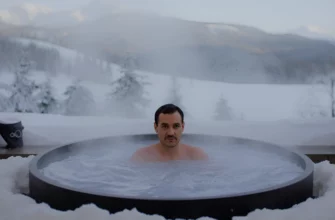
The rise of deliberate cold exposure has sparked a global movement toward better metabolic health and mental resilience. However, for individuals living with Atrial Fibrillation (AFib), the transition from a warm environment to an ice-filled tub is not just a challenge of willpower; it is a significant cardiac event.
The heart’s electrical system is highly sensitive to sudden environmental shifts. When you submerge your body in water below 50°F, you trigger a physiological chain reaction that can either strengthen your vascular system or, in the case of those with pre-existing arrhythmias, lead to dangerous complications.
How Sudden Cold Immersion Impacts Your Heart Rhythm
When your skin hits freezing water, you experience what scientists call the cold shock response. This causes an immediate, involuntary gasp and a massive spike in heart rate and blood pressure within seconds of immersion. For a healthy heart, this is a manageable stressor, but for someone with atrial fibrillation, this surge can act as a direct trigger for an episode of irregular heart rhythms.
The primary danger lies in a phenomenon known as autonomic conflict. Your body simultaneously activates the sympathetic nervous system (fight or flight) to keep you warm and the parasympathetic system (the diving reflex) to slow your heart rate under water. This physiological tug-of-war can confuse the heart’s electrical signaling, potentially pushing a stable heart into a chaotic AFib rhythm.
Staying safe after a cold plunge is just as critical as the entry itself. As you exit the water, your blood vessels begin to dilate rapidly, which can cause a sudden drop in blood pressure. For those managing AFib, this fluctuation in pressure can lead to dizziness or further palpitations, making the rewarming process a high-risk window that requires careful monitoring.
Safety Protocols: Your Cold Water Readiness Checklist
If you have a history of heart concerns but still want to explore the benefits of cryotherapy, you must move with extreme calculation. You should never treat cold plunging as a “no pain, no gain” activity, especially when your cardiovascular stability is on the line.
The following checklist is designed to minimize the risk of a cardiac event while allowing you to acclimate to the thermal stress. Always prioritize internal signals over a timer; if your heart feels like it is skipping beats or fluttering, exit the water immediately and seek a stable environment.
- Get Medical Clearance: You must consult your cardiologist specifically about cold shock. Ask if your current medication, such as beta-blockers, might interfere with your body’s ability to regulate temperature.
- The Buddy System is Mandatory: Never plunge alone if you have AFib. You need a spotter who understands the signs of a cardiac episode and can assist you out of the tub if you become disoriented.
- Monitor Water Temperature: Start with “cool” water (around 60°F) rather than jumping into a 40°F slurry. Gradual acclimation over several weeks is the only way to safely train your vagus nerve without overwhelming the heart.
- Control Your Breath: Focus on long, slow exhalations before and during the plunge. This helps suppress the initial gasping reflex and keeps the sympathetic nervous system from spiraling out of control.
- Focus on Inflammation: Use the plunge as a tool for how to reduce inflammation, but keep sessions short. Research suggests that two to three minutes is often sufficient to trigger a systemic anti-inflammatory response without overtaxing the heart.
Essential Steps Before You Take the Plunge
Preparation begins long before you touch the water. You should avoid caffeine or any stimulants for at least four hours before a plunge, as these can increase the likelihood of cold-induced palpitations. Ensure you are well-hydrated, as dehydration thickens the blood and increases the workload on a heart already struggling with rhythm issues.
Strictly monitoring the duration of your immersion is vital for cold water safety. Many beginners make the mistake of staying in too long to “prove” their toughness, but for an AFib patient, extended exposure increases the risk of afterdrop. This occurs when cold blood from the extremities rushes back to the core, causing a secondary drop in heart temperature that can trigger late-onset arrhythmias.
The Vitality Connection: Cold Plunging and Male Sexual Health
While the heart remains the primary concern for safety, many men are drawn to cold therapy for its purported effects on sexual health and hormonal balance. The relationship between cold exposure and “manhood” is rooted in the body’s vascular and endocrine responses to acute stress.
By forcing the body to adapt to extreme temperatures, you are essentially “working out” your blood vessels. This improved vascular tone has a direct ripple effect on everything from libido to reproductive health, provided the practice is done consistently and safely.
Improving Blood Flow and Managing Erectile Dysfunction
Erectile function is fundamentally a game of hydraulics. When you enter a cold plunge, you experience intense vasoconstriction, where blood is shunted away from the skin and extremities to protect the internal organs. This is followed by vigorous vasodilation upon exiting, which flushes the tissues with fresh, oxygenated blood.
This “vascular gymnastics” helps maintain the health of the endothelium, the thin lining of your blood vessels. A healthy endothelium is essential for the production of nitric oxide, which allows for the blood flow necessary to maintain an erection. Furthermore, the massive release of dopamine and norepinephrine during a cold plunge can significantly boost sex drive and mental focus, addressing the psychological components of ED.
Sperm Quality and Prostate Health Considerations
The biology of the male reproductive system is designed to keep the testicles cooler than the rest of the body. Modern lifestyle factors, such as tight clothing and long periods of sitting, often lead to scrotal overheating, which is a leading cause of low sperm count and poor motility. Utilizing a cold plunge for testicles can help reset the local temperature environment, potentially supporting better spermatogenesis.
Regarding the prostate, chronic inflammation is often the culprit behind discomfort and urinary issues. While research is ongoing, the systemic anti-inflammatory effects of cold therapy may offer relief. Some men find that regular immersion reduces the pelvic tension and inflammation associated with non-bacterial prostatitis, though this should be viewed as a supportive therapy rather than a primary treatment.
Strengthening Follicles: Can Cold Water Stop Hair Loss?
The quest for a thicker head of hair has led many to the ice bath. While cold water won’t miraculously grow hair on a completely bald scalp, it plays a fascinating role in hair health and follicle preservation. The secret lies in how the scalp responds to the sudden drop in temperature.
By focusing on the scalp’s environment, cold plunging serves as a natural vasodilator that can improve the delivery of nutrients to the root of the hair. It is a holistic approach to scalp care that complements traditional topical treatments.
Promoting Growth by Strengthening Hair Follicles
Cold water works to seal the hair cuticle, making the hair appear smoother and more reflective. Beyond the aesthetic, the real magic happens beneath the surface. The intense rush of blood to the scalp following cold exposure ensures that hair follicles receive a concentrated dose of oxygen and minerals, which are the building blocks of hair growth.
Furthermore, cold water helps regulate sebum production. Hot water can strip the scalp of its natural oils, leading to a dry, inflamed environment that can exacerbate hair loss. Cold plunges for hair health offer a way to cleanse the scalp without damaging the protective lipid barrier, creating the ideal conditions for the hair to stay in the growth (anagen) phase longer.
The Role of Cold Plunge Hats for Men
You may have noticed seasoned “ice bathers” wearing wool beanies while submerged in freezing water. This isn’t just a fashion choice; it is a strategic move to prevent excessive heat loss through the head. Since the scalp is highly vascular, you can lose up to 10% of your body heat through your head in a matter of minutes.
Using cold plunge hats for men allows you to stay in the water longer to reap the hormonal and metabolic benefits while still exposing the lower half of the scalp to the cold. This prevents the “brain freeze” sensation and protects the core temperature, which is especially important for those who need to keep their cardiovascular stress levels within a safe range.
Separating Fact from Fiction in Cold Therapy
The “biohacking” community often exaggerates the results of cold therapy, turning a useful tool into a mythical panacea. It is important to look at the clinical reality to ensure your expectations—and your safety—are rooted in science rather than social media trends.
| The Myth | The Scientific Reality |
|---|---|
| Cold plunging instantly triples your testosterone levels. | Cold exposure causes a temporary spike in luteinizing hormone, but long-term testosterone increases are more likely due to improved sleep and reduced cortisol, not the ice itself. |
| Ice baths can “reset” and cure Atrial Fibrillation. | This is dangerously false. Cold shock is a known trigger for AFib episodes. It is a stressor to be managed, not a cure for heart rhythm disorders. |
| You need to stay in for 10+ minutes for it to work. | Most metabolic and mental health benefits peak within 2 to 5 minutes. Staying in longer only increases the risk of hypothermia and cardiac strain. |
Common Misconceptions About Ice Baths
One of the most persistent claims is that cold plunging is a direct treatment for chronic illnesses. While it is excellent for recovery and mood, it is not a replacement for medical intervention. For instance, real user cold plunge testimonials often highlight a “feeling of being healed,” which is usually the result of a massive endorphin dump rather than the underlying condition being cured.
Another misconception is that the “shiver” is bad. In reality, shivering is a metabolic goldmine. It triggers the release of succinate, a molecule that helps burn brown adipose tissue (fat). If you are plunging for weight loss or metabolic health, allowing your body to shiver naturally after the plunge is more beneficial than immediately jumping into a hot shower.
Real Experiences: What Users Say About Heart and Sex Health
The community of cold water enthusiasts provides a wealth of anecdotal evidence that helps bridge the gap between clinical studies and daily life. Many men report that the mental clarity gained from the cold has a direct impact on their confidence and performance in other areas of life, including their relationships.
However, these stories also serve as a warning. Users who have ignored their heart’s signals often describe “scary” episodes of racing pulses that took hours to resolve. Learning from these collective experiences is vital for anyone starting their own practice.
Lessons from the Cold Water Community
In various forums and real user cold plunge testimonials, a common theme is the “afterglow” effect. Men frequently report that a morning plunge leads to increased energy and a higher libido throughout the afternoon. This is likely due to the sustained reduction in cortisol levels, as chronic stress is a known “killer” of healthy sex drive.
For those navigating cold plunge sex benefits, the consensus is that consistency matters more than intensity. Users who plunge 3-4 times a week at moderate temperatures report better results than those who do a “one-off” extreme session. For the heart-conscious, the community advice is clear: never compete with others. Your only goal is to master your own body’s response to the cold.
Expert Perspective: Cold Stress and Cardiac Health
In my professional experience, I have seen the incredible metabolic benefits of cold therapy, but I must emphasize that the “shock” in cold shock response is literal. For an individual with Atrial Fibrillation, the sudden activation of the sympathetic nervous system can be like throwing a wrench into a delicate clock. I always advise my patients that medical supervision and a slow, stepped approach are non-negotiable. If you have a history of AFib, your first “plunge” should be a lukewarm shower, not an ice bath. We must respect the heart’s electrical sensitivity; the goal is to build resilience, not to push a vulnerable system to its breaking point. Never prioritize a wellness trend over your cardiac stability.
Frequently Asked Questions
Yes, the sudden cold shock can cause a rapid spike in heart rate and blood pressure, which may trigger an episode in those predisposed to the condition.
Does cold water immersion help with erectile dysfunction?
Indirectly, yes. It improves vascular tone, reduces systemic inflammation, and lowers stress hormones, all of which support better erectile function and blood flow.
Is it okay to get your hair wet during a cold plunge?
It is generally safe and can benefit the hair cuticles, but it increases the risk of rapid heat loss through the head, which can be dangerous for beginners.
How long should I stay in the cold water for hormone benefits?
Short durations of 2 to 5 minutes are usually sufficient to trigger the desired hormonal and metabolic responses without overstressing the cardiovascular system.
Should I wear a hat during a cold plunge?
Wearing a hat is recommended to help regulate your core temperature and prevent the “brain freeze” sensation, especially if you have heart concerns or are plunging in extreme cold.
Can cold plunging improve sperm count?
By lowering the temperature of the testicles, cold plunging can help reverse the negative effects of heat stress on sperm production and quality.