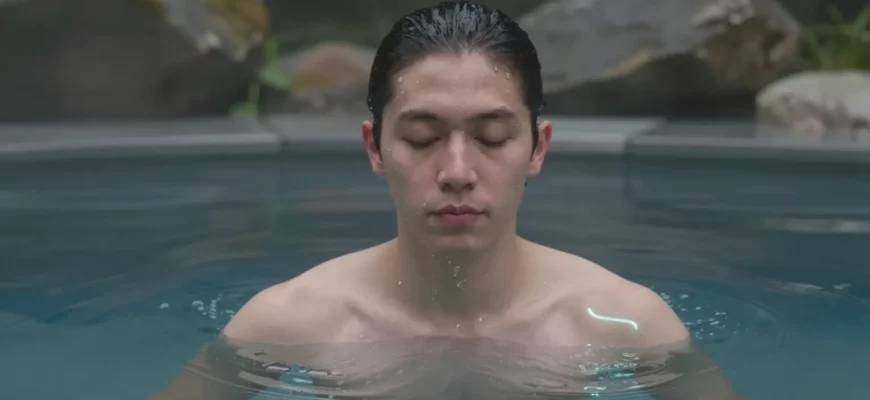
- Understanding the Link Between Cold Plunging and Anxiety Relief
- The Immediate Impact of Cold Plunging for Anxiety and Stress
- Why Cold Water Therapy is a Game-Changer for ADHD and Mental Health
- How an ADHD Cold Plunge Boosts Focus and Executive Function
- The Science: How Cold Exposure Shifts You Out of Fight or Flight
- Norepinephrine: The Key to Fighting Depression and Anxiety
- Practical Methods: From Full Body Immersion to the Cold Face Plunge
- Quick Relief for Work Related Stress at Your Desk
- What the Community Says: Cold Plunge Anxiety Reddit Insights
- Avoiding Common Pitfalls for Beginners
- Building a Sustainable Routine for Long-Term Mental Wellness
- Frequently Asked Questions
Understanding the Link Between Cold Plunging and Anxiety Relief
The practice of deliberate cold exposure is far more than a fitness trend; it is a biological intervention for a dysregulated nervous system. When you submerge your body in freezing water, you are essentially providing a controlled stressor that forces your brain to recalibrate its response to fear and panic. This process of cold water immersion helps bridge the gap between physical sensation and mental resilience, offering a tangible way to quiet the noise of a racing mind.
By repeatedly exposing yourself to the sharp sting of cold, you train your brain to remain present despite the instinct to flee. This “bottom-up” approach to mental health focuses on fixing the body’s physiological state first, which in turn signals to the brain that the environment is safe. Over time, this builds a robust foundation for managing daily stressors and chronic anxiety without the immediate need for cognitive processing.
The Immediate Impact of Cold Plunging for Anxiety and Stress
The moment your skin hits the water, your body undergoes a massive physiological shift known as the thermal shock response. While this initial gasp might feel like the height of panic, it is actually the starting point for calming the mind. As you focus on slowing your breath, the heart rate begins to stabilize, and the initial “alarm” signals from the amygdala start to subside.
This transition from acute shock to a state of profound calm is a masterclass in nervous system regulation. Regular practitioners find that lowering stress levels becomes a byproduct of this “stress inoculation.” By surviving the cold for three minutes, the minor annoyances of a workday or the persistent hum of social anxiety begin to feel manageable and insignificant in comparison.
Why Cold Water Therapy is a Game-Changer for ADHD and Mental Health
For individuals with neurodivergent brains, particularly those with ADHD, the standard advice for focus often falls short. Cold water therapy offers a unique neurochemical “reset” that targets the very neurotransmitters—dopamine and norepinephrine—that are often imbalanced in ADHD. This isn’t just about waking up; it’s about optimizing the brain’s internal signaling system for better executive function.
The intersection of cold exposure and mental health is best understood by looking at how different symptoms respond to the cold. Unlike caffeine or stimulants, which can sometimes increase jitteriness, the cold provides a clean, sustained surge of energy that is paired with a sense of groundedness. This makes it a versatile tool for various mental health challenges.
| Mental Health Condition | Primary Cold Plunge Benefit | Neurochemical Mechanism |
|---|---|---|
| ADHD | Enhanced focus and reduced impulsivity | 250% increase in baseline dopamine levels |
| General Anxiety | Reduction in physical panic symptoms | Vagus nerve stimulation and lower cortisol |
| Clinical Depression | Improved mood and “drive” | Massive spike in plasma norepinephrine |
| Chronic Stress | Better sleep and emotional regulation | Parasympathetic nervous system activation |
How an ADHD Cold Plunge Boosts Focus and Executive Function
One of the most profound effects of an ADHD cold plunge is the sustained increase in dopamine. Unlike the “spikes and crashes” associated with sugar or social media, the dopamine release from cold water is gradual and lasts for several hours. This provides a natural dopamine boost that helps individuals with ADHD stay on task without the typical mid-day slump.
Beyond the chemicals, the practice of improving focus starts with the breath. To stay in the water, you must exert “top-down” control over your “bottom-up” impulses. This strengthens the prefrontal cortex, the area of the brain responsible for executive function, planning, and emotional control, which is often underactive in those with ADHD.
The Science: How Cold Exposure Shifts You Out of Fight or Flight
Anxiety is often a state of being “stuck” in the sympathetic nervous system, also known as the fight-or-flight response. When you enter a cold plunge, you are intentionally triggering that response in a safe environment. The magic happens in the recovery phase, where the body compensates by over-activating the parasympathetic nervous system to bring you back to homeostasis.
This “rebound effect” is what leads to the feeling of deep relaxation post-plunge. By stimulating the vagus nerve—the main component of the parasympathetic system—cold water immersion teaches your body how to “turn off” the stress signal. This effectively raises your threshold for stress, meaning it takes more to trigger a panic attack in your daily life than it did before you started plunging.
Norepinephrine: The Key to Fighting Depression and Anxiety
Norepinephrine is both a hormone and a neurotransmitter that plays a vital role in vigilance, focus, and mood stabilization. Research has shown that cold water immersion at 50°F can increase norepinephrine levels by up to 300%. This massive surge is why many people feel an immediate boost your mood that lasts long after they have dried off.
The biological response to cold is one of the most potent natural triggers for norepinephrine release known to science. For those struggling with the “brain fog” of depression or the scattered thoughts of anxiety, this chemical surge acts as a systemic cleanser, sharpening the mind and providing a sense of mental clarity that is hard to achieve through other holistic means.
Practical Methods: From Full Body Immersion to the Cold Face Plunge
You do not need a $5,000 custom ice bath to start reaping the benefits of cold therapy. For many, the barrier to entry is the fear of total body submersion. Starting small is not just acceptable; it is often more effective for long-term habit formation. The cold face plunge is a scientifically validated “hack” that targets the nervous system directly through the trigeminal nerve.
If you are feeling overwhelmed at work or on the verge of a panic attack, a simple bowl of ice water can be your greatest ally. This method utilizes the Mammalian Dive Reflex, an evolutionary trait that immediately slows the heart rate and redirects blood flow to the brain and heart when the face is submerged in cold water.
- Prepare a basin: Fill a large bowl with cold water and add a handful of ice cubes.
- Set a timer: Aim for 15 to 30 seconds of submersion.
- The Plunge: Take a deep breath, hold it, and submerge your entire face (including your eyes and temples) into the water.
- The Reset: Lift your face out, exhale slowly through pursed lips, and repeat 2-3 times until you feel your heart rate drop.
Quick Relief for Work Related Stress at Your Desk
When you are managing stress at work, you often don’t have the luxury of a full shower or a gym trip. The face plunge provides quick anxiety relief because it bypasses the need for a full-body transition. It is the fastest way to stimulate the vagus nerve and “force-quit” the stress programs running in your brain.
This technique is particularly useful for stopping a spiral of negative thoughts. The intense sensory input of the cold forces your brain to shift from “abstract worry” to “immediate physical sensation.” This grounding effect is a powerful tool for anyone who feels disconnected or dissociated during high-pressure moments at the office.
What the Community Says: Cold Plunge Anxiety Reddit Insights
Online communities like Reddit have become a treasure trove of anecdotal evidence for the efficacy of cold plunging. Many users report that while the first 30 seconds are “pure hell,” the sense of peace that follows is unlike anything they have experienced with medication or traditional therapy. However, these communities also highlight the importance of safety and the “afterdrop” phenomenon.
The “afterdrop” occurs when you exit the water and cold blood from your extremities begins to circulate back to your core, causing your internal temperature to continue falling. Experienced plungers emphasize that how you exit the water and warm up is just as important as the plunge itself. Community wisdom suggests moving your body naturally rather than jumping into a hot shower immediately.
- DO: Focus on long, slow exhalations to signal safety to your brain.
- DO: Keep your first sessions short—even 30 seconds provides a benefit.
- DON’T: Plunge alone in open water or deep tubs if you are a beginner.
- DON’T: Use the cold plunge as a replacement for prescribed psychiatric medication without consulting a doctor.
- DO: Wear a hat or keep your head above water if you are sensitive to “brain freeze” sensations.
Avoiding Common Pitfalls for Beginners
One of the biggest mistakes beginners make is trying to stay in too long, too soon. For mental health benefits, you aren’t trying to prove your toughness; you are trying to regulate your biology. Staying safe in cold water means listening to your body’s signals. If you start to shiver uncontrollably or lose coordination, you have stayed in too long.
It is also important to have realistic results. While a single plunge can stop a panic attack in its tracks, the long-term changes to ADHD and depression require consistency. You are building a relationship with your nervous system, and like any relationship, it takes time to build trust and resilience.
Building a Sustainable Routine for Long-Term Mental Wellness
To see lasting changes in your baseline anxiety levels, consistency is the primary driver. Science suggests that a total of 11 minutes of cold exposure per week—spread across 3 or 4 sessions—is the “sweet spot” for metabolic and mental health benefits. This makes the habit sustainable and prevents the burnout associated with daily 10-minute “ego plunges.”
Integrate your plunge into your morning routine to capitalize on the dopamine spike for the rest of the day. By making the cold plunge a non-negotiable part of your week, you are effectively training your brain to handle the “cold” moments of life with the same grace and breath control you use in the water;
- Frequency: Aim for 3-5 times per week for optimal neurotransmitter regulation;
- Duration: 2-3 minutes is plenty; benefits plateau after the 5-minute mark.
- Temperature: 50°F to 59°F is the “goldilocks zone” for mental health benefits.
- Breathwork: Always prioritize a calm exhale over the length of the soak.
In my professional experience, I have seen cold plunging serve as a powerful “bottom-up” physiological intervention that complements “top-down” therapies like CBT. While talking through trauma is essential, sometimes the nervous system is too “loud” for the mind to process logic. I always advise my clients to use the cold plunge as a tool to quiet the physical noise of anxiety first. This creates a window of physiological safety, making it much easier to engage in mindfulness or therapeutic work. Remember, the goal is not to endure the cold, but to remain relaxed within it.
Frequently Asked Questions
For a nervous system reset, 2 to 5 minutes is the ideal window. However, even a 30-second dip can trigger the release of norepinephrine and help break a cycle of acute anxiety.
Can cold plunging make anxiety worse?
Initially, the “cold shock” can mimic the sensations of a panic attack. To prevent this, focus on slow, controlled exhales to prove to your brain that you are in control of the stressor.
Is a cold face plunge as effective as a full body soak?
For immediate anxiety relief, the face plunge is uniquely effective because it directly triggers the Mammalian Dive Reflex via the vagus nerve, which slows the heart rate faster than body immersion alone.
How often should I cold plunge for ADHD symptoms?
A daily morning routine is best for ADHD, as it provides a sustained dopamine and norepinephrine release that helps with focus and executive function throughout the workday.
What is the best temperature for mental health benefits?
You don’t need freezing ice; 50-59°F (10-15°C) is sufficient to trigger the necessary neurochemical shifts without the high physical risks of extreme cold.